




AC Joint Rehab: Exercises to Restore Shoulder Function
The acromioclavicular (AC) joint sits at the top of the shoulder where the clavicle meets the acromion process of the shoulder blade. Despite its small size, this joint plays a critical role in shoulder function, transmitting forces between the arm and the axial skeleton and contributing to the full range of shoulder elevation. AC joint injuries, which range from mild sprains to complete ligament ruptures, are among the most common shoulder injuries in contact sports and fall-related trauma. Regardless of the severity of the initial injury, a structured rehabilitation program is essential for restoring full shoulder function and preventing chronic pain and instability.
Understanding AC Joint Injuries
AC joint injuries are classified by severity. Grade I injuries involve a sprain of the AC ligament without disruption of the coracoclavicular (CC) ligaments, and the joint remains stable. Grade II injuries involve complete rupture of the AC ligament with partial disruption of the CC ligaments, producing mild to moderate joint instability. Grade III injuries involve complete rupture of both the AC and CC ligaments, producing significant joint separation and visible deformity. Grades IV through VI involve more complex ligament disruption and are less common.
The majority of Grade I and II injuries, and many Grade III injuries, are managed conservatively with rehabilitation rather than surgery. The rehabilitation protocol varies based on the grade of injury, but the fundamental principles are the same: protect the joint during the acute phase, restore range of motion, rebuild strength, and return to function progressively.
Phase 1: Acute Phase (Weeks 0 to 3)
During the acute phase, the priority is managing pain and inflammation while protecting the injured ligaments from further stress. A sling may be used for comfort during the first one to two weeks, particularly for Grade II and III injuries.
Pendulum Exercises: Begin pendulum exercises as soon as they can be performed without significant pain, typically within the first week. Stand beside a table, lean forward, and allow your affected arm to hang freely. Gently swing the arm in small circles, forward and backward, and side to side. Perform for 2 minutes, two to three times daily.
Elbow and Wrist Mobility: Maintain mobility in the elbow, wrist, and hand throughout the acute phase to prevent stiffness and maintain circulation.
Scapular Retraction: Gentle scapular retraction exercises can typically be performed from the first week. Squeeze your shoulder blades together and down. Hold for 5 seconds and release. Perform 3 sets of 15 repetitions. This exercise maintains lower trapezius activation without stressing the AC joint.
Phase 2: Range of Motion Restoration (Weeks 3 to 6)
As acute pain subsides, the focus shifts to restoring full shoulder range of motion. AC joint injuries often result in significant stiffness, particularly in overhead flexion and cross-body adduction, due to guarding and disuse during the acute phase.
Active Assisted Flexion: Use a cane or wand held with both hands to assist your affected arm through overhead flexion. Perform 3 sets of 15 repetitions. Progress gradually to active (unassisted) flexion as strength and pain allow.
Pulley Exercises: If available, use an over-door pulley system to perform assisted overhead flexion. Perform 3 sets of 15 repetitions.
Gentle Cross-Body Stretch: Bring your affected arm across your chest and use your opposite hand to gently support the elbow. Do not apply pressure; allow the weight of the arm to provide a gentle stretch. Hold for 20 seconds. Perform twice daily. Progress to gentle overpressure as pain allows.
Phase 3: Strengthening (Weeks 6 to 12)
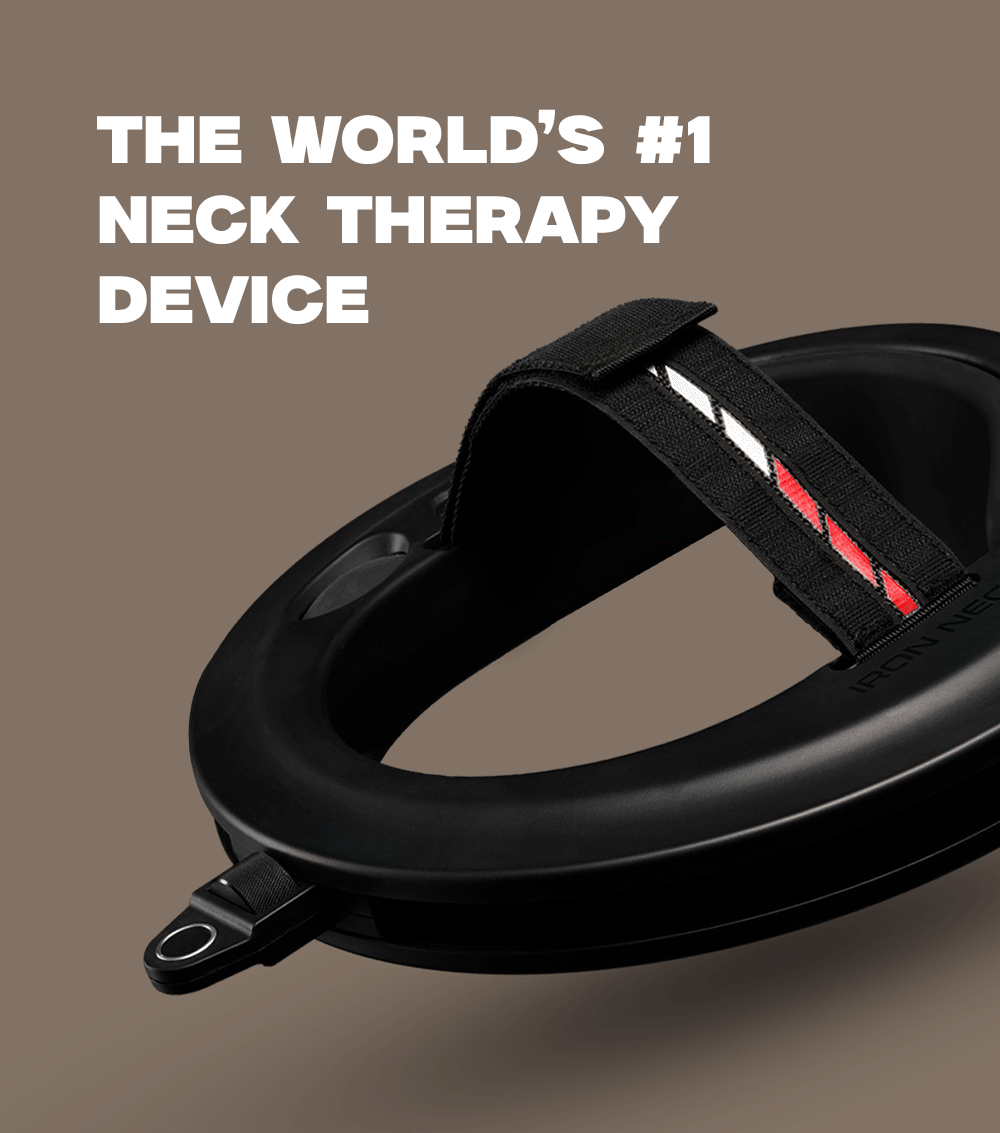
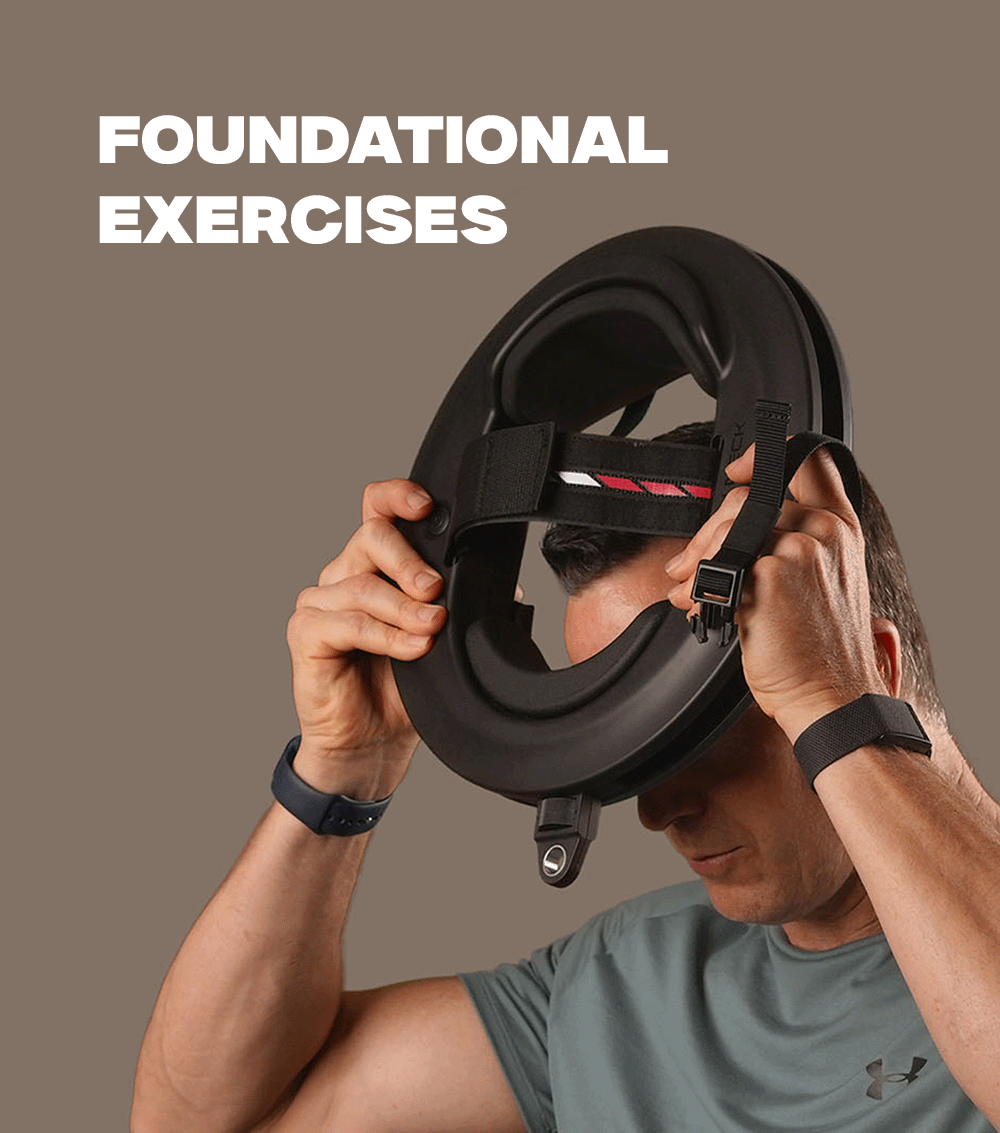
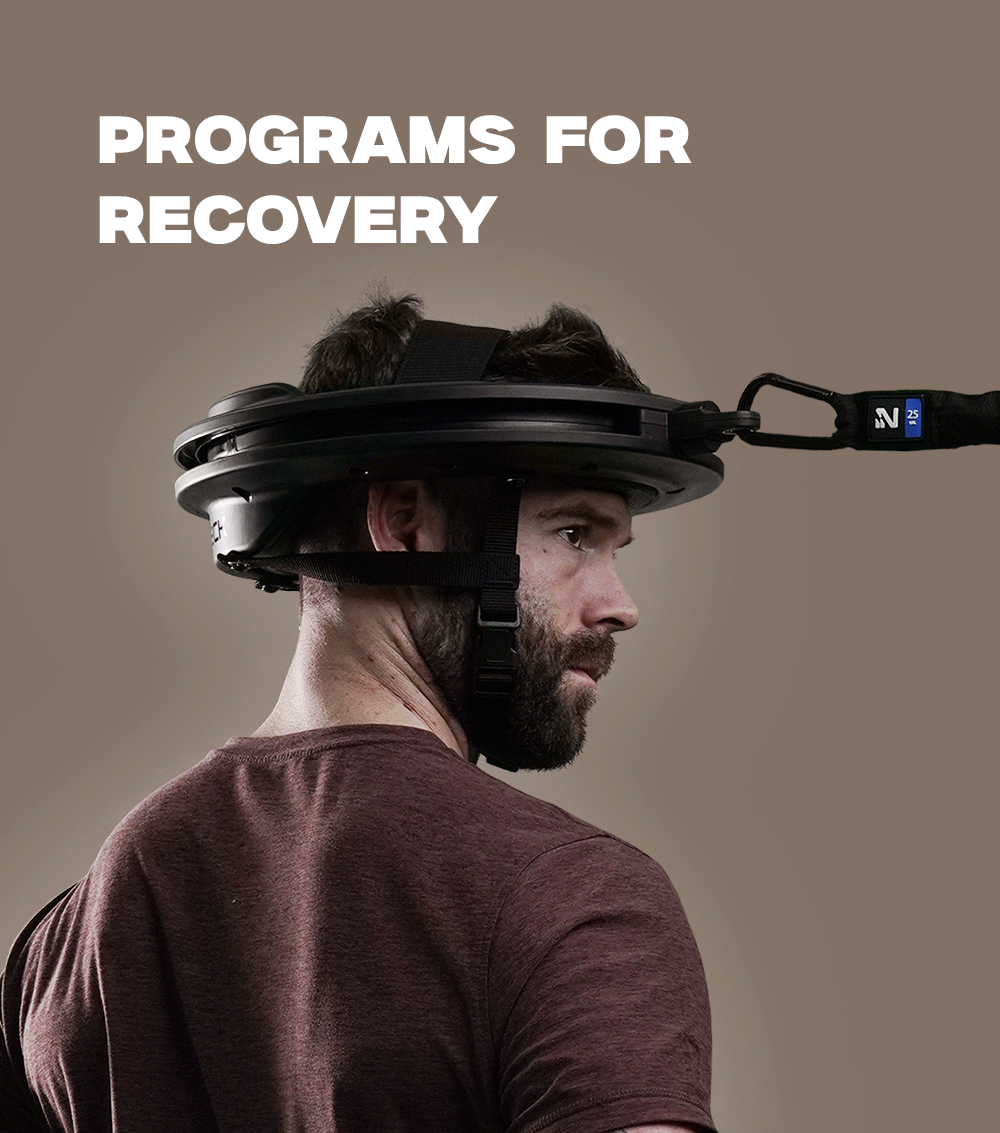
Progressive strengthening of the rotator cuff and scapular stabilizers is the central focus of AC joint rehabilitation. Strong rotator cuff muscles reduce the stress on the AC joint by improving the mechanical efficiency of shoulder movement. The Iron Neck resistance bands are ideal for this phase, providing controlled, progressive resistance for all of the key exercises.
Band External Rotation: Attach a resistance band at elbow height. Stand sideways to the band with your affected arm closest to the anchor. Hold the band with your affected hand, elbow bent to 90 degrees and pressed against your side. Rotate your forearm outward against the resistance. Return slowly. Perform 3 sets of 15 repetitions.
Band Rows: Attach a resistance band at chest height. Pull the band toward your chest by squeezing your shoulder blades together. Perform 3 sets of 15 repetitions.
Band Face Pulls: Attach a resistance band at face height. Pull the band toward your face while simultaneously externally rotating your shoulders. Squeeze your shoulder blades together and down at the end of the movement. Perform 3 sets of 15 repetitions.
Prone Y-T-W Raises: Lie face down and perform Y, T, and W raises to train the lower and mid trapezius. Perform 2 sets of 10 repetitions in each position.
Phase 4: Functional Return (Weeks 12 and Beyond)
The final phase focuses on returning to the specific demands of your daily life and sport. For contact sport athletes, this includes progressive return to contact activities under the guidance of a sports medicine physician. For overhead athletes, this includes a progressive return-to-throwing or overhead-activity program. For most people, this phase involves gradually returning to all daily activities, including overhead reaching, lifting, and carrying.
The AC joint is a robust structure that, once healed, typically allows full return to all activities. However, a visible "bump" at the top of the shoulder from the displaced clavicle is common after Grade II and III injuries and does not typically cause functional problems once rehabilitation is complete.
When Surgery Is Considered
Most Grade I and II AC joint injuries and many Grade III injuries are managed successfully without surgery. Surgery is typically considered for Grade III injuries in high-demand athletes, Grade IV through VI injuries, and cases where conservative management has failed to resolve pain and instability after an adequate trial of rehabilitation. If you are considering surgery, obtain a consultation with an orthopedic surgeon who specializes in shoulder conditions before making a decision.


Leave a comment
This site is protected by hCaptcha and the hCaptcha Privacy Policy and Terms of Service apply.