

Isometric Hold
The neutral brace is your first defense when someone starts a guillotine grip. This builds the capacity to simply not be movable.
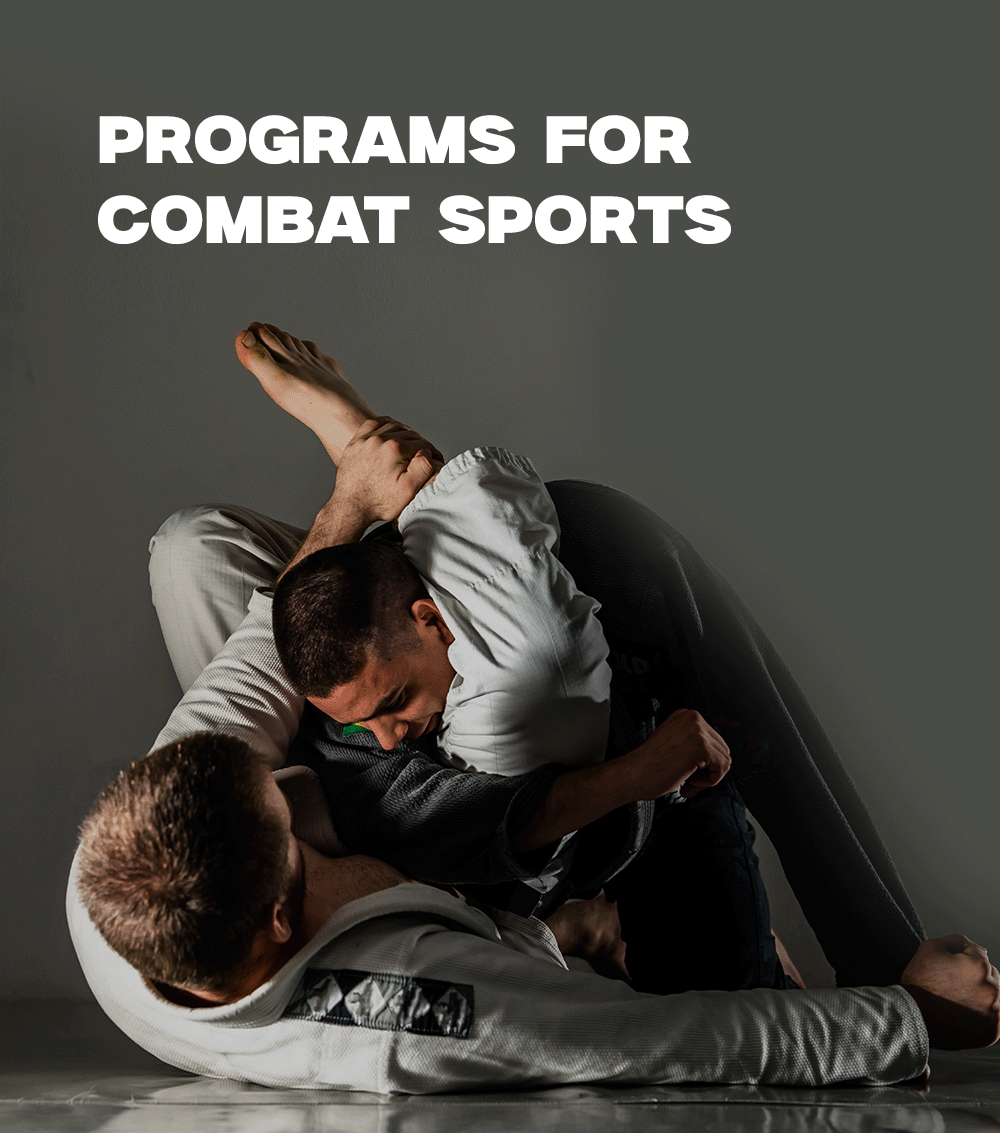
Jiu jitsu loads the neck in ways no other sport does, from stacked guard positions to guillotine defense to inverting under a knee shield. This program builds the bracing base, develops strength in the bridging and rotational positions grappling lives in, and finishes with the reactive perturbation work that mirrors live rolling. A durable neck is what lets you frame, defend, and invert without giving your training partners a submission before the round starts.

Build a neck that survives stacking, cranks, guillotine pressure, and inverted positions across long training weeks.
Build the static brace and clean movement that every defensive frame depends on. The neck learns to hold neutral against load before it faces grappling-specific angles.
The neutral brace is your first defense when someone starts a guillotine grip. This builds the capacity to simply not be movable.
Front-to-back strength is what keeps your chin tucked and your airway protected when an opponent hunts the choke.
Rotational strength lets you turn your head to create space and look toward escapes while pressure tries to pin it flat.
Keeping the head still while the body turns is the mechanics of shrimping and re-guarding without exposing your neck.
Advance whenAdvance when all holds are steady for the full duration and movement stays smooth in every plane.
Load the specific angles grappling forces on you. Bridge angles, rotational holds, end-range strength, and loaded body turns build capacity in the positions where rolls are won and lost.
Bridge-angle holds build the upa escape and the shoulder-walk out of a stack, positions where your neck bears real body weight.
Static strength with the head turned is what holds your posture when a cross-face grinds your chin toward your shoulder.
A locked head over a body working against resistance is passing posture in miniature, staying safe while you drive through a guard.
End-range strength front and back is your margin when you get stacked and your chin is driven toward your chest.
Advance whenAdvance when bridge-angle and end-range holds are solid at Heavy resistance without compensation.
Make the neck live-roll ready. Unpredictable perturbation, mid-rotation disruption, and reactive speed train the reflexive bracing that fires before you consciously feel the attack.
Perturbation holds replicate a partner constantly adjusting grips on your head, training the brace to be automatic and continuous.
Disruption mid-spin mirrors a scramble, where your neck must recover control while your whole body is already rotating.
Fast diagonal pulses build the explosive posture snap that pulls your head out of a front headlock before it locks in.
Reacting to cues trains the instant head movement of spotting a submission entry and repositioning before it arrives.
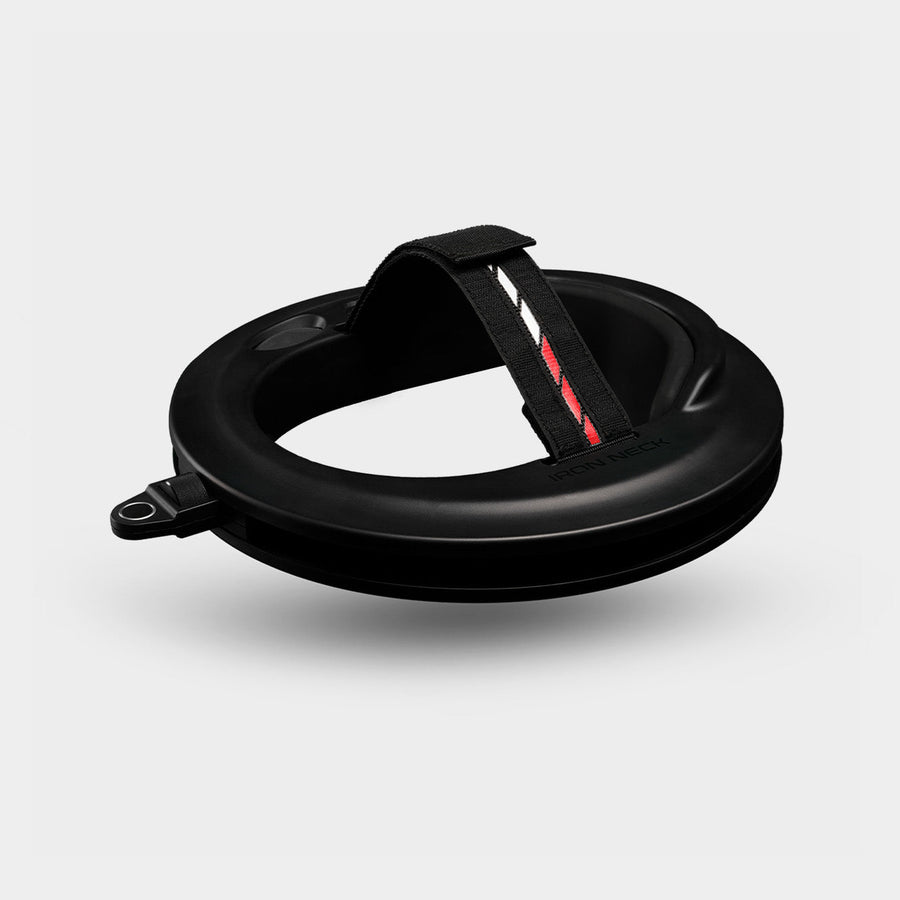
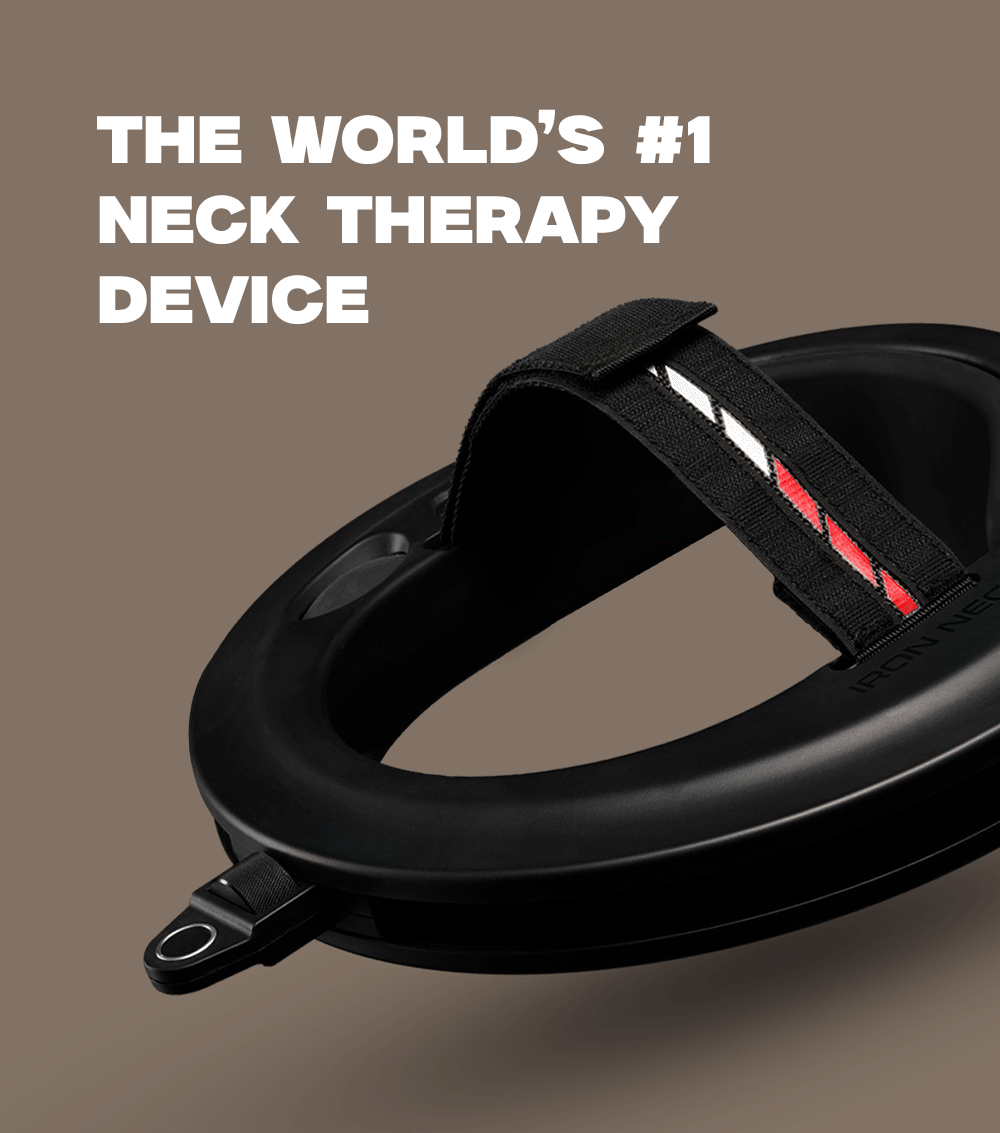
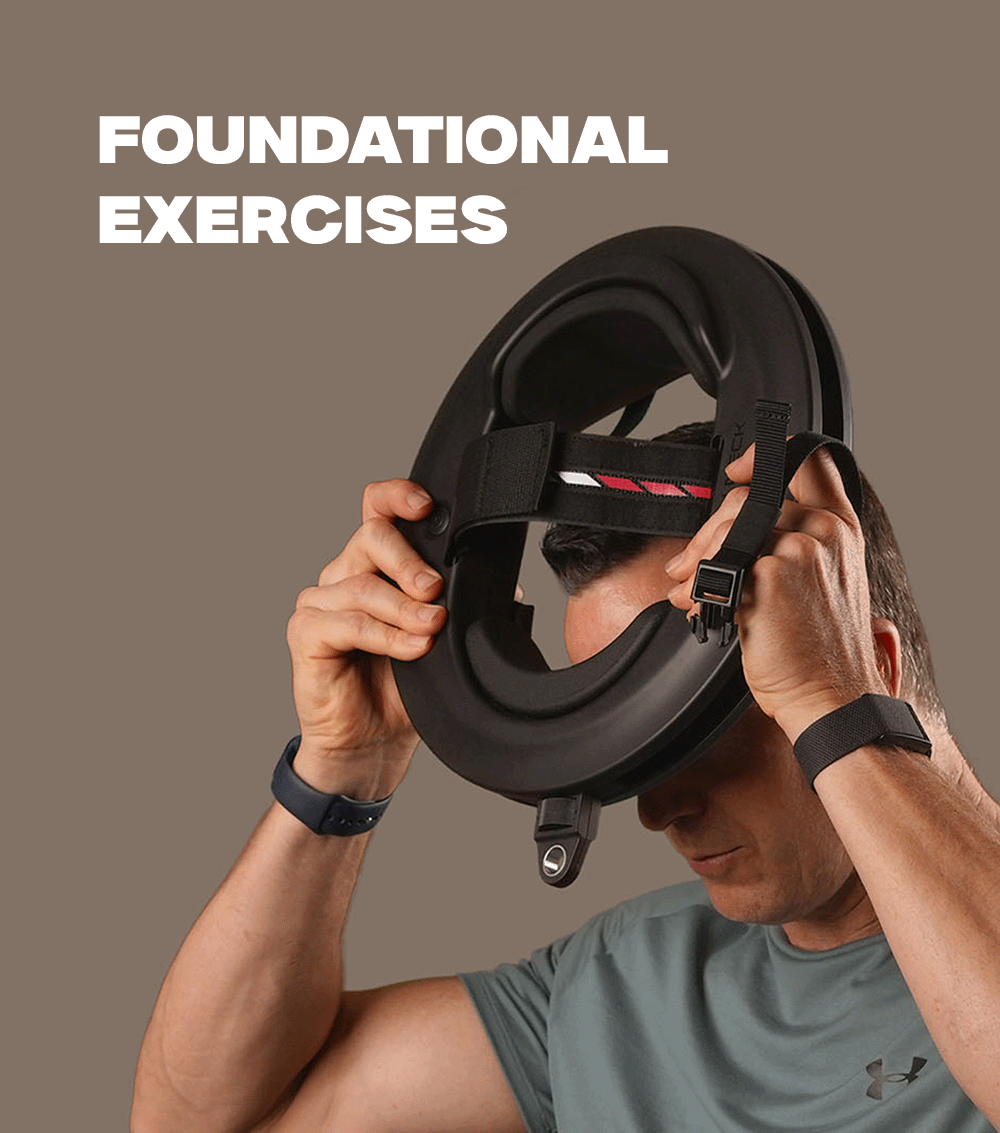
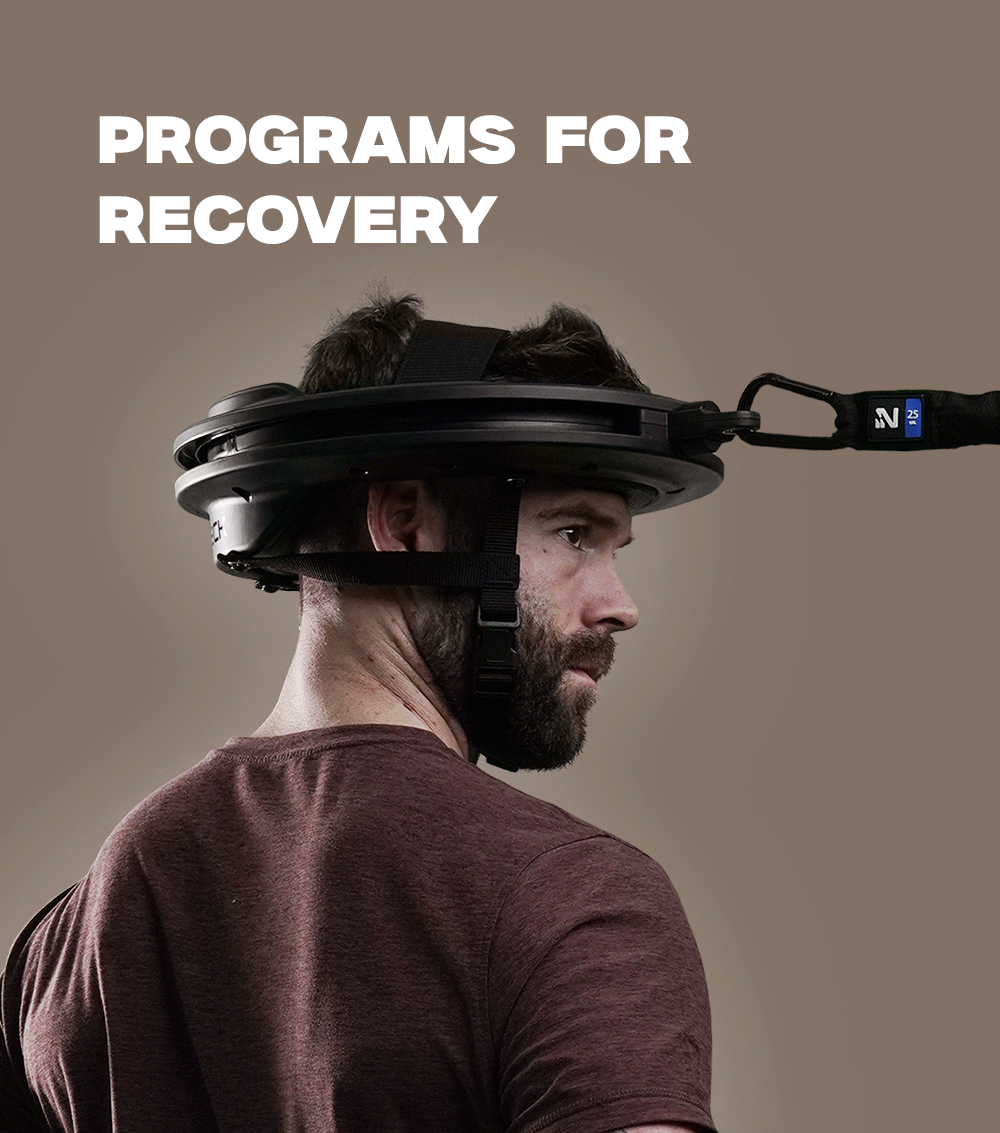
The 360 degree resistance head unit this program is built around, with the anchor and bands you need to train every direction from day one.

We call for an effort level instead of a specific weight, because the right resistance depends on you, the movement, and where you are in your training. For the sets and reps listed on each exercise, pick the resistance that makes the last few reps feel like the level shown.
You finish the set with several clean reps still in the tank. The work stays easy and fully controlled from the first rep to the last.
You could manage a few more reps at the end, but not many. The final reps take real effort while your form holds.
You reach the last prescribed rep with little or nothing left. Completing every rep with good form is genuinely hard.
These are starting points, not rules. Everyone is built differently, so adjust to fit you: size down if your form breaks before the final rep or a movement aggravates a symptom, and only size up once every rep feels smooth and pain free. When you are unsure, choose the lighter option.