


Sport Specific · Program 60

Wrestling In-Season Resilience

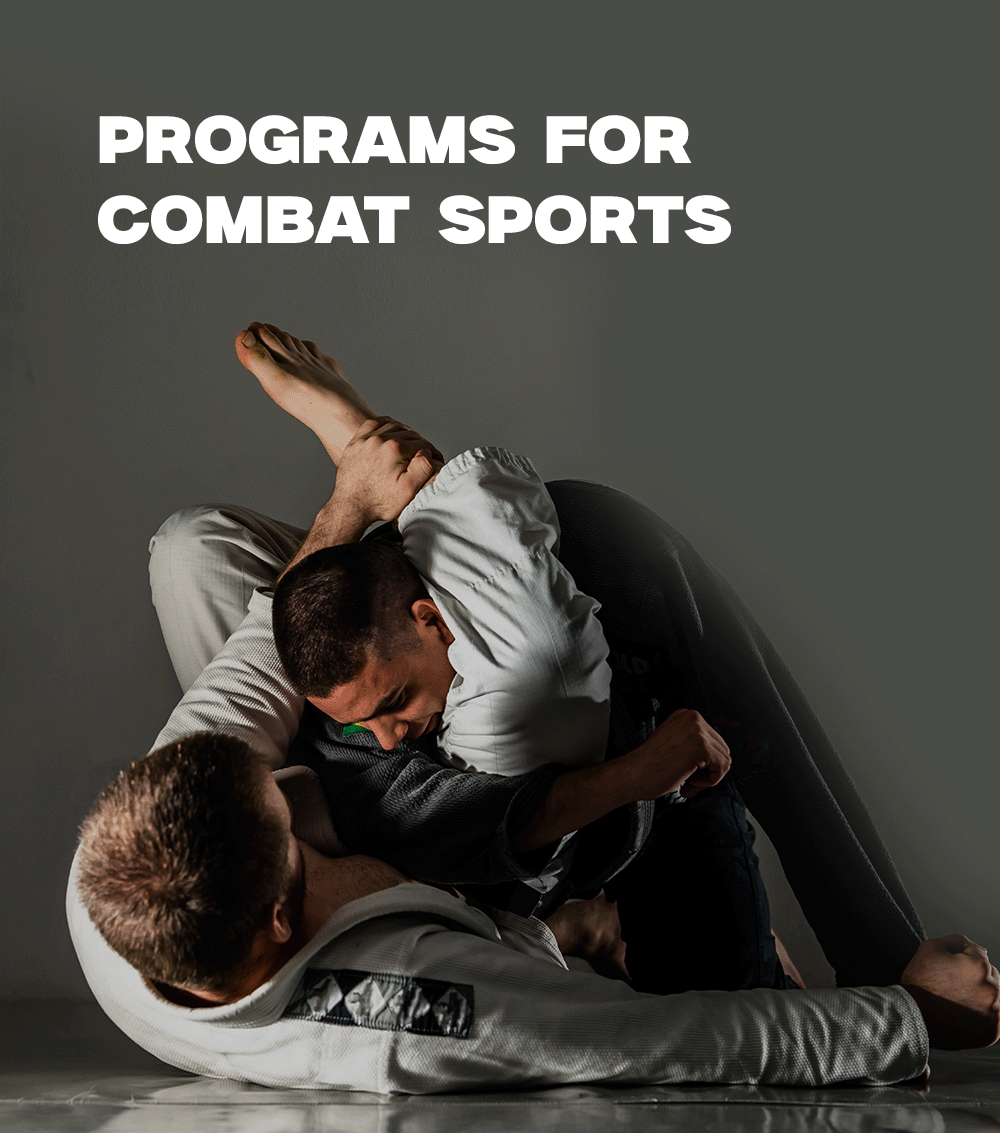
A wrestling season grinds necks down through daily live goes, weight cuts, and weekend tournaments. This program preserves the strength you built in pre-season with low-volume doses, maintains tactical patterns like posting and anti-rotation, and keeps reactive bracing sharp for the postseason. It is designed to fit around practice, not compete with it.

Focus · WrestlingFrequency · 2x per weekSession · 10-15 min
Wrestling In-Season Resilience cover art
The goal

Preserve neck strength and control while improving resilience to fatigue and minimizing recovery time during the season.

Who it is for
  • Competitive in-season wrestlers
  • Athletes managing daily live wrestling and weight cuts
  • Wrestlers protecting neck capacity for the postseason

Recovery & Reset

Restore clean movement after the week's mat time. Loads are minimal so this session speeds recovery from live wrestling instead of adding to the deficit.

01

Protraction / Retraction

2 sets of 10 repsFront & Back

Easy gliding flushes out the compressed, jammed feeling that a weekend of collar ties leaves behind.

How To
1Glide your head straight forward, reaching your chin outward, then glide it straight back as though making a double chin.
2Keep your eyes and chin level the entire time and move smoothly along a horizontal path.
Coaching Cues
Slide your head along an invisible shelf
Make a double chin
then get rid of it
No nodding
keep your eyes level throughout
Think forward and back
not up and down
Muscles Activated
SCMAnterior scaleneDeep neck flexorsSemispinalis cervicis
02

Look Left, Look Right

2 sets of 10 repsAny direction

Light rotation restores the scanning range that tightens up after repeated snap-downs and front headlocks.

How To
1Stand tall with your chest up and your chin level.
2Turn your head slowly to one side as far as you can go comfortably, hold for a moment, then return to center and repeat to the other side.
3Only your head moves.
Coaching Cues
Chin stays level as you rotate
Eyes lead the movement
Do not tilt your head
it is a turn and not a lean
Move with control and not momentum
Muscles Activated
SCMSplenius capitis/cervicisLongissimus capitis
03

360 Spin (small circle)

2 sets of 3 reps each directionFront

Small-arc spins re-establish smooth head-body dissociation without loading a neck that just survived a tournament.

How To
1Stand tall with your shoulders stacked over your hips and fix your eyes on a point straight ahead.
2Rotate your body in place, hips, torso and feet, while your head stays completely still.
3Move slowly through a full clockwise turn, then reverse and complete a full counterclockwise turn.
Coaching Cues
Head still
body turns
Move like a tank turret with your upper body rotating under a fixed head
Do not let your nose drift from its anchor point
Feel the resistance wrap around you as you rotate
Muscles Activated
SCMSplenius capitis/cervicisSemispinalis capitisMultifidus
04

Isometric Hold

2 sets of 15 second holdsFront

A brief neutral brace maintains baseline stiffness while letting the tissue recover from match loads.

How To
1Set your head in the working position and hold it there against the band.
2Keep your chin level, breathe normally, and resist any drift for the full time prescribed.
Coaching Cues
Brace your neck without clenching your jaw
Keep breathing through the hold
Nothing moves but your ribs
End the set when your position starts to drift
Muscles Activated
Deep neck flexors/extensorsSCMSplenius

Advance whenAdvance when sessions feel restorative and all movement is smooth with zero residual soreness.

Strength Preservation & Tactical Resilience

Small, precise doses maintain every strength quality wrestling uses. The patterns stay sharp so nothing has to be rebuilt when March arrives.

01

Diagonals

2 sets of 4 reps per sideFront or Back

A maintenance dose of diagonal work preserves strength against the cross-face and slide-by pressure of live goes.

How To
1Start by looking down toward one armpit.
2Trace a diagonal path upward with your eyes and nose until you are looking above the opposite shoulder, then return along the same path.
3Finish your reps on one side before switching to the opposite diagonal.
Coaching Cues
Draw an X in your field of view with your nose
Follow a diagonal line with your eyes
Use full range but keep it smooth
Feel your neck twist and lengthen
Muscles Activated
SCMSplenius capitisScalenesSuboccipitals
02

Locked Neck, Body Turn

2 sets of 6 repsAny direction

Keeps the still-head, working-body pattern sharp for finishing shots while an opponent attacks your posture.

How To
1Lock your head in a forward facing position and rotate your torso side to side without letting your head follow.
2Your hips, spine and shoulders twist while your neck holds a stable, neutral position with your nose pointed forward.
Coaching Cues
Your head is the anchor
rotate underneath it
Think of your nose as a laser pointer and do not let the dot move
This is anti-rotation
fight the urge to turn your head
Use your core to rotate and not your neck
Muscles Activated
Deep neck flexors/extensorsSCMSpleniusMultifidus
03

360 Spin (quarter pauses)

2 sets of 3 reps each direction with 2 second pausesFront

Paused spins maintain positional strength at the mid-rotation angles scrambles constantly pass through.

How To
1Stand tall with your shoulders stacked over your hips and fix your eyes on a point straight ahead.
2Rotate your body in place, hips, torso and feet, while your head stays completely still.
3Move slowly through a full clockwise turn, then reverse and complete a full counterclockwise turn.
Coaching Cues
Head still
body turns
Move like a tank turret with your upper body rotating under a fixed head
Do not let your nose drift from its anchor point
Feel the resistance wrap around you as you rotate
Muscles Activated
SCMSplenius capitis/cervicisSemispinalis capitisMultifidus
04

Protraction / Retraction (tempo 3-1-3)

2 sets of 6 slow repsFront & Back

Low-volume slow gliding preserves the eccentric control that protects your neck in a failed shot or a hard sprawl.

How To
1Glide your head straight forward, reaching your chin outward, then glide it straight back as though making a double chin.
2Keep your eyes and chin level the entire time and move smoothly along a horizontal path.
Coaching Cues
Slide your head along an invisible shelf
Make a double chin
then get rid of it
No nodding
keep your eyes level throughout
Think forward and back
not up and down
Muscles Activated
SCMAnterior scaleneDeep neck flexorsSemispinalis cervicis

Advance whenAdvance when all work feels crisp at Medium resistance with no impact on practice performance.

High-Stress Control & Reactive Prep

Keep the reactive qualities sharp for the matches that matter most. Short, intense doses of perturbation and cue-based reaction maintain match readiness without accumulating fatigue.

01

Isometric Hold (with perturbation)

2 sets of 15 second holds per direction with short tap seriesFront

Short perturbation series keep the reflexive brace tuned for the constant hand-fighting of a close third period.

How To
1Set your head in the working position and hold it there against the band.
2Keep your chin level, breathe normally, and resist any drift for the full time prescribed.
Coaching Cues
Brace your neck without clenching your jaw
Keep breathing through the hold
Nothing moves but your ribs
End the set when your position starts to drift
Muscles Activated
Deep neck flexors/extensorsSCMSplenius
02

Diagonals (dynamic pulses)

2 sets of 8 short pulses per sideFront or Back

Quick low-volume pulses maintain the fast-twitch snap that wins the head-position battle in a tie-up.

How To
1Start by looking down toward one armpit.
2Trace a diagonal path upward with your eyes and nose until you are looking above the opposite shoulder, then return along the same path.
3Finish your reps on one side before switching to the opposite diagonal.
Coaching Cues
Draw an X in your field of view with your nose
Follow a diagonal line with your eyes
Use full range but keep it smooth
Feel your neck twist and lengthen
Muscles Activated
SCMSplenius capitisScalenesSuboccipitals
03

Look Left, Look Right (reactive, cue-based)

2 sets of 6 reps on cueAny direction

Cue-based reaction keeps head speed sharp for reading a shot and countering before your opponent finishes.

How To
1Stand tall with your chest up and your chin level.
2Turn your head slowly to one side as far as you can go comfortably, hold for a moment, then return to center and repeat to the other side.
3Only your head moves.
Coaching Cues
Chin stays level as you rotate
Eyes lead the movement
Do not tilt your head
it is a turn and not a lean
Move with control and not momentum
Muscles Activated
SCMSplenius capitis/cervicisLongissimus capitis
04

Protraction / Retraction (end-range hold)

2 sets of 5 reps with 3 second holds at maximum rangeFront & Back

End-range holds preserve strength in the extreme positions of bridges and funk rolls when it matters most.

How To
1Glide your head straight forward, reaching your chin outward, then glide it straight back as though making a double chin.
2Keep your eyes and chin level the entire time and move smoothly along a horizontal path.
Coaching Cues
Slide your head along an invisible shelf
Make a double chin
then get rid of it
No nodding
keep your eyes level throughout
Think forward and back
not up and down
Muscles Activated
SCMAnterior scaleneDeep neck flexorsSemispinalis cervicis
Get the gear

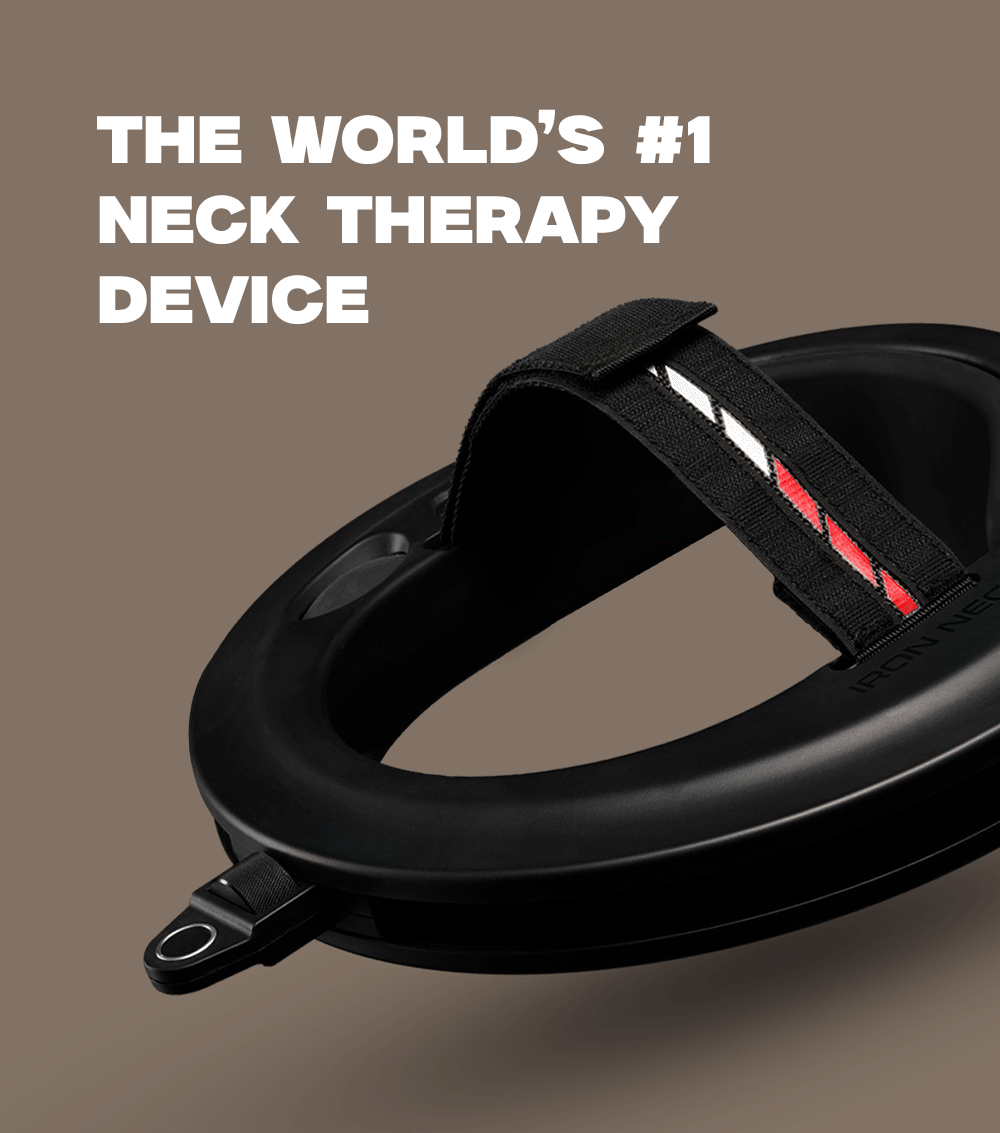
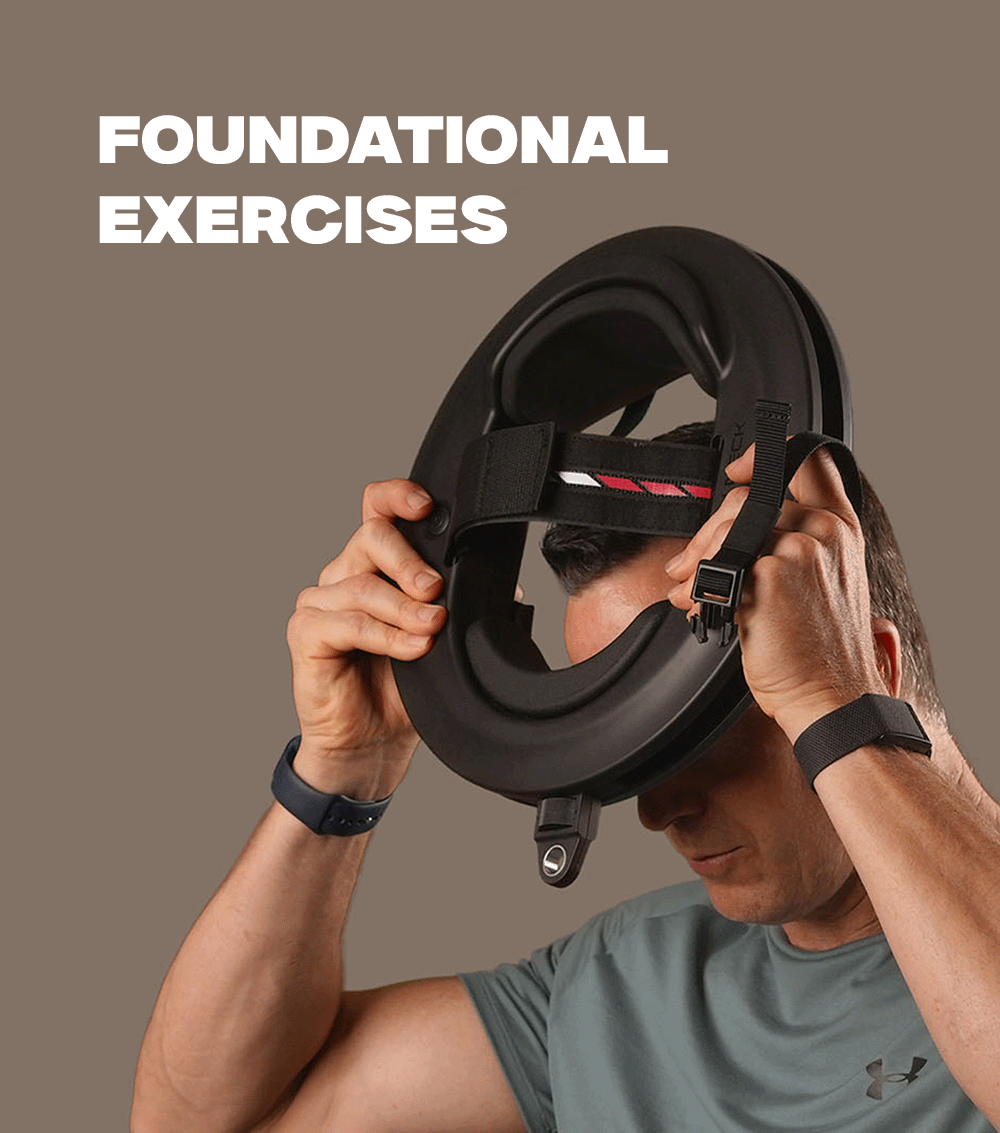
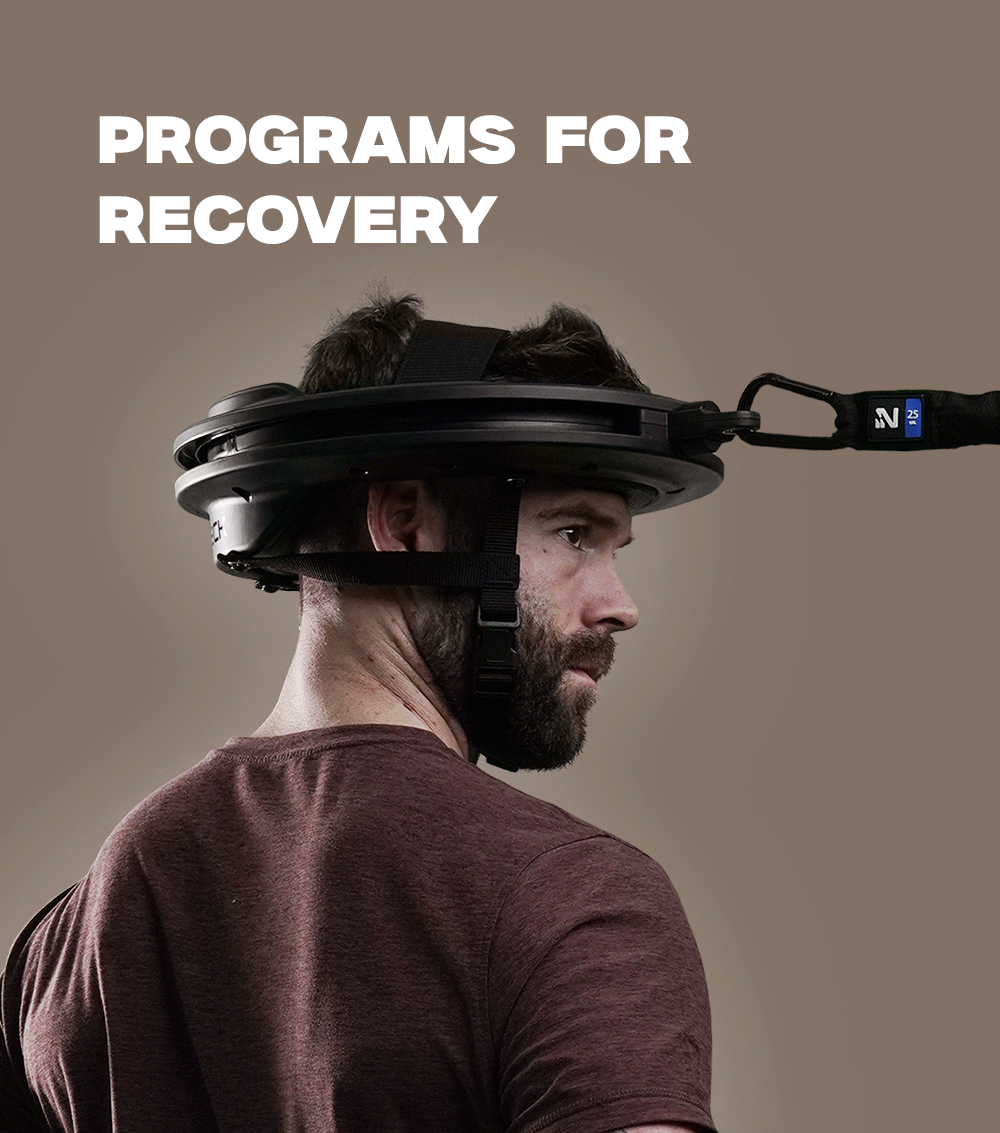
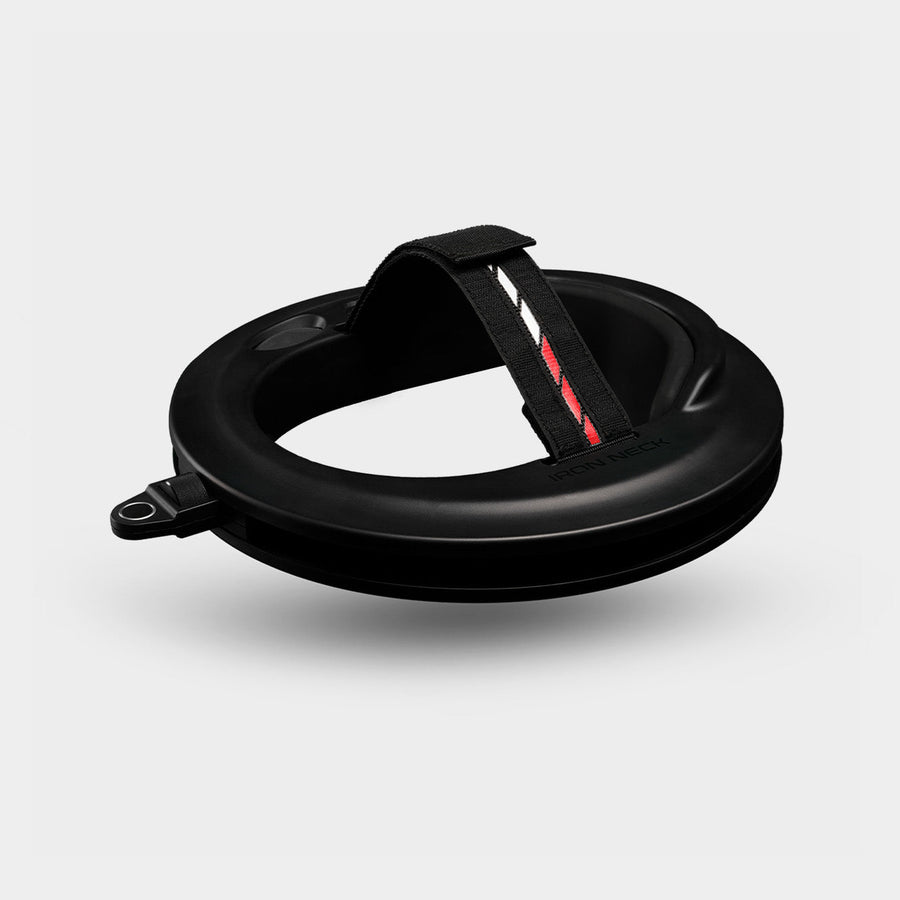
Train this program with the Iron Neck 3.0 Pro

The 360 degree resistance head unit this program is built around, with the anchor and bands you need to train every direction from day one.

Iron Neck 3.0 Pro
Iron Neck 3.0 Pro $599.00
Set your resistance

Light, medium, or heavy?

We call for an effort level instead of a specific weight, because the right resistance depends on you, the movement, and where you are in your training. For the sets and reps listed on each exercise, pick the resistance that makes the last few reps feel like the level shown.

Light

You finish the set with several clean reps still in the tank. The work stays easy and fully controlled from the first rep to the last.

Medium

You could manage a few more reps at the end, but not many. The final reps take real effort while your form holds.

Heavy

You reach the last prescribed rep with little or nothing left. Completing every rep with good form is genuinely hard.

These are starting points, not rules. Everyone is built differently, so adjust to fit you: size down if your form breaks before the final rep or a movement aggravates a symptom, and only size up once every rep feels smooth and pain free. When you are unsure, choose the lighter option.