

Protraction / Retraction
Rhythmic gliding pumps circulation through the deep flexors and suboccipitals, feeding the ischemic tissue where trigger points form.
Myofascial pain lives in tight, knotted muscle, with trigger points in the traps and neck that ache locally and refer pain elsewhere. This program uses rhythmic movement to flush blood through chronically tense tissue, then builds the strength and endurance that keep muscles from re-knotting under daily load. Relief comes from moving better and holding tension less, not from stretching harder.

Relieve chronic muscular tension and trigger point pain by restoring neck movement, improving circulation, and strengthening the stabilizers.
Use easy rhythmic motion to increase blood flow through knotted tissue and restore comfortable range. Sessions should feel like release, not effort.
Rhythmic gliding pumps circulation through the deep flexors and suboccipitals, feeding the ischemic tissue where trigger points form.
Gentle rotation lengthens and shortens the SCM and splenius through their working range, coaxing chronically shortened fibers to let go.
The full circle sweeps light load through every muscle around the neck, finding and moving the tight sectors a single-plane drill misses.
Advance whenAdvance when the neck consistently feels looser after sessions and baseline tightness starts dropping.
Teach the overactive muscles to work at the right intensity and then switch off. Controlled tempo and holds replace the constant low-grade clenching.
Slow continuous work trains sustained, moderate muscle effort, the opposite of the spike-and-clench pattern that builds trigger points.
Retraction holds shift head-carrying duty to the deep flexors, unloading the upper traps where the worst knots live.
Varying rotation speed teaches the neck to modulate effort smoothly, breaking the all-or-nothing tension habit of myofascial muscle.
Advance whenAdvance when you can complete every set with relaxed shoulders and the knots are noticeably less reactive.
Build the capacity that keeps muscles from exhausting into tightness. A stronger neck holds posture with a fraction of its capacity, leaving no need to clench.
Slow diagonals work the scalene and suboccipital lines through oblique ranges, reaching trigger-point-prone fibers straight planes never load.
Rotational isometrics build endurance in the splenius and SCM so they stop guarding at half-clench all day.
Quarter pauses demand precise effort at specific angles, sharpening the control that lets tense muscles finally trust and release.
Advance whenAdvance when longer holds and diagonal work no longer produce next-day tightness or tender flare-ups.
Maintain loose, conditioned muscle for the long term. Run this phase as your standing routine and lean on it during high-stress stretches.
Loaded full-range diagonals keep the whole muscular envelope strong and supple, denying trigger points the weak, overworked tissue they colonize.
Eyes-closed circles keep movement smooth and well-calibrated, since jerky, over-efforted motion is what re-irritates myofascial tissue.
Slow loaded gliding maintains deep flexor strength so posture never again falls to the upper traps, the original source of the knots.
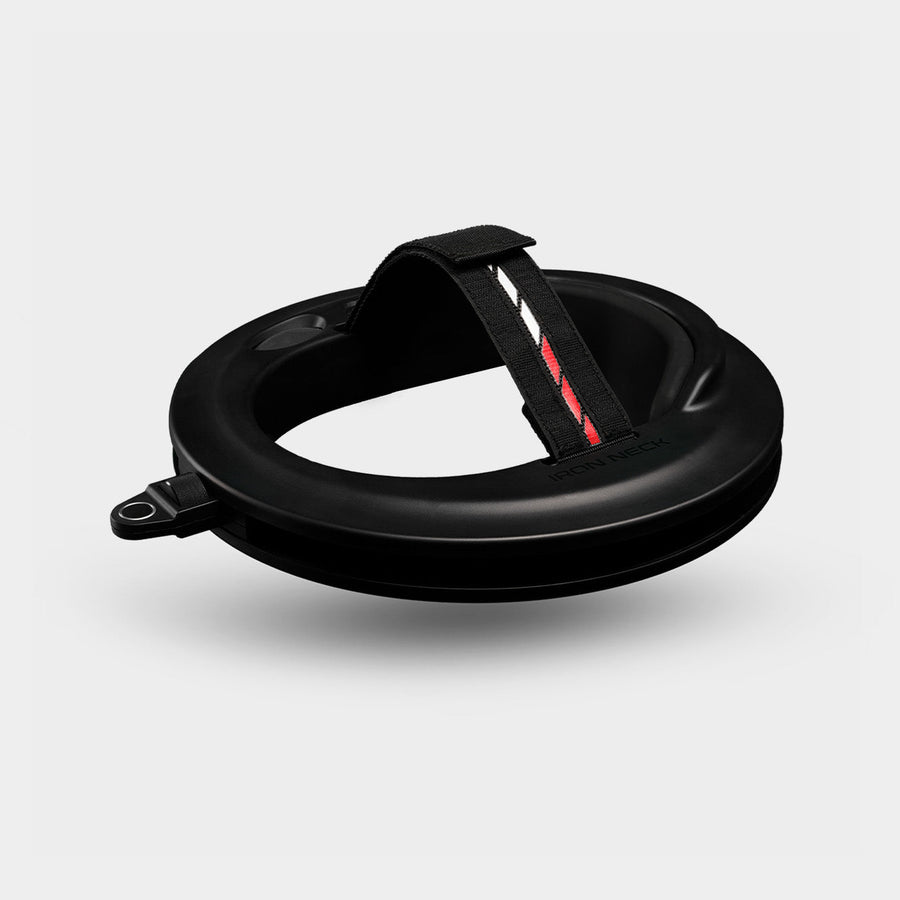
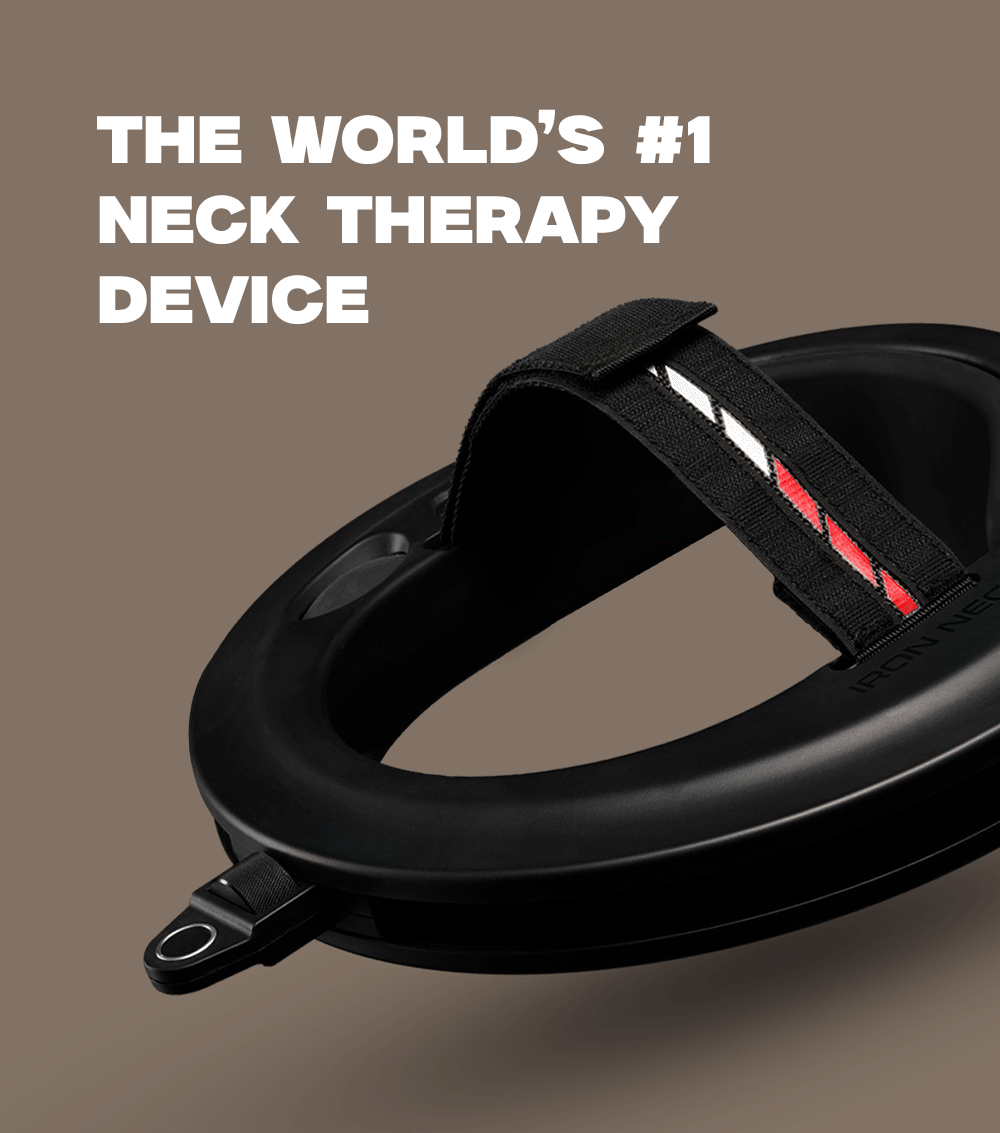
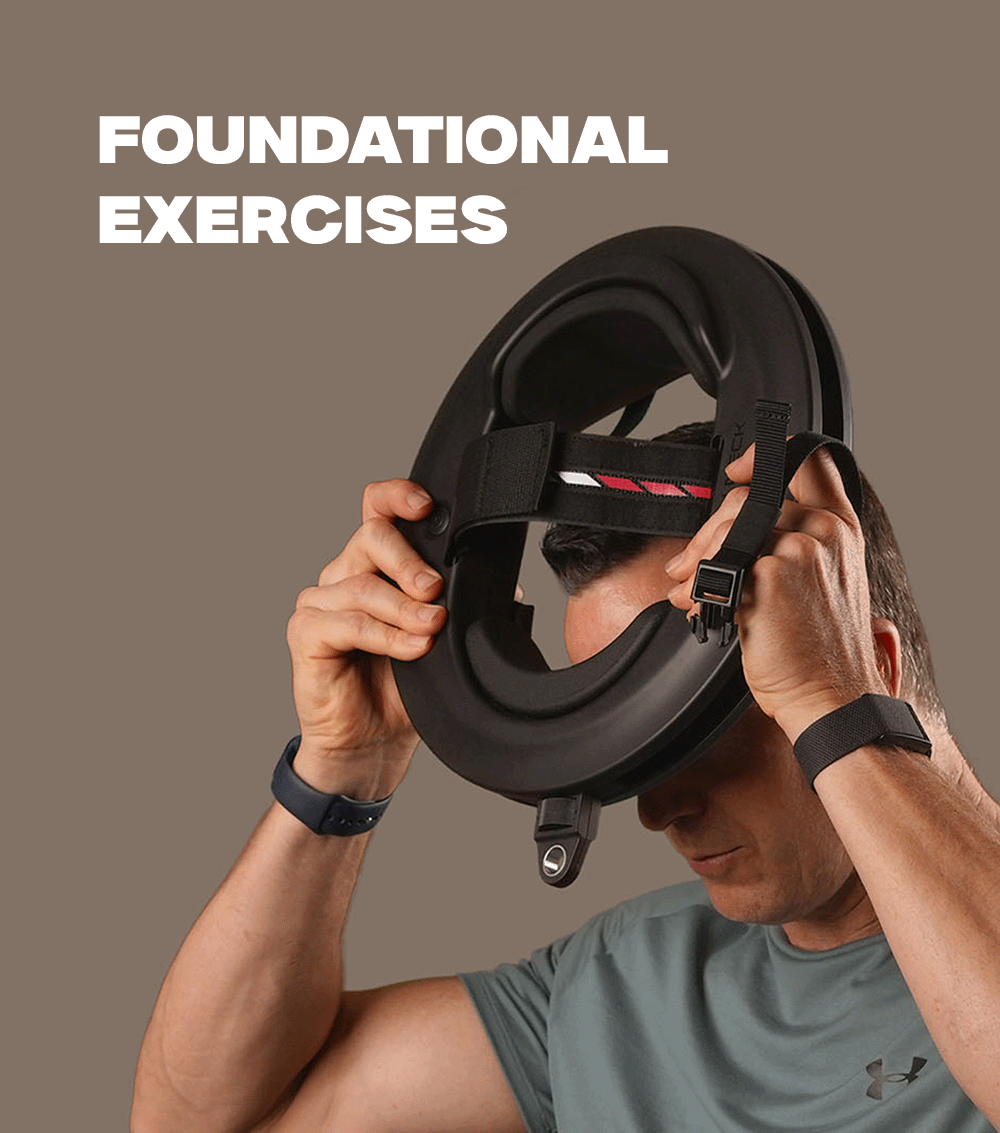
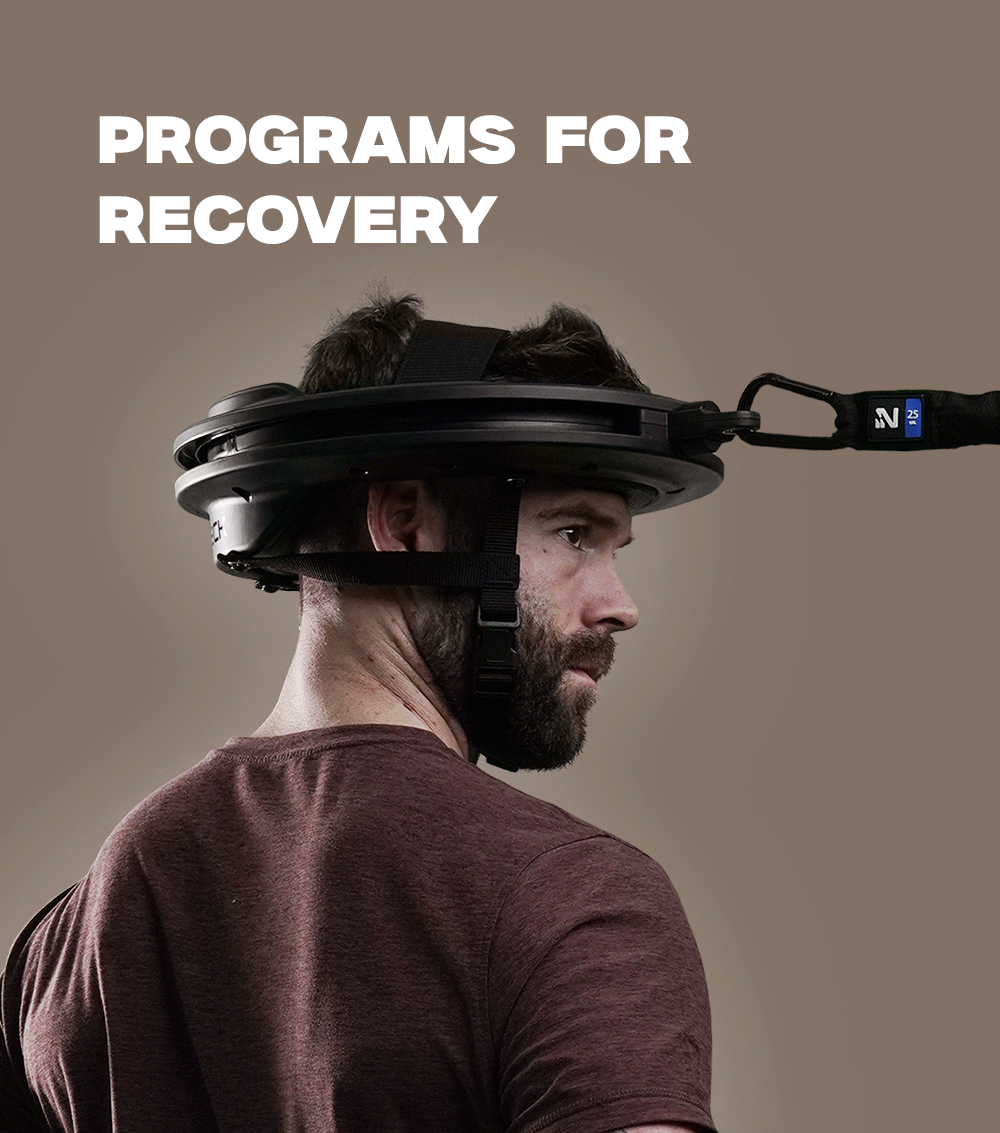
The 360 degree resistance head unit this program is built around, with the anchor and bands you need to train every direction from day one.

We call for an effort level instead of a specific weight, because the right resistance depends on you, the movement, and where you are in your training. For the sets and reps listed on each exercise, pick the resistance that makes the last few reps feel like the level shown.
You finish the set with several clean reps still in the tank. The work stays easy and fully controlled from the first rep to the last.
You could manage a few more reps at the end, but not many. The final reps take real effort while your form holds.
You reach the last prescribed rep with little or nothing left. Completing every rep with good form is genuinely hard.
These are starting points, not rules. Everyone is built differently, so adjust to fit you: size down if your form breaks before the final rep or a movement aggravates a symptom, and only size up once every rep feels smooth and pain free. When you are unsure, choose the lighter option.