




In the relentless pursuit of athletic excellence, the modern sports landscape demands a holistic approach to athlete welfare. While advancements in training methodologies, nutrition, and recovery protocols have become standard, one critical area often remains underserved: comprehensive injury prevention. For athletic directors, strength coaches, school administrators, and gym owners, safeguarding athletes is not just a moral imperative but a strategic necessity, impacting performance, team morale, and institutional reputation. This article delves into the evolving science of sports injury prevention, highlighting established frameworks and spotlighting a crucial, yet frequently overlooked, component: neck training.
The Evolution of Injury Prevention: Lessons from ACL and Shoulder Programs
For decades, sports medicine has championed proactive measures to mitigate athletic injuries. The success of Anterior Cruciate Ligament (ACL) injury prevention programs stands as a testament to this commitment. Research consistently demonstrates that well-structured neuromuscular training programs can reduce ACL injury incidence by at least 50% across various sports and athlete populations [1, 2]. These programs typically involve a combination of plyometrics, strength training, balance exercises, and sport-specific movements, all designed to improve proprioception, neuromuscular control, and landing mechanics.
Similarly, shoulder injury prevention programs have gained traction, particularly for overhead athletes in sports like baseball, volleyball, and swimming. These programs often focus on rotator cuff strengthening, scapular stabilization, and kinetic chain integration to enhance shoulder stability and power while reducing the risk of impingement, tears, and dislocations [3]. While the evidence for shoulder programs can be more mixed than for ACL programs, the underlying principle remains: targeted, consistent training can significantly reduce the likelihood of debilitating injuries.
These established injury prevention frameworks share a common thread: they identify a high-risk area, understand the biomechanical factors contributing to injury, and implement specific training interventions to address those vulnerabilities. They have become integral components of athletic protocols, widely adopted by collegiate programs, professional teams, and even youth sports organizations. However, despite the clear success of these models, a critical component of comprehensive injury prevention often remains conspicuously absent: dedicated neck training.
The Overlooked Advantage: Why Neck Training is a Game-Changer
The Science of Neck Strength and Concussion Prevention
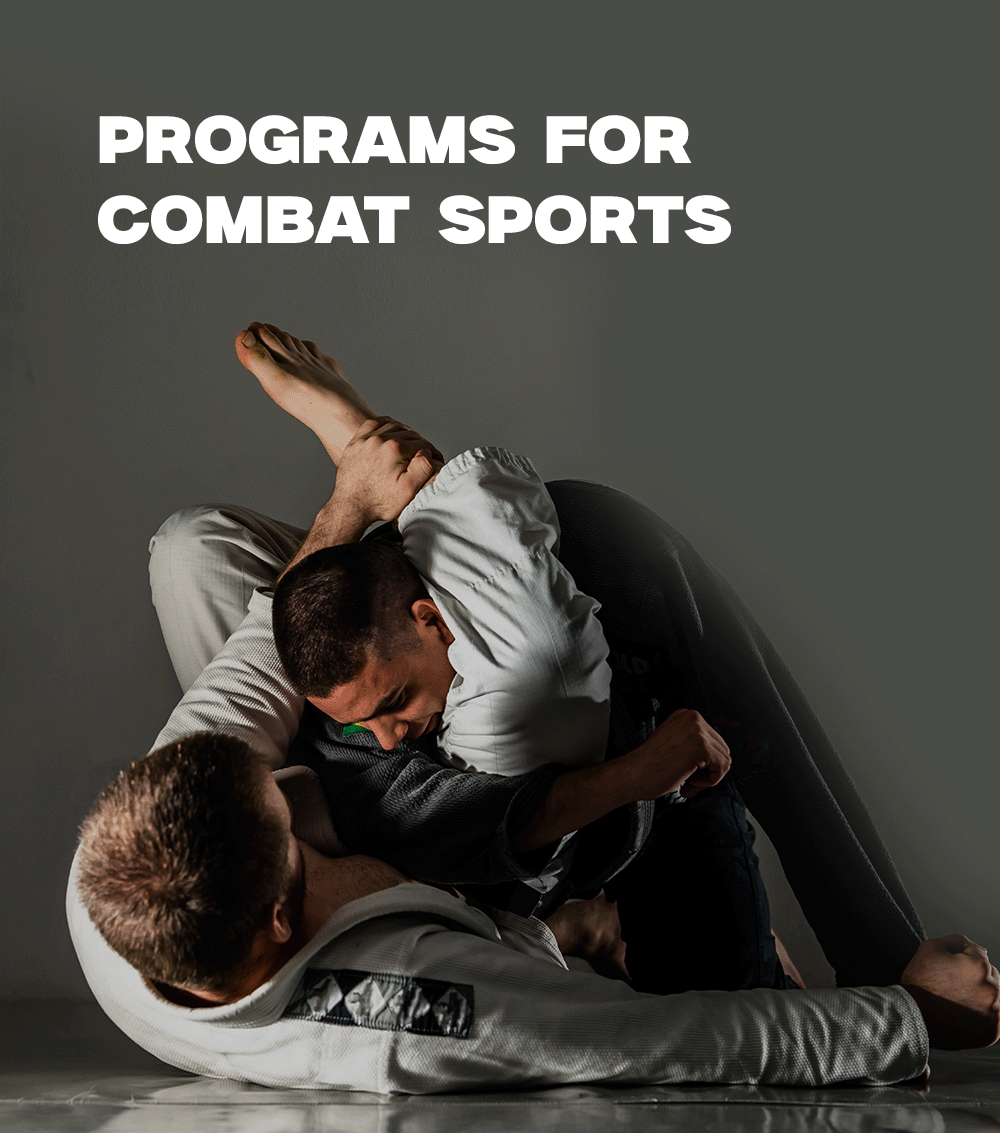
While the importance of neck strength has long been acknowledged in contact sports, its role in broader injury prevention, particularly concussion mitigation, is gaining significant scientific traction. The neck acts as a critical shock absorber for the head, and a stronger, more resilient neck musculature can significantly reduce the forces transmitted to the brain during impacts, falls, or rapid head movements.
Numerous studies and meta-analyses have explored the relationship between neck strength and concussion risk. A systematic review and meta-analysis published in the British Journal of Sports Medicine highlighted that neck exercise interventions can contribute to reducing head acceleration events (HAEs) in sports, which are directly linked to concussion risk [4]. Another meta-analysis specifically investigating the link between neck strength and sports-related concussion in team sports found a significant association between greater neck strength and a lower risk of concussion [5]. While the exact mechanisms are still being elucidated, the prevailing theory suggests that stronger neck muscles can stiffen the cervical spine, thereby reducing the magnitude and duration of head acceleration and deceleration following an impact.
Consider these compelling statistics: athletes with weaker neck muscles have been shown to be at a significantly higher risk of concussion. For instance, some research indicates that for every one-pound increase in neck strength, the odds of concussion may decrease by a small but meaningful percentage [6]. While no single intervention can entirely eliminate concussion risk, optimizing neck strength represents a modifiable factor that can substantially enhance an athlete's resilience against head impacts. This evidence underscores a critical gap in many existing injury prevention protocols: the failure to systematically address neck strength as a primary protective mechanism.
Beyond Concussions: Neck Training for Broader Injury Reduction
While concussion prevention is a primary driver for emphasizing neck training, its benefits extend far beyond mitigating head injuries. A strong and stable neck contributes to overall athletic performance and can reduce the risk of a variety of musculoskeletal injuries throughout the kinetic chain. The cervical spine is a crucial link between the head and the rest of the body, influencing posture, balance, and the efficient transfer of force during athletic movements.
For example, a weak neck can lead to compensatory movements and altered biomechanics in other areas of the body. Athletes with poor neck stability may exhibit compromised shoulder mechanics, increasing their susceptibility to shoulder impingement, rotator cuff strains, and other upper extremity issues. Similarly, the neck’s role in maintaining proper head and spine alignment is fundamental to optimal movement patterns. When the neck musculature is insufficient, it can disrupt this alignment, potentially contributing to lower back pain, hip dysfunction, and even knee problems due to altered kinetic chain sequencing.
Furthermore, in sports involving rapid changes in direction, collisions, or falls, a robust neck provides a stable base for the head, allowing for better visual tracking and reaction times. This enhanced proprioception and control can translate to improved athletic performance and a reduced likelihood of awkward landings or impacts that could lead to sprains, strains, or fractures in other parts of the body. By strengthening the neck, athletic programs are not just addressing a single injury risk; they are investing in a foundational element of athletic resilience that positively impacts the entire athlete.
Making the Institutional Case: Integrating Neck Training into Your Athletic Protocol
For athletic directors, strength coaches, school administrators, and gym owners, the decision to implement new training protocols is often met with questions of cost, time, and perceived necessity. However, the institutional case for integrating neck training into every athletic protocol is compelling, offering significant returns on investment in terms of athlete safety, performance, and long-term health.
Enhanced Athlete Safety and Reduced Injury Liability: The most immediate and impactful benefit is the enhanced safety of athletes. By proactively strengthening the neck, institutions can significantly reduce the risk and severity of concussions and other head/neck injuries. This not only protects the well-being of individual athletes but also mitigates potential liability for the institution. In an era of increasing awareness and litigation surrounding sports-related injuries, demonstrating a commitment to comprehensive injury prevention, including neck training, is paramount.
Improved Athletic Performance: A strong neck is not merely about injury prevention; it's about optimizing performance. Athletes with robust neck musculature exhibit better head control, which translates to improved balance, vision, and reaction time. This can be a decisive factor in sports requiring quick changes in direction, precise movements, or impact absorption. From a strength coach's perspective, a stable cervical spine allows for greater force production and transfer throughout the body, enhancing overall athletic power and efficiency.
Long-Term Athlete Health and Retention: Investing in neck training is an investment in the long-term health and athletic careers of students and members. By reducing the incidence of debilitating injuries, institutions can foster a more positive and sustainable athletic environment. Athletes who feel safe and supported are more likely to remain engaged in sports, contributing to higher participation rates and a stronger athletic community. For gym owners, offering cutting-edge, evidence-based training like neck strengthening can be a significant differentiator, attracting and retaining dedicated members.
Competitive Advantage: In the highly competitive landscape of collegiate and professional sports, any edge can make a difference. Institutions that prioritize comprehensive injury prevention, including neck training, can gain a competitive advantage by fielding healthier, more resilient athletes. This commitment to athlete welfare can also be a powerful recruiting tool, attracting top talent who recognize the value of a truly holistic development program.
Addressing Common Objections and Implementation Challenges
Despite the compelling evidence, integrating neck training into existing athletic protocols can present challenges. Common objections often revolve around time constraints, perceived complexity, and a lack of familiarization with effective neck training methodologies and equipment. Addressing these concerns proactively is crucial for successful implementation.
Time Constraints: Coaches and athletic directors operate under tight schedules, and adding another component to an already packed training regimen can seem daunting. However, effective neck training doesn't require extensive time. Short, focused sessions (5-10 minutes, 2-3 times per week) can yield significant results. The key is integration – weaving neck exercises into warm-ups, cool-downs, or existing strength training routines rather than treating them as an entirely separate, time-consuming activity.
Perceived Complexity: Some may view neck training as complex or risky. This perception often stems from a lack of education or experience. Modern neck training equipment and protocols are designed to be safe, effective, and easy to implement, even for large groups of athletes. Emphasizing proper technique and progressive overload, just as with any other strength exercise, ensures safety and maximizes benefits.
Lack of Familiarization and Equipment: Many athletic programs may not have dedicated neck training equipment or staff experienced in its application. This is a legitimate hurdle, but one that can be overcome through education, professional development, and strategic investment in appropriate tools. Workshops, online courses, and consultations with experts can quickly upskill coaching staff. Furthermore, investing in versatile, user-friendly neck training devices can make implementation seamless and accessible to all athletes.
Buy-in from Athletes and Staff: For any new program to succeed, buy-in from both athletes and coaching staff is essential. Educating athletes on the direct benefits of neck training – not just for injury prevention but also for performance enhancement – can foster motivation. For staff, providing clear protocols, ongoing support, and demonstrating the ease of integration can alleviate concerns and build confidence.
Practical Programming: Implementing Effective Neck Training
Implementing effective neck training doesn't require a complete overhaul of existing programs. Instead, it involves strategic integration of specific exercises that target the various muscle groups of the cervical spine. The goal is to build strength, endurance, and control in all planes of motion.
Key Principles of Neck Training:
- Progressive Overload: Like any other muscle group, the neck muscles respond to progressive resistance. Start with lighter loads or bodyweight and gradually increase resistance, repetitions, or time under tension.
- Multi-Directional Training: The neck moves in multiple planes (flexion, extension, lateral flexion, rotation). A comprehensive program should address all these movements to ensure balanced strength and stability.
- Consistency: Short, frequent sessions are often more effective than infrequent, long sessions. Aim for 2-3 sessions per week.
- Proper Form: Emphasize controlled movements and avoid jerking or excessive range of motion, especially when starting. Quality over quantity is paramount to prevent injury.
- Integration: Incorporate neck exercises into existing warm-ups, accessory work, or cool-downs to maximize efficiency and adherence.
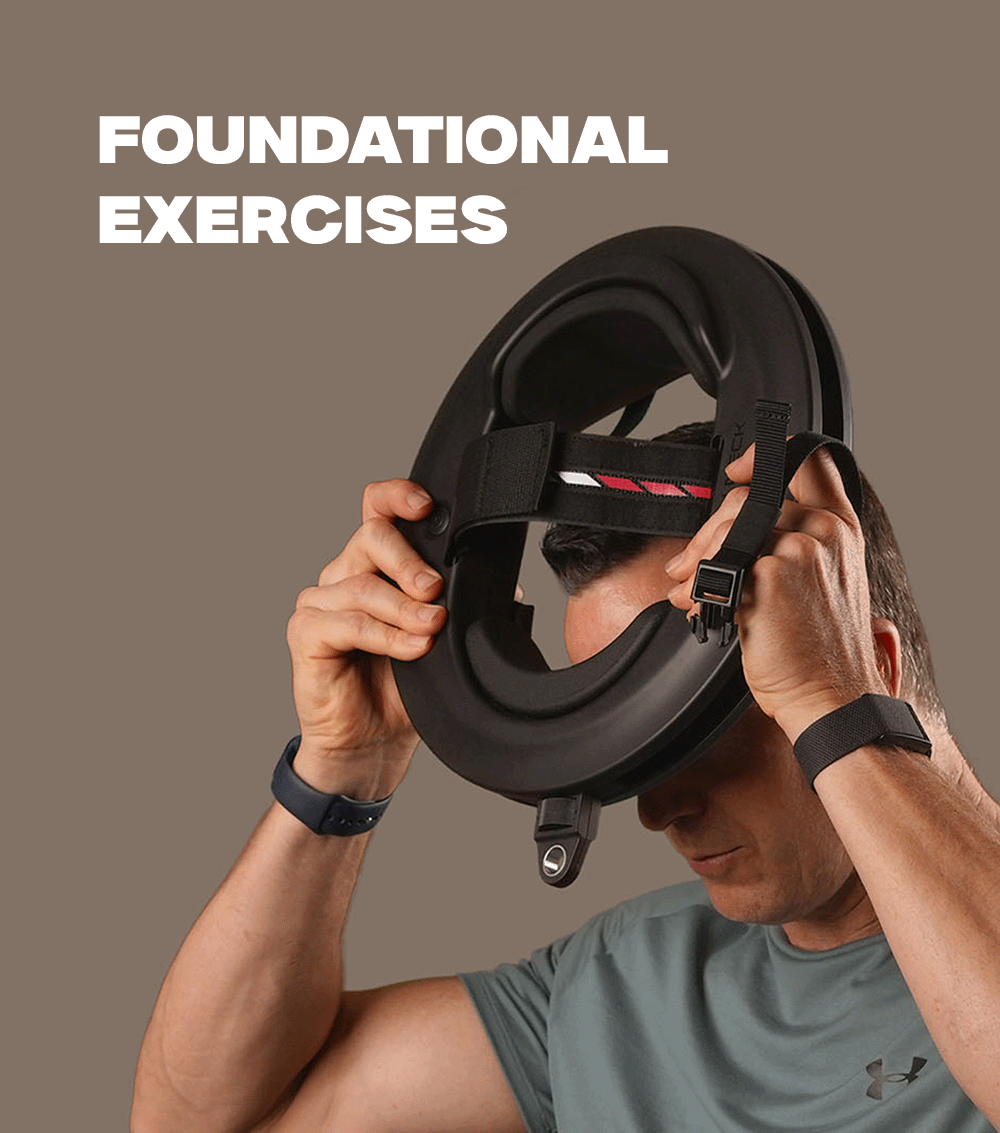
Sample Neck Training Exercises (can be performed with or without specialized equipment):
- Isometric Holds: Resist movement in various directions (forward, backward, side-to-side) using your hand or a partner. Hold for 5-10 seconds, 3-5 repetitions per direction.
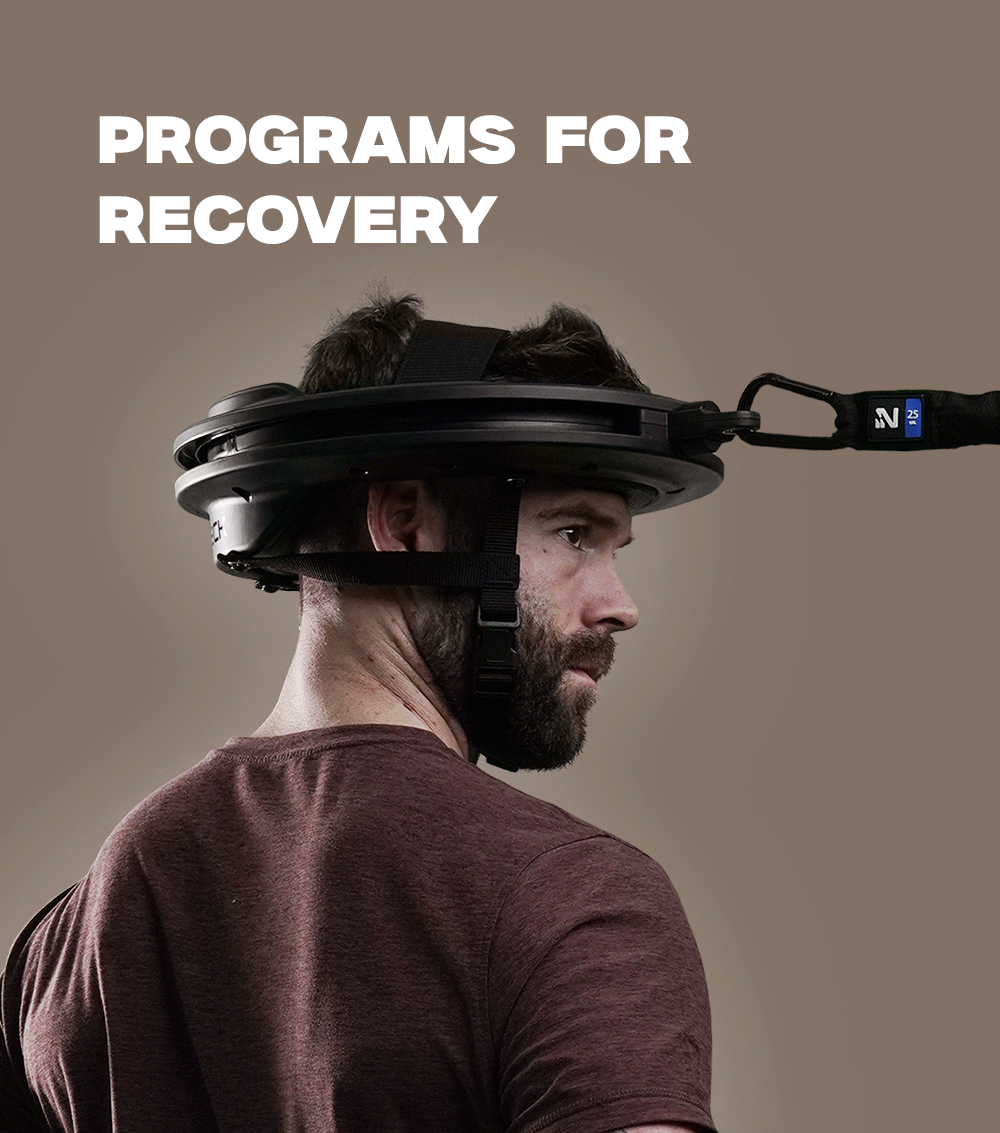
- Banded Neck Flexion/Extension/Lateral Flexion: Use a resistance band anchored to a stable object or held by a partner to provide resistance through the full range of motion.
- Plate Neck Bridges: For more advanced athletes, carefully performing neck bridges with light plates on the forehead (for extension) or sides of the head (for lateral flexion) can build significant strength. Caution: This exercise requires proper technique and supervision.
- Dynamic Neck Rotations: Controlled, slow rotations of the head and neck to improve mobility and control.
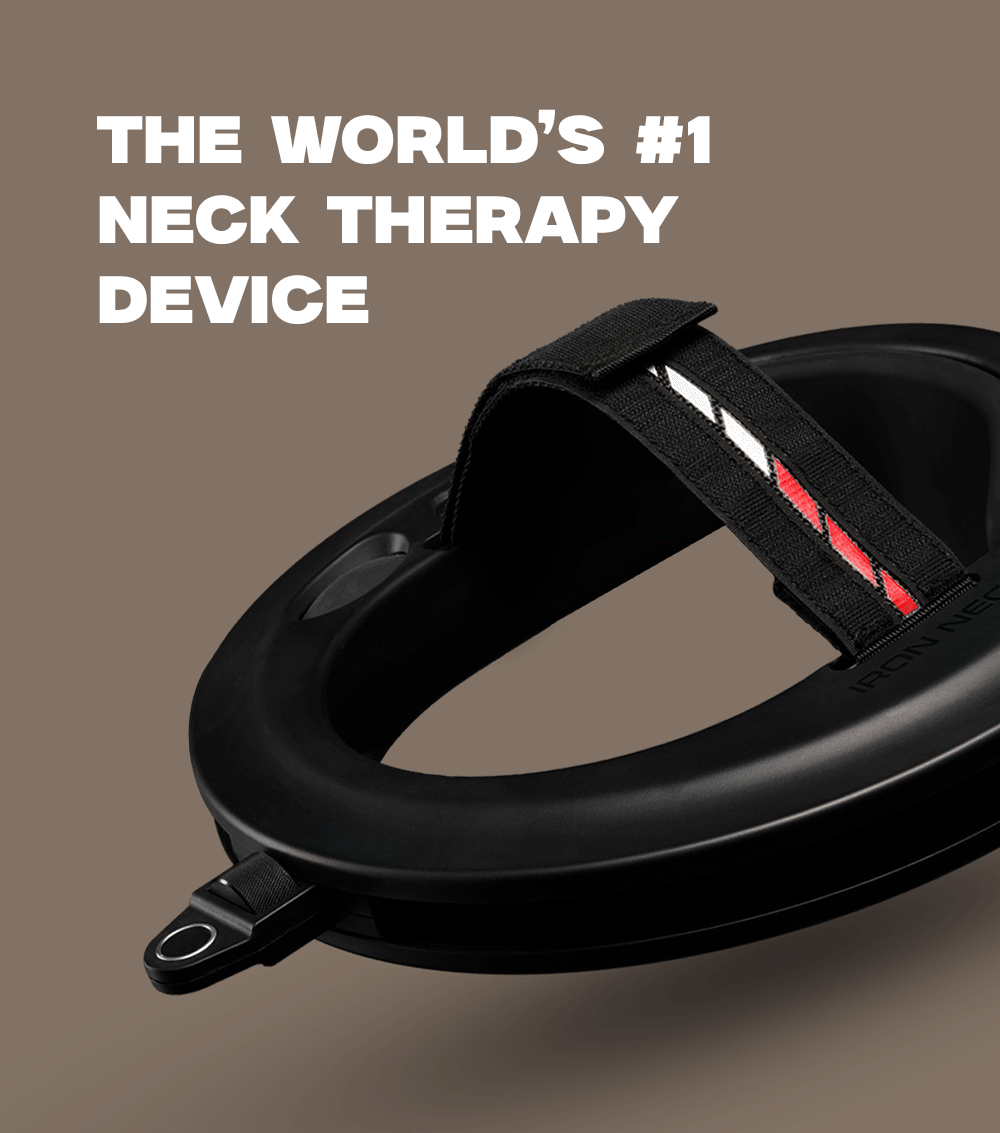
Introducing the Iron Neck Training Device
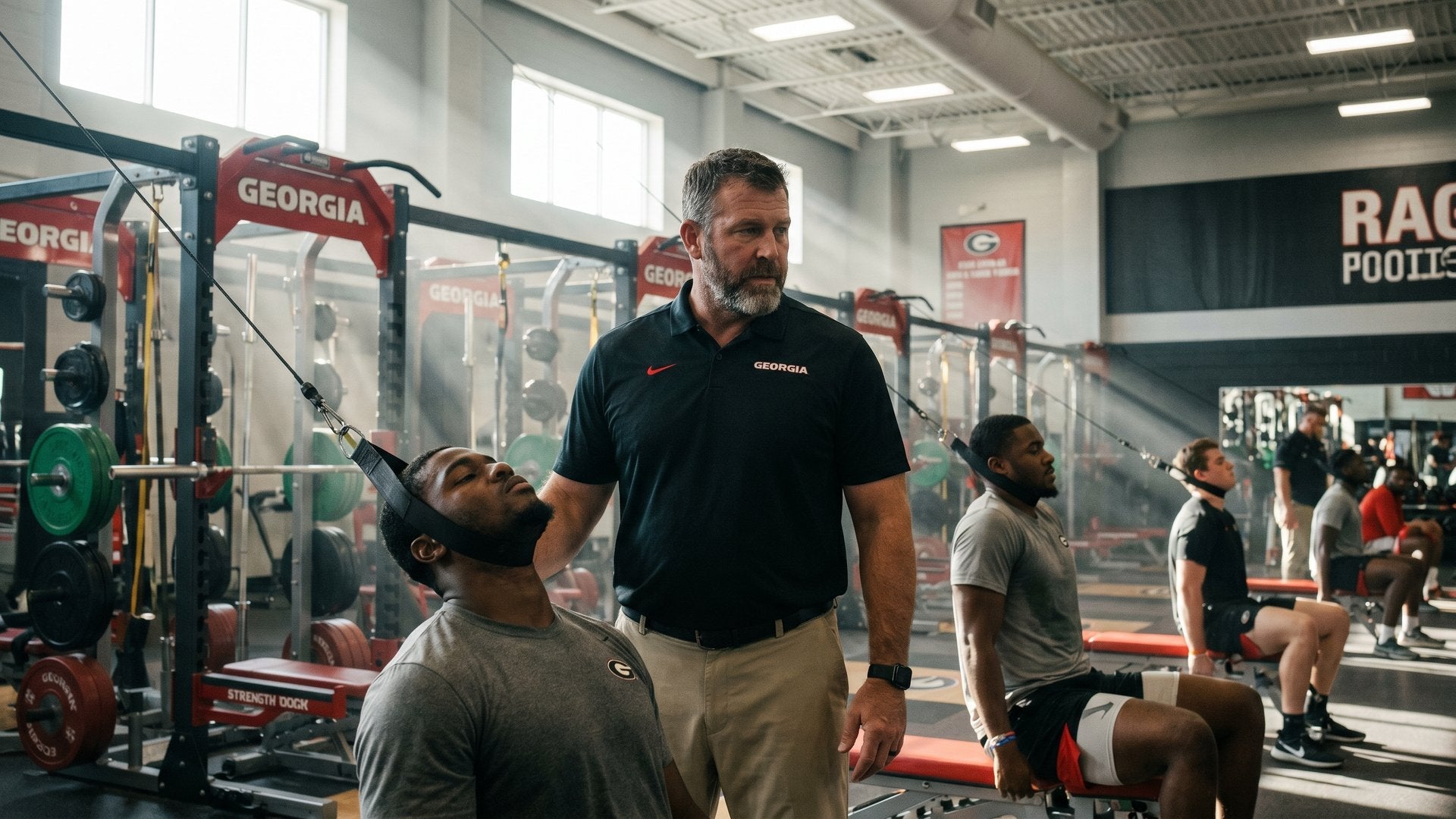
While many neck exercises can be performed with minimal equipment, specialized tools can significantly enhance the effectiveness, safety, and efficiency of neck training, particularly in an institutional setting. The Iron Neck training device is a prime example of such innovation.
The Iron Neck provides 360-degree rotational resistance, allowing athletes to train their neck muscles through a full range of motion in all planes. This dynamic resistance is crucial for developing the comprehensive strength and stability needed to withstand impacts and control head movements in sports. Its intuitive design makes it easy to integrate into existing training routines, offering a safe and effective way to apply progressive overload to the cervical musculature. For athletic programs looking to implement a serious, evidence-based neck training protocol, the Iron Neck offers a versatile and highly effective solution.
Key Takeaways
- Neck training is a critical, often overlooked, component of comprehensive sports injury prevention programs. It offers comparable or superior evidence for injury reduction compared to established ACL and shoulder programs.
- Stronger neck musculature significantly reduces the risk and severity of concussions by acting as a shock absorber and limiting head acceleration during impacts.
- Beyond concussions, neck strength contributes to overall athletic performance by improving head control, balance, reaction time, and optimizing kinetic chain mechanics, thereby reducing the risk of other musculoskeletal injuries.
- Institutions benefit from neck training through enhanced athlete safety, reduced liability, improved performance, and a competitive advantage. It fosters long-term athlete health and retention.
- Effective neck training can be integrated efficiently into existing athletic protocols with short, focused sessions and proper equipment, addressing common objections related to time and complexity.
- Specialized tools like the Iron Neck training device provide a safe, effective, and versatile solution for implementing comprehensive neck training programs in institutional settings.
Frequently Asked Questions (FAQ)
- Q: How much time does neck training require?
- A: Effective neck training can be achieved with short, focused sessions of 5-10 minutes, 2-3 times per week. It can be easily integrated into existing warm-ups, cool-downs, or strength training routines.
- Q: Is neck training only for contact sports?
- A: While crucial for contact sports, neck training benefits all athletes by improving overall athletic performance, balance, reaction time, and reducing the risk of various musculoskeletal injuries, not just concussions.
- Q: What kind of equipment is needed for neck training?
- A: Basic neck exercises can be done with bodyweight or resistance bands. However, specialized tools like the Iron Neck training device offer dynamic, multi-directional resistance for more comprehensive and efficient training, especially in institutional settings.
- Q: How does neck strength reduce concussion risk?
- A: A stronger neck acts as a natural shock absorber, stiffening the cervical spine during impacts. This reduces the magnitude and duration of head acceleration and deceleration, thereby lowering the forces transmitted to the brain and decreasing concussion risk.
- Q: Can neck training improve athletic performance?
- A: Yes, a strong and stable neck improves head control, which translates to better balance, visual tracking, and reaction time. It also enhances the efficient transfer of force throughout the body, contributing to overall athletic power and efficiency.
- Q: How can we get buy-in from athletes and staff for neck training?
- A: Educate athletes on the direct benefits for both injury prevention and performance. For staff, provide clear protocols, ongoing support, and demonstrate the ease of integrating neck exercises into existing programs. Investing in user-friendly equipment also helps.

Leave a comment
This site is protected by hCaptcha and the hCaptcha Privacy Policy and Terms of Service apply.