




Parent and Athlete Communication in Football: Preseason Meetings, Consent, and Injury Protocols
Effective communication between football programs and the families they serve is both a legal requirement and a best practice. Parents who understand the risks of football, the safety protocols in place, and the procedures for handling injuries are better partners in athlete safety. They are also less likely to become adversaries when injuries occur.
This guide covers the key elements of parent and athlete communication for football programs: preseason meetings, consent documentation, injury communication protocols, and coach certification disclosures.
The Preseason Parent Meeting
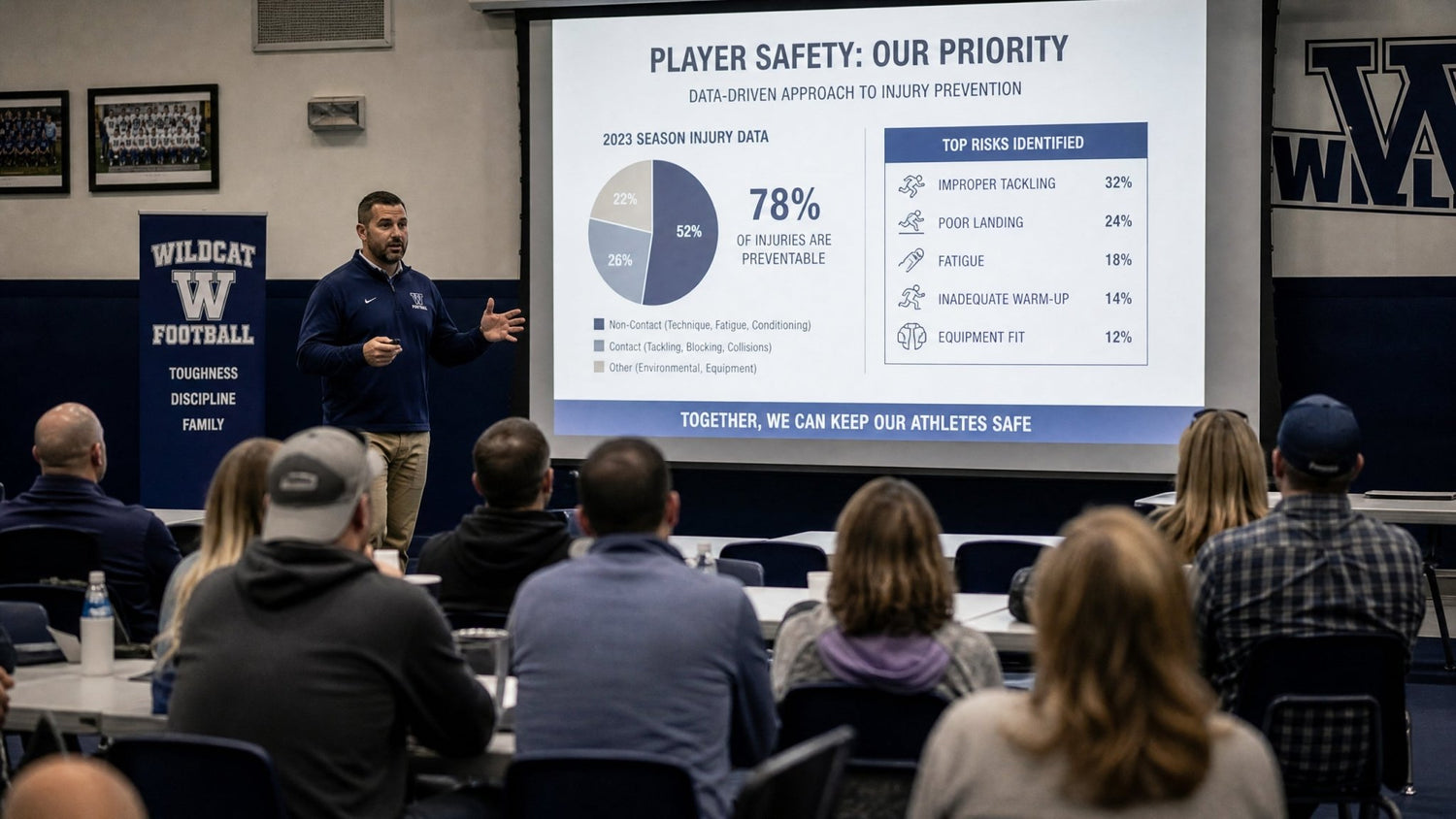
A preseason parent meeting — held before the first practice — is the most important communication opportunity of the year. It sets expectations, builds trust, and ensures that parents have the information they need to support their athlete's participation safely.
What to Cover
The risks of football: Be honest about the physical demands and injury risks of the sport. Parents who are surprised by injuries are more likely to respond with anger and litigation. Parents who understood the risks from the beginning are more likely to respond with partnership.
Your safety protocols: Walk through your concussion protocol, heat safety procedures, emergency action plan, and equipment standards. Explain what happens when an athlete is injured — who makes the call, who communicates with the family, and what the return-to-play process looks like.
Concussion education: Most states require that parents receive concussion education materials annually. The CDC's Heads Up program provides free, state-approved materials. Review the signs and symptoms of concussion and explain your no-same-day-return policy.
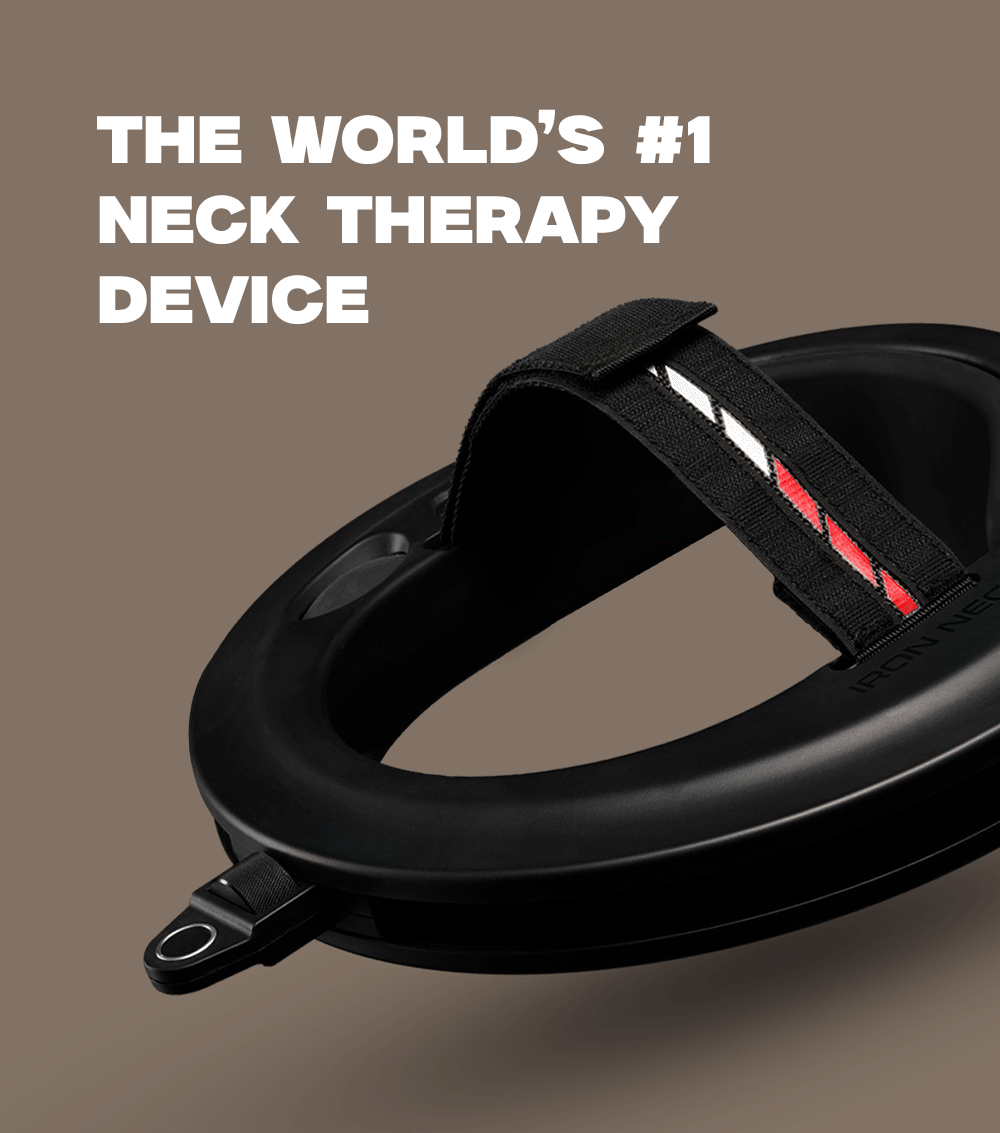
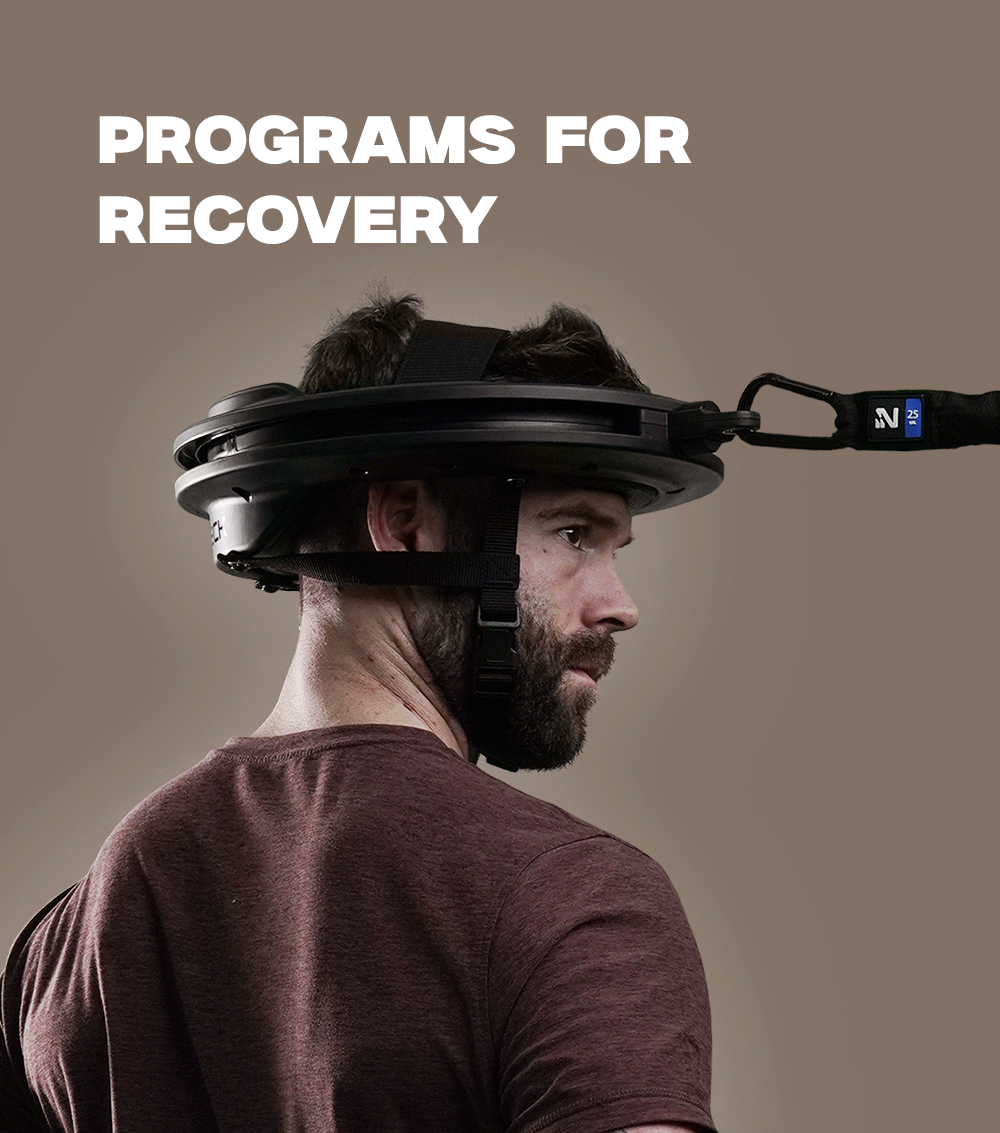
Neck strength training: Explain your neck conditioning program and why it is part of your safety protocol. Parents who understand that neck strength training reduces concussion risk are more likely to support it and encourage their athletes to take it seriously.
Communication channels: Explain how you will communicate with families about injuries, schedule changes, and program updates. Provide contact information for the head coach, athletic trainer, and athletic director.
Documentation
Provide parents with a written summary of the key points covered in the meeting. Keep a sign-in sheet documenting attendance. For parents who cannot attend, provide the materials in writing and document that they were sent.
Consent Documentation
Informed consent for athletic participation is a legal requirement in most states. The consent document should include:
- A description of the sport and its physical demands
- A disclosure of the known risks, including concussion, musculoskeletal injury, heat illness, and cardiac events
- A description of the safety protocols in place
- An acknowledgment that the parent/guardian has received and reviewed the concussion information sheet
- Authorization for emergency medical treatment
- A signature line for the parent/guardian and the athlete (if over 18, the athlete signs alone)
Consent documents should be reviewed by legal counsel before use and updated annually to reflect any changes in state law or program policy. Keep signed consent documents on file for a minimum of three years.
Injury Communication Protocols
How programs communicate about injuries has significant implications for trust, liability, and athlete welfare. A clear injury communication protocol prevents the confusion and miscommunication that can damage relationships and create legal exposure.
Acute Injury Communication
When a significant injury occurs:
- The athletic trainer or team physician is the primary medical communicator — coaches should not provide medical assessments to parents
- Contact the parent or guardian as soon as the athlete is stabilized — do not wait until the end of practice
- Provide factual information about what happened and what the immediate response was; avoid speculation about diagnosis or prognosis
- Explain the next steps: who will evaluate the athlete, when, and how the family will be updated
Concussion Communication
When an athlete is removed from play for suspected concussion:
- Notify the parent or guardian the same day, before the athlete leaves the facility
- Provide the concussion information sheet if not already provided
- Explain the no-same-day-return policy and the return-to-play protocol
- Provide the name and contact information of the healthcare provider who will clear the athlete for return
Coach Certification Disclosures
Many states require that coaches complete annual concussion recognition training and, in some cases, heat safety training. Some states require programs to disclose coach certification status to parents upon request.
Best practice: proactively disclose coach certification status at the preseason parent meeting. List the certifications held by each coach and the date of most recent completion. This demonstrates program commitment to safety and builds parental confidence.
Certifications to disclose:
- Concussion recognition training (required in most states)
- CPR/AED certification
- Heat safety training
- USA Football Heads Up certification (if applicable)
- Strength and conditioning certifications (CSCS, SCCC) for S&C staff
In-Season Communication
Communication should not end after the preseason meeting. Maintain regular communication with families throughout the season:
- Weekly injury updates (aggregate, not individual — individual injury information is confidential) to keep parents informed of the program's health status
- Prompt communication about any significant safety incidents or policy changes
- End-of-season communication summarizing the year's safety record and any protocol changes planned for next season
Programs that communicate proactively build the trust that makes difficult conversations — when injuries occur — more manageable for everyone involved.

Leave a comment
This site is protected by hCaptcha and the hCaptcha Privacy Policy and Terms of Service apply.