



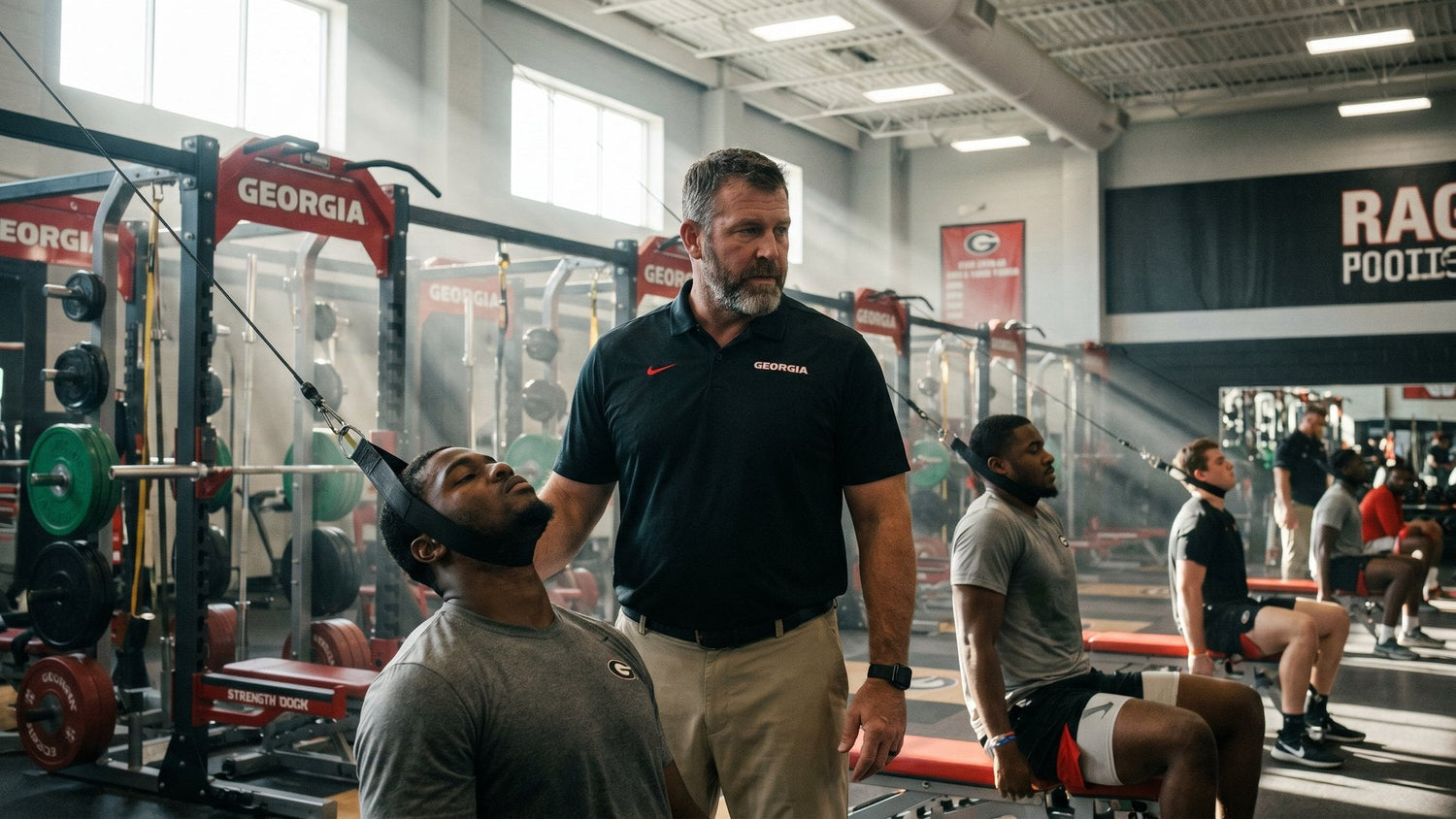
In the high-stakes world of elite athletics, where milliseconds and millimeters can dictate victory or defeat, every advantage counts. While much attention is rightly given to optimizing strength, speed, and agility, one critical area often remains overlooked: neck strength. For athletic directors, strength coaches, school administrators, and gym owners, understanding the profound impact of a robust neck on both performance and injury prevention is paramount. The prevalence of concussions and other head and neck injuries in contact sports, from the gridiron of the NFL to the mats of collegiate wrestling and professional MMA, underscores an urgent need for comprehensive protective strategies.
Elite athletic programs have long recognized this imperative, integrating sophisticated neck training protocols into their regimens. These aren't just about building bulk; they're about enhancing stability, improving reaction time, and ultimately, safeguarding athletes. This article delves into the cutting-edge neck training methodologies employed by top-tier organizations, demonstrating how these advanced protocols, once exclusive to professional circuits, are now accessible to high school and college programs through innovative tools like the Iron Neck training device. We will explore the science, the strategies, and the practical applications that can elevate your program and protect your athletes.
The Science Behind Neck Strength and Injury Prevention
The human neck, a complex structure of bones, muscles, and nerves, serves as the critical link between the head and torso. Its primary functions include supporting the head's weight, facilitating a wide range of movements, and, crucially, protecting the delicate brain and spinal cord from external forces. In sports, particularly those involving high-speed impacts or repetitive collisions, the neck's ability to absorb and dissipate energy becomes a vital determinant of athlete safety and performance.
Concussion and Traumatic Brain Injury (TBI) Risk
The specter of concussions and traumatic brain injuries (TBIs) looms large over modern sports. Statistics paint a stark picture: a WebMD article cited by the NFL reported that 70% of all NCAA college football players experience some type of neck injury during their collegiate careers [1]. While not all neck injuries are concussions, the correlation between neck strength and concussion risk is increasingly evident. Research indicates that a stronger neck can significantly reduce linear and rotational head accelerations upon impact, thereby minimizing the forces transmitted to the brain [2, 3].
The long-term consequences of repeated head impacts, including the devastating effects of Chronic Traumatic Encephalopathy (CTE), further emphasize the need for proactive measures. While neck strengthening alone cannot eliminate the risk of TBI or CTE, it represents a modifiable risk factor that can substantially mitigate the severity and incidence of these injuries. By enhancing the neck's capacity to resist deformation and stabilize the head, athletes are better equipped to withstand the rigors of their sport.
Anatomical and Neurological Factors
Effective neck training extends beyond superficial muscle development, targeting a confluence of anatomical and neurological factors that contribute to overall head and neck stability:
- Cervical Range of Motion (CROM): Optimal CROM, encompassing flexion, extension, lateral flexion, and rotation, is essential for both performance and injury prevention. However, excessive flexibility without corresponding strength can be detrimental. Controlled, loaded exercises that enhance CROM while building strength are crucial [4].
- Deep Cervical Muscles: The neck comprises over 20 muscles supporting its seven vertebrae. Deep cervical muscles, such as the longus capitis and longus colli, play a vital role in stabilizing the spine and maintaining proper head posture, contributing to muscular endurance and mobility [5].
- Sensorimotor Control and Proprioception: These factors relate to effective joint position, balance, and cervical control. Proprioceptive deficits, often stemming from pain or injury, can negatively impact head position control and increase concussion risk. Studies have shown that improved sensorimotor control is the second most modifiable risk factor for concussion after neck strength [6].
The Concept of Neck Stiffness
In the context of sports performance and injury prevention, the term "neck stiffness" refers to the ability of the neck muscles to contract and resist deformation upon impact [7]. This inherent stiffness, coupled with the strength of the neck and shoulders, plays a pivotal role in stabilizing the head by optimizing the trunk-neck-head coupling mechanism. For instance, the sternocleidomastoid (SCM) muscles are crucial in stabilizing the head against both linear and rotational accelerations [8]. A well-developed trunk-neck-head coupling allows for efficient force transfer and absorption, reducing the likelihood of whiplash-type injuries and mitigating the forces that can lead to concussions.
Elite Programs' Approach to Neck Training
The understanding of neck strength as a performance enhancer and injury deterrent has led elite athletic programs across various sports to integrate specialized neck training protocols. These programs recognize that a strong neck is not merely about aesthetics but is a fundamental component of an athlete's overall resilience and readiness for competition.
NFL and College Football
In the high-impact world of American football, neck training has become an indispensable part of player conditioning. NFL teams and top collegiate programs employ comprehensive strategies to fortify their athletes' necks. Exercises often go beyond traditional shrugs and focus on multi-directional strength and stability. Common exercises include:
- Cervical Slides: These exercises target the deep cervical muscles responsible for stabilizing the neck. Performed by lying face up and maintaining a slight gap between the head and the surface, they build foundational strength and endurance [1].
- Isometric Cervical Holds: Athletes perform isometric contractions against resistance (either from a partner or their own hand) in various directions—forward, backward, side-bending, and rotation. This builds static strength and the ability to brace for impact [1].
- Manual Resistance: Often referred to as partner training, this involves a coach or partner providing resistance against the athlete's neck movements, allowing for variable resistance and sport-specific angles [9].
Many college-level programs train the neck up to three times per week, emphasizing consistency and progressive overload [9]. The goal is not just to increase muscle mass but to enhance the neck's ability to absorb and distribute forces effectively, thereby reducing the risk of injury during collisions.
Combat Sports (UFC, Boxing, MMA)
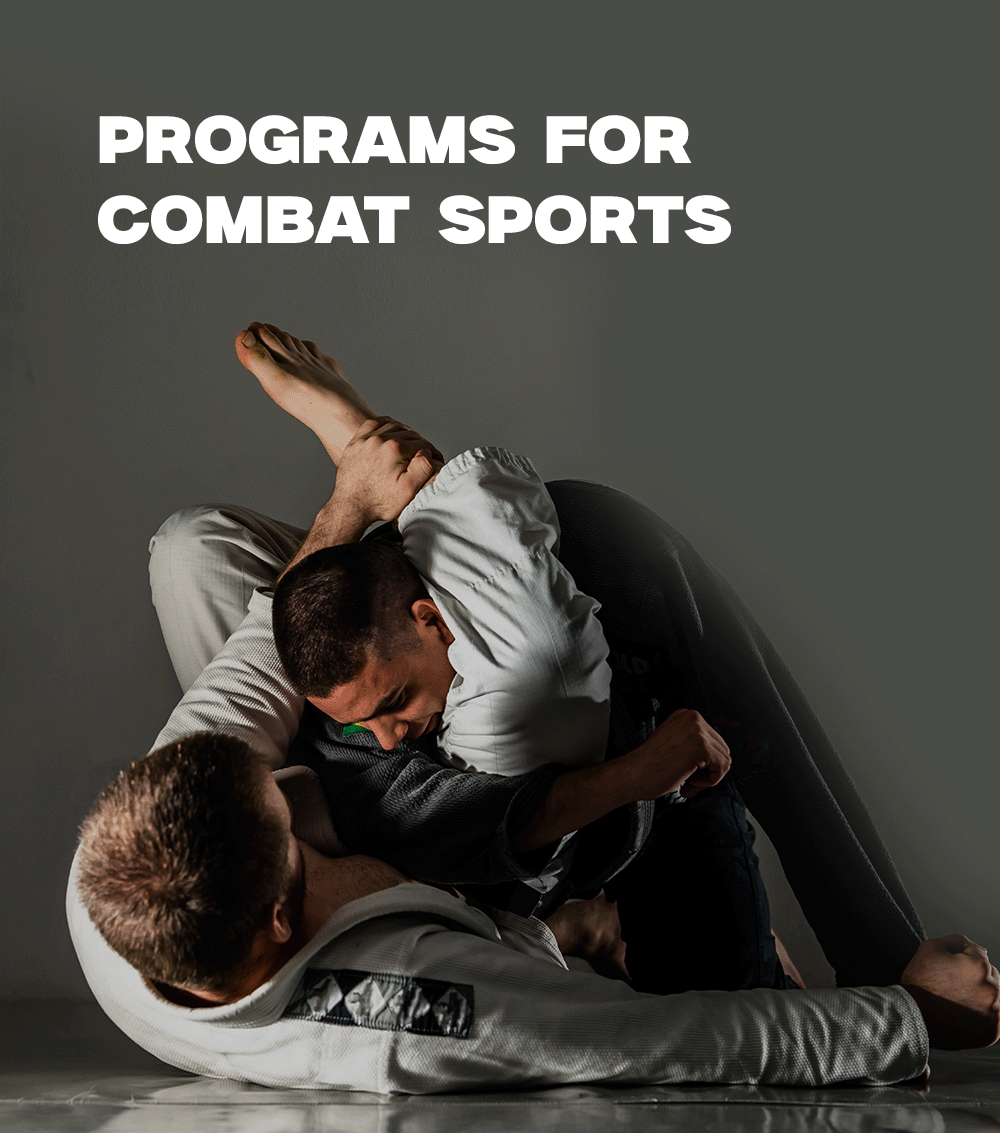
Combat sports, by their very nature, involve direct and repeated impacts to the head and neck. Consequently, neck training is a cornerstone of conditioning for professional boxers, MMA fighters, and wrestlers. The UFC Performance Institute (UFC PI) has developed a sophisticated approach to neck conditioning, often referred to as their "neck matrix." This matrix systematically progresses athletes through different types of strength:
- Static Strength: Foundational holds to build isometric capacity.
- Slow Dynamic Strength (SDS): Controlled movements with resistance to develop muscular endurance and strength through a range of motion.
- Fast Dynamic Strength (FDS): Rapid, powerful movements to enhance rate of force development.
- Reactive Strength: Training the neck to react quickly and brace for unexpected impacts.
The UFC PI also emphasizes specific neck strength ratios. For instance, target ratios for MMA athletes include a flexion:extension ratio of 0.8:1 and a flexion:lateral flexion ratio of 0.8:1, reflecting the sport-specific demands where lateral flexors are often highly developed [2]. The high incidence of neck injuries in grappling (16% of all injuries) and cervical joint pain (6.9%) in UFC athletes underscores the critical need for this specialized training [2].
Key Principles from Elite Programs
Across these elite athletic environments, several overarching principles guide effective neck training:
- Systematic and Progressive Overload: Like any other muscle group, the neck responds to consistent, progressively challenging stimuli. Programs are periodized to ensure athletes build foundational strength before advancing to more dynamic and reactive exercises.
- Sport-Specific Profiling and Normative Data: Elite programs conduct thorough assessments to establish baseline neck strength, range of motion, and symmetry. This data helps identify weaknesses and tailor training to the specific demands of the athlete's sport and position. For example, rugby players often have greater isometric strength on their preferred tackling side, which can increase concussion risk due to suboptimal cervical positioning [2].
- Prioritizing Strength First, Then Reactive Capability: Early training phases focus on building maximal strength and strength-endurance. Once a solid foundation is established, the emphasis shifts to improving the rate of force development and reactive speed, enabling athletes to brace quickly and powerfully for impact [2].
- Cognitive and Muscular Training for Reaction Time: Beyond physical strength, elite programs integrate neurocognitive training to enhance spatial awareness, response inhibition, and decision-making. The ability to anticipate and brace for impact significantly reduces the magnitude of the head's kinematic response [2].
Iron Neck: Bridging the Gap for High School and College Programs
While elite professional programs often have access to state-of-the-art equipment and dedicated staff, high school and college athletic departments may face resource constraints. This is where innovative tools like the Iron Neck training device become invaluable, enabling these programs to implement the same sophisticated neck training protocols as their professional counterparts.
How Iron Neck Facilitates Elite Protocols
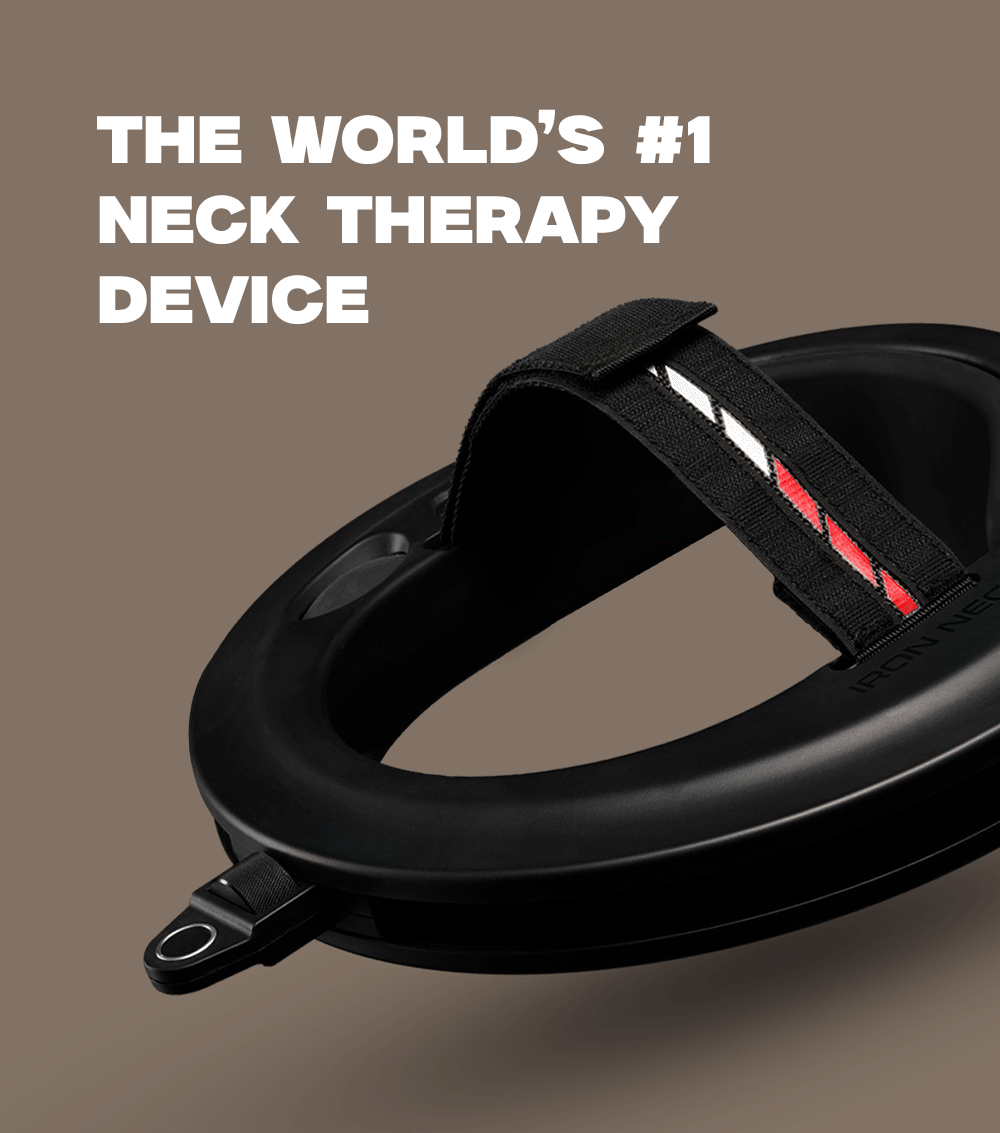
The Iron Neck device is designed to provide comprehensive, 360-degree resistance training for the cervical musculature, addressing the multi-directional forces athletes encounter in competition. Its unique design allows for:
- 360-Degree Resistance: Unlike traditional neck harnesses that often provide resistance in only one or two planes, the Iron Neck challenges all muscles in the neck across every angle, crucial for contact sports where impacts can come from any direction [10].
- Dynamic Movement Patterns and Varied Resistance: The device allows for both isometric holds and dynamic movements, with adjustable resistance settings that cater to athletes of varying strength levels. This versatility enables coaches to simulate sport-specific movements and progressively overload the neck muscles.
- User-Friendly Equipment for Coaches: Iron Neck simplifies the integration of neck strength training into existing strength and conditioning routines. Coaches can easily incorporate Iron Neck workouts into warm-ups, cool-downs, or dedicated neck-strengthening sessions [10].
- Educational Resources and Training Protocols: Iron Neck provides extensive support to coaches, including instructional videos developed with professional and collegiate strength and conditioning coaches, exercise libraries, and structured training protocols. This empowers coaches with the knowledge and tools to implement effective programs [10].
Integrating Iron Neck into Existing Programs
The adaptability of the Iron Neck makes it an ideal tool for seamless integration into any athletic program:
- Warm-up Integration: Neck exercises focusing on posture or proprioception can be incorporated into the activation component of a warm-up, preparing athletes for the demands of training or competition [2].
- Accessory Exercise or Rest Activity: Coaches can program neck exercises immediately after a primary lift, allowing athletes to actively recover while still being productive. This maximizes efficiency within a training session [2].
- Examples of Iron Neck Exercises: Exercises like Iron Neck rotation (slow dynamic strength), lateral walkouts, and various resistance band movements can be performed in different postures (e.g., tall kneeling, quadruped) to enhance sport specificity and trunk-neck-head coupling [2].
- Adjustable Resistance for Varying Skill Levels: The Iron Neck's adjustable resistance ensures that athletes at all stages of development, from middle school to collegiate, can benefit from appropriate loading and progression [10].
Sample Elite-Level Neck Training Programming
Implementing a structured neck training program requires careful consideration of periodization and progression. Elite programs typically follow a phased approach, building foundational strength before advancing to more dynamic and reactive capabilities.
Foundational Strength (Off-Season/Early Pre-Season)
The primary goal during this phase is to establish a robust base of neck strength and endurance. This involves focusing on isometric holds and slow, controlled movements.
- Focus: Static and slow dynamic strength.
- Exercises:
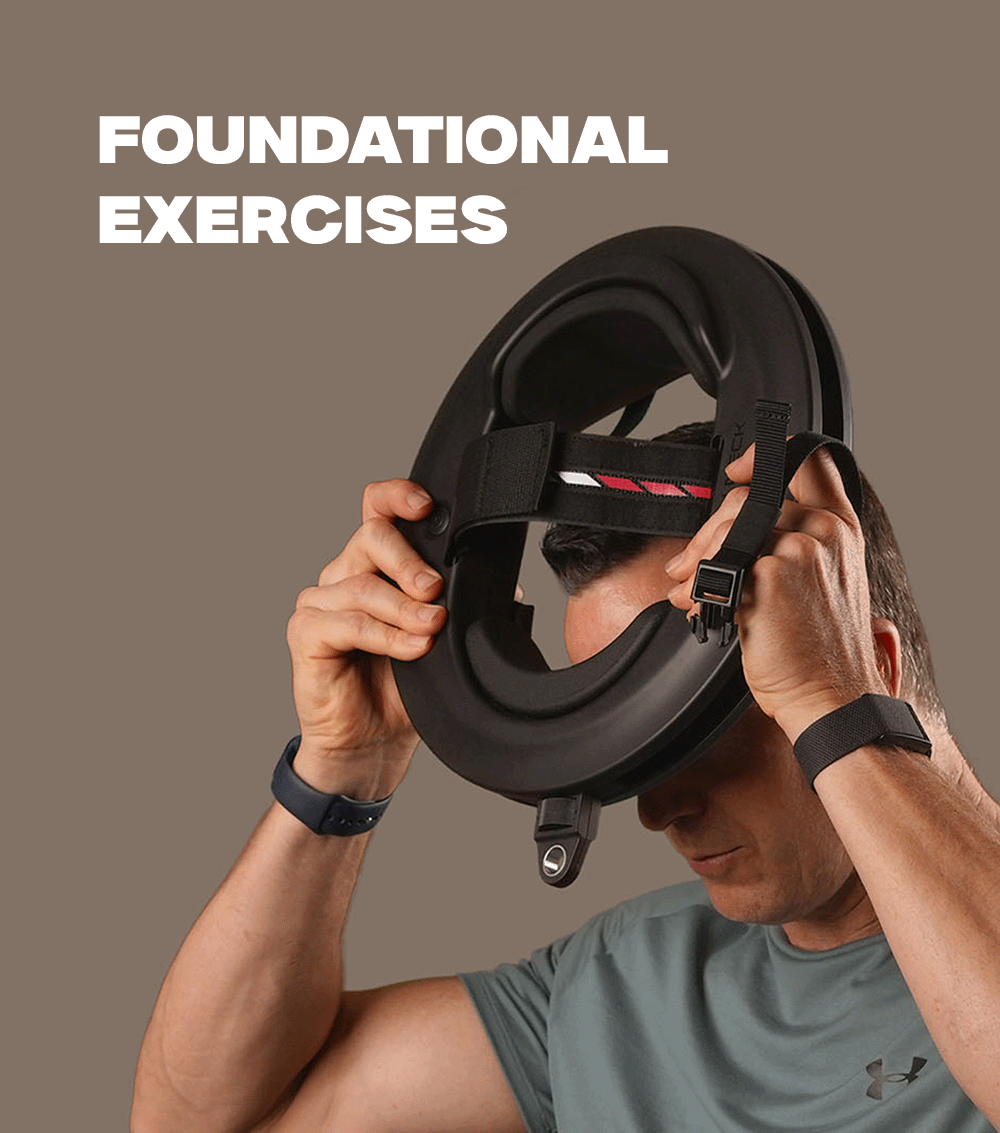
- Iron Neck Isometric Holds: Perform holds in flexion, extension, and lateral flexion. Athletes push against the device, maintaining a static position for a prescribed duration.
- Cervical Slides: As described earlier, these are excellent for deep cervical muscle activation.
- Manual Resistance: Partner-assisted isometric holds or slow range-of-motion movements.
- Sets/Reps/Load: For most athletes, 2-3 sets of 1-3 repetitions (holds) for static strength, with moderate to heavy load. For slow dynamic strength, 2-4 sets of 8-15 repetitions with heavy load, focusing on maximal isotonic loading [2].
Dynamic and Reactive Strength (In-Season/Late Pre-Season)
As athletes approach competition, the focus shifts to enhancing the rate of force development and reactive capabilities, preparing the neck for the rapid, unpredictable forces encountered in sport.
- Focus: Fast dynamic strength, rate of force development, reactive strength.
- Exercises:
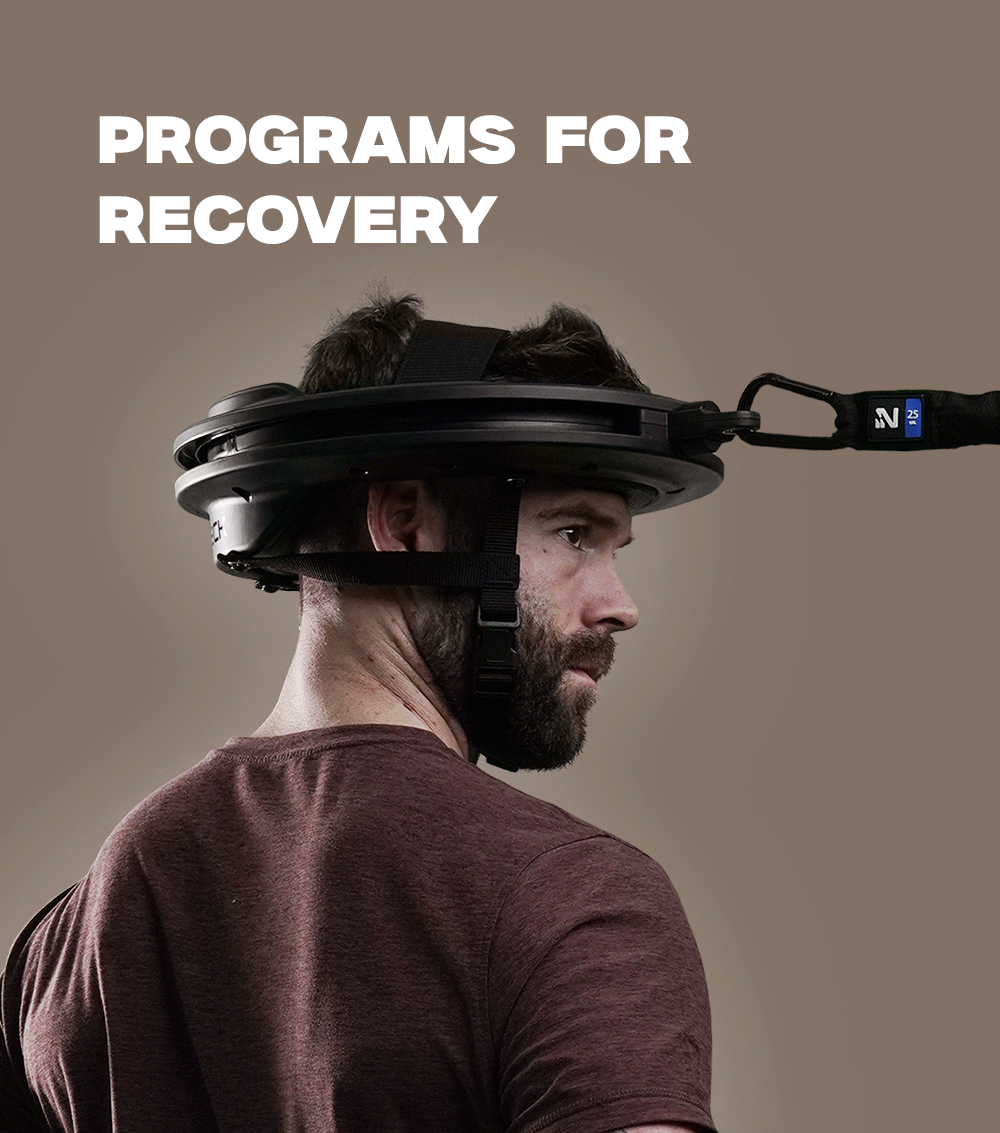
- Iron Neck Rotations (Fast Dynamic): Rapid, controlled rotations against resistance.
- Band Resistance: Quick, explosive movements against band tension in various directions.
- Perturbations: Unpredictable forces applied to the head/neck (e.g., with a partner or specialized equipment) to train reactive bracing.
- Sets/Reps/Load: For fast dynamic strength, 2-3 sets of 3-8 repetitions with moderate-light load, emphasizing rate of force development. For reactive strength, 2-3 sets of 3-5 repetitions with light load, focusing on reflexive and oscillatory movements [2].
Progression and Periodization
The UFC PI's "neck matrix" provides a clear framework for progression, moving from foundational static and slow dynamic strength to fast dynamic and reactive strength as competition approaches. Coaches should continually monitor athlete progress and adjust programming based on individual needs, sport-specific demands, and the athlete's ability to demonstrate control, stability, and strength. Measuring force output with handheld or fixed-frame dynamometers can ensure that training loads are appropriate for sport-specific forces [2].
Key Takeaways
The integration of comprehensive neck training protocols is no longer a luxury but a necessity for athletic programs aiming to optimize performance and safeguard their athletes. Elite organizations in the NFL, college football, and combat sports have demonstrated the profound benefits of a strong, resilient neck in mitigating injury risk and enhancing on-field capabilities. By systematically addressing cervical strength, stability, and reactive capacity, coaches can significantly reduce the incidence and severity of head and neck injuries, including concussions.
The Iron Neck training device plays a pivotal role in democratizing these elite-level protocols, making them accessible and implementable for high school and college programs. Its ability to provide 360-degree resistance, facilitate dynamic movements, and offer comprehensive educational support empowers coaches to build more robust, injury-resistant athletes. Investing in advanced neck training is an investment in athlete longevity, performance, and overall well-being.
Frequently Asked Questions (FAQ)
-
Why is neck training so important for athletes?
Neck training is crucial for athletes, especially in contact sports, because a strong neck helps stabilize the head during impacts, reducing linear and rotational accelerations that can lead to concussions and other head and neck injuries. It also enhances overall athletic performance by improving head control and stability. -
Can neck training really prevent concussions?
While neck training cannot entirely prevent concussions, research strongly suggests that a stronger neck is a modifiable risk factor that can significantly reduce the incidence and severity of concussions by minimizing the forces transmitted to the brain upon impact. -
What types of exercises are most effective for neck strengthening?
Effective neck strengthening involves a combination of isometric holds, slow dynamic movements, and fast dynamic/reactive exercises. These target all planes of motion (flexion, extension, lateral flexion, rotation) and aim to improve both strength and the rate of force development. -
How often should athletes train their necks?
Elite programs often incorporate neck training 2-3 times per week. The frequency and intensity depend on the athlete's sport, training phase (off-season vs. in-season), and individual needs, following principles of progressive overload. -
How does the Iron Neck device help with neck training?
The Iron Neck device provides 360-degree resistance, allowing for comprehensive training of all neck muscles. Its versatility supports both static and dynamic movements, making elite-level neck training protocols accessible and easy to integrate into existing athletic programs for high school and college athletes. -
Is neck training only for contact sports athletes?
While particularly critical for contact sports, neck training benefits athletes in a wide range of disciplines by improving head stability, posture, and overall athletic performance. It can also help prevent general neck pain and improve long-term cervical health. -
Are there any risks associated with neck training?
When performed correctly with proper technique and progressive loading, neck training is safe and highly beneficial. It's important to start with foundational exercises and gradually increase intensity. Consulting with a qualified strength and conditioning coach or athletic trainer is recommended to ensure proper form and programming.
References
- NFL.com: Get ahead of the game with these neck exercises
- Sportsmith: Neck training to improve performance and injury outcomes
- JOSPT: The Relationship Between Neck Strength and Sports-Related ...
- Cleveland Clinic: Neck Muscles: What They Are, Types, Anatomy & Function
- TeachMeAnatomy: Neck Anatomy | Cervical Region and Fascia
- Oculogica: New Research Examines the Link Between Neck Strength and ...
- EliteFTS: Neck Training Guidelines to Reduce Incidences ...
- NCBI: Anatomy, Head and Neck, Neck Movements - StatPearls
- NFL.com: How to strengthen the neck to help prevent injury
- NHSSCA: Building Neck Strength: From the NFL to High School Weight Rooms
Leave a comment
This site is protected by hCaptcha and the hCaptcha Privacy Policy and Terms of Service apply.