

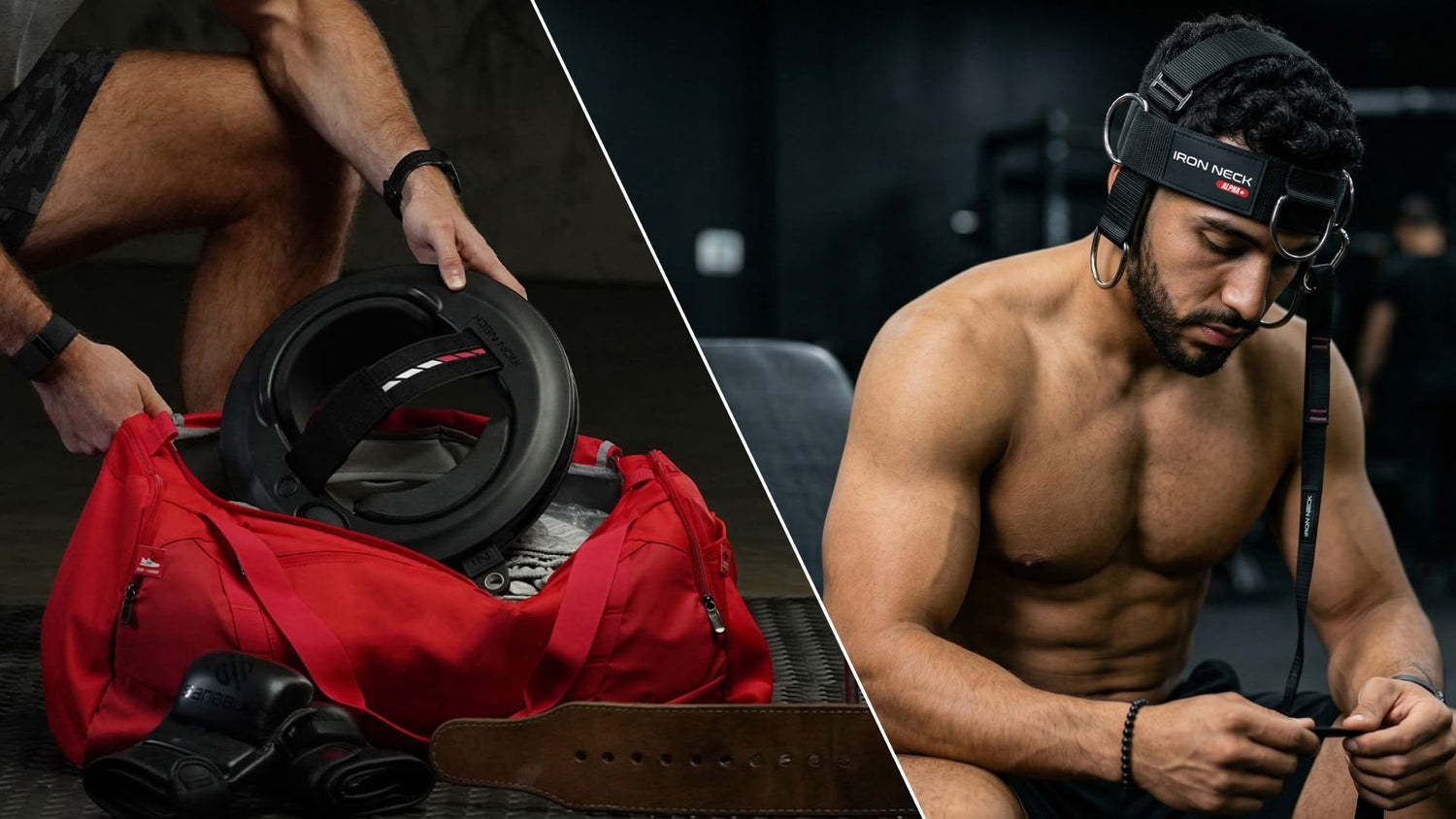
Neck Strengthening Device Comparison: What Actually Works
The market for neck strengthening devices has grown significantly as awareness of neck training's importance has spread from professional sports into mainstream fitness. But not all neck training tools are created equal. Some deliver genuine results; others are overpriced novelties or, worse, tools that create imbalanced training patterns that increase injury risk rather than reduce it.
This guide provides an honest, comprehensive comparison of every major category of neck strengthening device, from the simplest resistance bands to the most advanced rotational training systems. The goal is to help you make an informed decision based on your training goals, budget, and experience level.
The Problem with Most Neck Training Tools
Before comparing specific devices, it's worth understanding the fundamental limitation that most neck training tools share: they only train two of the four planes of cervical movement. Flexion (forward) and extension (backward) are the movements most harnesses and weight-based tools support. Lateral flexion (side-to-side) and rotation are largely ignored.
This is a significant problem. The neck is a three-dimensional structure that faces forces from every direction in athletic and daily life contexts. Training only flexion and extension while neglecting lateral and rotational strength creates imbalances that can actually increase injury risk in certain scenarios, particularly side-impact forces in contact sports.
The best neck strengthening devices address all four planes of movement. The comparison below evaluates each tool category on this criterion, among others.
Category 1: Resistance Bands
Resistance bands are the most accessible and affordable neck training tool. They can be anchored at various heights to create resistance in multiple directions, making them theoretically capable of training all planes of neck movement.
Pros: Inexpensive (typically $10–30), portable, versatile, and appropriate for all fitness levels. Bands can be used for lateral and rotational training that traditional harnesses cannot accommodate.
Cons: Resistance is inconsistent, bands provide more resistance at the end of the range of motion and less at the beginning, which does not match the strength curve of the neck muscles. Resistance levels are difficult to quantify precisely, making progressive overload harder to track. The band must be anchored, which limits exercise options.
Best for: Beginners, rehabilitation, travel training, and supplementary lateral/rotational work.
Category 2: Traditional Neck Harnesses
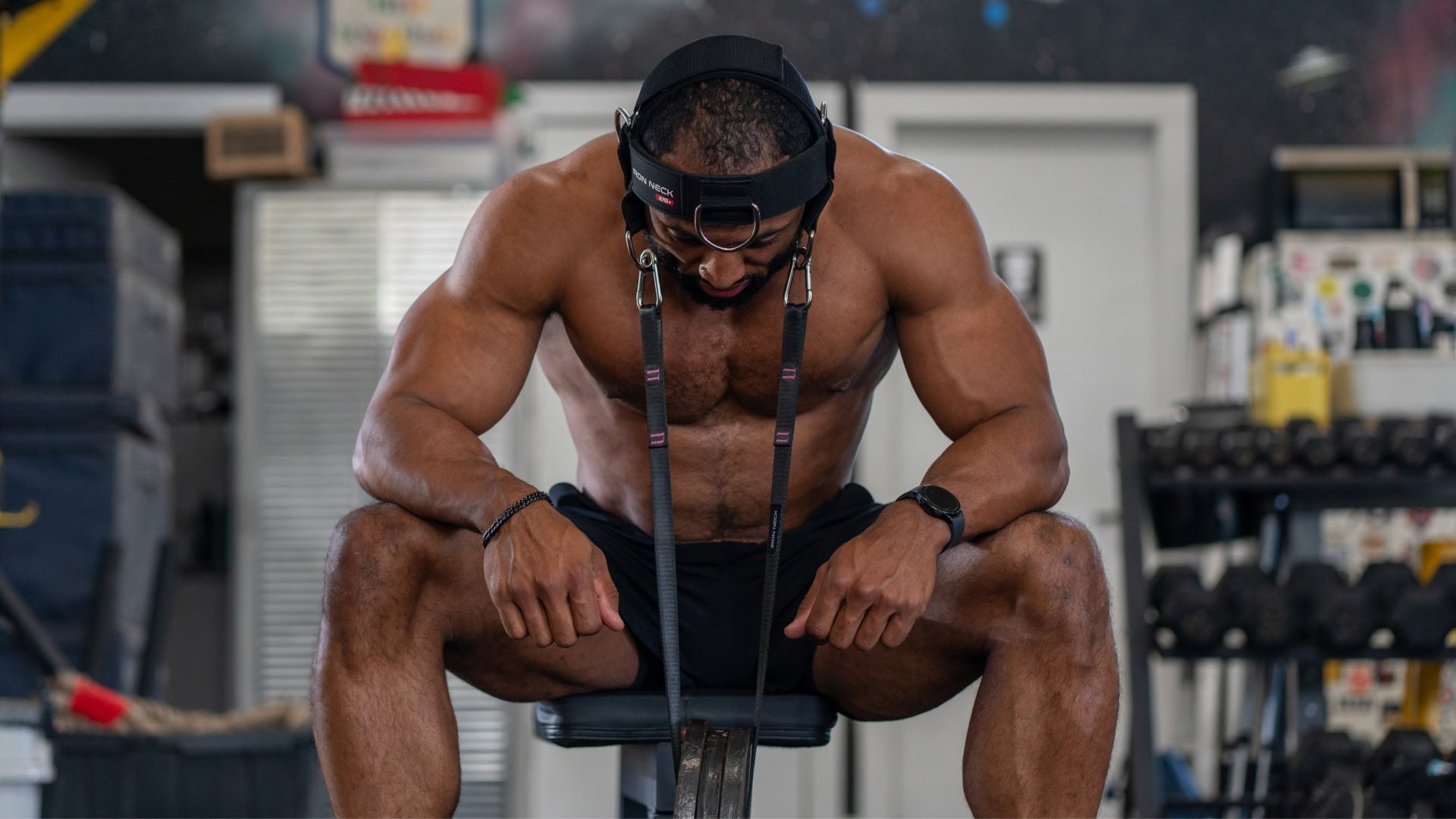
Traditional neck harnesses are the most common dedicated neck training tool. They attach to the head via a series of straps and chains, allowing weight plates to be hung from them for weighted flexion and extension training.
Pros: Allow genuine progressive overload with quantifiable resistance. Effective for building flexion and extension strength. More affordable than advanced devices (typically $30–80).
Cons: Only train flexion and extension. Many cheaper models have poor fit and create uncomfortable pressure points. Cannot train lateral or rotational movement effectively. Weight plates swing during movement, creating inconsistent loading.
Best for: Intermediate trainees who want to add weight to flexion and extension work and don't require full-plane training.
The Iron Neck Alpha Harness is the best option in this category. Its design provides superior fit and comfort compared to generic harnesses, and its construction quality ensures durability under heavy loading.
Category 3: Isometric Neck Trainers
Isometric neck trainers are devices that provide resistance against static force. You push against the device without movement occurring. Some are simple foam pads; others are more sophisticated spring-loaded mechanisms.
Pros: Very safe, appropriate for rehabilitation, can train all directions. No equipment setup required.
Cons: Isometric training builds strength only at the specific joint angle trained. Does not develop strength through the full range of motion. Limited hypertrophic stimulus compared to dynamic resistance training. Difficult to apply progressive overload systematically.
Best for: Rehabilitation, warm-up, and supplementary work. Not sufficient as a primary neck training tool for athletes.
Category 4: The Iron Neck 3.0 and 3.0 Pro
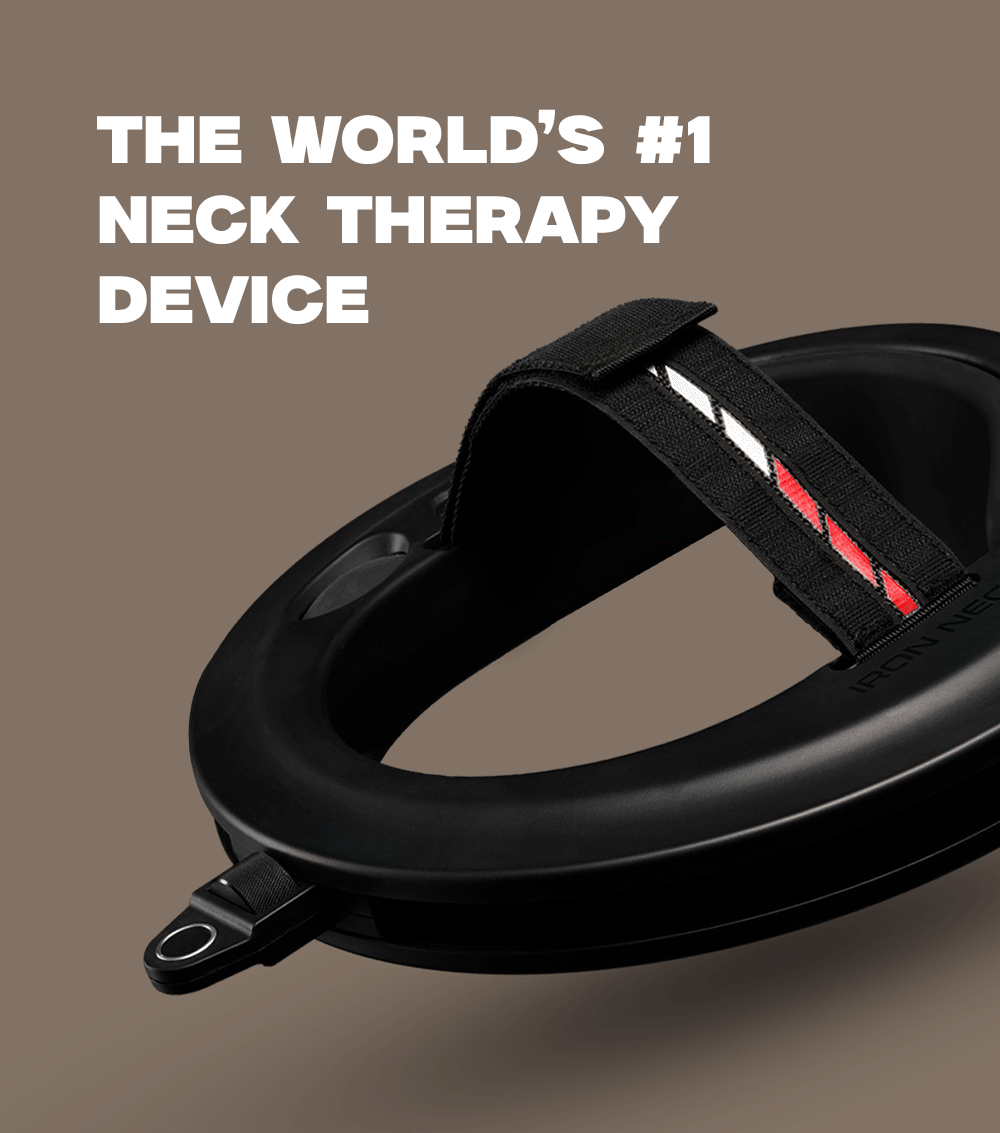
The Iron Neck 3.0 Pro represents a fundamentally different category of neck training device. Rather than hanging weights or providing static resistance, it uses a cable-based system that provides consistent, adjustable resistance through the full 360-degree range of cervical motion.
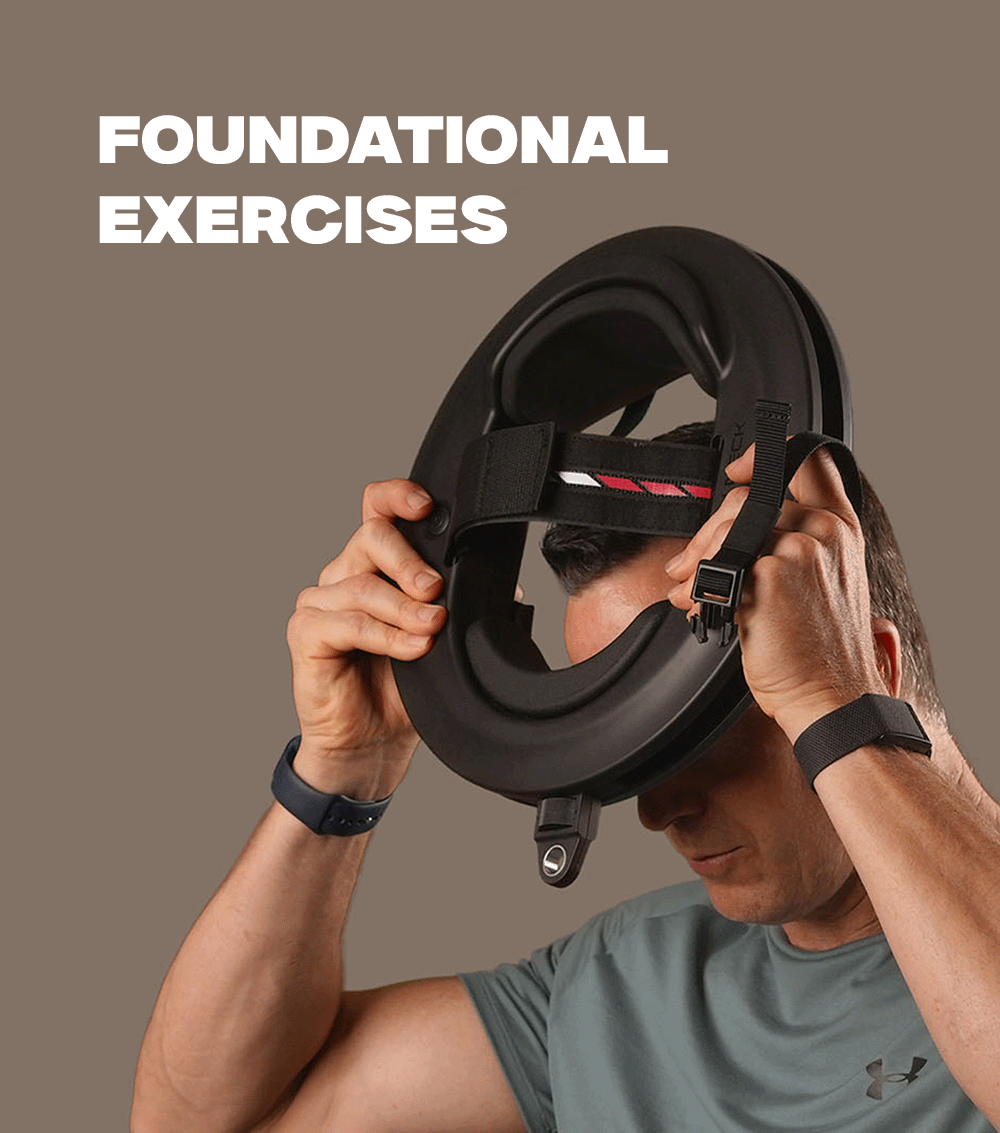
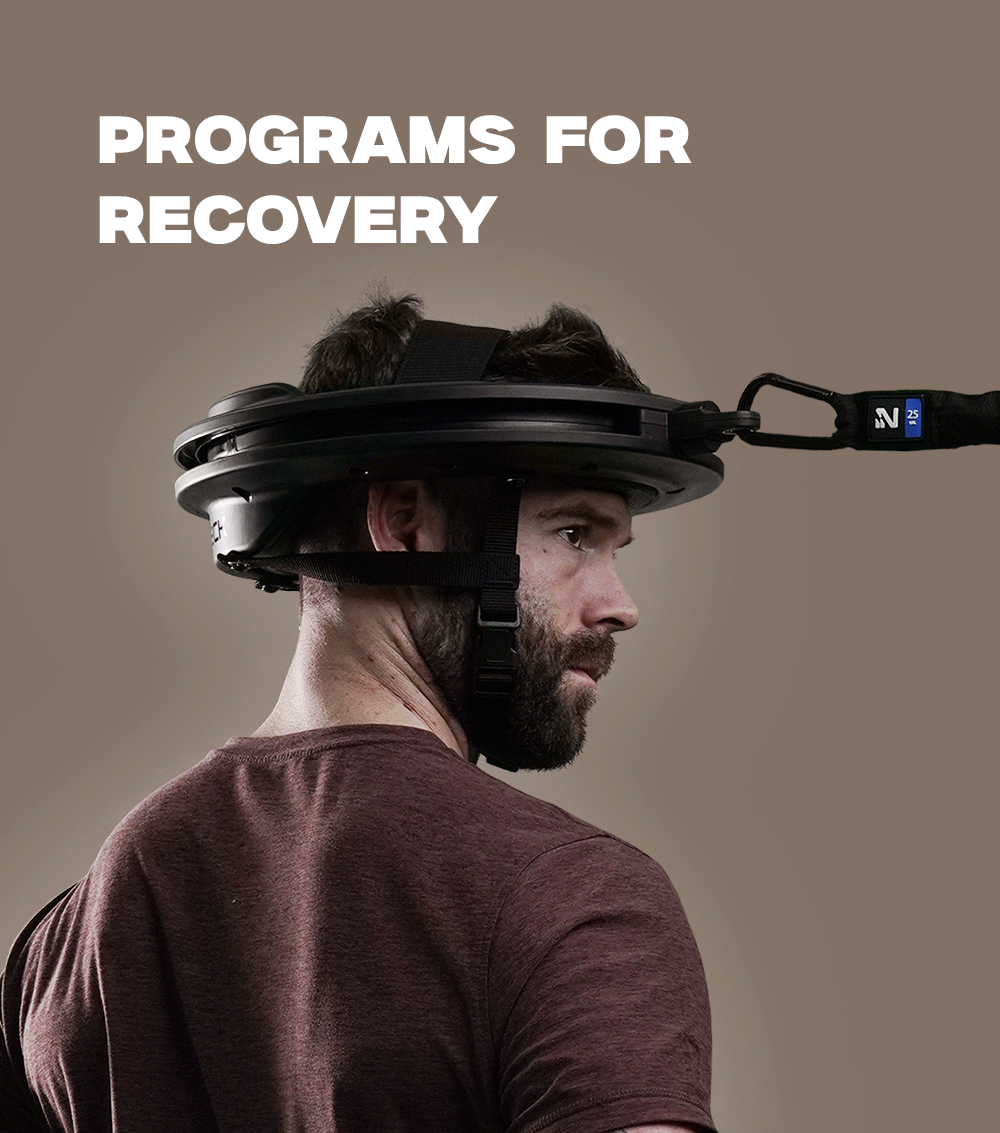
How it works: The Iron Neck attaches securely to the head via a comfortable, adjustable fit system. A cable connects the device to a resistance mechanism (typically a weight stack or resistance band system). As the user moves their head in any direction, the cable provides consistent resistance throughout the range of motion, not just at the end point, as bands do.
Pros: Trains all four planes of neck movement in a single device. Provides consistent resistance throughout the range of motion (unlike bands). Resistance is precisely adjustable and quantifiable. Allows progressive overload in every direction. Used by professional athletes across the NFL, UFC, and Olympic sports. The most comprehensive neck training stimulus available.
Cons: Higher price point than basic harnesses. Requires a cable system or compatible resistance setup. Learning curve for proper setup and use.
Best for: Serious athletes, anyone who wants the most comprehensive neck training available, and anyone whose sport involves forces from multiple directions.
Side-by-Side Comparison
| Device | Planes Trained | Progressive Overload | Resistance Consistency | Price Range | Best For |
|---|---|---|---|---|---|
| Resistance Bands | All 4 (with setup) | Limited | Variable | $10–30 | Beginners, rehab |
| Traditional Harness | Flexion + Extension | Excellent | Moderate | $30–80 | Intermediate trainees |
| Iron Neck Alpha Harness | Flexion + Extension | Excellent | Good | $75–100 | Intermediate athletes |
| Isometric Trainers | All 4 (static only) | Limited | Good | $20–60 | Rehab, warm-up |
| Iron Neck 3.0 Pro | Full 360° | Excellent | Excellent | $350+ | Serious athletes |
Which Device Is Right for You?
If you're just starting neck training and want to understand the movements before investing in equipment, resistance bands are a reasonable starting point. They're inexpensive, accessible, and allow you to explore all planes of neck movement.
If you're an intermediate trainee who wants to add meaningful progressive overload to flexion and extension work, the Iron Neck Alpha Harness is the best value in its category. It offers better construction and fit than generic harnesses at a comparable price, and it pairs perfectly with the Iron Neck 3.0 Pro when you're ready to add rotation and extension training.
If you're a serious athlete, particularly in contact sports, or anyone who wants the most comprehensive neck training available, the Iron Neck 3.0 Pro is the definitive choice. Its ability to train all planes of movement with consistent, progressive resistance is unmatched by any other device on the market. The price reflects the engineering and the results it produces.
The Bottom Line
The best neck strengthening device is the one that trains all planes of movement, allows progressive overload, and fits your current training stage and goals. For most serious athletes, the progression looks like this: start with resistance bands and bodyweight work, add a quality harness for weighted flexion and extension, and ultimately invest in the Iron Neck 3.0 Pro for rotation, lateral movement, and extension training. Each step represents a meaningful upgrade in the comprehensiveness and effectiveness of your neck training program.

Leave a comment
This site is protected by hCaptcha and the hCaptcha Privacy Policy and Terms of Service apply.