



Neck Exercises with Weights: A Progressive Overload Guide
Adding weight to neck exercises is the single most important step you can take to move beyond the plateau that bodyweight neck training inevitably creates. The neck muscles, like all muscles, adapt to training stimulus over time. Once you can perform bodyweight neck exercises with control and consistency, progressive loading is the only way to continue building strength and size.
This guide covers everything you need to know about weighted neck training: which exercises to load, how to load them safely, how to structure progressive overload over time, and the equipment that makes the process both effective and safe.
Why Weighted Neck Training Matters
Bodyweight neck exercises have real value, they build foundational strength, improve movement quality, and are the appropriate starting point for anyone new to direct neck training. But they have a fundamental limitation: the resistance is fixed. Once your neck muscles can handle your head's weight through a full range of motion, the only way to continue progressing is to add external resistance.
Progressive overload. The principle of consistently increasing the training stimulus over time, is the foundation of all strength and muscle development. Without it, adaptation stops. The neck is no different from the biceps or the quadriceps in this regard: it needs increasing challenge to continue growing stronger.
The good news is that adding weight to neck training is straightforward once you understand the basic principles and have the right equipment.
The Foundation: Mastering Bodyweight First
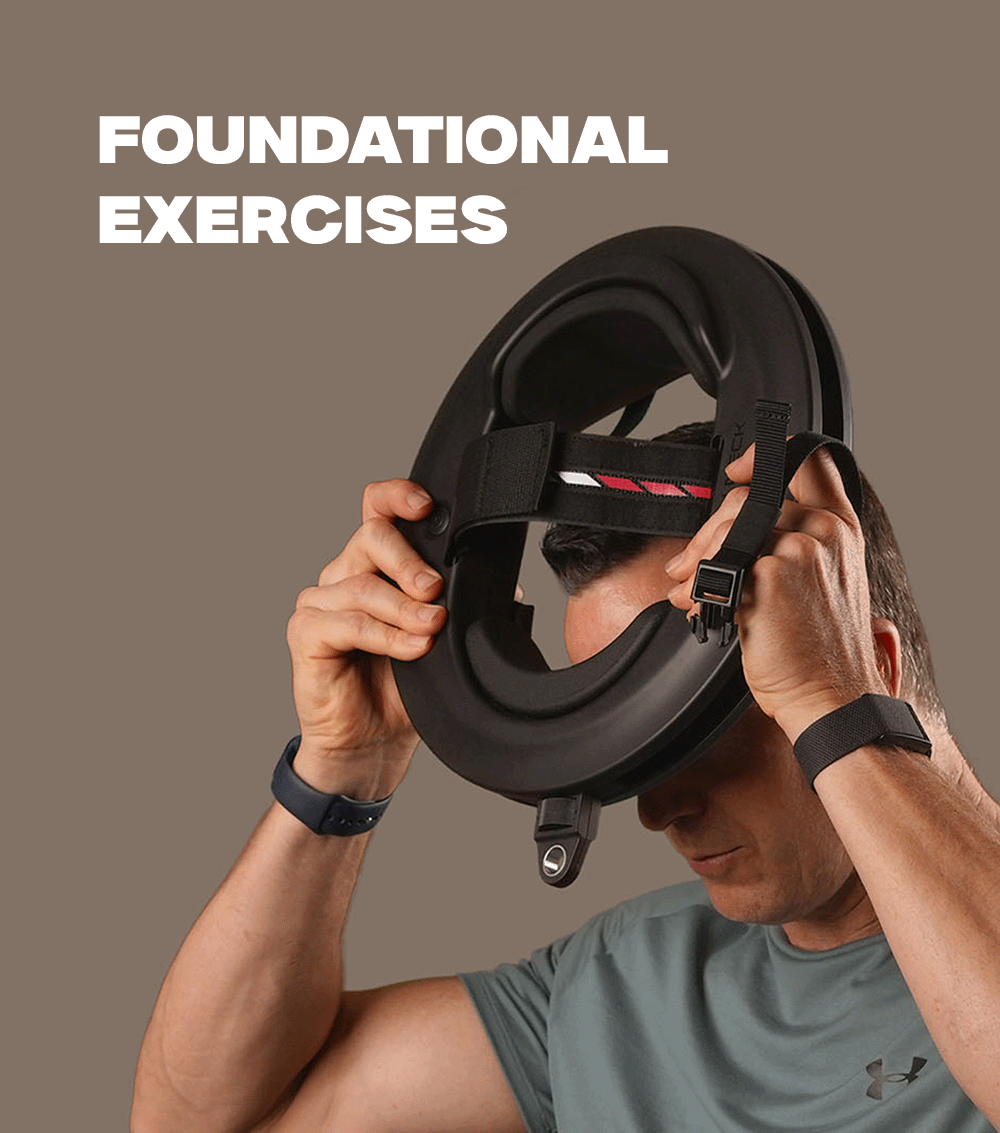
Before adding any external weight, you should be able to perform the following with control and without discomfort:
25 consecutive chin tucks with a 3-second hold at the end position. 20 neck nods with a 3-second lowering phase. 15 prone neck extensions from full range. 10 lateral neck raises per side. 10-second isometric holds in all four directions (front, back, left, right).
If you cannot perform these benchmarks comfortably, spend two to four weeks building to them before introducing external resistance. Attempting to load a movement pattern you haven't mastered is a reliable path to injury.
Weighted Neck Flexion: Technique and Progression
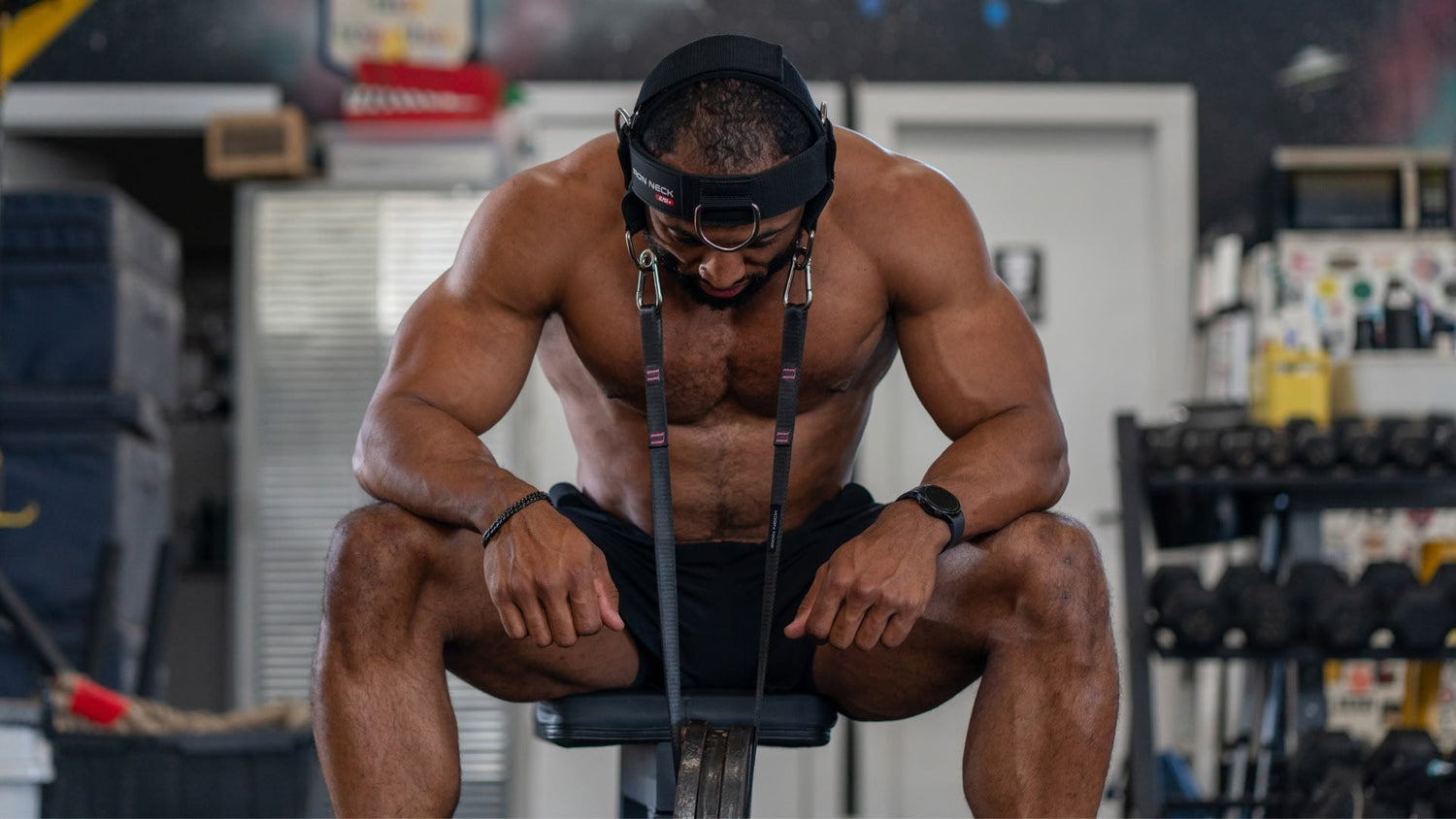
Weighted neck flexion is the primary exercise for loading the anterior neck muscles. It requires a neck harness. A device that attaches to the head and allows weight plates to be hung from it.
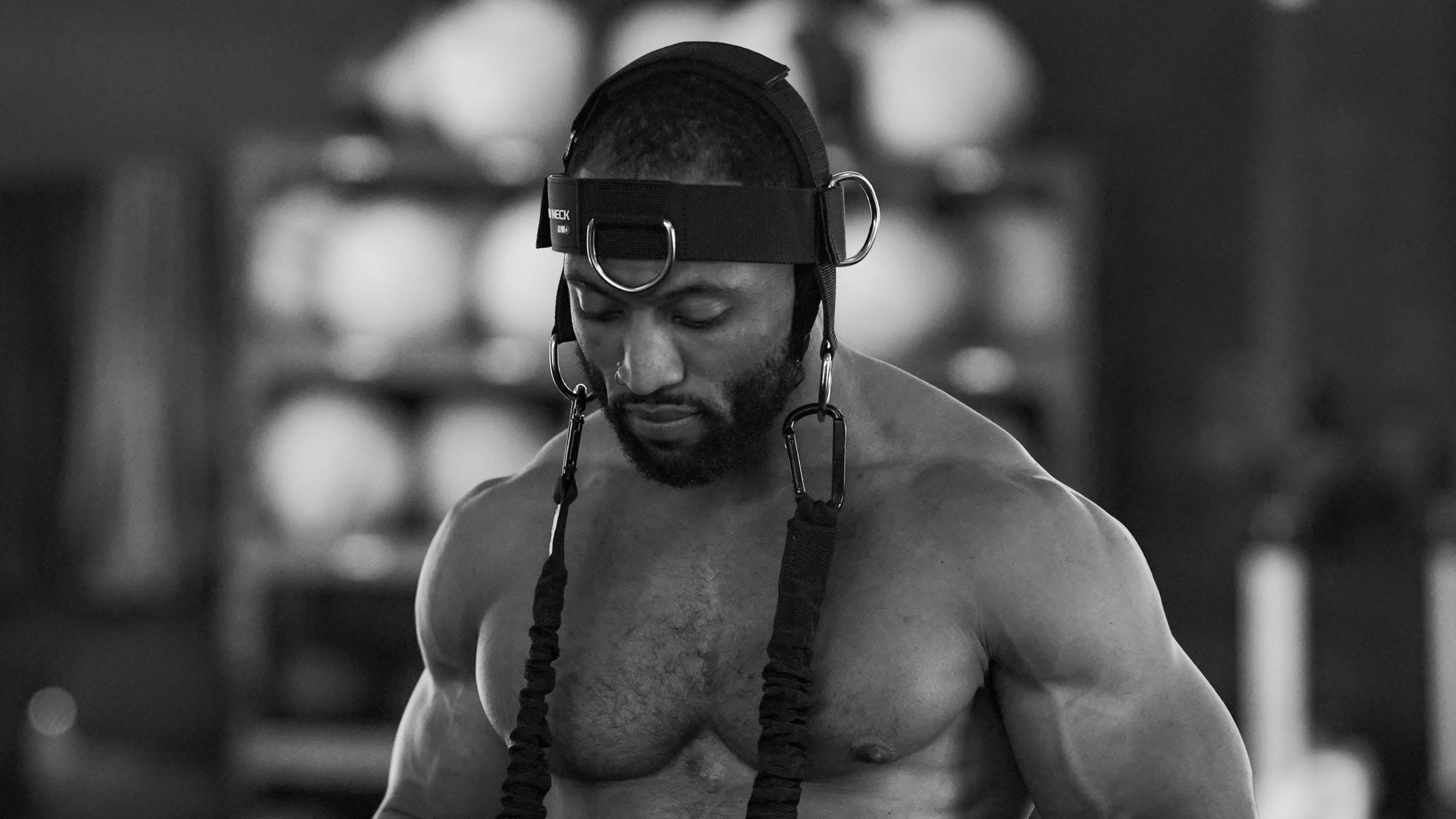
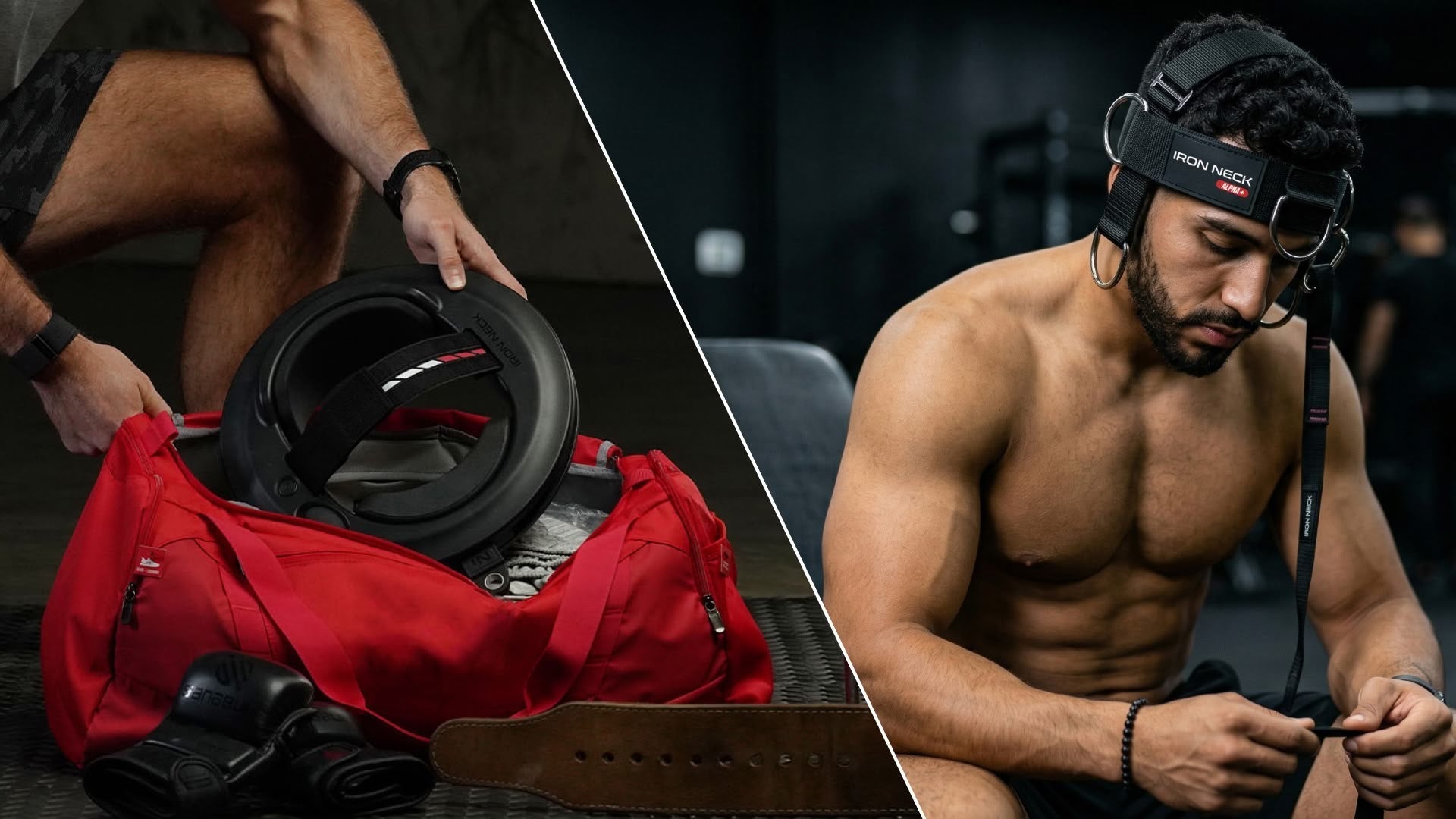
The Iron Neck Alpha Harness is the recommended tool for this exercise. It provides a secure, comfortable fit and distributes the weight evenly across the head, reducing pressure points that can make cheaper harnesses uncomfortable.
Starting position: Sit on the edge of a bench or stand with a slight forward lean. Attach the harness and hang a small weight plate (2.5–5 pounds for beginners). Allow your head to lower forward (chin toward chest) as the starting position.
Movement: Raise your head to a neutral position (ears over shoulders) using a controlled, deliberate movement. Lower back to the starting position using a 3-second eccentric phase. The eccentric phase is where most of the hypertrophic stimulus occurs, do not rush it.
Progression: Begin with a weight that allows 15 clean repetitions with full range of motion and controlled tempo. Add 2.5 pounds when you can perform 3 sets of 15 with good form. This conservative progression protects the cervical spine while ensuring consistent strength gains.
Weighted Neck Extension: Technique and Progression
Weighted extension loads the posterior neck muscles. The muscles responsible for the thickness of the neck when viewed from the side and for resisting whiplash forces.
The setup is identical to weighted flexion, but the movement is reversed: begin with your head in a neutral position and lower it forward (chin toward chest) as the eccentric phase, then extend back to neutral as the concentric phase. The weight provides resistance during the extension movement.
Use the same progression protocol as weighted flexion: start with a weight that allows 15 clean reps and add 2.5 pounds when you can complete 3 sets of 15 with good form.
Weighted Lateral Raises: Technique and Progression
Lateral raises with added weight target the scalenes and lateral neck muscles that most weighted neck programs ignore. These muscles are essential for resisting side-impact forces and for the full, developed appearance of a well-trained neck.
Lie on your side on a flat bench with your head extending off the edge. Hold a small weight plate against the side of your head (the side facing up). Raise your head toward your shoulder and lower back down with control. Begin with a 2.5-pound plate and progress conservatively. The lateral neck muscles are typically weaker than the flexors and extensors and require more time to adapt.
The Iron Neck: The Most Advanced Approach to Weighted Neck Training
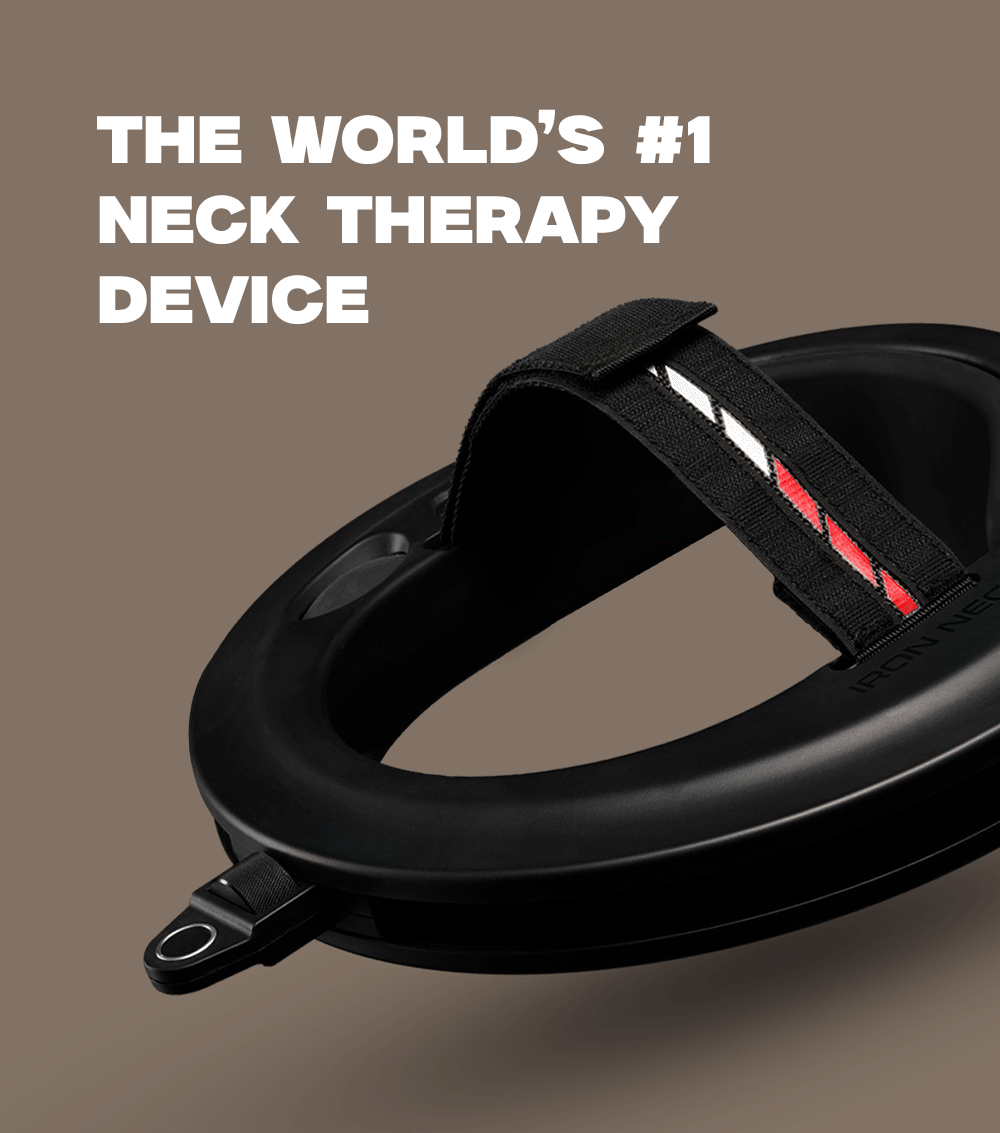
Traditional neck harnesses and weight plates are effective tools for flexion and extension, but they cannot train rotation or lateral movement. The Iron Neck 3.0 Pro fills this gap by providing 360-degree resistance through rotation, extension, and lateral movement in a single device, making it the ideal complement to harness-based flexion work.
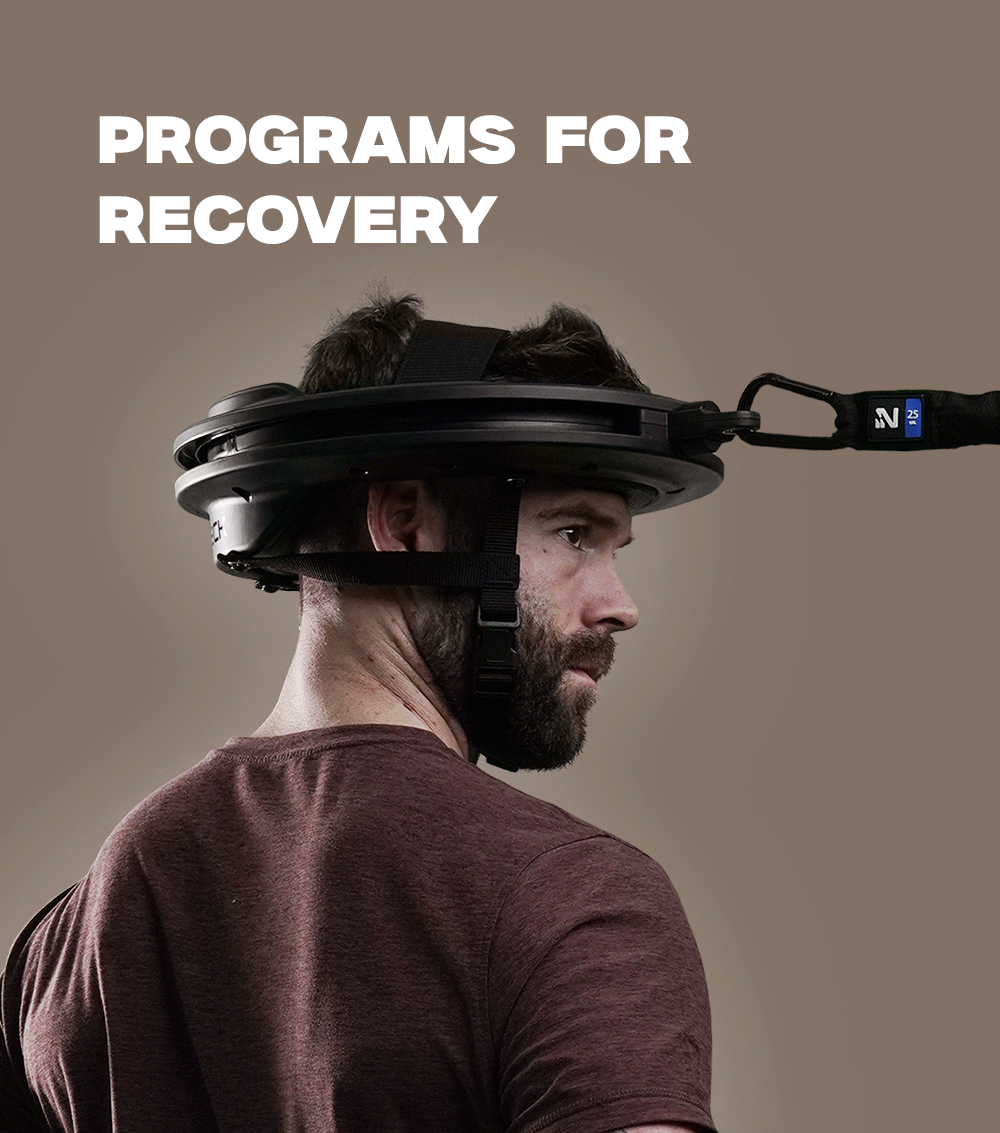
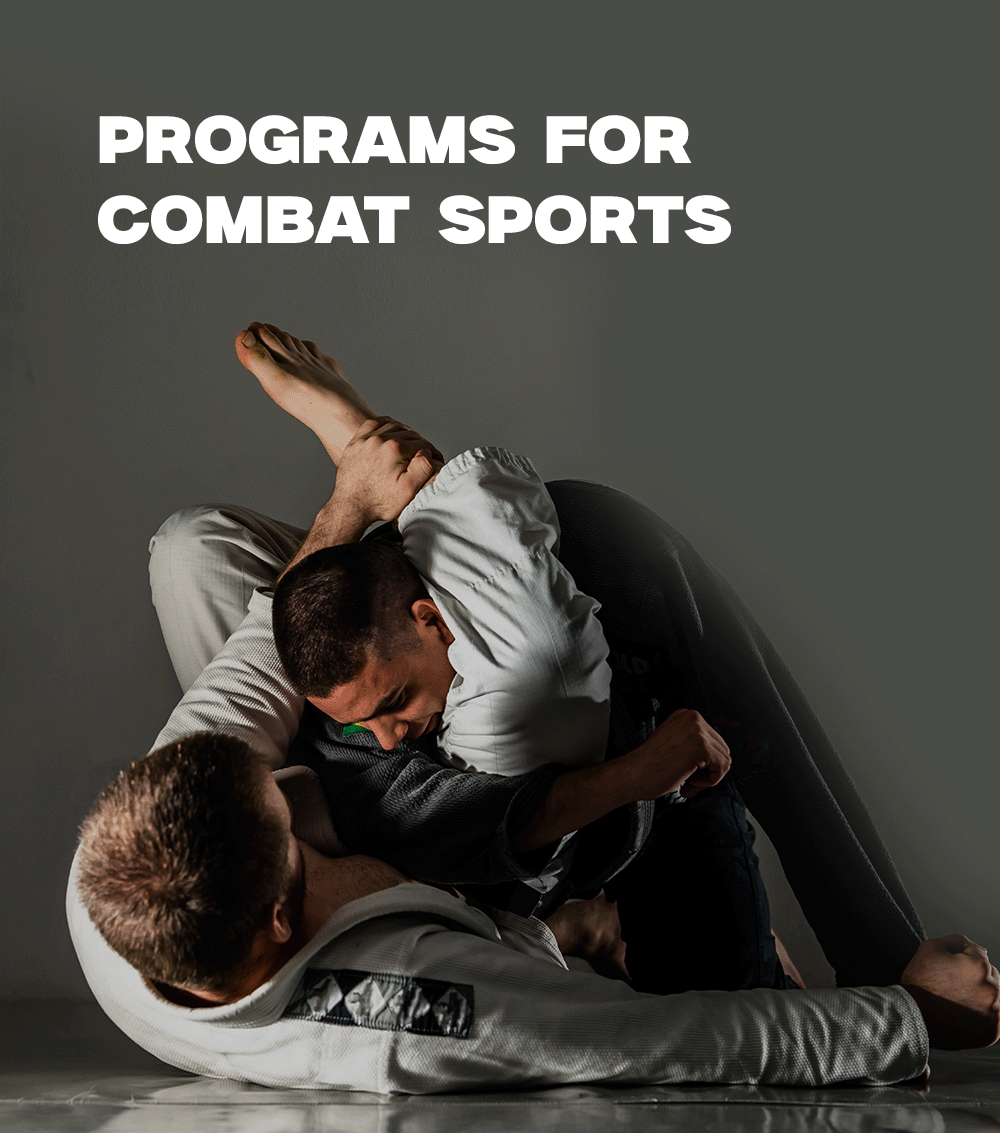
With the Iron Neck, you can perform weighted training across rotation, extension, and lateral movement with precise, adjustable resistance. For flexion work, pair it with a neck harness and weight plate. This makes it the most comprehensive weighted neck training tool available and the choice of professional athletes across the NFL, UFC, and Olympic sports.
The resistance is provided by a cable system rather than hanging weight plates, which allows for smoother, more controlled loading throughout the range of motion. This is particularly valuable for rotational training, where hanging weights would create uneven loading.
Programming Weighted Neck Training
A complete weighted neck training session for an intermediate trainee should include:
Warm-up: 2 sets of chin tucks, 2 sets of isometric holds in each direction (5 minutes). Weighted flexion (harness): 4 sets of 10-15 reps. Weighted extension (harness): 4 sets of 10-15 reps. Lateral raises: 3 sets of 10-12 reps per side. Iron Neck 360 rotations: 3 sets of 10 reps each direction.
Perform this session two to three times per week with at least one rest day between sessions. Track your weights and reps for every session and apply progressive overload consistently.
Safety Considerations
Weighted neck training is safe when performed correctly, but the cervical spine is a complex structure that deserves respect. Several principles reduce injury risk significantly.
Always warm up before loading. Never add weight to a movement you cannot perform with control using bodyweight. Progress conservatively. The neck does not need to be trained to failure. If you experience sharp pain, radiating pain, or neurological symptoms (numbness, tingling), stop immediately and consult a healthcare provider before continuing.
The goal is consistent, progressive training over months and years, not maximum weight in a single session. Patience and consistency produce far better results than aggressive loading.
The Results of Consistent Weighted Neck Training
Athletes and fitness enthusiasts who commit to consistent weighted neck training with progressive overload report significant improvements in neck size, strength, and injury resilience within 8–12 weeks. The neck responds relatively quickly to training stimulus, particularly in the early stages when most people are starting from a very undertrained baseline.
The combination of weighted flexion and extension via a harness, supplemented with Iron Neck 360 rotation and lateral training, provides a complete stimulus for all the muscles of the cervical region. Implement the program above consistently, apply progressive overload systematically, and the results will follow.
Leave a comment
This site is protected by hCaptcha and the hCaptcha Privacy Policy and Terms of Service apply.