




Neck Pain Treatment: What Works, What Doesn't, and What's Next
The treatment landscape for neck pain is vast and often confusing. Patients are offered everything from simple exercises to complex surgical procedures, and the evidence base for many commonly used treatments is surprisingly weak. This guide provides an honest, evidence-based assessment of the most common neck pain treatments, separating those with strong evidence from those that are overhyped or ineffective.
What Works: Strong Evidence
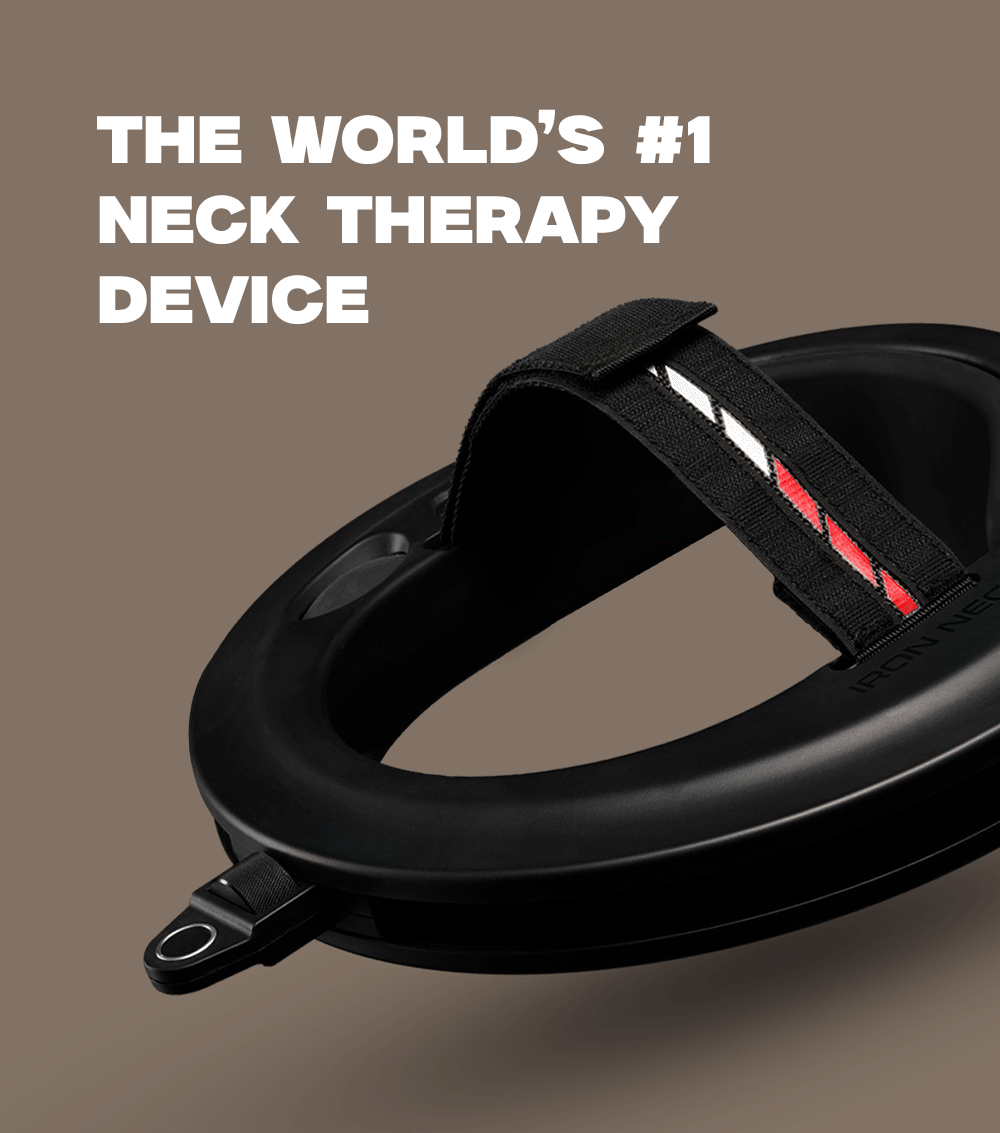
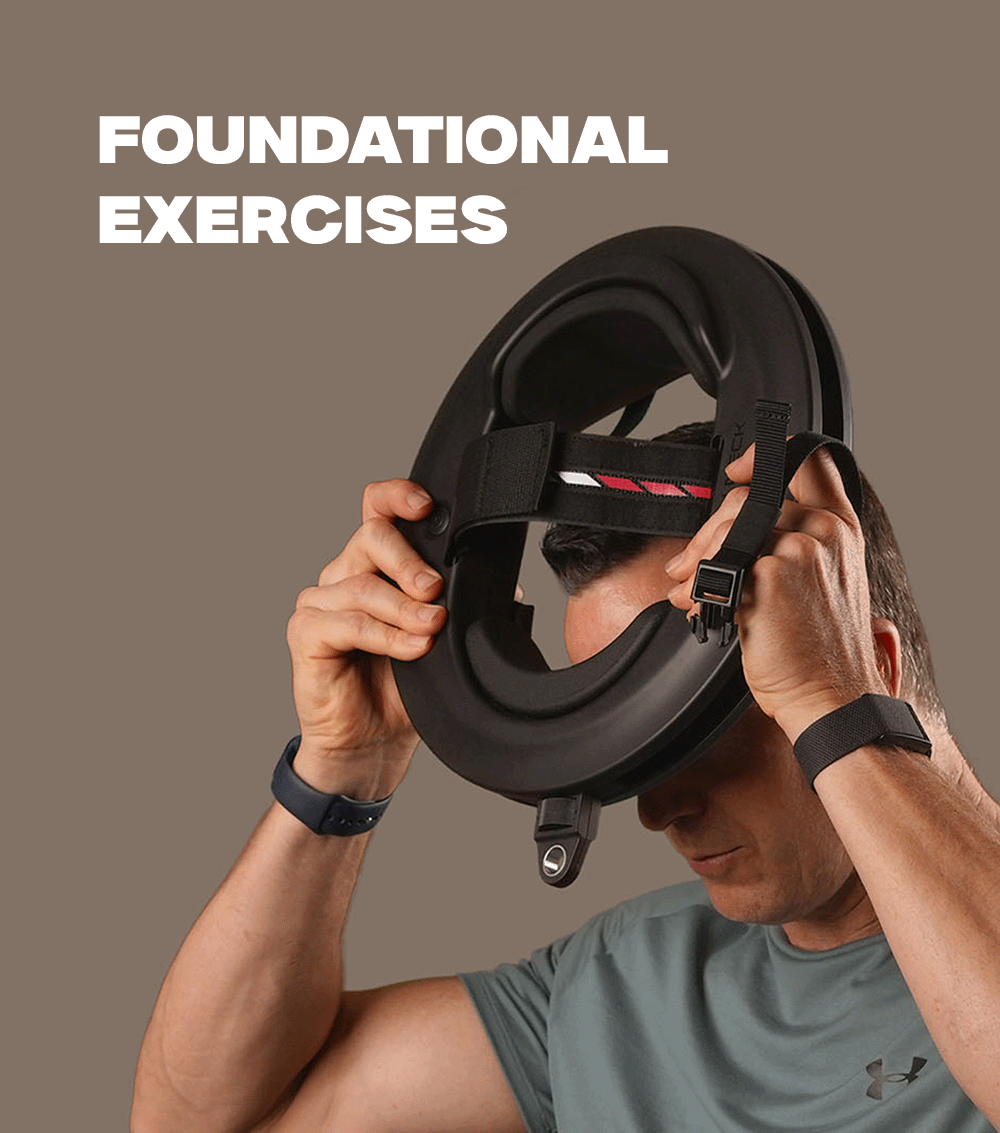
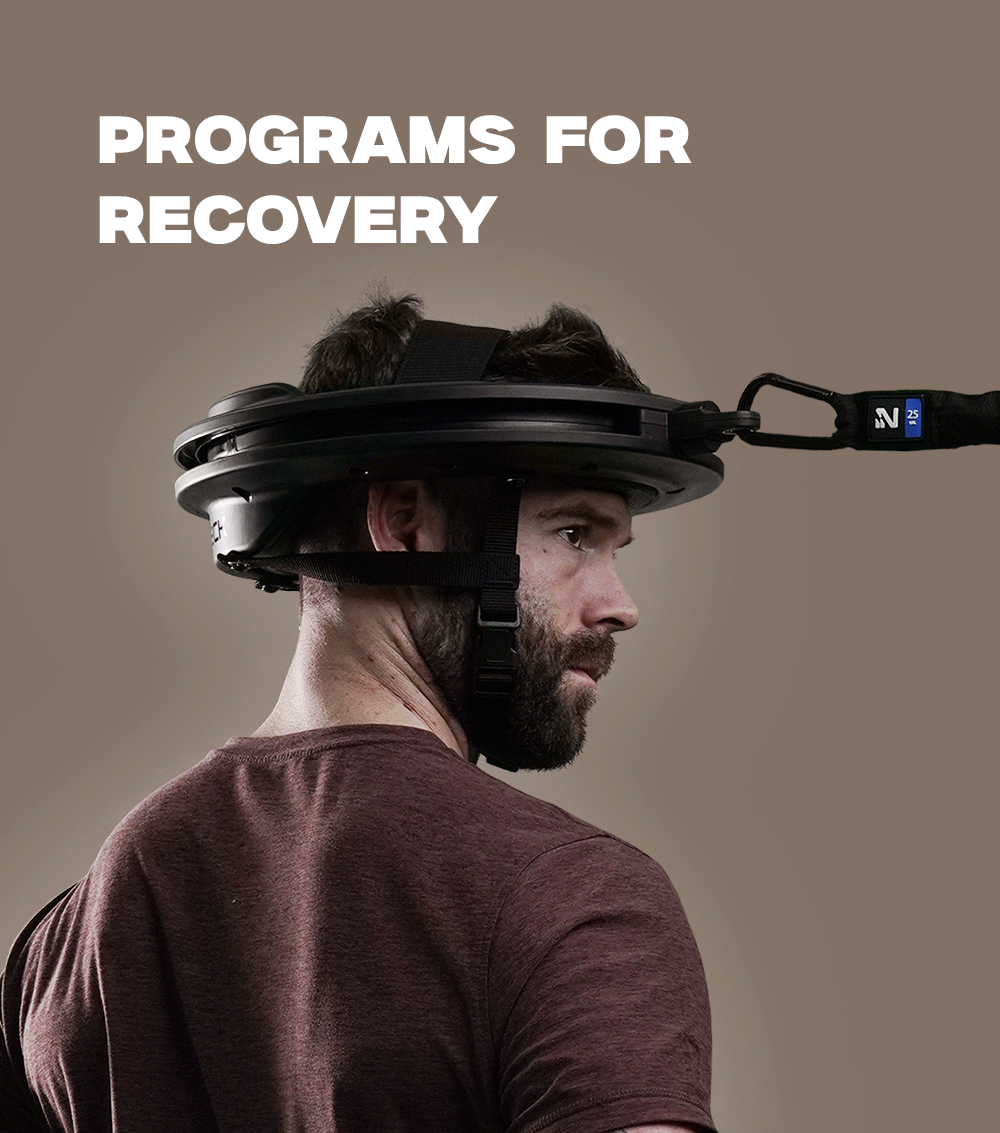
Exercise: The evidence for exercise in neck pain treatment is among the strongest in the field. Multiple systematic reviews and meta-analyses have found that targeted exercise, particularly strengthening of the deep cervical flexors and upper back muscles, produces significant and durable improvements in neck pain and disability. Exercise is more effective than passive treatments alone and is the cornerstone of any evidence-based neck pain treatment program. The Iron Neck device and Iron Neck resistance bands provide effective tools for the progressive cervical and upper back strengthening that the evidence supports most strongly.
Manual Therapy: Cervical joint mobilization and manipulation, performed by a skilled physical therapist or chiropractor, has strong evidence for short-term pain relief and improved range of motion in acute and subacute neck pain. The combination of manual therapy and exercise produces better outcomes than either alone.
Multimodal Physical Therapy: A comprehensive physical therapy program that combines exercise, manual therapy, education, and ergonomic advice produces the best outcomes for most types of neck pain. This approach addresses the multiple contributing factors (weakness, stiffness, poor posture, ergonomic problems) simultaneously.
Pain Education: Explaining the neuroscience of pain and addressing the fear-avoidance beliefs that are among the strongest predictors of chronic pain development is increasingly recognized as an essential component of neck pain treatment. Pain education reduces catastrophizing, increases activity levels, and improves long-term outcomes.
What Works: Moderate Evidence
Corticosteroid Injections: For cervical radiculopathy and facet joint syndrome, corticosteroid injections provide significant short-term pain relief and can facilitate participation in the exercise and physical therapy that produce long-term improvement. The evidence for long-term benefit is less clear.
Acupuncture: Acupuncture has moderate evidence for short-term pain relief in chronic neck pain. It is not superior to other active treatments but may be a useful adjunct for people who do not respond adequately to exercise and manual therapy alone.
Massage: Massage provides short-term relief from muscle tension and pain but does not address the underlying causes of neck pain. It is most useful as an adjunct to exercise and manual therapy rather than as a standalone treatment.
What Doesn't Work: Weak or No Evidence
Complete Rest: Prolonged rest and avoidance of movement consistently produces worse outcomes than early active rehabilitation for all types of neck pain. The evidence against prolonged rest is as strong as the evidence for exercise.
Cervical Collar (Long-Term): While a soft cervical collar may provide comfort in the first day or two of acute severe pain, prolonged collar use leads to muscle atrophy, joint stiffness, and worse long-term outcomes. It should not be used for more than a few days.
Imaging (Without Red Flags): Routine imaging (X-ray, MRI) for non-specific neck pain without red flags does not improve outcomes and often leads to unnecessary anxiety and overtreatment. Imaging should be reserved for cases with red flag symptoms or when specific structural pathology is suspected.
Passive Modalities Alone: Ultrasound, TENS, and other passive modalities provide at most temporary pain relief and do not address the underlying causes of neck pain. They may be useful as adjuncts to facilitate exercise but should not be the primary treatment.
What's Next: Emerging Treatments
Several emerging treatments show promise for neck pain management. Regenerative medicine approaches, including platelet-rich plasma (PRP) injections for cervical disc degeneration, are under investigation. Virtual reality-based rehabilitation programs that provide real-time feedback on head position and movement are showing promise for improving postural awareness and cervical muscle coordination. And technology-assisted exercise programs that use wearable sensors to monitor cervical movement and provide feedback are making it easier for people to perform targeted cervical exercises correctly and consistently.


Leave a comment
This site is protected by hCaptcha and the hCaptcha Privacy Policy and Terms of Service apply.