




Neck training is one of the most overlooked areas in both general fitness and athletic conditioning. Yet the neck is the structural link between your brain and your body and its strength directly affects your posture, your resilience to injury, your performance under load, and how you feel after hours at a desk or behind the wheel.
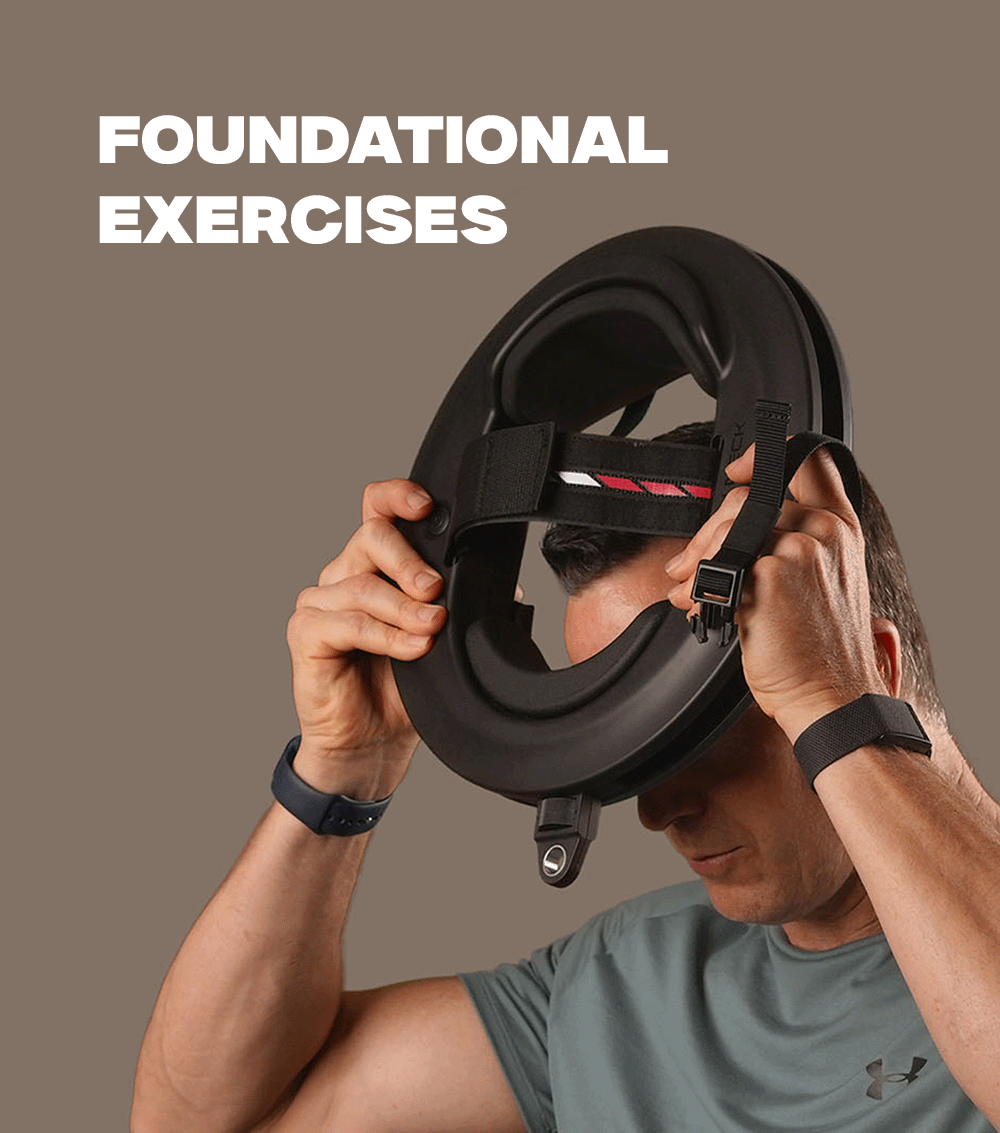
A neck harness workout is one of the most direct and effective ways to build that strength. Unlike general exercises that train the neck incidentally, a harness applies targeted, progressive resistance to the cervical muscles specifically, building strength across multiple planes of movement in a way that bodyweight exercises alone cannot replicate.
Understanding the benefits of a strong neck goes beyond aesthetics or athletic performance. Strong cervical musculature supports spinal alignment, reduces tension headaches, improves breathing mechanics, and acts as an active buffer against the compressive and shear forces that everyday life and sport, place on the cervical spine.
This guide covers everything you need to start neck harness training effectively: what it is, who it is for, step-by-step exercises with correct technique, a beginner's first-week protocol, a load progression chart, and how Iron Neck compares to a standard harness.
Why Neck Strength Matters More Than Most People Realise
Most people train their chest, back, legs, and arms with structured, progressive programmes. The neck is left out, either overlooked entirely or addressed with a few casual stretches. This creates a significant weak link in an otherwise trained body.
A strong neck helps:
- Maintain upright posture throughout the day, reducing the forward head drift that loads the suboccipital muscles and upper cervical spine
- Reduce the risk of whiplash and contact-sport injuries by improving the neck's ability to absorb and distribute force
- Support the spine under physical stress in training, sport, and daily activity
- Improve breathing efficiency, balance, and head control
- Reduce chronic tension linked to bad neck posture, one of the most common drivers of daily neck discomfort
For athletes, the argument is even more direct. Research shows a clear relationship between neck strength and concussion risk in contact sports, stronger necks absorb impact more effectively, reduce head acceleration, and are associated with lower concussion rates [3]. This does not mean neck training prevents concussion, no exercise or device does but it is a meaningful protective factor alongside proper technique and safe contact practices.
What Is a Neck Harness?
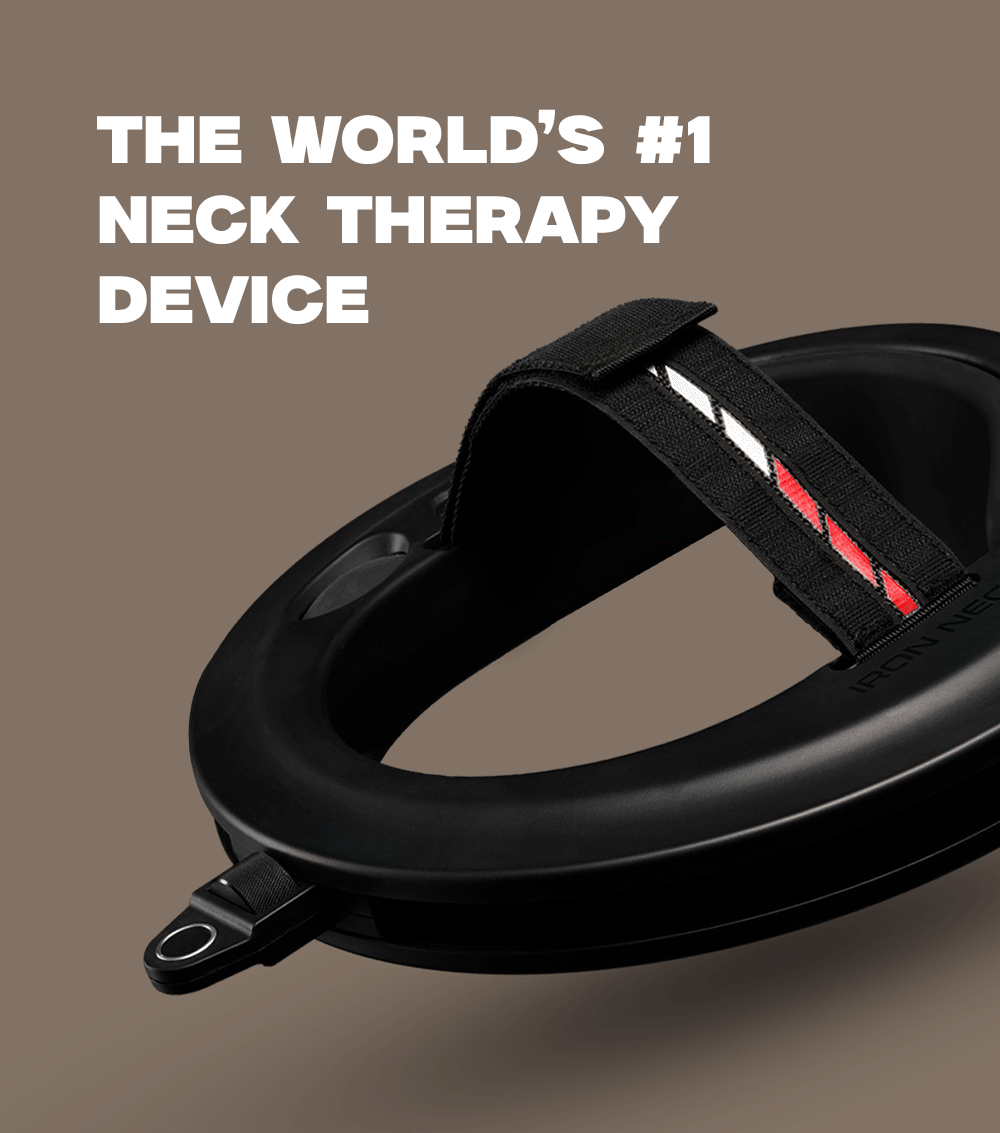
A neck harness is a fitness device that fits over the head and allows weighted or resistance-based loading to be applied directly to the neck muscles. Unlike traditional exercises, which often recruit the neck incidentally, the harness isolates cervical training and allows for progressive overload in the same way a barbell allows progressive loading for any other muscle group.
A harness allows you to:
- Apply controlled, progressive resistance directly to neck muscles
- Strengthen across multiple planes - flexion, extension, lateral movement
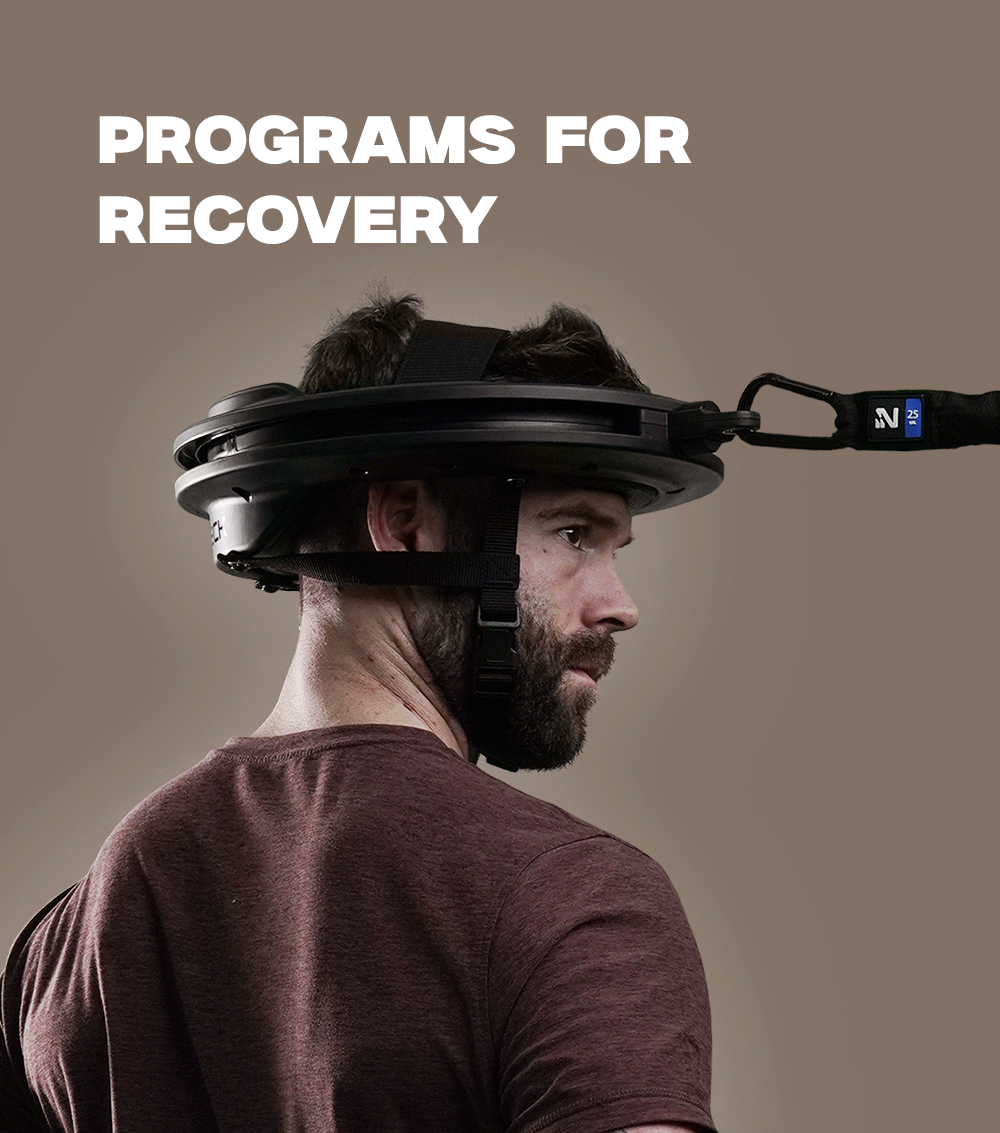
- Rebuild muscle control after injury or periods of inactivity, under appropriate clinical supervision
- Avoid compensating with the shoulders or upper back, which tends to happen with improvised neck training
Harness versus Iron Neck - key differences:
|
Feature |
Standard Neck Harness |
Iron Neck |
|
Planes of movement |
Primarily flexion and extension |
360-degree - all planes simultaneously |
|
Resistance type |
Weighted plates |
Adjustable band resistance |
|
Compressive load |
Moderate - depends on weight used |
Lower — resistance is distributed differently |
|
Rotational training |
Limited |
Full rotational capability |
|
Beginner suitability |
Moderate - requires care with load |
High - resistance easily dialled in |
|
Use without a gym |
Possible with bands |
Yes - home-friendly |
Both tools are effective. Iron Neck's 360-degree resistance and adjustability make it more versatile and lower-risk for most users, particularly beginners, desk workers, and anyone training without a coach. A standard harness with plates is appropriate for athletes who need to train heavy extension and flexion under coached supervision.
Who Should Use a Neck Harness?
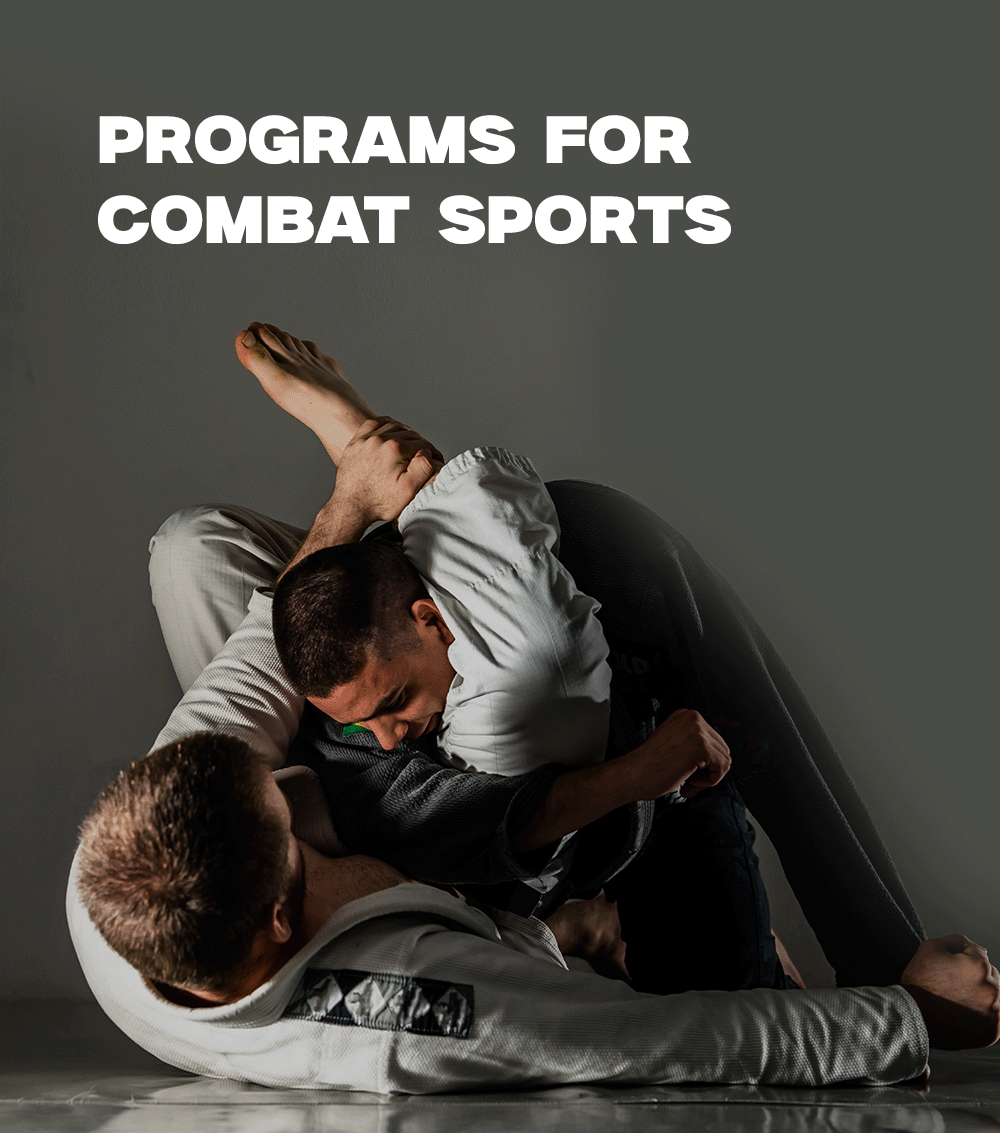
Combat athletes - wrestlers, boxers, MMA fighters who need genuine neck strength and durability for competition demands [7].
Football and rugby players - to build the shock-absorbing muscular mass and cervical stiffness that protects against impact [3, 7].
Drivers and cyclists - for neck endurance under sustained vibration, head position, and motion. If neck discomfort while driving is a regular issue, targeted harness training addresses the muscular endurance deficit directly.
Desk workers - to correct forward head posture, reverse chronic cervical tension, and build the endurance that sitting for long hours depletes. The neck curl exercise is the ideal starting point before introducing harness load for this group.
Post-injury recovery - only with explicit surgeon or physiotherapist clearance and under clinician supervision. Do not begin harness loading after cervical surgery or injury until specifically advised to do so [6]. For structured post-injury exercise guidance, see our article on retrolisthesis neck exercises for an example of how progressive cervical loading is approached clinically.
General fitness enthusiasts - anyone who wants to train holistically and eliminate the neck as a weak link in their physical foundation.
Step-by-Step Neck Harness Exercises
Important before you begin: Work only in a comfortable mid-range. Move slowly and never hold your breath. Stop immediately if you notice dizziness, visual changes, numbness, tingling, weakness, unsteadiness, or electric-like facial discomfort. Do not perform ballistic or high-velocity neck movements under any circumstances. This guidance is in line with the cervical spine clinical guidelines from the APTA [1, 4, 5].
Exercise 1 — Side Lifts
Targets: Lateral neck flexors - the muscles running down each side of the neck
How to do it:
- Stand upright or sit on a bench with good posture
- Attach the harness with resistance or weight applied to one side
- Begin in neutral head position with chin lightly tucked
- Slowly tilt your head toward your shoulder within a comfortable mid-range — do not attempt to bring your ear to your shoulder or push to end-range
- Pause briefly at mid-range, then return to neutral with full control
- Complete all reps on one side before switching
Dosage: 8 to 12 repetitions per side; 2 to 3 sets; rest 45 to 60 seconds between sets
Key cue: Start with the lightest resistance available. The lateral flexors fatigue faster than most people expect, control matters more than load here.
Exercise 2 — Neck Extension
Targets: Posterior cervical chain, the muscles at the back of the neck and upper back
How to do it:
- Attach resistance to the back of the harness
- Stand tall with a light chin tuck and neutral posture
- From neutral, permit only a small, controlled movement into extension, keep a light chin tuck throughout; do not look up to end-range
- Return to neutral slowly and with full control
- Do not hyperextend — the movement is modest, not dramatic
Dosage: 8 to 12 repetitions; 2 to 3 sets; rest 45 to 60 seconds
Key cue: End-range cervical extension under load is the highest-risk position in neck training. Stay in mid-range. If you are unsure whether you are within safe range, reduce the movement further until you are working with a qualified coach. The neck bridge exercise fails for most people precisely because it takes this position to its extreme, harness extension done correctly avoids that entirely.
Exercise 3 — Linear Manual Resistance (Isometric)
Targets: All-direction isometric cervical strength
How to do it:
- With a partner or resistance band, apply steady pressure from the front, back, or either side of the head
- Resist the pressure without allowing any head movement, the neck stays completely still
- Hold for 10 to 15 seconds per direction, then release
- Repeat in all four directions
Dosage: 3 to 5 holds per direction; once or twice daily
Why it works: Isometric holds build cervical stability without producing any movement at the cervical joints, making them the safest form of neck loading and an ideal entry point for beginners, people returning from injury, or anyone whose movement-based exercises have been limited by discomfort. This is the same principle used in the early stages of retrolisthesis neck exercises [1].
Exercise 4 — Vertical Manual Resistance
Targets: Deep neck flexors and postural stabilisers
How to do it:
- Place one hand on the forehead or the back of the head
- Apply light, steady downward pressure, do not press on the top of the head directly
- Engage the neck to resist the downward force, maintaining upright posture throughout
- Hold for 8 to 10 seconds, then release
- Alternate hand position between forehead and back of head
Dosage: 5 to 8 holds per position; once or twice daily
Why it works: This builds the postural endurance of the deep cervical stabilisers, the muscles responsible for holding the head upright over long periods of sitting or activity. It is particularly effective for desk workers and drivers whose main problem is endurance rather than peak strength.
Beginner's First Week Protocol
If you are new to neck harness training, follow this structured first week before adding load or volume. The goal of week one is movement pattern learning and establishing baseline control, not strength gains.
Day 1
- Isometric holds only - all four directions, 3 holds of 8 seconds each
- Controlled mobility - gentle side tilts and chin tucks, 10 reps each
- Duration: 10 to 15 minutes
Day 2 - Rest
Day 3
- Isometric holds - 4 holds of 10 seconds per direction
- Introduce side lifts with zero additional weight - harness only, 10 reps per side
- Controlled neck extension - harness only, 8 reps, small range
- Duration: 15 to 20 minutes
Day 4 - Rest
Day 5
- Full session: isometric holds + side lifts + extension + vertical manual resistance
- All movements at minimal load, full control focus
- Duration: 20 minutes
Days 6 and 7 - Rest
After week one, move to 2 to 3 sessions per week. Leave at least one full day between sessions. Reduce volume or stop entirely if discomfort increases rather than decreases between sessions [8].
Load Progression Chart
Follow this chart to increase training load safely over time. Move to the next stage only when the current stage feels fully controlled and comfortable for all prescribed sets.
|
Stage |
Timeframe |
Load |
Reps |
Sets |
Key Focus |
|
Foundation |
Weeks 1 to 2 |
Bodyweight / harness only |
8 to 10 |
2 |
Movement pattern, control, breathing |
|
Early Load |
Weeks 3 to 4 |
Minimal resistance — lightest band or 1.25kg |
8 to 12 |
2 to 3 |
Consistent form under light load |
|
Build |
Weeks 5 to 8 |
Light to moderate resistance — incremental increases |
10 to 12 |
3 |
Strength endurance, full range within mid-range |
|
Progressive |
Weeks 9 onwards |
Moderate resistance — increases every 2 to 3 weeks |
10 to 15 |
3 to 4 |
Progressive overload, sport-specific demands |
Progress conservatively. Research on resistance training progression recommends incremental load increases with adequate recovery, this principle is especially important for the cervical spine, which responds poorly to rushed loading [8].
Evidence from the Cochrane review on exercises for mechanical neck disorders supports progressive resistance training as an effective approach for both reducing discomfort and improving function in people with cervical complaints [9].
Cool Down and Recovery
Neck muscles respond well to consistency but fatigue quickly, particularly in the early weeks. A structured cool down protects your training gains and reduces next-day soreness.
Post-session routine:
- Stretch the neck gently in all four directions - slow, controlled, no forcing
- Perform diaphragmatic breathing for 2 to 3 minutes to reduce systemic tension
- Apply heat or ice post-session if soreness occurs - heat for stiffness, ice for acute soreness
- Hydrate well - cervical muscles, like all muscles, recover better when properly hydrated
- Prioritise sleep - muscular adaptation happens during recovery, not during the session itself
Start with 2 to 3 sessions per week and scale up gradually. Never add load and volume at the same time, increase one variable at a time [8].
Who Should Not Use a Neck Harness Without Clinical Advice
- Recent significant neck trauma or suspected fracture
- Progressive neurological deficit, gait disturbance, or hand clumsiness
- Known vertebral or carotid artery disease, or recent stroke or TIA
- Post-operative cervical spine status without surgeon clearance
- Connective tissue laxity disorders or diagnosed cervical instability
- Severe osteoporosis
Stop immediately if you experience dizziness, visual changes, slurred speech, limb weakness, numbness or tingling, unsteadiness, or electric-like facial discomfort [4, 5, 6].
Real Results From Iron Neck Users
★★★★★ "Exceeded Expectations" - Sean L.
"Thus far, the Alpha Harness Plus has exceeded expectations for general neck strength training. The versatility and usability of this apparatus seem to be a vital training component in accumulating and sustaining general neck strength. Especially for a football player, the likelihood of concussions and CTE significantly reduces."
★★★★★ "Neck Training Is Underrated" - Bryan
"The toughest part of this all was trying to have good form while performing the exercises. I think neck exercises are underrated and can help protect against injuries, especially injuries related to sports."
Frequently Asked Questions
1. How often should I perform neck harness exercises?
Start with 2 to 3 sessions per week with at least one full rest day between sessions. As your muscles adapt over 4 to 6 weeks, you can increase frequency and resistance incrementally. Never increase both load and frequency at the same time [8].
2. Is a neck harness safe to use?
Yes — when used correctly, with appropriate load, in mid-range positions, and with proper form, a neck harness is a safe and effective training tool. The risks increase significantly when form breaks down, load is progressed too quickly, or end-range positions are loaded. Follow the progression chart above and stop at any warning sign [1, 4].
3. Can complete beginners use a neck harness?
Yes. Begin with the isometric holds and bodyweight movements in the first week protocol above before adding any load. Focus on control and movement pattern before adding resistance. The neck curl exercise is an ideal parallel starting point for building deep cervical flexor strength before harness training begins.
4. How does a neck harness compare to the Iron Neck?
A standard harness with plates primarily trains flexion and extension under weighted load — effective but limited in planes of movement. Iron Neck trains all 360 degrees of cervical movement with adjustable band resistance, lower compressive loading, and full rotational capability. For most users — particularly beginners, desk workers, and people without a coach — Iron Neck provides more versatility at lower risk. For athletes training heavy extension and flexion under coached supervision, a standard harness has a place. Both are more appropriate than a neck bridge for the majority of people.
5. Can neck harness training help with posture and daily discomfort?
Yes. Building cervical muscular endurance directly addresses the postural fatigue that causes forward head drift, suboccipital muscle tension, and the kind of chronic stiffness that builds up from desk work and driving. Stronger muscles hold the head in a better position for longer — reducing the load that poor posture places on the cervical spine throughout the day [1, 9].
References
- Blanpied PR, Gross AR, Elliott JM, et al. Neck pain: clinical practice guidelines—revision 2017. J Orthop Sports Phys Ther. 2017;47(7):A1–A83.
- CDC HEADS UP. Helmet safety resources. “There is no concussion-proof helmet.” 2020–2025.
- Garrett JM, Mastrorocco M, Peek K, et al. The relationship between neck strength and sports-related concussion in team sports: a systematic review with meta-analysis. J Orthop Sports Phys Ther. 2023;53(10):585–593.
- Jadhav AP, Yaghi S, Engelter S, et al. Treatment and outcomes of cervical artery dissection in adults: AHA/ASA Scientific Statement. Stroke. 2024;55(3):e91–e106.
- Childress MA, Stuek SJ. Neck pain: initial evaluation and management. Am Fam Physician. 2020;102(3):150–156.
- North American Spine Society. Diagnosis and treatment of cervical radiculopathy from degenerative disorders. Burr Ridge, IL: NASS; 2009/2011.
- Mills BM, Anderson S, Courson R, et al. Consensus recommendations for suspected catastrophic cervical spine injury in athletes. Clin J Sport Med. 2020;30(6):471–482.
- American College of Sports Medicine. Position stand: progression models in resistance training for healthy adults. Med Sci Sports Exerc. 2009;41(3):687–708.
- Gross AR, Kay TM, Paquin J-P, et al. Exercises for mechanical neck disorders. Cochrane Database Syst Rev. 2015;CD004250.
Disclaimer: The Iron Neck blog provides educational content on neck training, fitness, and recovery. It’s not a substitute for medical advice, please consult a healthcare professional before starting any new exercise or recovery program.


Leave a comment
This site is protected by hCaptcha and the hCaptcha Privacy Policy and Terms of Service apply.