



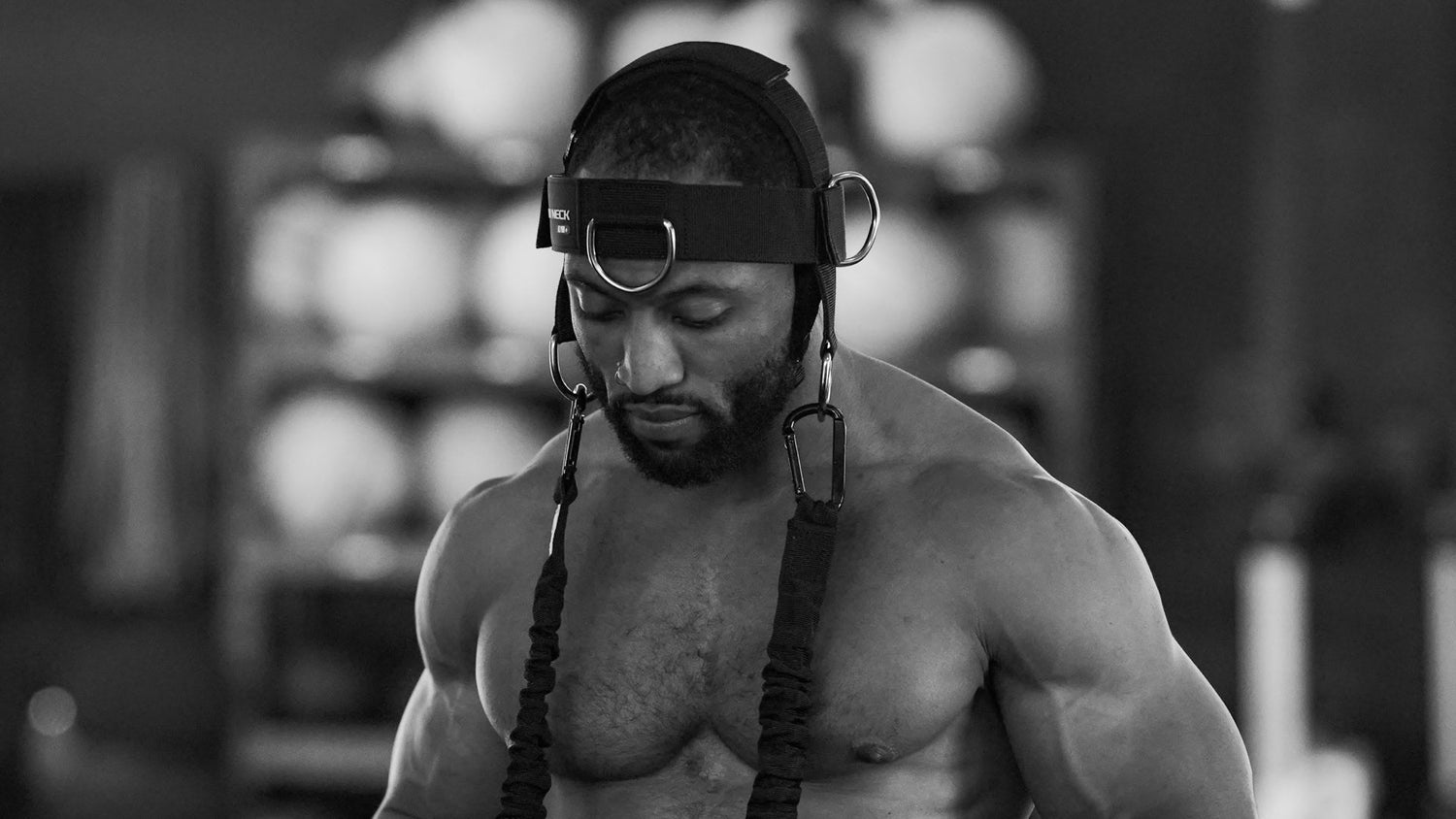
Neck Flexion Exercise: The Most Underrated Move for Neck Strength
If there is one neck exercise that delivers the most value for the widest range of goals — injury prevention, posture improvement, athletic performance, and aesthetic development — it is neck flexion. Yet it is consistently underperformed, misunderstood, or skipped entirely by the vast majority of people who train. This guide makes the case for neck flexion as the foundation of any serious neck training program, and provides everything you need to perform it correctly and progress systematically.
What Is Neck Flexion?
Neck flexion is the movement of bringing the chin toward the chest — the forward nodding motion of the head. In anatomical terms, it involves decreasing the angle between the anterior surfaces of the cervical vertebrae. The primary muscles responsible for neck flexion are the sternocleidomastoid (the large muscle that runs diagonally from behind the ear to the collarbone) and the deep cervical flexors (a group of smaller muscles that run along the front of the cervical spine).
These muscles are among the most important in the human body for both health and performance. The deep cervical flexors, in particular, are responsible for maintaining proper head position — the "chin tuck" position that keeps the head balanced over the spine rather than jutting forward. When these muscles are weak, the head drifts forward, creating the forward head posture that causes chronic neck tension, headaches, and increased injury risk.
Why Neck Flexion Is Underrated
Neck flexion is underrated for several reasons. First, it is invisible — the anterior neck muscles are not the muscles people see in the mirror, so they tend to be deprioritized in favor of more visible muscle groups. Second, most people have never been taught to train the neck directly, so they simply don't know neck flexion is a trainable movement. Third, the exercise looks deceptively simple — it's just nodding your head, right? — which leads people to underestimate its value and underinvest in it.
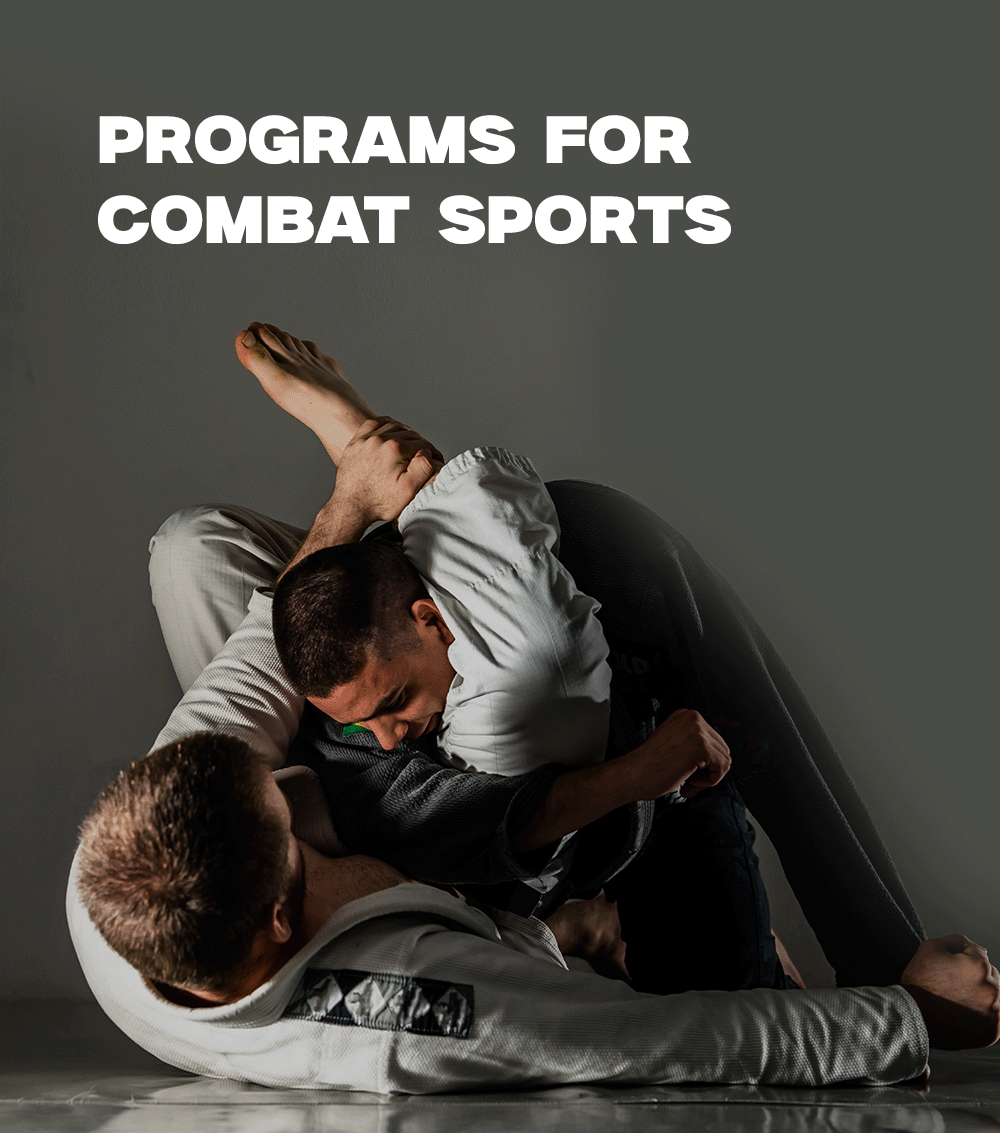
The reality is that neck flexion strength is one of the most important physical qualities for injury prevention in contact sports, one of the most effective interventions for chronic neck pain and forward head posture, and one of the most direct contributors to the visible development of the anterior neck. It deserves far more attention than it typically receives.
The Chin Tuck: The Foundation of Neck Flexion
Before performing any loaded neck flexion work, master the chin tuck. The chin tuck is a specific form of neck flexion that targets the deep cervical flexors — the muscles most responsible for maintaining proper head position and most weakened by forward head posture.
To perform: sit or stand with your spine in a neutral position. Without tilting your head up or down, draw your chin straight back as if making a double chin. You should feel a gentle stretch at the base of the skull and activation in the front of the neck. Hold for 2–3 seconds and release. Perform 3 sets of 15 repetitions.
The chin tuck is the most important exercise for anyone with forward head posture, chronic neck tension, or headaches. It directly addresses the muscle weakness that causes these problems and begins the process of restoring proper head position.
Neck Nods: Dynamic Neck Flexion
Neck nods add a full range of motion to the chin tuck movement. From a neutral position, slowly lower your chin toward your chest through the full range of motion, then return. Use a 3-second lowering phase and a 2-second return. This builds dynamic strength through the complete range of cervical flexion — not just at the end position, as the chin tuck does.
Perform 3 sets of 15 repetitions. As this becomes easy, add a 2-second pause at the bottom of the movement to increase the difficulty without adding external resistance.
Weighted Neck Flexion: The Primary Strength Builder
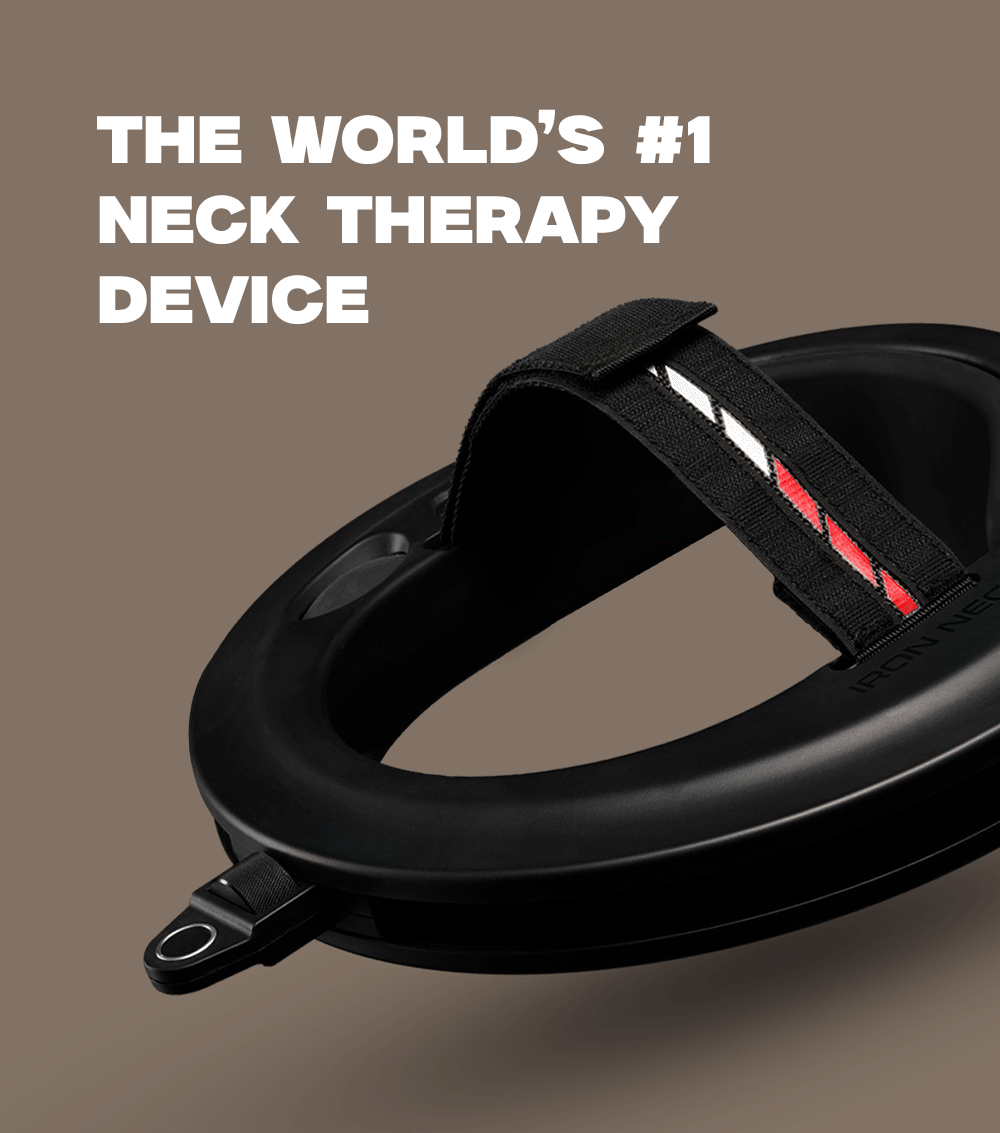
Weighted neck flexion is the primary exercise for building anterior neck strength and size. It requires a neck harness — a device that attaches to the head and allows weight plates to be hung from it.
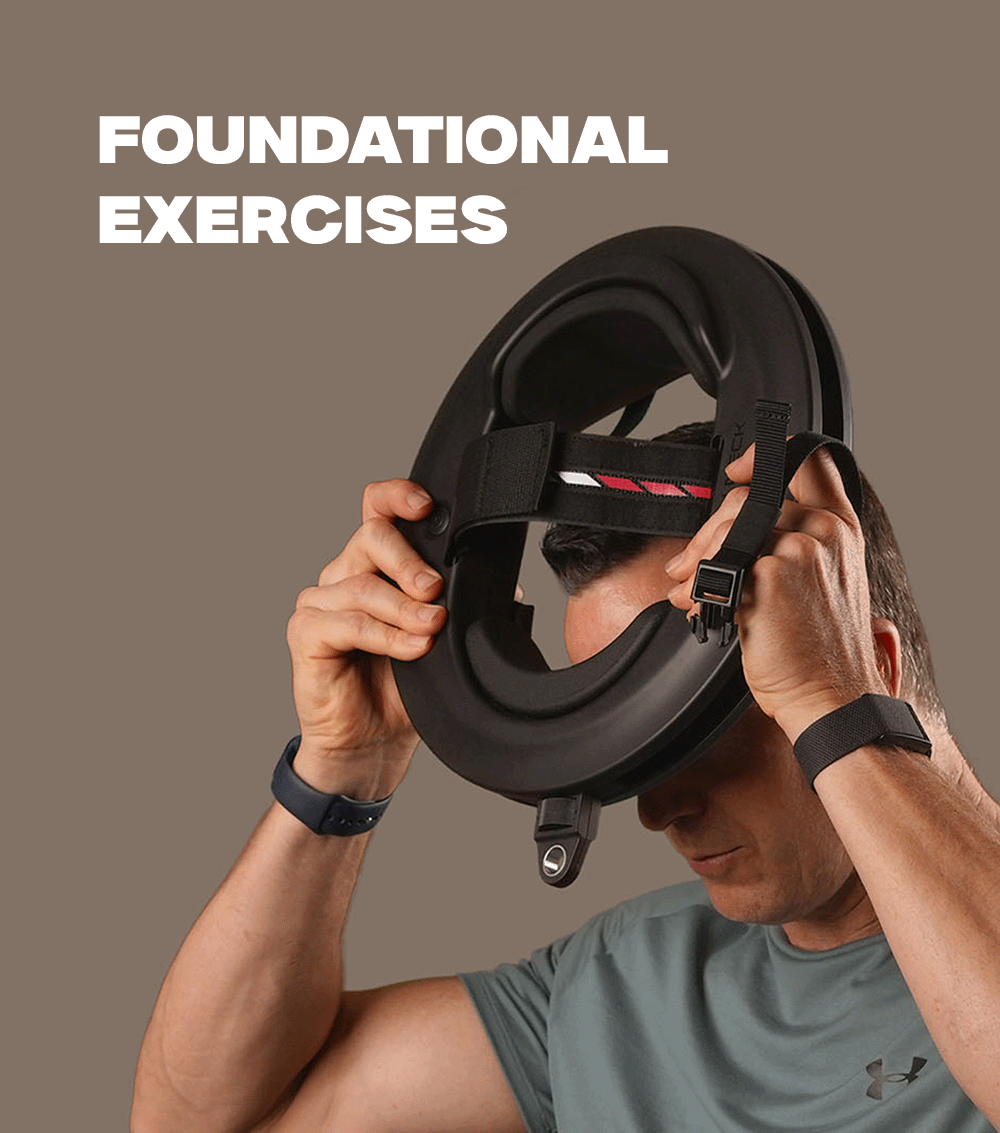
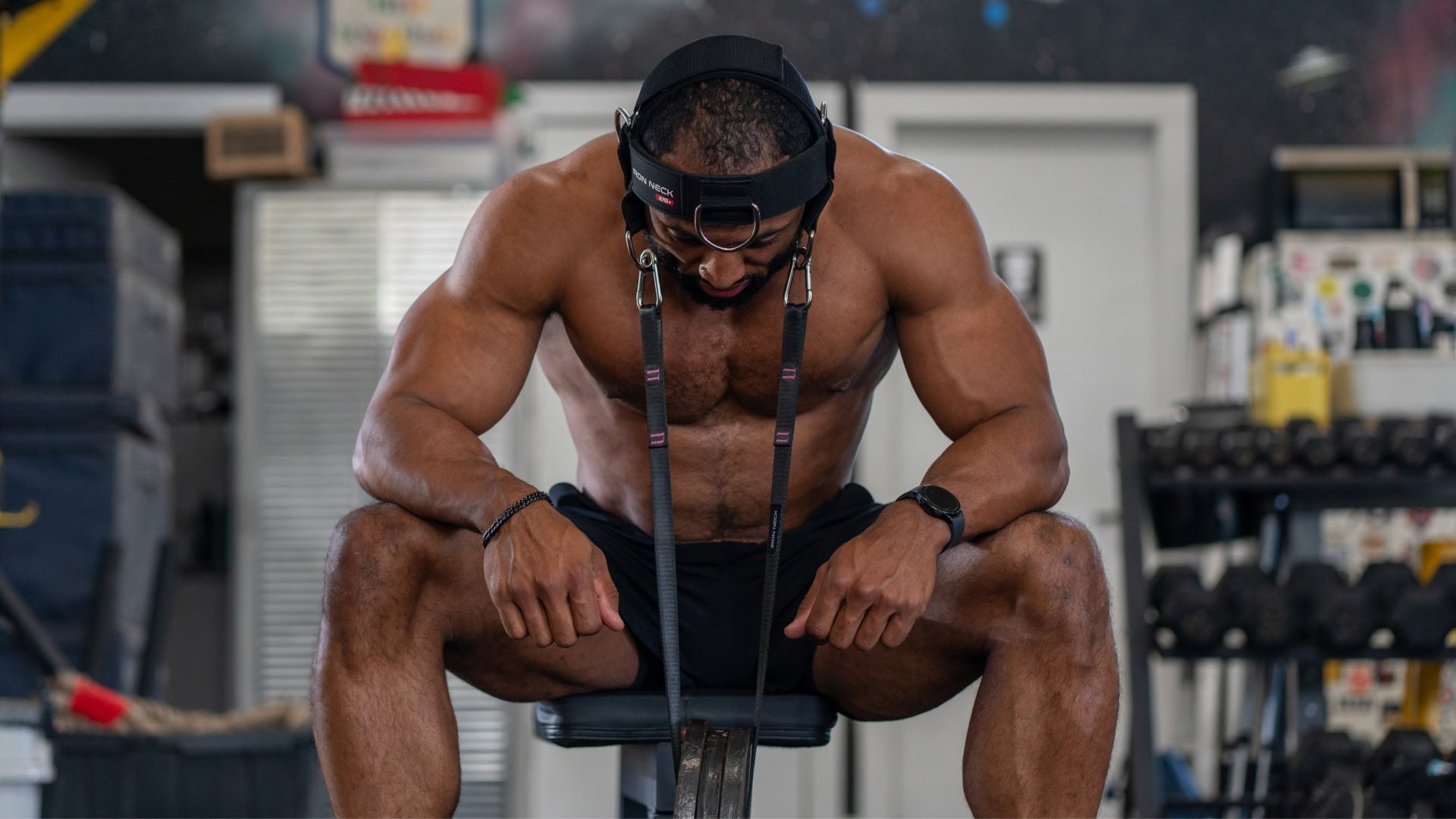
Using the Iron Neck Alpha Harness, attach a weight plate and allow your head to lower forward (chin toward chest) as the starting position. Raise your head to a neutral position and lower back down with a controlled 3-second eccentric phase. The eccentric phase — the lowering phase — is where most of the strength and hypertrophic stimulus occurs. Never rush it.
Start with a weight that allows 15 clean repetitions with full range of motion. Perform 4 sets of 12–15 repetitions. Add resistance progressively — 2.5 pounds every two to three weeks — as your strength increases.
Iron Neck Flexion Training
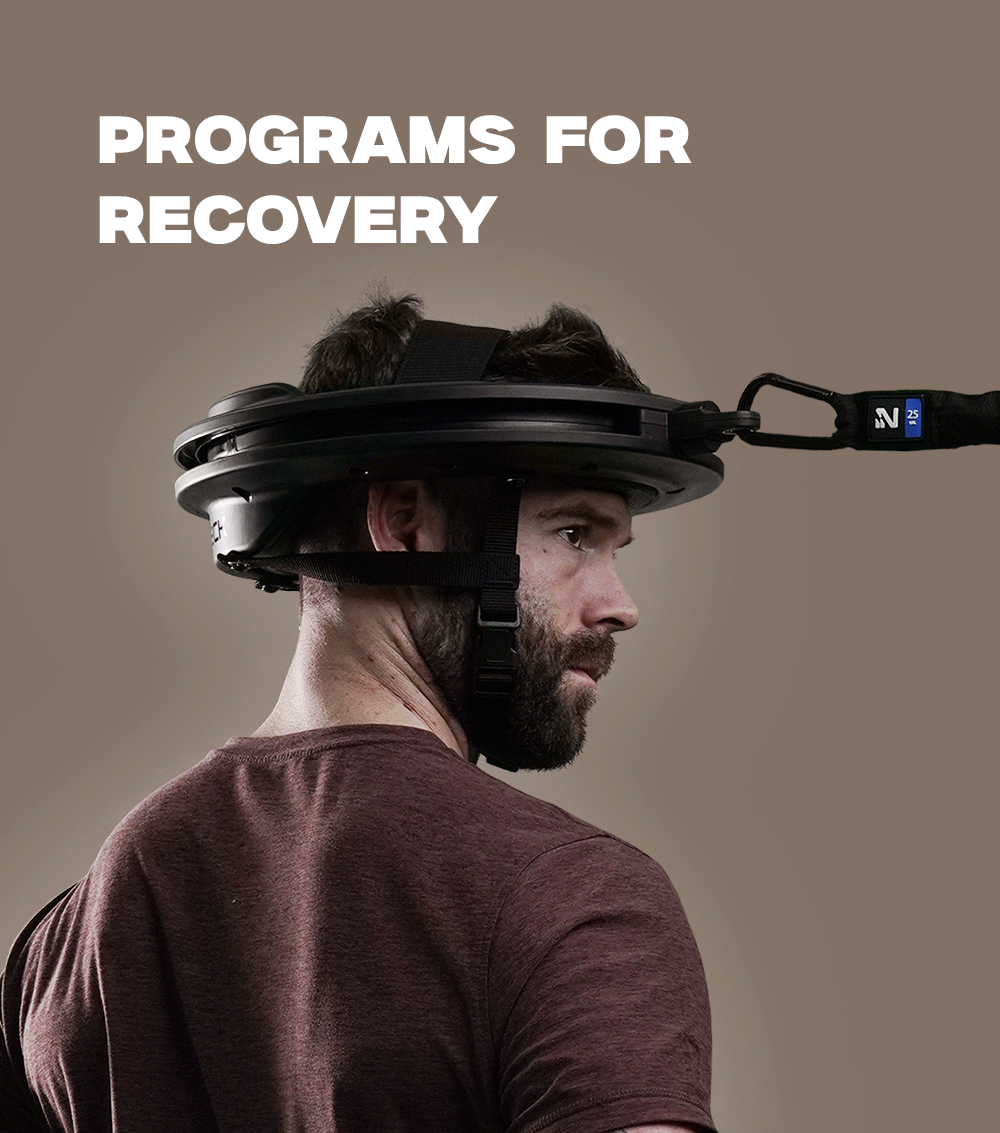
The Iron Neck 3.0 Pro enables a more sophisticated form of neck flexion training. Because it provides resistance through a cable system rather than hanging weight plates, the resistance is consistent throughout the range of motion — not just at the end point, as with hanging weights. This provides a more complete stimulus for the neck flexors across the entire movement.
The Iron Neck also allows you to combine flexion with rotational and lateral movements in a single exercise, building the functional strength that translates most directly to athletic performance. For serious athletes, Iron Neck flexion training represents the most advanced and effective approach to anterior neck development.
Programming Neck Flexion
Neck flexion should be performed two to three times per week as part of a complete neck training program. A typical session includes chin tucks as a warm-up, followed by weighted neck flexion as the primary exercise, followed by supplementary work for extension and lateral muscles.
Track your weights and reps for every session. Progressive overload — consistently increasing the resistance over time — is the only way to continue building strength and size beyond the initial adaptation phase. Without it, the neck, like any muscle group, will plateau.
The Payoff: What Strong Neck Flexors Do for You
Strong neck flexors improve posture by counteracting the forward head drift that develops from screen use and sedentary work. They reduce chronic neck tension by allowing the muscles to maintain proper head position with less effort. They protect against whiplash and concussion by resisting the forward acceleration of the head during impacts. And they contribute directly to the visible development of the anterior neck — the columns of muscle on the front of the neck that are the hallmark of a well-trained physique.
Neck flexion is not a glamorous exercise. It doesn't involve heavy weights or impressive-looking movements. But it is one of the highest-return exercises available — delivering benefits for health, performance, and aesthetics that far exceed the modest investment of time and effort it requires. Start doing it consistently, and you will notice the difference within weeks.
Leave a comment
This site is protected by hCaptcha and the hCaptcha Privacy Policy and Terms of Service apply.