




Neck Exercises for Headaches: Targeting Cervicogenic and Tension Headaches
A significant proportion of headaches, estimates range from 15 to 20 percent of all chronic headaches, originate in the cervical spine and surrounding musculature rather than in the brain itself. These cervicogenic headaches, along with the more common tension-type headaches that are driven by cervical muscle tension, respond remarkably well to targeted neck exercises and manual therapy. Understanding the relationship between the cervical spine and headache, and knowing which exercises address the underlying causes most effectively, can dramatically reduce headache frequency and severity without medication.
How the Neck Causes Headaches
The cervical spine and the head share a complex neurological relationship. The trigeminal nucleus caudalis, the brain structure that processes pain signals from the face and head, receives convergent input from the upper cervical nerve roots (C1, C2, and C3). This convergence means that pain signals from the upper cervical structures, including the suboccipital muscles, the C1-C2 facet joints, and the atlanto-occipital joint, can be perceived as headache pain rather than neck pain. This is the mechanism underlying cervicogenic headache.
Tension-type headaches, the most common type of headache, are driven by sustained contraction of the pericranial muscles, including the upper trapezius, suboccipitals, temporalis, and sternocleidomastoid. Poor posture, forward head position, and deep cervical flexor weakness all increase the sustained contraction of these muscles, which is why people who spend significant time at a computer or on a smartphone are disproportionately affected by tension headaches.
Exercises That Reduce Headache Frequency
Chin Tucks: Sit or stand with your back straight. Slide your head straight back as if making a double chin. Hold for 3 seconds and release. Perform 3 sets of 15 repetitions. Chin tucks are the most important exercise for both cervicogenic and tension-type headaches. They mobilize the upper cervical spine, reduce the compression on the C1-C2 facet joints, and activate the deep cervical flexors that reduce the sustained contraction of the superficial cervical muscles. Many people notice a reduction in headache frequency within two to four weeks of performing chin tucks daily.
Suboccipital Release: Lie on your back with a small rolled towel at the base of your skull. Allow the weight of your head to compress the suboccipital muscles against the towel for 2 to 3 minutes. The suboccipitals are the muscles most directly involved in cervicogenic headache, and this technique reduces their hypertonicity effectively. Perform daily, particularly on days when headache is present or anticipated.
Upper Cervical Flexion: Lie on your back with a small pillow under your head. Perform a gentle chin tuck and then nod your head slightly forward, as if saying "yes" with a very small movement. Hold for 5 seconds and release. Perform 3 sets of 10 repetitions. This exercise specifically mobilizes the upper cervical spine (C0-C1 and C1-C2 joints) and is particularly effective for cervicogenic headache.
Cervical Rotation: Sit upright. Slowly rotate your head to the right as far as comfortable. Hold for 2 seconds. Return to neutral and rotate to the left. Perform 10 repetitions per side. Restricted cervical rotation is a hallmark of cervicogenic headache, and restoring rotation range of motion is a key treatment goal.
Stretches for Headache Relief
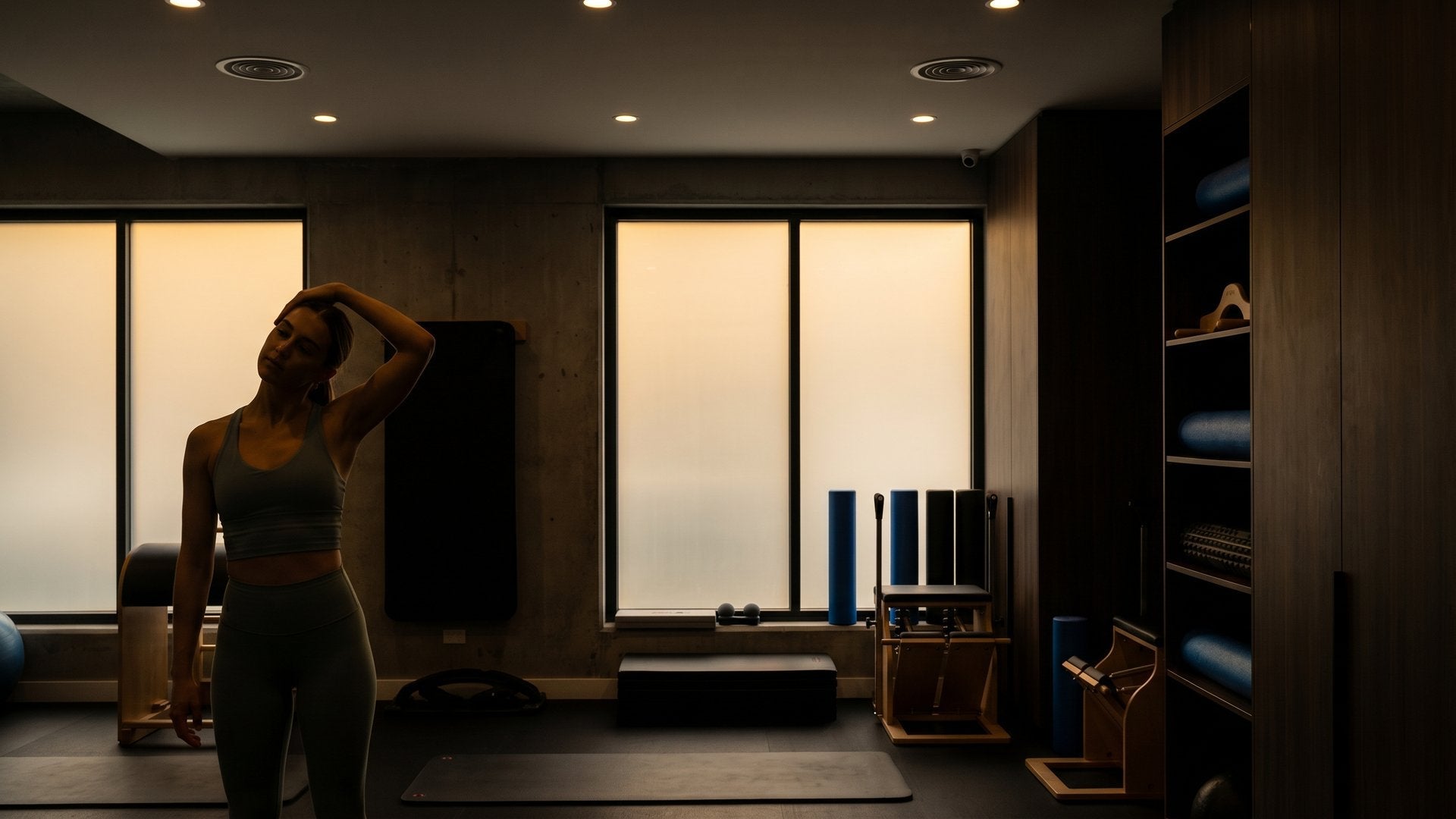
Upper Trapezius Stretch: Sit upright. Drop your right ear toward your right shoulder. Place your right hand on the left side of your head and apply gentle downward pressure. Hold for 30 seconds. Repeat on the opposite side. Perform twice per side, twice daily. The upper trapezius is one of the primary muscles involved in tension-type headache, and regular stretching significantly reduces its resting tension.
Suboccipital Stretch: Sit upright. Perform a chin tuck and then gently nod your head forward, as if looking at your lap. Place both hands on the back of your head and apply gentle downward pressure to increase the stretch. Hold for 30 seconds. Perform twice. This stretch targets the suboccipital muscles and is particularly effective for headaches that begin at the base of the skull.
Scalene Stretch: Sit upright. Tilt your head to the right and slightly back. Place your right hand on your left collarbone to stabilize the shoulder. Hold for 30 seconds. Repeat on the opposite side. The scalenes are frequently tight in people with forward head posture and contribute to both cervicogenic and tension-type headaches.
Strengthening to Prevent Headache Recurrence
Building long-term cervical strength and endurance is the most effective strategy for reducing headache frequency over time. The deep cervical flexors are the most important muscles to train, as their weakness is the most consistent finding in people with chronic cervicogenic and tension-type headaches.
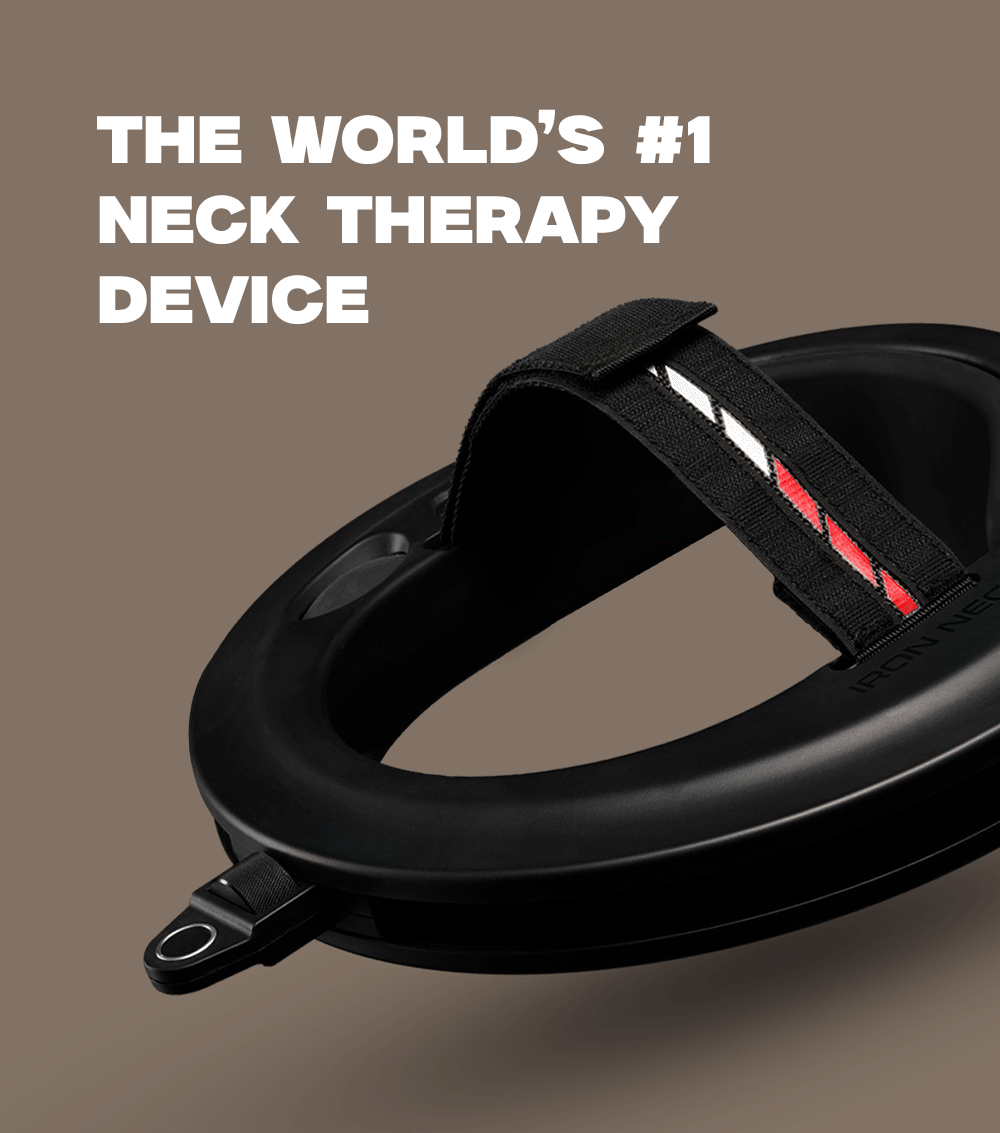
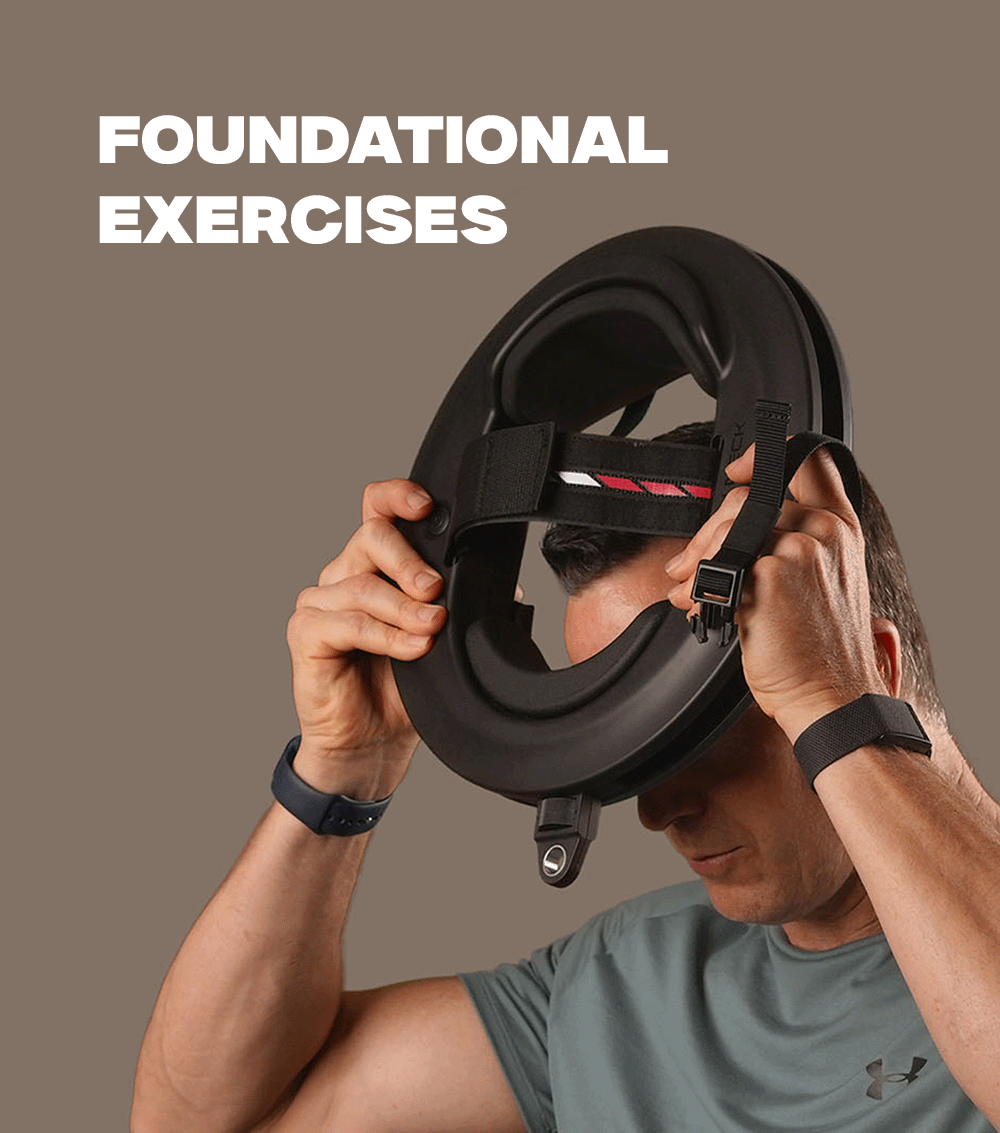
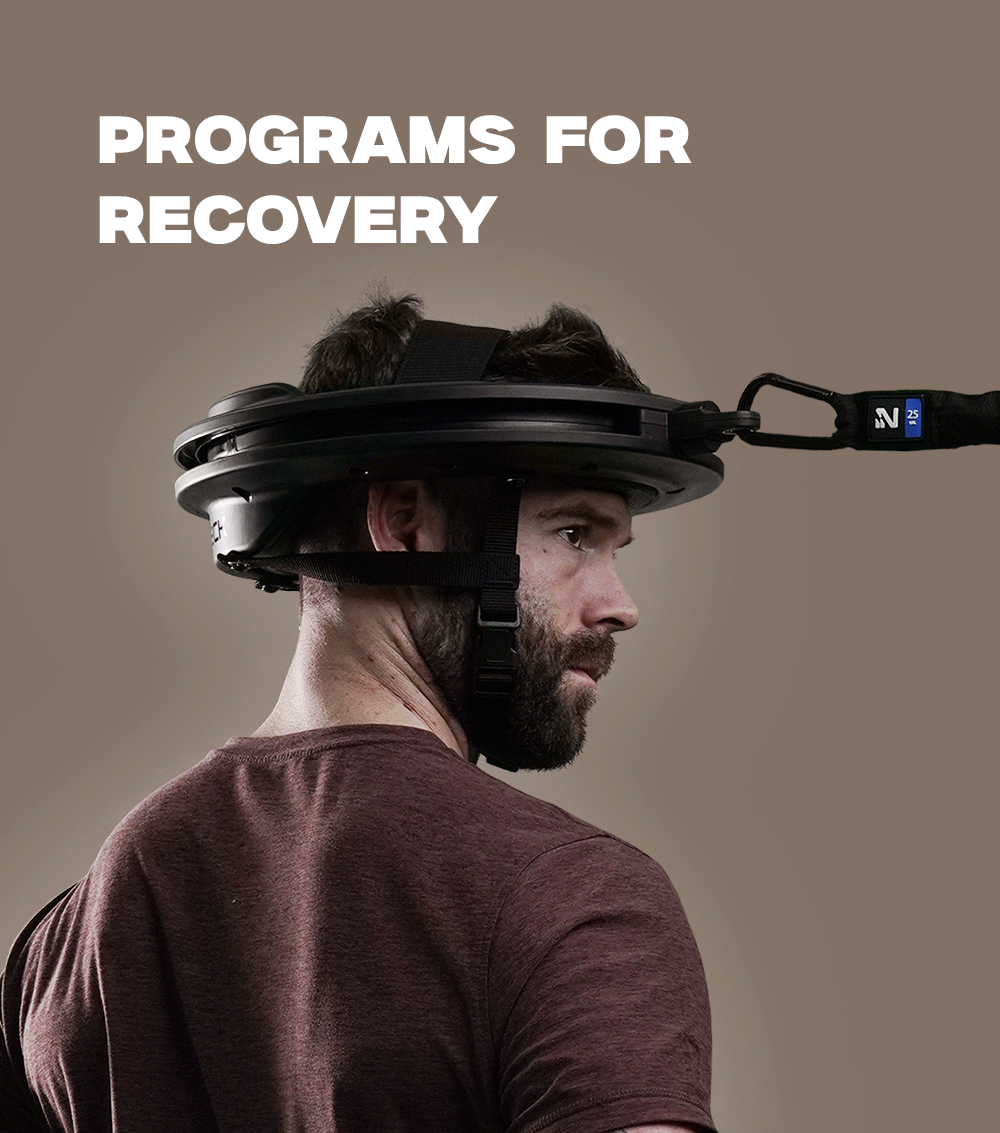
For progressive cervical strengthening, the Iron Neck device provides adjustable, 360-degree resistance for cervical rotation and extension training. Regular training with the Iron Neck builds the cervical muscle strength and endurance needed to maintain good posture throughout the day and reduce the sustained muscle tension that drives headache. Upper back strengthening with the Iron Neck resistance bands, including face pulls and pull-aparts, complements the cervical work and further reduces the mechanical stress on the upper cervical structures.
Lifestyle Factors That Influence Headache
Several lifestyle factors significantly influence headache frequency and should be addressed alongside the exercise program. Adequate hydration reduces the frequency of tension headaches; aim for at least eight glasses of water daily. Regular sleep, with consistent sleep and wake times, reduces headache frequency in most people. Stress management, through techniques such as progressive muscle relaxation, mindfulness, or regular aerobic exercise, reduces the muscle tension that drives tension-type headaches. And ergonomic modifications, particularly raising the monitor to eye level and holding the phone at face height, reduce the forward head position that is the primary postural driver of cervicogenic and tension-type headaches.

Leave a comment
This site is protected by hCaptcha and the hCaptcha Privacy Policy and Terms of Service apply.