




Neck Exercises After Cervical Fusion: A Phase-by-Phase Recovery Guide
Cervical fusion surgery, whether performed as an anterior cervical discectomy and fusion (ACDF), a posterior cervical fusion, or a cervical disc replacement, is one of the most commonly performed spinal procedures. It is performed to relieve nerve root or spinal cord compression caused by herniated discs, bone spurs, or instability, and it produces excellent outcomes for the majority of patients when followed by appropriate rehabilitation. The rehabilitation process after cervical fusion is distinct from other cervical conditions because the fused segments are permanently immobilized, which changes the biomechanical demands on the adjacent segments and the surrounding musculature. Understanding these changes and training accordingly is essential for achieving the best possible long-term outcome.
What Changes After Cervical Fusion
When two or more cervical vertebrae are fused, the motion that previously occurred at those segments is transferred to the adjacent segments above and below the fusion. This phenomenon, known as adjacent segment motion, increases the mechanical stress on the adjacent discs and facet joints and is the primary reason why adjacent segment disease, the development of new symptoms at the levels adjacent to the fusion, is a recognized long-term complication of cervical fusion. Strengthening the muscles that support the cervical spine reduces the mechanical stress on the adjacent segments and is the most important modifiable factor in preventing adjacent segment disease.
Phase 1: Protection and Gentle Mobilization (Weeks 0 to 6)
The first six weeks after cervical fusion are focused on protecting the fusion while it heals and preventing excessive stiffness in the non-fused segments. Most patients are in a cervical collar during this period, and active use of the cervical spine is restricted.
Collar Use: Follow your surgeon's specific instructions regarding collar use. Most patients wear a rigid or soft collar for four to six weeks post-surgery. The collar protects the fusion site while the bone graft heals and the vertebrae begin to fuse.
Gentle Shoulder and Upper Back Exercises: While the cervical spine is immobilized, maintaining mobility and strength in the shoulders and upper back prevents the deconditioning that would otherwise occur during the immobilization period. Perform gentle shoulder rolls, scapular retraction, and elbow mobility exercises throughout the day.
Walking: Gentle walking is encouraged from the first week post-surgery. Walking promotes circulation, reduces the risk of blood clots, and maintains general physical conditioning without placing excessive stress on the fusion site.
Phase 2: Restoring Range of Motion (Weeks 6 to 12)
As the fusion begins to consolidate and the collar is discontinued, the focus shifts to restoring range of motion in the non-fused segments. The total range of motion of the cervical spine will be permanently reduced by the fusion, but the non-fused segments can compensate partially for this loss if they are maintained in good condition.
Gentle Active Range of Motion: Perform slow, controlled movements through your comfortable range of motion in all planes: rotation, lateral flexion, flexion, and extension. Move only to the point where you feel mild discomfort, not sharp pain. Perform 10 repetitions in each direction, twice daily. Move within the range that your surgeon has cleared; do not attempt to force movement at the fusion site.
Chin Tucks: Sit or stand with your back straight. Slide your head straight back as if making a double chin. Hold for 3 seconds and release. Perform 3 sets of 15 repetitions. Chin tucks are safe after cervical fusion and are one of the most beneficial exercises for maintaining the alignment of the non-fused segments.
Phase 3: Strengthening (Weeks 12 to 20)
Once the fusion is confirmed to be consolidating on imaging (typically at the 3-month post-operative visit), progressive strengthening of the cervical and upper back muscles begins. This phase is critical for reducing the mechanical stress on the adjacent segments and preventing adjacent segment disease.
Isometric Neck Strengthening: Sit upright. Place your palm against your forehead and push your head forward against your hand without allowing your head to move. Hold for 5 seconds. Repeat with your hand on the back of your head, on the right side, and on the left side. Perform 3 repetitions in each direction. Isometric exercises build cervical muscle strength without requiring joint movement at the fusion site.
Band Face Pulls: Attach a resistance band at face height. Pull the band toward your face while simultaneously externally rotating your shoulders. Squeeze your shoulder blades together and down. Perform 3 sets of 15 repetitions. The Iron Neck resistance bands are ideal for this exercise.
Band Rows: Attach a resistance band at chest height. Pull the band toward your chest by squeezing your shoulder blades together. Perform 3 sets of 15 repetitions.
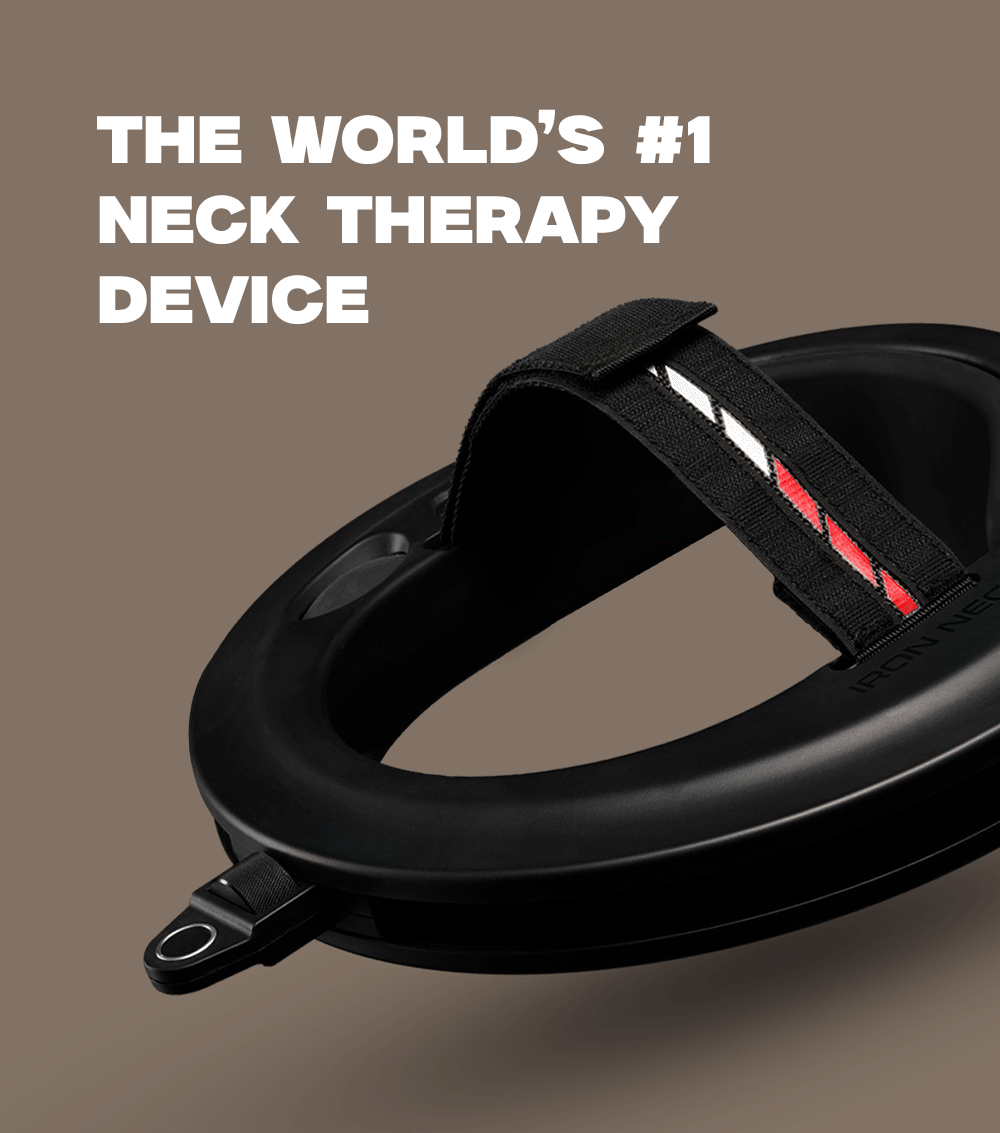
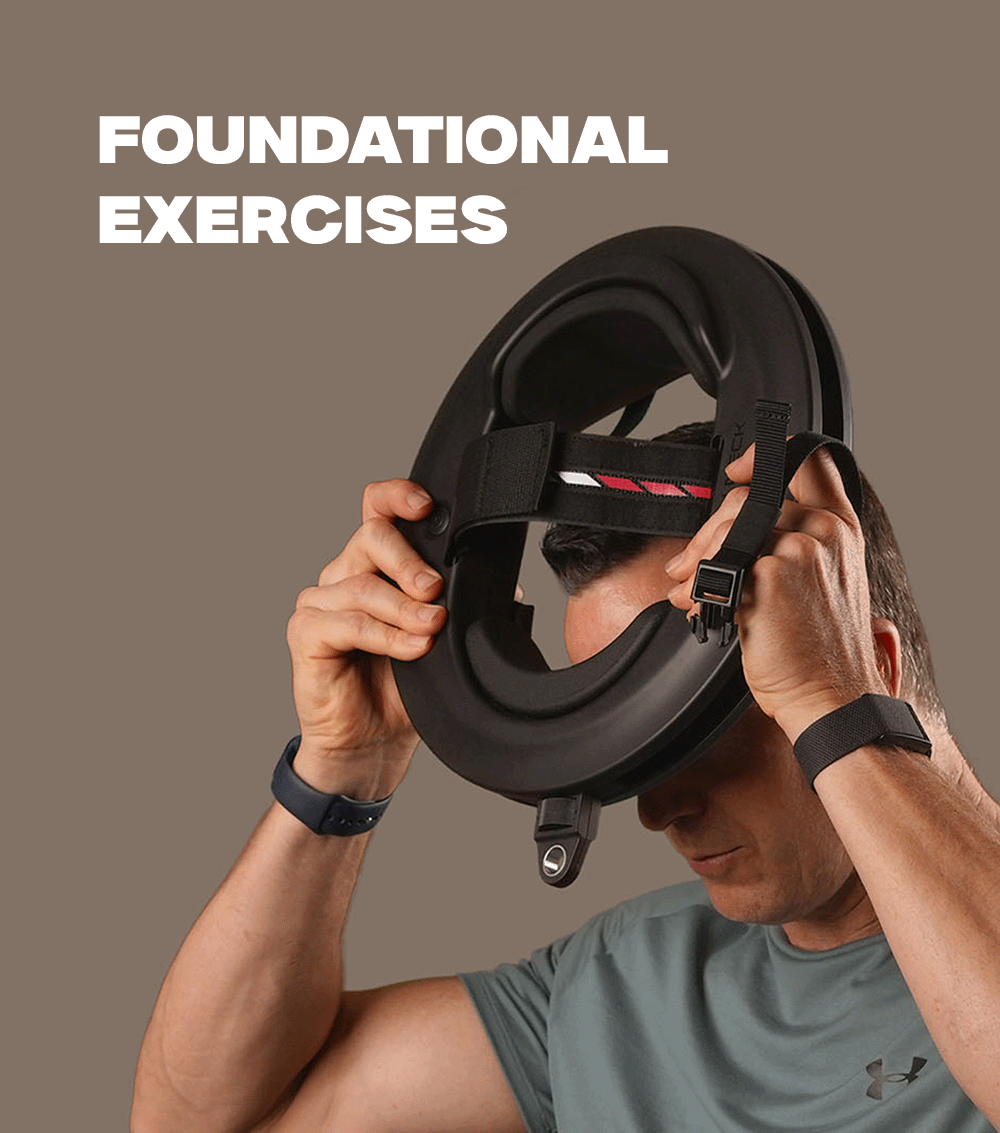
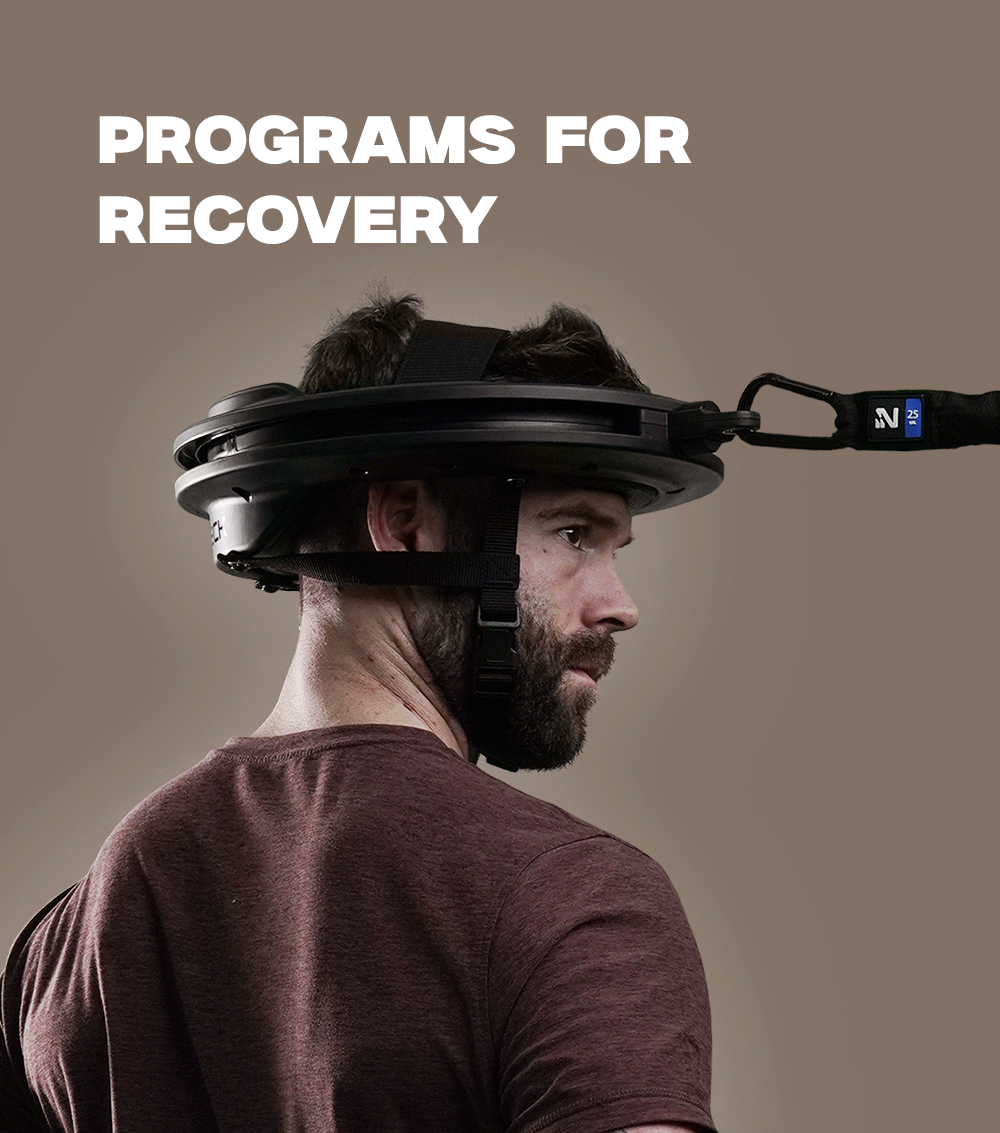
Progressive Cervical Strengthening: For patients who want to build more significant cervical strength after fusion, the Iron Neck device provides adjustable, 360-degree resistance for cervical rotation and extension training. This allows systematic progressive overload of the cervical muscles while maintaining control over the range of motion and resistance level. Begin with very light resistance and progress gradually, always staying within the range of motion cleared by your surgeon.
Long-Term Considerations
After cervical fusion, certain activities and positions should be approached with caution indefinitely. Heavy overhead lifting increases the axial load on the adjacent segments and should be avoided or approached carefully. Contact sports that involve the risk of cervical trauma are generally contraindicated after cervical fusion. And any activity that produces new neurological symptoms, such as radiating pain, numbness, or weakness in the arms, should be reported to your surgeon promptly, as these may indicate adjacent segment disease or other complications.
Regular cervical and upper back strengthening, performed consistently over the long term, is the most effective strategy for maintaining the health of the non-fused segments and preventing adjacent segment disease. Make it a permanent part of your fitness routine rather than a temporary rehabilitation measure.


Leave a comment
This site is protected by hCaptcha and the hCaptcha Privacy Policy and Terms of Service apply.