



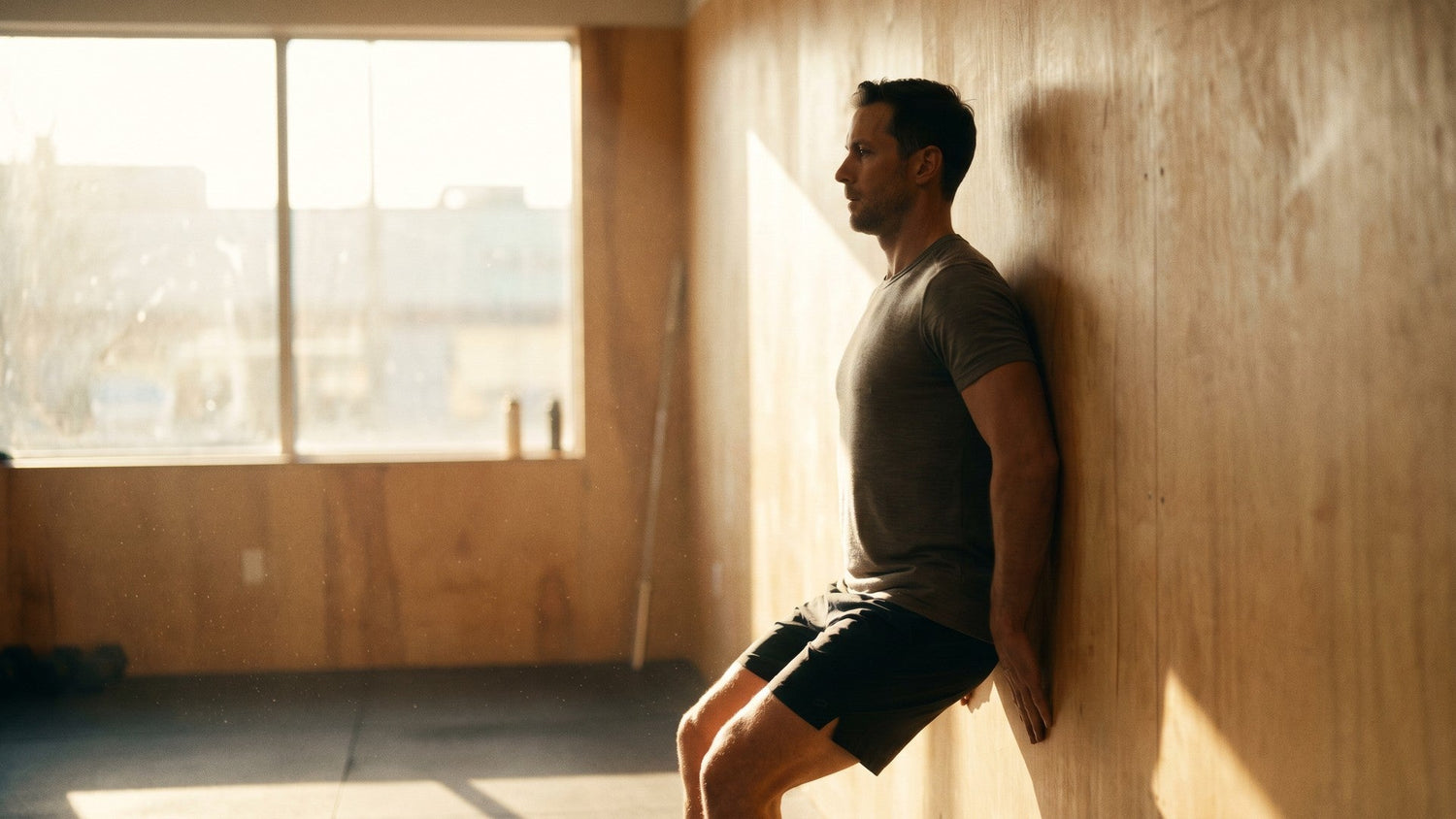
How to Improve Your Posture: A Complete Guide for Beginners
Posture is one of those topics that almost everyone knows they should pay attention to and almost no one does consistently. The instructions seem simple enough — sit up straight, pull your shoulders back, don't hunch — but the reality of maintaining good posture throughout a modern workday, with its hours of screen time and sedentary sitting, is far more complex than any single cue can address. This guide takes a comprehensive approach to posture improvement, covering the anatomy of good posture, the most common postural dysfunctions and their causes, and the evidence-based exercises and habits that produce lasting change.
What Good Posture Actually Means
Good posture is not a rigid, military-style position of maximum uprightness. It is a dynamic state in which the body's segments are aligned in a way that minimizes the mechanical stress on the joints, muscles, and connective tissues during both static positions and movement. In the standing position, good posture is characterized by the ear, shoulder, hip, knee, and ankle being roughly aligned in a vertical line when viewed from the side. The natural curves of the spine — the cervical lordosis (inward curve of the neck), thoracic kyphosis (outward curve of the upper back), and lumbar lordosis (inward curve of the lower back) — are maintained within their normal ranges.
The most important thing to understand about posture is that no single position is good if it is held for too long. The human body is designed for movement, and prolonged static postures of any kind, even technically "correct" ones, create mechanical stress and muscle fatigue. The goal of posture improvement is not to find the perfect position and hold it all day, but to develop the strength, mobility, and body awareness to move through a wide range of positions comfortably and to return to good alignment naturally after periods of movement.
The Most Common Postural Problems
Forward Head Posture: The most prevalent postural dysfunction in the modern world, forward head posture occurs when the head sits anterior to its optimal position over the shoulders. For every inch the head moves forward from its neutral position, the effective weight it exerts on the cervical spine increases by approximately 10 pounds. A head that is 3 inches forward of neutral exerts approximately 40 pounds of force on the cervical spine, compared to the 10 to 12 pounds it would exert in neutral. This dramatically increases the load on the cervical muscles and the intervertebral discs, contributing to neck pain, headaches, and cervical degenerative change.
Upper Crossed Syndrome: Upper crossed syndrome is a pattern of muscle imbalance in the upper body in which the chest muscles (pectorals) and upper trapezius are tight and overactive, while the deep cervical flexors and lower trapezius are weak and underactive. This pattern produces the characteristic rounded shoulders, forward head position, and upper back rounding that is ubiquitous among desk workers and smartphone users.
Thoracic Kyphosis: Excessive rounding of the upper back (hyperkyphosis) is both a cause and a consequence of upper crossed syndrome. It reduces the space available for the shoulder joints, contributes to shoulder impingement, and forces the head forward to maintain a level gaze.
The Foundation: Strengthening the Right Muscles
Posture improvement requires more than stretching tight muscles; it requires building strength in the muscles that are weak and underactive. The most important muscles to strengthen for posture improvement are the deep cervical flexors, the lower trapezius, the serratus anterior, and the thoracic extensors.
Chin Tucks for Deep Cervical Flexor Strength: Sit or stand with your back straight. Slide your head straight back as if making a double chin. Hold for 3 seconds and release. Perform 3 sets of 15 repetitions. Chin tucks are the single most important exercise for forward head posture, activating the deep cervical flexors (longus colli and longus capitis) that are most responsible for maintaining the natural cervical curve. Perform them multiple times throughout the day for the fastest results.
Band Face Pulls for Lower Trapezius and Posterior Rotator Cuff: Attach a resistance band at face height. Pull the band toward your face while simultaneously externally rotating your shoulders. Squeeze your shoulder blades together and down. Perform 3 sets of 15 repetitions. Face pulls are one of the most effective exercises for upper crossed syndrome, strengthening the lower trapezius and posterior rotator cuff while stretching the anterior shoulder structures. The Iron Neck resistance bands are ideal for this exercise.
Band Pull-Aparts for Mid Trapezius and Rhomboids: Hold a resistance band in front of you at chest height with both hands, arms straight. Pull the band apart by squeezing your shoulder blades together. Return slowly. Perform 3 sets of 20 repetitions.
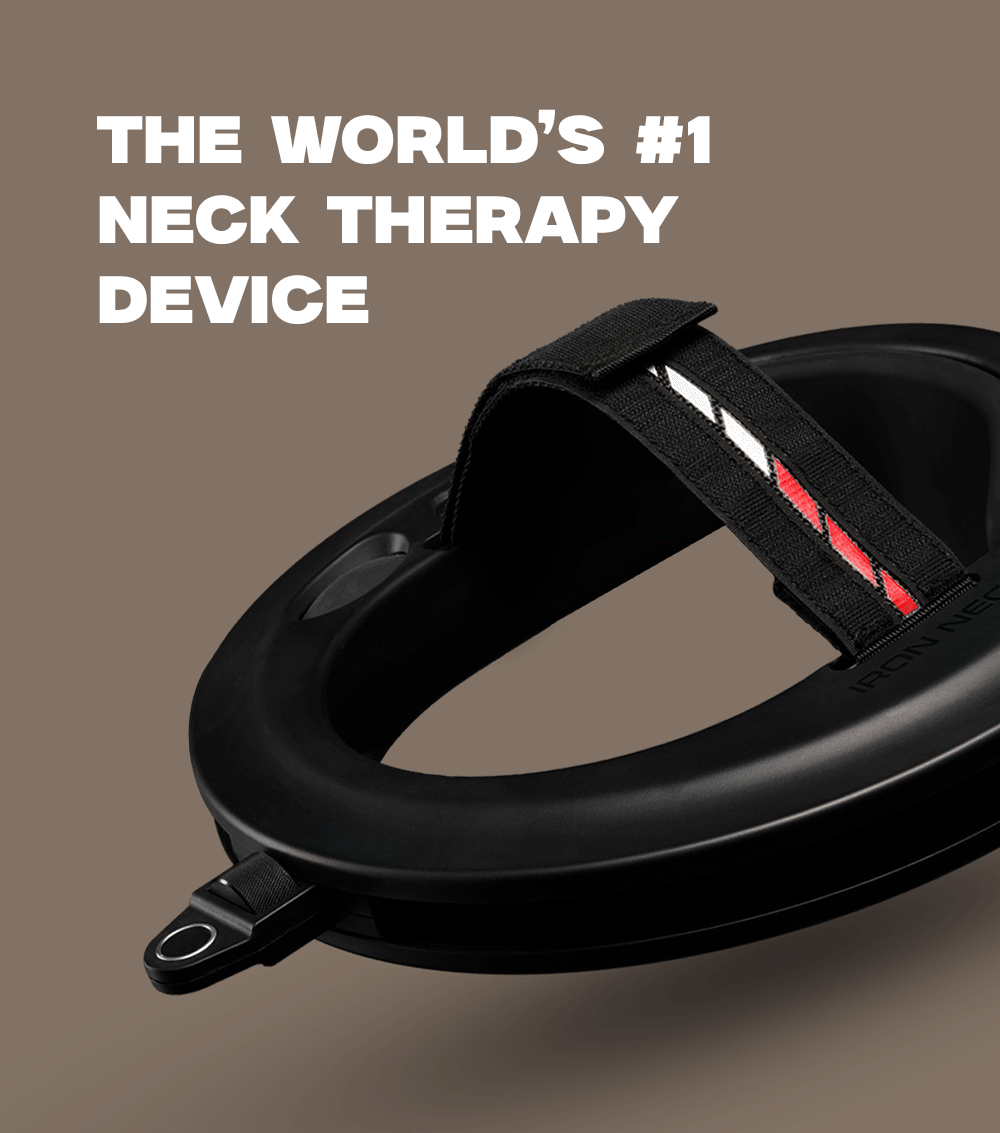
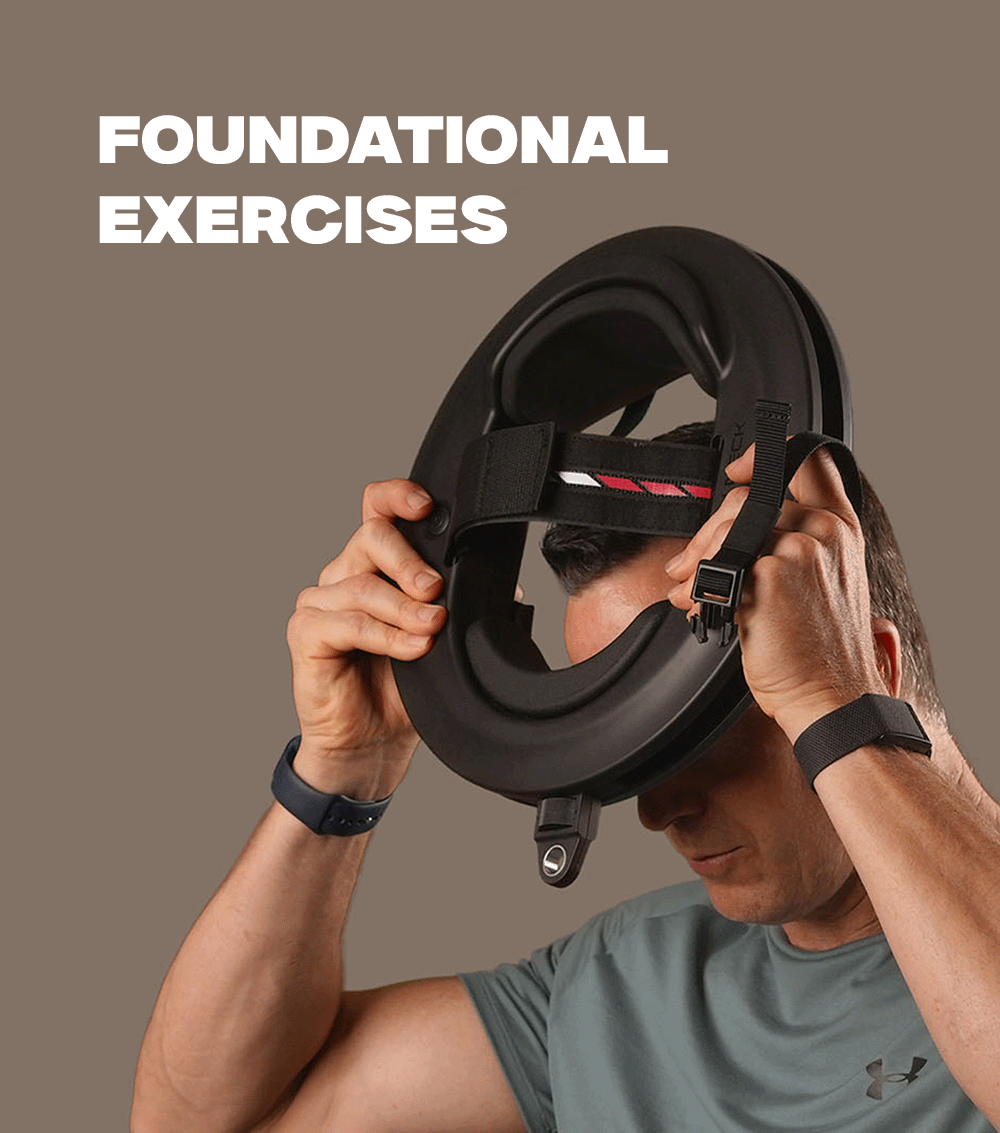
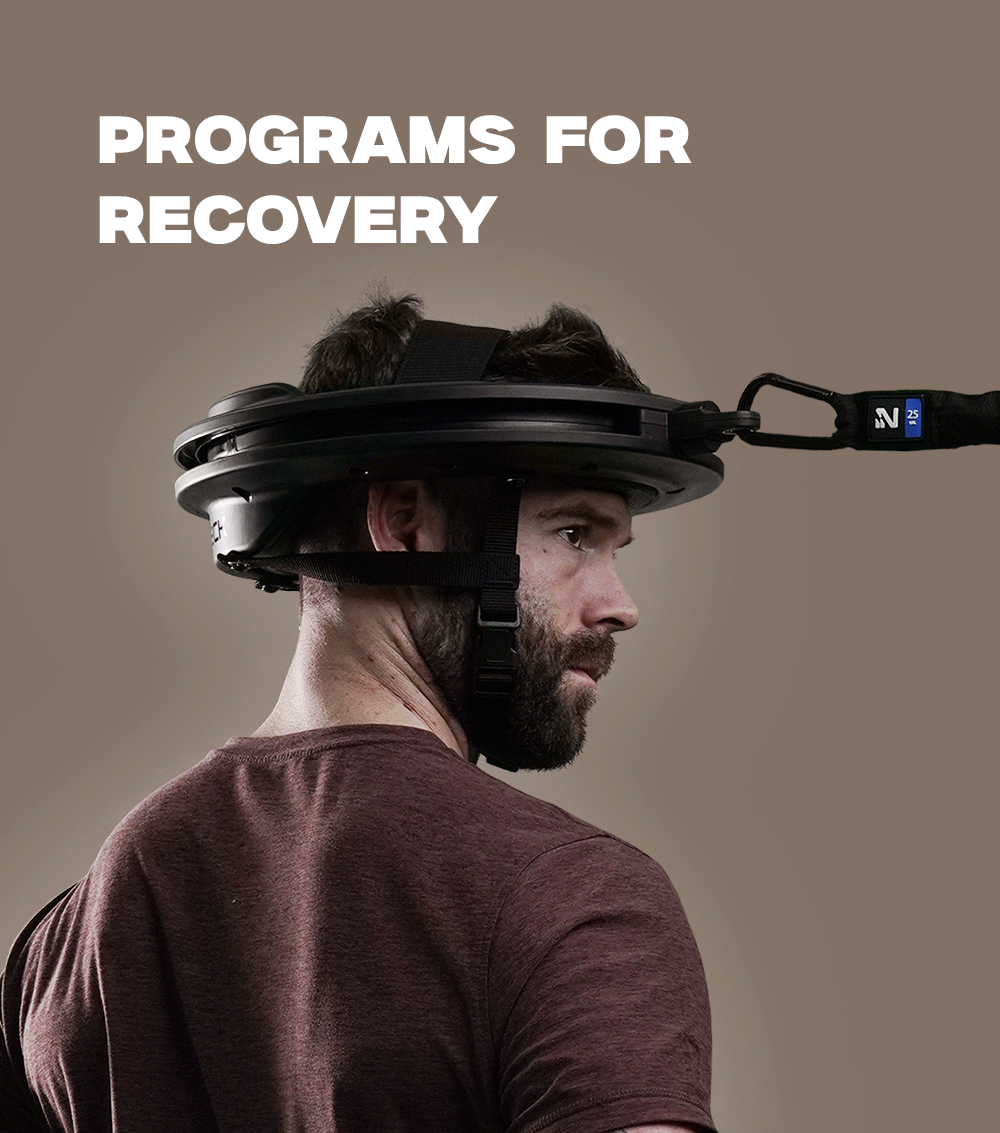
Progressive Cervical Strengthening: For comprehensive cervical posture improvement, the Iron Neck device provides adjustable, 360-degree resistance for cervical rotation and extension training. Regular training with the Iron Neck builds the cervical muscle strength and endurance needed to maintain good head position throughout the day, even during prolonged periods of computer use.
Stretching Tight Muscles
Chest Stretch: Stand in a doorway with your arms at 90 degrees, forearms resting on the door frame. Step forward until you feel a stretch across the front of your chest. Hold for 30 seconds. Perform twice. Tight pectoral muscles are a primary driver of rounded shoulders and should be stretched daily.
Upper Trapezius Stretch: Sit upright. Drop your right ear toward your right shoulder. Place your right hand on the left side of your head and apply gentle downward pressure. Hold for 30 seconds. Repeat on the opposite side. Perform twice per side.
Thoracic Extension: Place a foam roller at mid-back level, perpendicular to your spine. Support your head with your hands and extend backward over the roller. Hold each position for 5 to 10 seconds, then shift the roller one inch up your spine. Work from the mid-back to the base of the neck. Thoracic extension is one of the most effective techniques for reducing thoracic kyphosis and immediately improving posture.
Ergonomic Modifications
Exercise builds the strength and mobility needed for good posture. Ergonomic modifications ensure those gains are reinforced during the hours when you are not exercising. Raise your monitor to eye level so that the top of the screen is at or slightly below eye height. Hold your phone at face height rather than looking down at it. Use a chair with good lumbar support and sit with your hips slightly higher than your knees. Take a movement break every 30 to 45 minutes, performing a quick chin tuck and shoulder blade squeeze to reset your posture. These modifications significantly reduce the mechanical load on the cervical and thoracic spine during the workday.
Building the Habit
Posture improvement is a long-term project, not a quick fix. The postural dysfunctions that most people carry took years to develop and will take months of consistent effort to reverse. The most effective approach is to build a daily routine that combines targeted exercises (10 to 15 minutes per day) with regular postural resets throughout the day (a chin tuck and shoulder blade squeeze every hour) and ergonomic modifications at your workstation. Within four to eight weeks of consistent effort, most people notice significant improvements in their resting posture, pain levels, and body awareness.


Leave a comment
This site is protected by hCaptcha and the hCaptcha Privacy Policy and Terms of Service apply.