




Neck Arthritis Exercises: Managing Cervical Spondylosis Through Movement
Cervical spondylosis, the medical term for age-related degenerative changes in the cervical spine, is extraordinarily common. Radiographic evidence of cervical spondylosis is present in approximately 25 percent of people by age 40, 50 percent by age 50, and 85 percent by age 60. Despite its prevalence, cervical spondylosis does not inevitably cause pain or disability. Many people have significant radiographic changes with no symptoms at all, while others with minimal changes have significant pain. The relationship between structural changes and symptoms is complex, and exercise plays a crucial role in managing symptoms regardless of the degree of structural change present.
How Exercise Helps Cervical Spondylosis
Exercise benefits people with cervical spondylosis through several mechanisms. Strengthening the muscles that support the cervical spine reduces the load on the degenerating discs and facet joints, slowing the progression of degenerative change and reducing pain. Maintaining cervical range of motion prevents the stiffness that is a common and disabling feature of cervical spondylosis. Improving posture reduces the mechanical stress on the cervical spine during daily activities. And aerobic exercise reduces systemic inflammation and improves pain tolerance through the release of endogenous opioids and other pain-modulating substances.
Range of Motion Exercises
Maintaining cervical range of motion is one of the most important goals for people with cervical spondylosis, as progressive stiffness significantly limits daily function and quality of life. Perform these exercises daily, moving slowly and within your comfortable range of motion.
Cervical Rotation: Sit upright. Slowly rotate your head to the right, looking over your right shoulder, until you reach your comfortable end range. Hold for 2 seconds. Return to neutral and rotate to the left. Perform 10 repetitions per side. Rotation restriction is often the first mobility limitation to appear in cervical spondylosis and the most functionally significant for driving and daily activities.
Lateral Flexion: Sit upright. Slowly drop your right ear toward your right shoulder, keeping your left shoulder down and relaxed. Hold for 2 seconds at the end range. Return to neutral and repeat on the left side. Perform 10 repetitions per side.
Flexion and Extension: Sit upright. Slowly lower your chin toward your chest. Hold for 2 seconds. Then slowly raise your head and look upward. Hold for 2 seconds. Return to neutral. Perform 10 repetitions in each direction. Move within your comfortable range; do not force extension if it is painful.
Strengthening Exercises
Chin Tucks: Sit or stand with your back straight. Slide your head straight back as if making a double chin. Hold for 3 seconds and release. Perform 3 sets of 15 repetitions. Chin tucks strengthen the deep cervical flexors and improve the alignment of the cervical spine, reducing the mechanical stress on the degenerating structures.
Isometric Neck Strengthening: Sit upright. Place your palm against your forehead and push your head forward against your hand without allowing your head to move. Hold for 5 seconds. Repeat with your hand on the back of your head (resisting extension), on the right side of your head (resisting right lateral flexion), and on the left side (resisting left lateral flexion). Perform 3 repetitions in each direction. Isometric exercises build cervical muscle strength without requiring joint movement, making them appropriate for people with significant pain or stiffness.
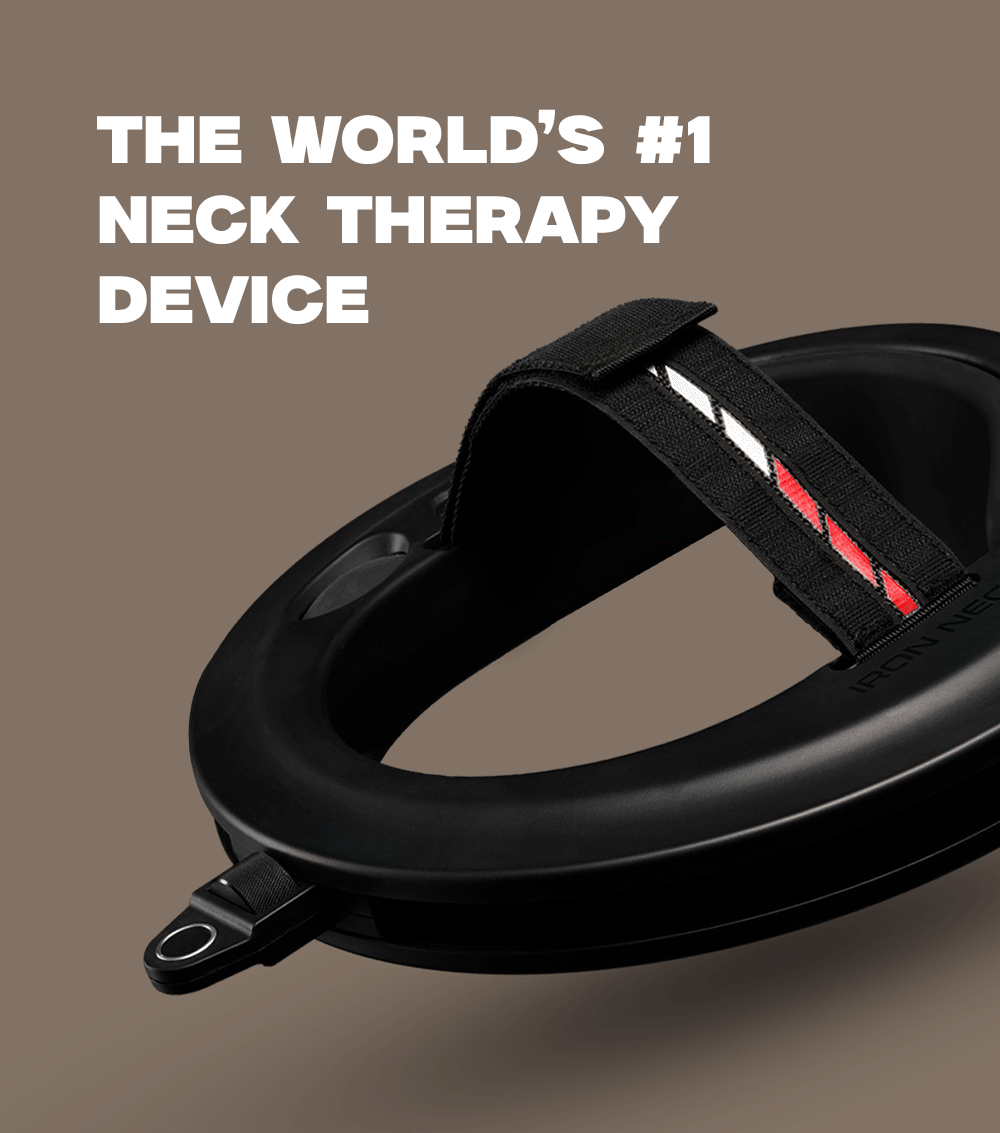
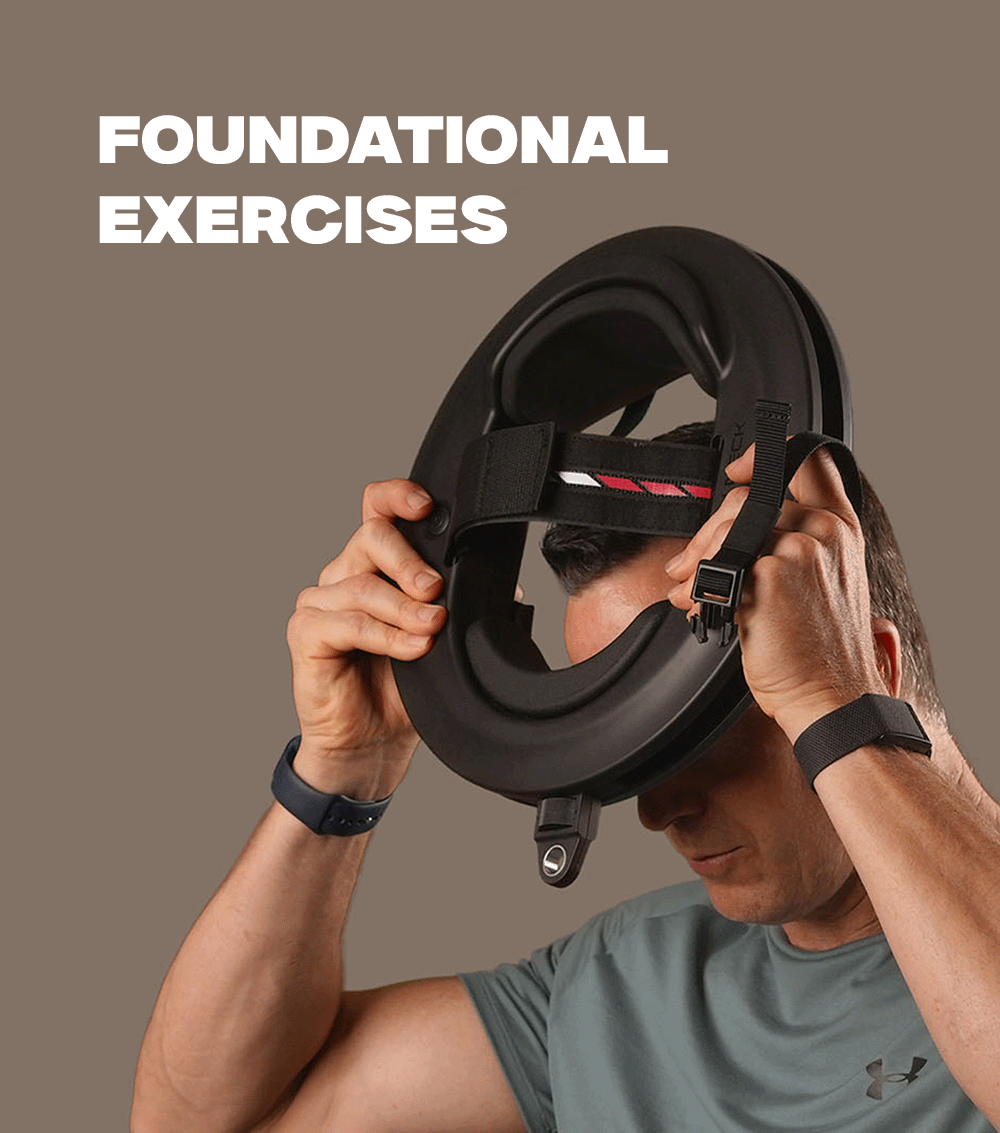
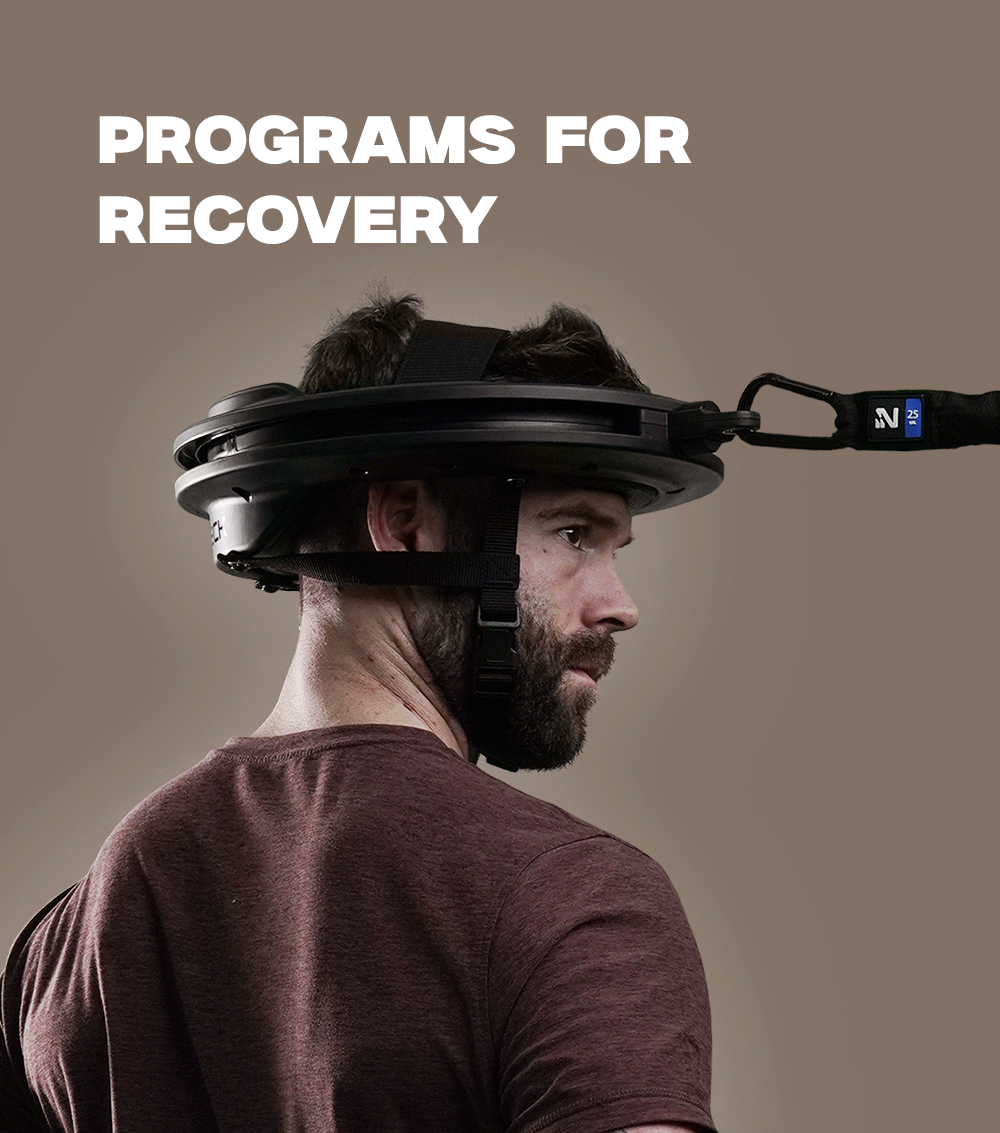
Progressive Cervical Strengthening: For people with cervical spondylosis who want to build more significant cervical strength, the Iron Neck device provides adjustable, 360-degree resistance for cervical rotation and extension training. This allows systematic progressive overload of the cervical muscles while maintaining control over the range of motion and resistance level. Begin with very light resistance and progress gradually.
Upper Back Strengthening: Strengthening the upper back muscles reduces the forward rounding that increases the mechanical stress on the cervical spine. Perform band face pulls (3 sets of 15 repetitions) and band pull-aparts (3 sets of 20 repetitions) using the Iron Neck resistance bands three times per week.
Heat and Cold Therapy
Heat applied to the neck before exercise increases tissue extensibility and reduces muscle guarding, making the range of motion exercises more comfortable and effective. Apply a heat pack for 15 to 20 minutes before your exercise routine. Cold applied after exercise reduces post-exercise inflammation and can reduce pain. Apply an ice pack for 15 to 20 minutes after exercise. Experiment with both to determine which provides the most relief for your specific symptoms.
Lifestyle Modifications
Ergonomic modifications significantly reduce the mechanical stress on the cervical spine during daily activities. Raise your monitor to eye level. Hold your phone at face height. Use a supportive pillow that maintains the natural cervical curve during sleep. Avoid prolonged static postures by taking a movement break every 30 to 45 minutes. These modifications, combined with regular exercise, are the most effective approach to managing cervical spondylosis symptoms over the long term.
When to Consult a Physician
Consult a physician if you develop radiating pain, numbness, or tingling in the arms or hands, as this may indicate nerve root compression (radiculopathy) that requires specific treatment. Seek urgent medical attention if you develop significant weakness in the arms or hands, difficulty with fine motor tasks, bowel or bladder dysfunction, or balance problems, as these may indicate spinal cord involvement (myelopathy) that requires urgent evaluation.


Leave a comment
This site is protected by hCaptcha and the hCaptcha Privacy Policy and Terms of Service apply.