





Neck and Shoulder Stretches: A Daily Routine for Desk Workers
Desk workers are among the most affected populations for neck and shoulder pain, and for understandable reasons. Prolonged sitting in front of a computer screen, combined with the forward head position that most people adopt during screen use, creates a perfect storm of muscle imbalances: tight anterior chest and neck muscles, weak posterior neck and upper back muscles, and chronically overloaded upper trapezius and levator scapulae. A daily stretching routine that targets these specific imbalances can significantly reduce pain and stiffness and improve posture over time. This guide provides a complete daily routine designed specifically for desk workers, taking approximately 10 minutes and requiring no equipment.
The Morning Routine (5 Minutes)
Perform this routine immediately after waking, before sitting down at your desk. Morning is the ideal time for stretching because the muscles have been in a static position overnight and benefit most from gentle mobilization.
Chin Tucks (1 minute): Stand with your back straight. Slide your head straight back as if making a double chin. Hold for 3 seconds and release. Perform 15 repetitions. Chin tucks mobilize the upper cervical spine and activate the deep cervical flexors, setting the tone for good head position throughout the day.
Thoracic Extension over Foam Roller (2 minutes): Place a foam roller at mid-back level, perpendicular to your spine. Support your head with your hands and extend backward over the roller. Hold each position for 5 to 10 seconds, then shift the roller one inch up your spine. Work from the mid-back to the base of the neck. This technique counteracts the thoracic kyphosis that develops overnight and immediately improves posture.
Upper Trapezius Stretch (1 minute): Sit upright. Drop your right ear toward your right shoulder. Place your right hand on the left side of your head and apply gentle downward pressure. Hold for 30 seconds. Repeat on the opposite side.
Chest Stretch (1 minute): Stand in a doorway with your arms at 90 degrees, forearms resting on the door frame. Step forward until you feel a stretch across the front of your chest. Hold for 30 seconds. Perform twice. Tight pectoral muscles are a primary driver of rounded shoulders and should be stretched every morning.
The Hourly Reset (1 Minute)
Set a timer to perform this reset every hour during the workday. It takes less than one minute and significantly reduces the muscle tension that accumulates during prolonged sitting.
Chin Tuck: Perform 10 chin tucks. This resets the head position and activates the deep cervical flexors after a period of forward head position.
Scapular Retraction: Squeeze your shoulder blades together and down. Hold for 5 seconds and release. Perform 5 repetitions. This resets the shoulder blade position and reduces the upper trapezius tension that accumulates during desk work.
Neck Rotation: Slowly rotate your head to the right and left, 5 repetitions per side. This maintains cervical rotation mobility and reduces the stiffness that develops during prolonged static positions.
The Evening Routine (5 Minutes)
Perform this routine at the end of the workday to release the tension that has accumulated during the day.
Levator Scapulae Stretch (1 minute): Sit upright. Rotate your head 45 degrees to the right and tilt it forward and to the right, as if looking into your right armpit. Place your right hand on the back of your head and apply gentle downward pressure. Hold for 30 seconds. Repeat on the opposite side.
Suboccipital Release (2 minutes): Lie on your back with a small rolled towel at the base of your skull. Allow the weight of your head to compress the suboccipital muscles against the towel for 2 minutes. This technique reduces the hypertonicity of the suboccipitals that is a common cause of end-of-day headache and upper neck tension.
Thoracic Rotation (1 minute): Sit in a chair with your feet flat on the floor. Place your hands behind your head. Rotate your upper body to the right as far as comfortable, then to the left. Perform 10 repetitions per side.
Band Face Pulls (1 minute): Attach a resistance band at face height. Pull the band toward your face while simultaneously externally rotating your shoulders. Squeeze your shoulder blades together and down. Perform 3 sets of 15 repetitions. The Iron Neck resistance bands are ideal for this exercise. Face pulls strengthen the lower trapezius and posterior rotator cuff, addressing the most common muscle imbalances that develop during desk work.
Building Beyond Stretching
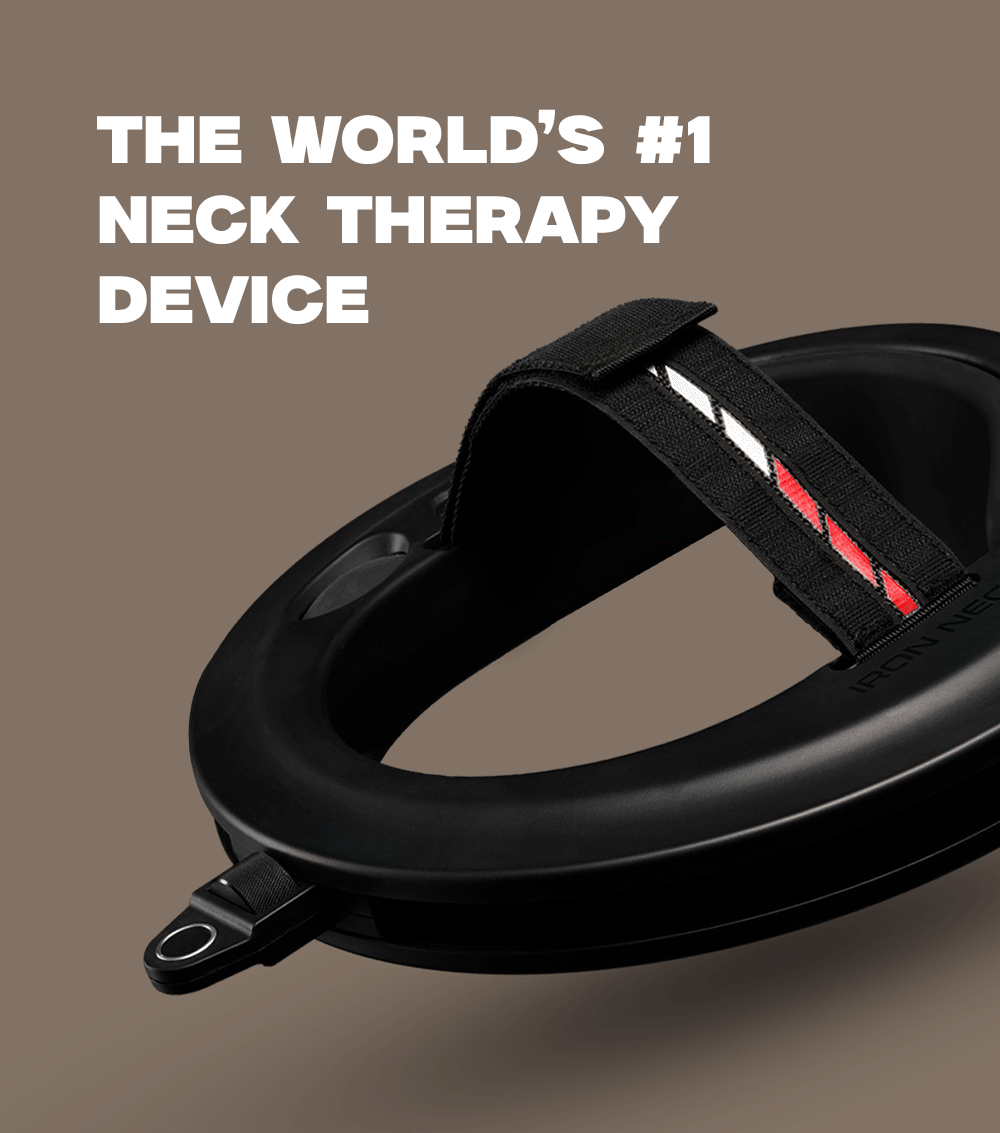
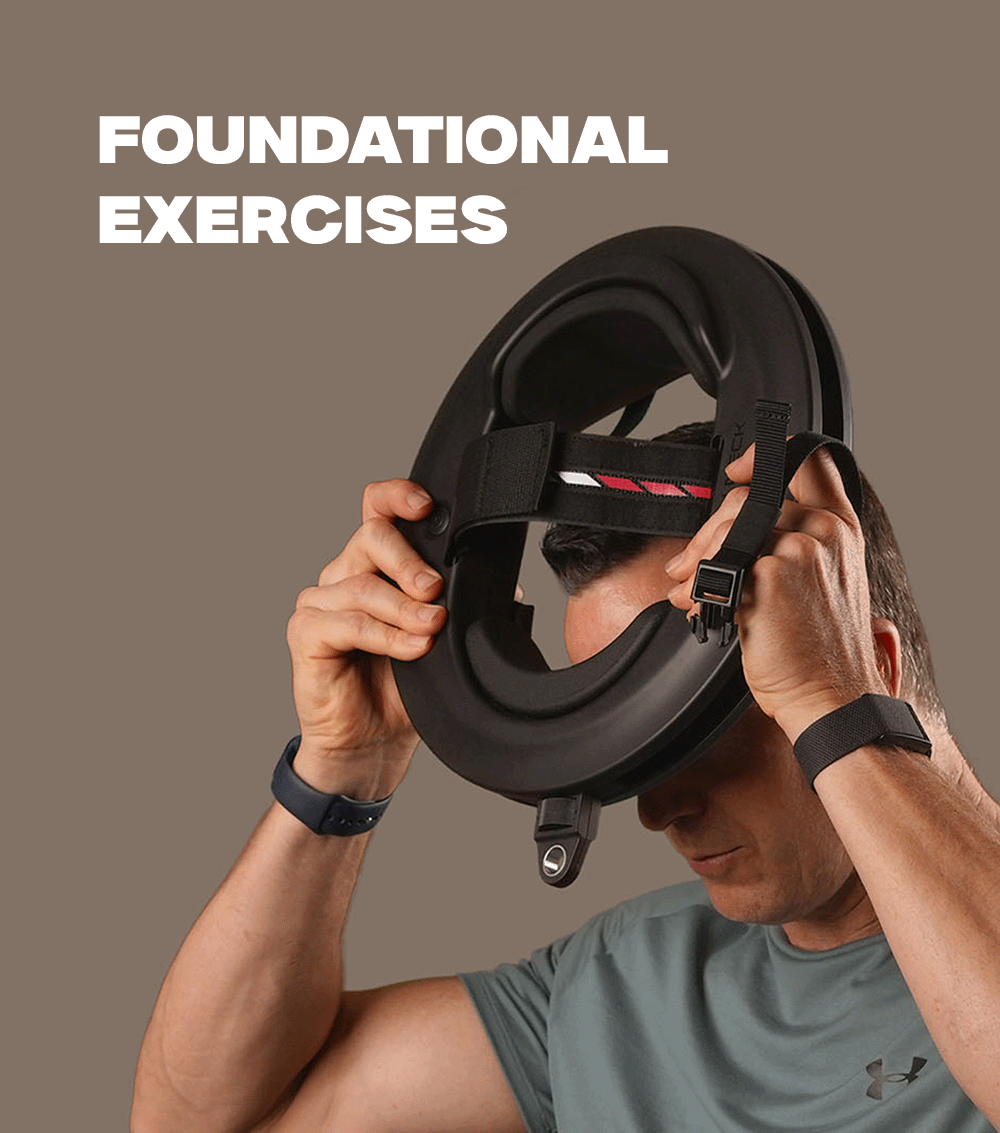
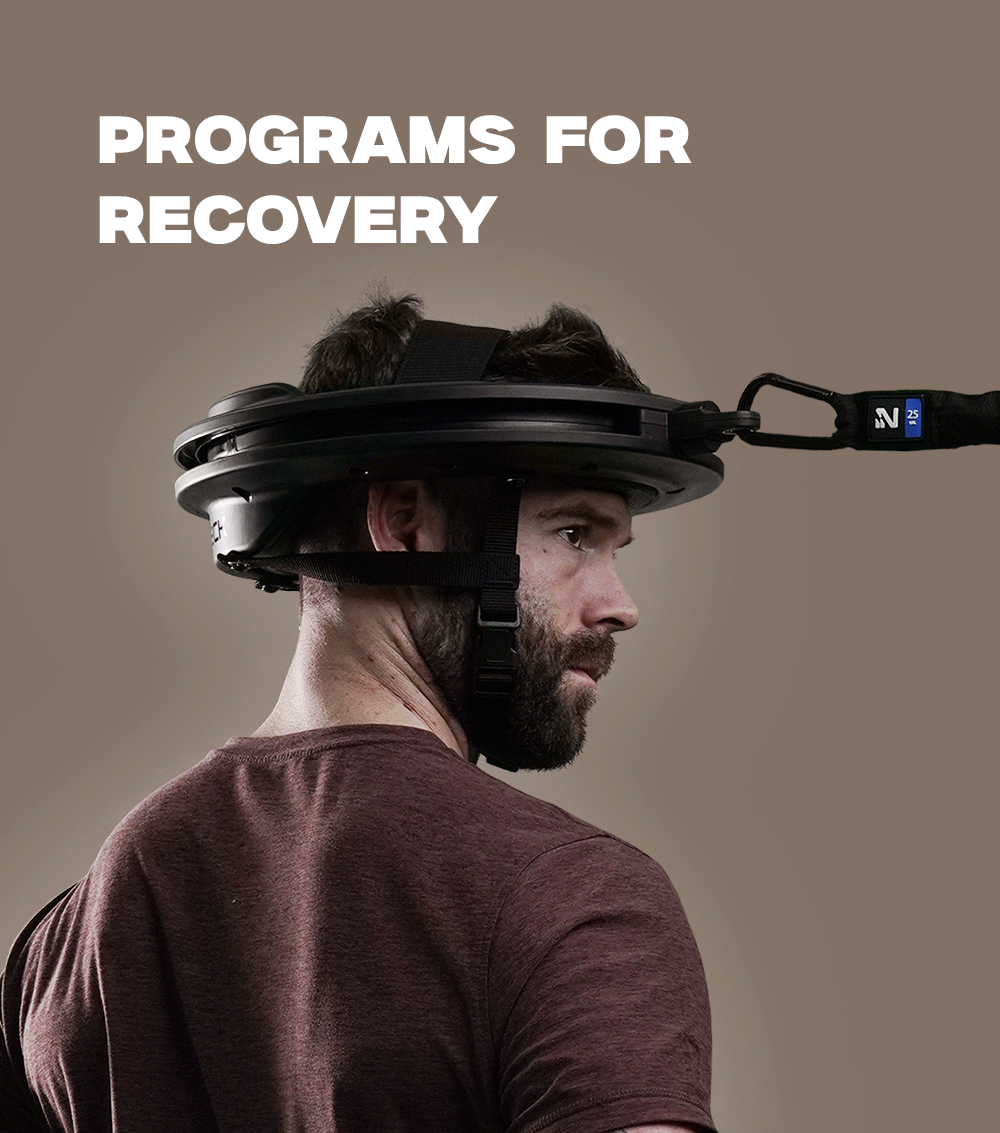
This stretching routine addresses the flexibility and mobility component of desk worker neck and shoulder health. For comprehensive long-term protection, it should be complemented by progressive strengthening of the cervical and upper back muscles. The Iron Neck device provides adjustable, 360-degree resistance for cervical rotation and extension training, building the cervical strength and endurance needed to maintain good posture effortlessly throughout the workday.


Leave a comment
This site is protected by hCaptcha and the hCaptcha Privacy Policy and Terms of Service apply.