



Mike Tyson's Neck Workout: What It Takes to Train Like a Legend
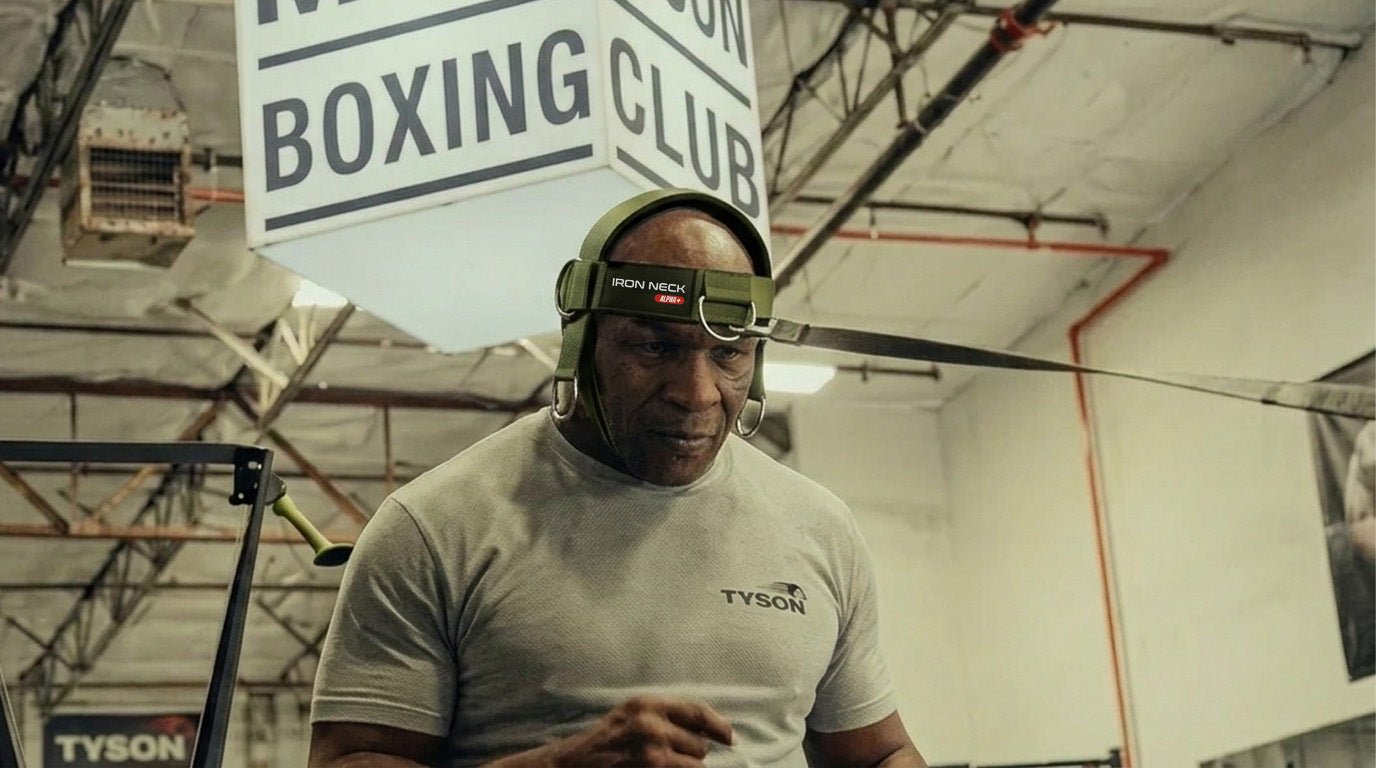
Mike Tyson's neck is one of the most discussed physical attributes in boxing history. At his peak, Tyson's neck measured approximately 20 inches in circumference. A size that contributed directly to both his knockout power and his ability to absorb punches. Trainers, fighters, and fitness enthusiasts have studied Tyson's training methods for decades, and his neck work is among the most frequently referenced elements of his legendary conditioning program.
This article breaks down what Tyson's neck training actually looked like, the principles behind it, and what modern athletes can learn from his approach, including how contemporary equipment makes it possible to achieve similar results more efficiently.
The Foundation: Cus D'Amato's Training Philosophy
Tyson's neck training was developed under the guidance of legendary trainer Cus D'Amato, who understood the biomechanical importance of neck strength for boxing long before sports science caught up. D'Amato's training philosophy emphasized building a complete physical foundation, not just the muscles that throw punches, but the muscles that absorb them and enable defensive movement.
D'Amato recognized that Tyson's naturally thick neck was an asset that could be developed into a genuine competitive advantage. The training program he designed built on this foundation systematically, using high-volume neck work as a cornerstone of Tyson's conditioning.
The Bridge: Tyson's Signature Neck Exercise
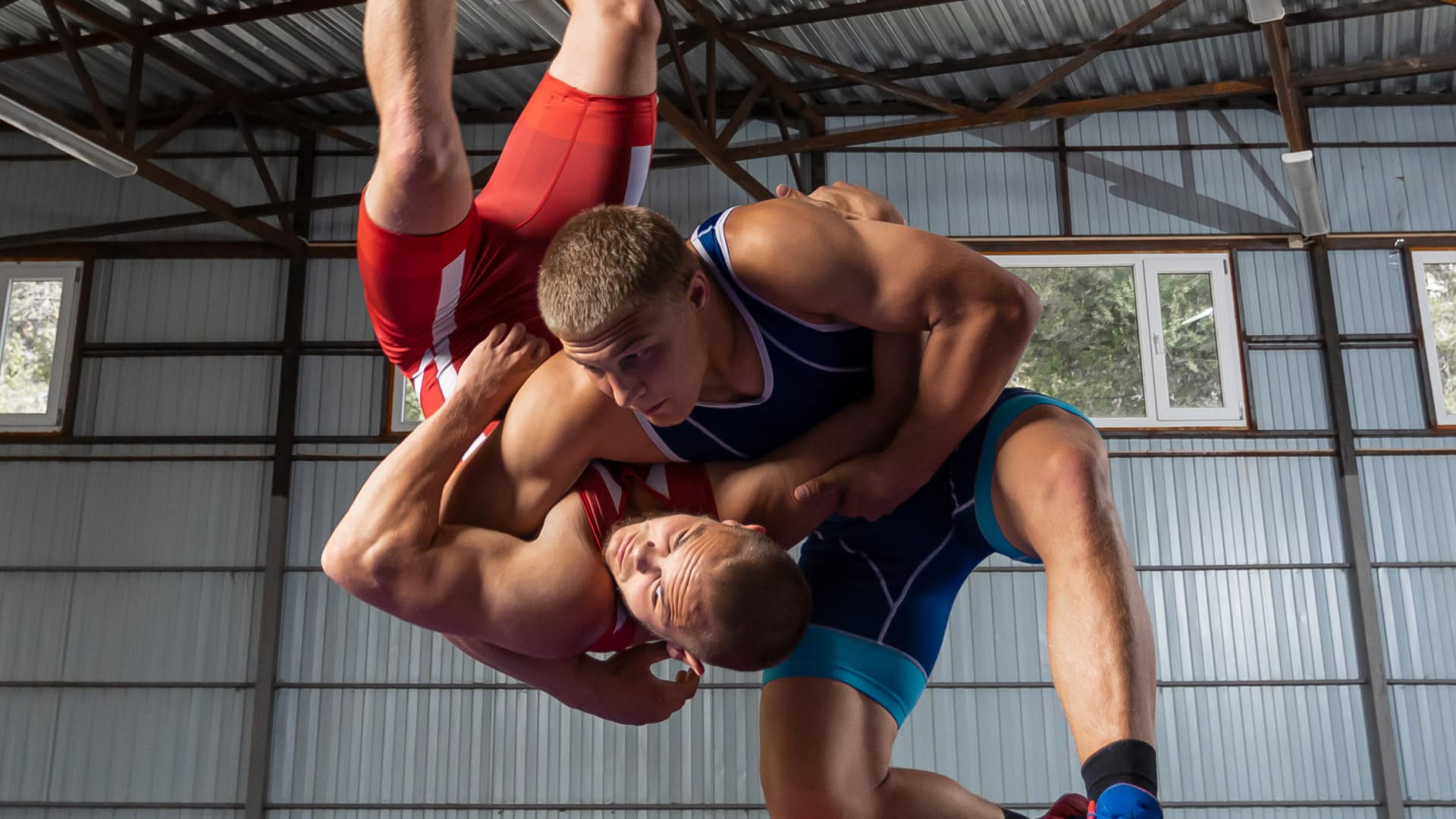
The wrestling bridge was the centerpiece of Tyson's neck training. Tyson would perform hundreds of neck bridges in a single session, supporting his body weight on his head and feet while arching his back, then rocking forward and backward to build dynamic bridging strength.
The bridge builds neck extension strength, cervical spine resilience, and the specific structural qualities that allow a fighter to absorb punches without being knocked down. Tyson reportedly performed 500 or more neck bridges per training session during his peak years. A volume that built the extraordinary neck development he became known for.
To replicate this: begin with static bridges (hold for 30 seconds), progress to dynamic bridges (rock forward and backward for reps), and build volume gradually over months. Start with 3 sets of 20 dynamic bridges and build toward the volumes Tyson performed over time.
The Shrug and Neck Roll
Tyson also performed high-volume neck rolls and shrugs as part of his daily training. These exercises built the trapezius and upper neck muscles that contribute to the thick, powerful neck appearance associated with elite boxers.
Neck rolls, slow, controlled rotations through the full range of cervical motion, build the deep rotator muscles and improve proprioception. Shrugs with heavy weight build the upper trapezius that forms the visual foundation of a powerful neck and shoulder complex. Tyson performed these exercises daily, often as part of his morning calisthenics routine.
What Modern Athletes Can Learn
Tyson's neck training was effective but limited by the equipment available in his era. He relied primarily on bodyweight exercises and wrestling bridges, tools that build significant neck strength but cannot provide the progressive, multi-planar resistance that modern neck training equipment enables.
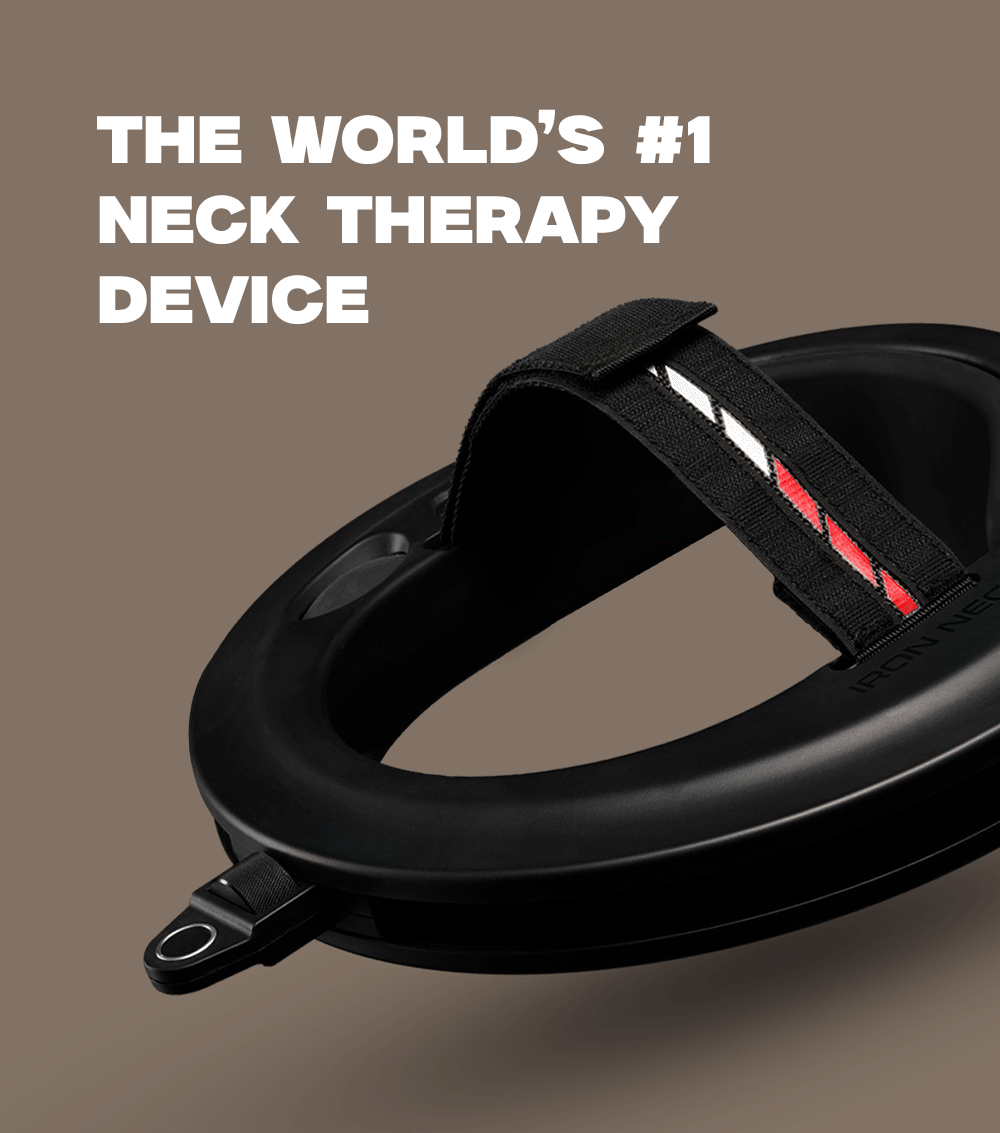
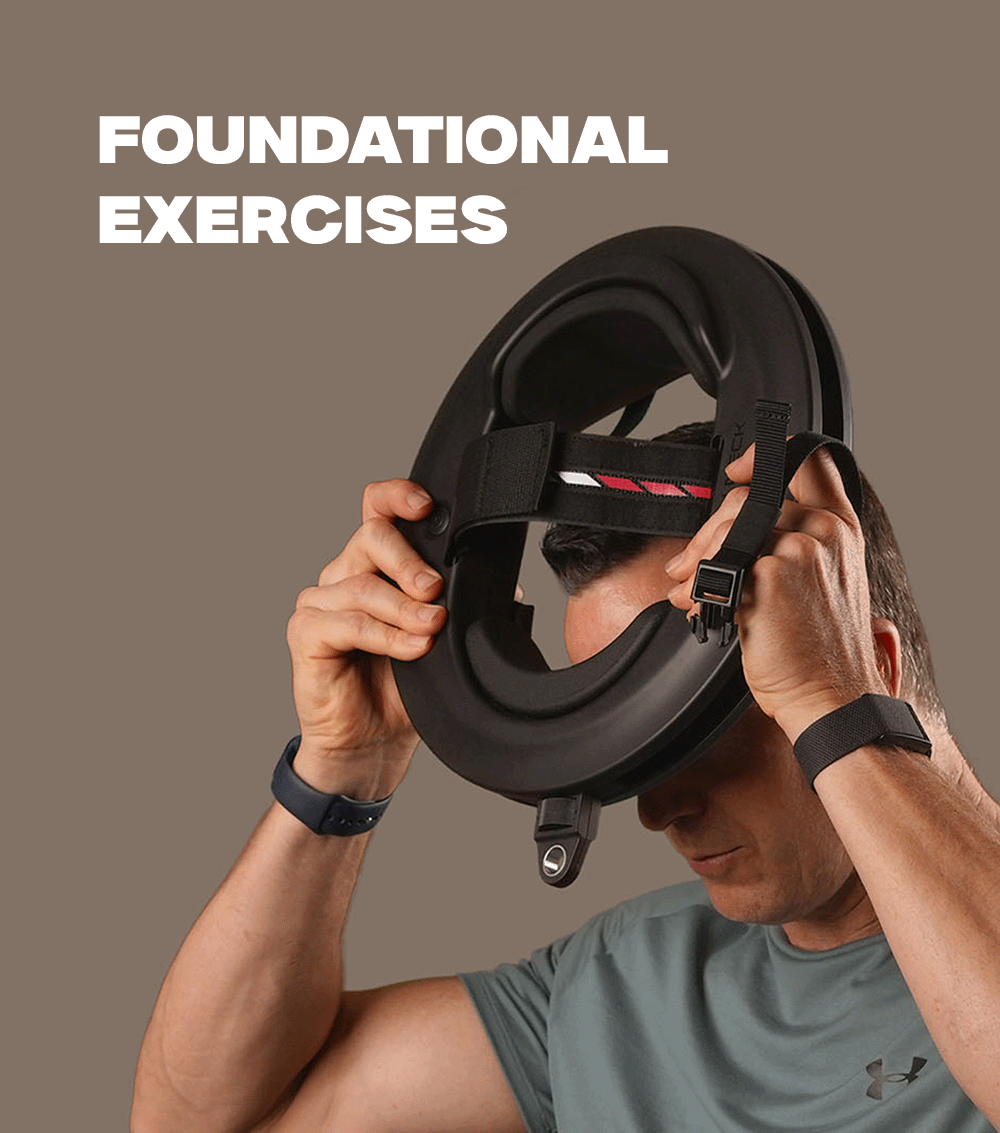
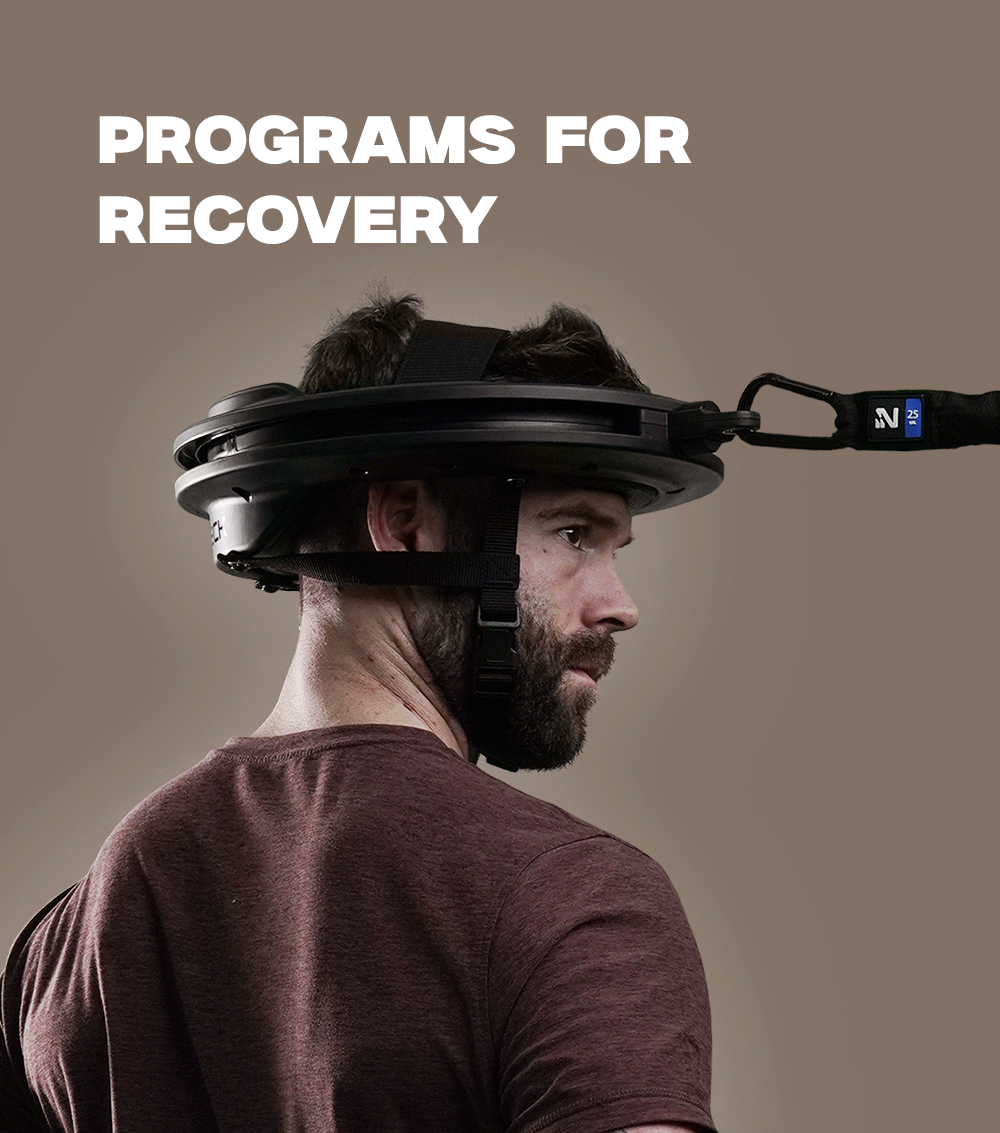
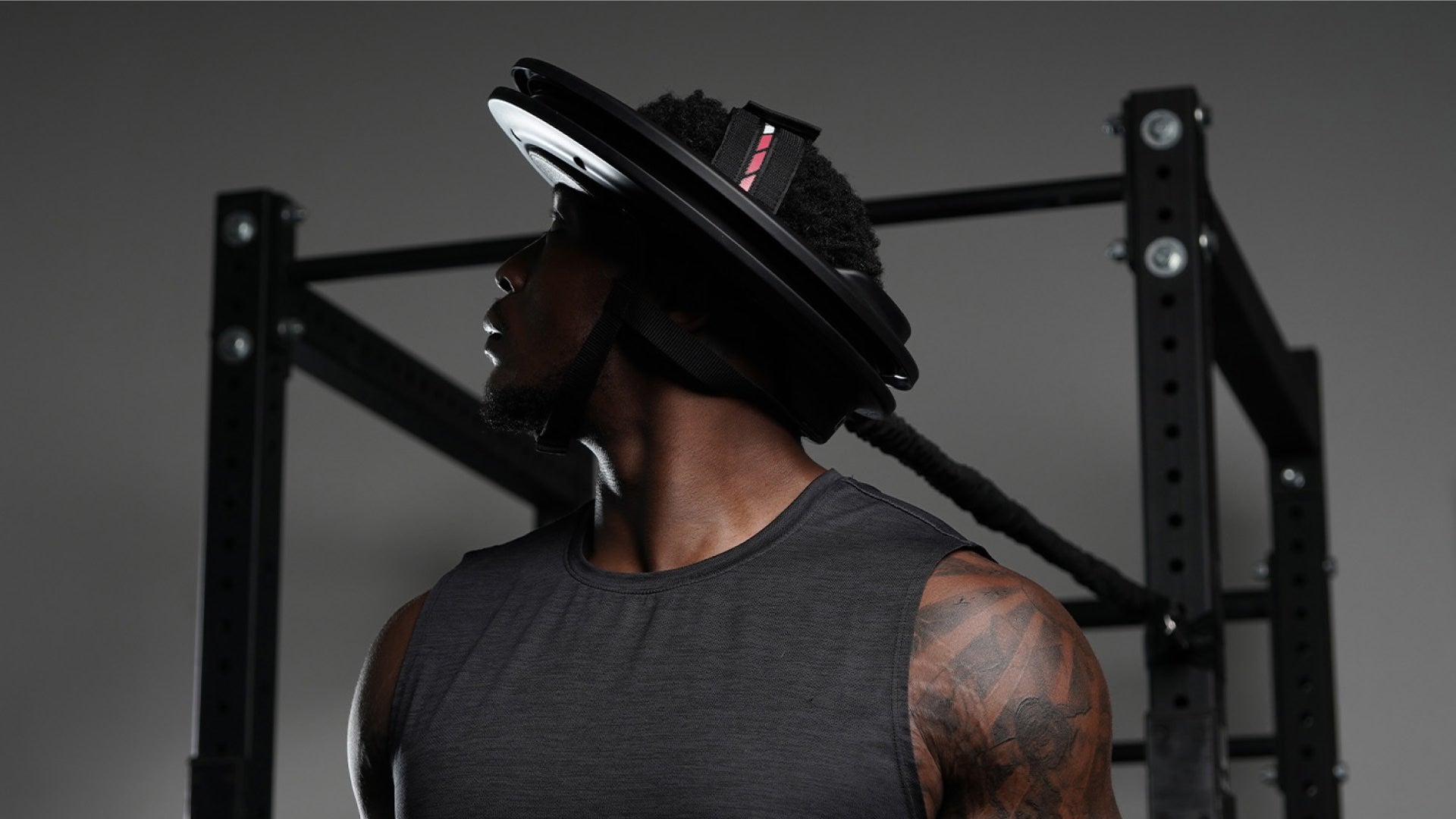
The Iron Neck 3.0 Pro represents the modern evolution of the neck training principles that D'Amato applied with Tyson. It provides 360-degree resistance training through the full range of cervical motion, training all the planes of movement that Tyson's bridge work developed, plus the lateral and rotational strength that his program couldn't address as directly. Professional fighters today use the Iron Neck to achieve in 20–30 minutes what Tyson's high-volume calisthenics approach required hours to develop.
The Tyson-Inspired Neck Training Program
The following program draws on the principles of Tyson's training while incorporating modern equipment for maximum efficiency.
Daily (Morning Calisthenics): 3 sets of 20 dynamic neck bridges, 3 sets of 15 neck rolls in each direction, 3 sets of 20 chin tucks. Total time: 10 minutes.
Three Times Per Week (Resistance Training): Weighted neck flexion with harness (4×12), weighted extension (4×12), lateral raises (3×10 each side), Iron Neck 360° rotations (3×10 each direction). Total time: 25 minutes.
This program combines the high-frequency, high-volume approach that built Tyson's neck with the progressive resistance and full-plane training that modern equipment enables. The result is a neck training program that is both historically grounded and optimized for modern athletic performance.
The Legacy of Tyson's Neck
Mike Tyson's neck was not an accident of genetics. It was the product of systematic, high-volume training under the guidance of a trainer who understood its importance before most of the sports world did. The principles D'Amato applied, high frequency, progressive challenge, full-range movement, remain as valid today as they were in the 1980s.
Modern athletes have a significant advantage: equipment like the Iron Neck 3.0 Pro makes it possible to achieve comprehensive neck development more efficiently than Tyson's era allowed. The principles are the same; the tools are better. Start applying them today.
Leave a comment
This site is protected by hCaptcha and the hCaptcha Privacy Policy and Terms of Service apply.