




Herniated Disc Neck Exercises: What Helps and What to Avoid
A cervical herniated disc occurs when the soft inner material of an intervertebral disc pushes through a tear in the outer fibrous ring and presses on a nearby nerve root or, in severe cases, the spinal cord itself. It is a common cause of neck pain and cervical radiculopathy, producing symptoms that can range from localized neck pain and stiffness to severe radiating pain, numbness, and weakness in the arm and hand. The majority of cervical herniated disc cases, approximately 75 to 90 percent, resolve with conservative management including targeted exercise, without requiring surgery. However, the exercises that help a herniated disc are quite specific, and some commonly performed exercises can significantly worsen symptoms. This guide covers what works, what to avoid, and how to progress your recovery safely.
Understanding How a Herniated Disc Causes Symptoms
The intervertebral discs of the cervical spine act as shock absorbers and allow movement between the vertebrae. When the disc herniates, the displaced disc material can compress the nerve root that exits the spinal canal at that level, producing the characteristic radiating pain, numbness, and weakness of cervical radiculopathy. The specific symptoms depend on which nerve root is compressed: C5 compression affects the shoulder and upper arm, C6 compression affects the thumb and index finger, C7 compression (the most common) affects the middle finger and triceps, and C8 compression affects the ring and little fingers.
The key principle for exercise with a herniated disc is to avoid positions and movements that increase the pressure within the disc or that further compress the affected nerve root. Exercises that reduce disc pressure and decompress the nerve root are the priority.
Exercises That Help a Cervical Herniated Disc
Cervical Retraction (Chin Tucks): Sit or stand with your back straight. Slide your head straight back as if making a double chin. Hold for 3 seconds and release. Perform 3 sets of 15 repetitions. Cervical retraction is often the single most effective exercise for cervical herniated disc, as it reduces the anterior shear force on the disc and can significantly reduce nerve root compression. Many people experience immediate relief of radiating symptoms with this exercise.
Cervical Extension: Once cervical retraction can be performed without worsening symptoms, gentle cervical extension can be added. Sit upright and perform a chin tuck, then gently extend your head backward from the retracted position. Hold for 2 seconds and return. Perform 10 repetitions. Extension reduces the posterior disc pressure that compresses the nerve root in most cervical herniations. Note: extension is contraindicated if it worsens your radiating symptoms; in that case, continue with retraction only.
Neural Mobilization: Gentle nerve gliding exercises reduce adhesions around the affected nerve root and improve neural circulation. Sit upright with your affected arm at your side. Slowly tilt your head away from the affected side (ear to shoulder). Hold for 2 seconds. Then tilt your head toward the affected side. Hold for 2 seconds. Perform 10 repetitions. Perform these exercises gently; if they significantly worsen your radiating symptoms, discontinue and consult your physical therapist.
Scapular Retraction: Squeeze your shoulder blades together and down. Hold for 5 seconds and release. Perform 3 sets of 15 repetitions. Scapular retraction improves the mechanical environment of the cervical spine and reduces the tension on the affected nerve root by improving upper back posture.
Cervical Traction: Gentle cervical traction separates the vertebrae and increases the size of the foramina, reducing the compression on the affected nerve root. Self-traction can be performed by sitting in a chair, clasping your hands behind your head, and gently pulling your head upward while keeping your chin tucked. Hold for 5 to 10 seconds and release. Perform 10 repetitions. A physical therapist can provide more effective manual traction, and home traction devices are available for more consistent application.
Exercises and Positions to Avoid
Certain exercises and positions consistently aggravate cervical herniated disc symptoms and should be avoided during the recovery period.
Cervical Flexion: Bending the head forward (flexion) increases the posterior disc pressure and can worsen nerve root compression in most cervical herniations. Avoid prolonged forward head positions such as looking down at a phone or book. When performing exercises, avoid positions that require sustained cervical flexion.
Overhead Lifting: Lifting heavy weights overhead increases the axial load on the cervical spine and can worsen disc herniation symptoms. Avoid overhead pressing and heavy lifting until your symptoms have significantly resolved.
High-Impact Activities: Running, jumping, and other high-impact activities increase the axial load on the cervical spine and can aggravate disc herniation symptoms. Substitute low-impact activities such as walking, swimming, or cycling during the recovery period.
Sleeping on Your Stomach: Prone sleeping places the cervical spine in a position of rotation and extension that can significantly aggravate disc herniation symptoms. Sleep on your back with a supportive pillow that maintains the natural cervical curve, or on your side with a pillow that keeps your head in neutral alignment.
Progressive Strengthening After Symptom Resolution
Once the acute symptoms of cervical herniated disc have resolved, progressive strengthening of the cervical and upper back muscles is essential for preventing recurrence. The deep cervical flexors and extensors are the most important muscles to train, as they provide the dynamic stability that protects the cervical discs from excessive loading during daily activities.
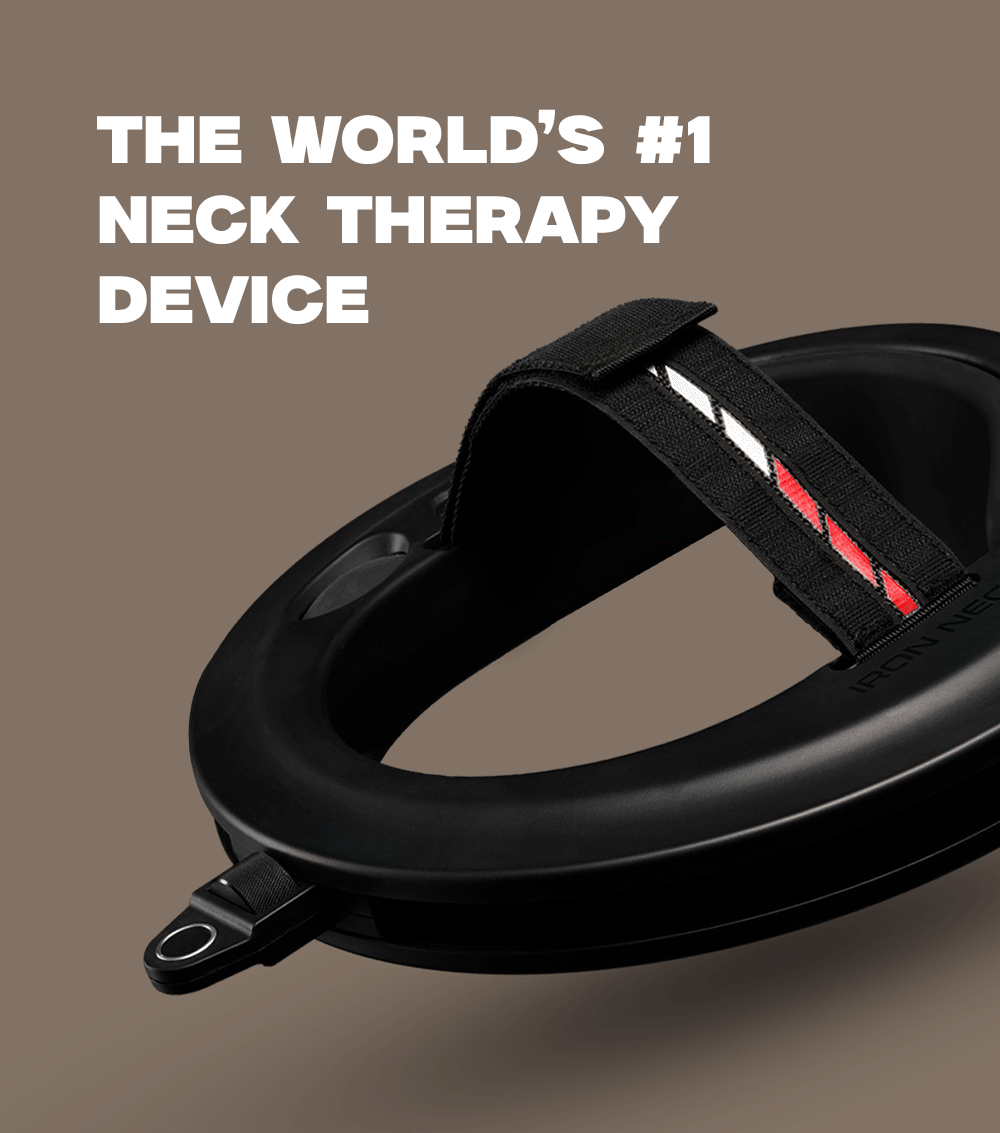
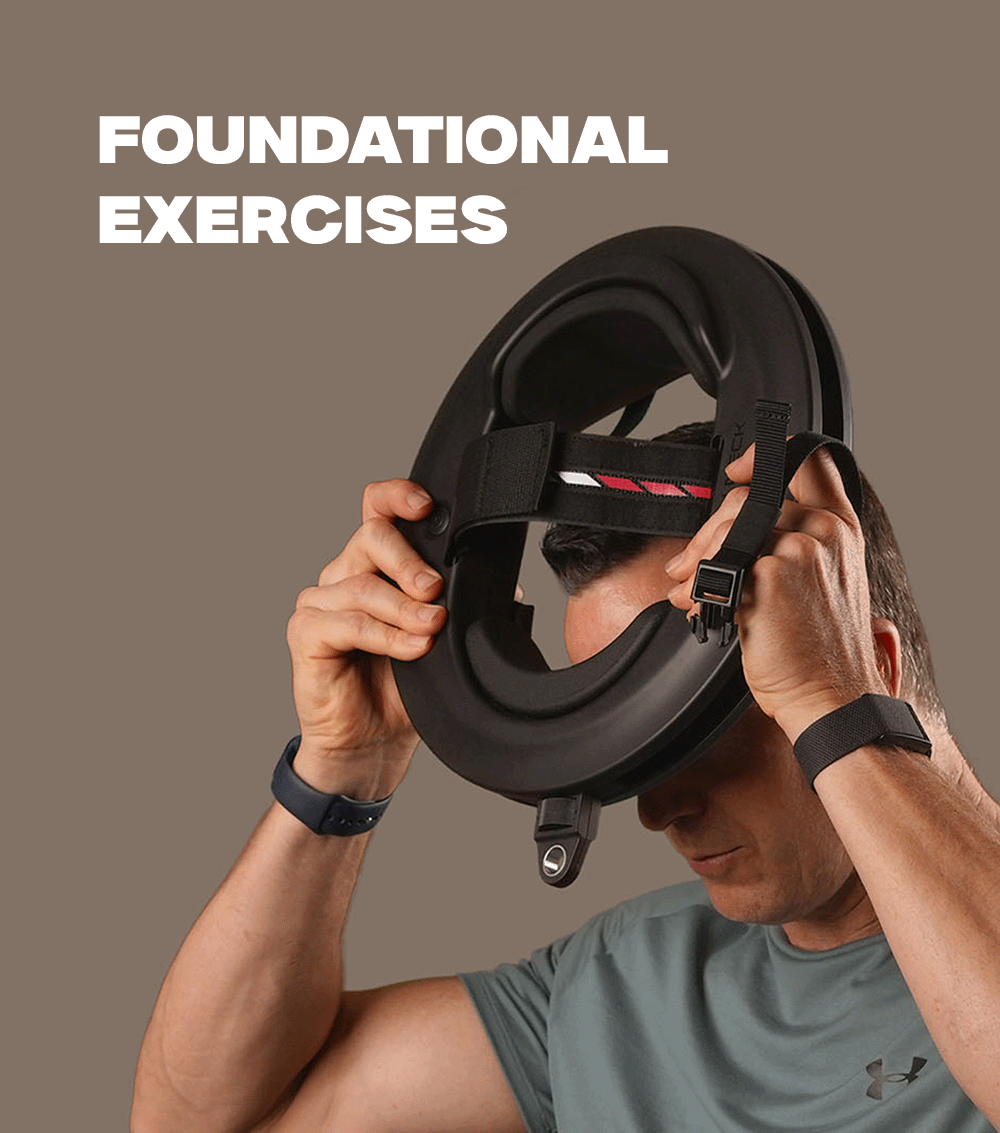
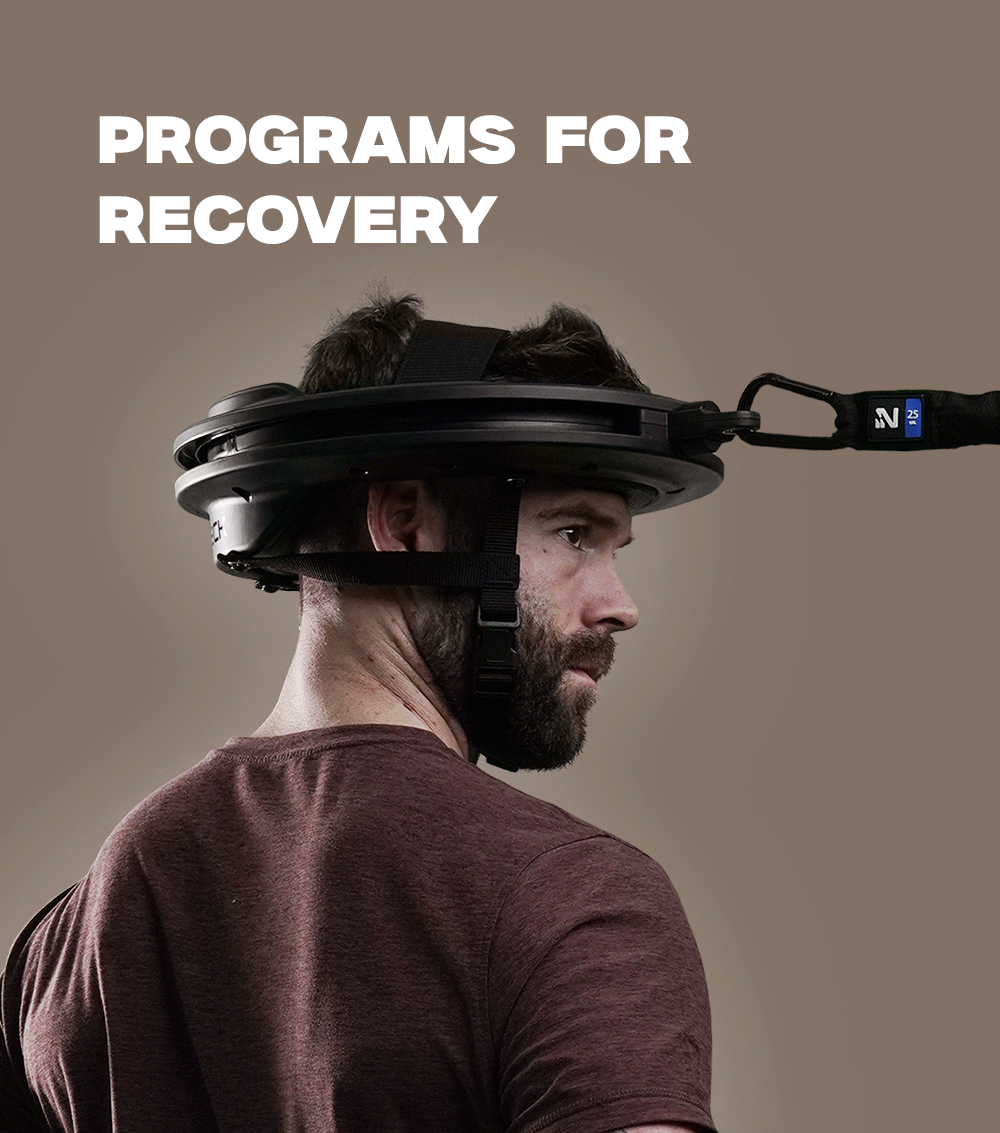
For systematic progressive resistance training of the cervical muscles, the Iron Neck device provides adjustable, 360-degree resistance for cervical rotation and extension training. This allows you to build significant cervical strength with the same progressive overload principles used in strength training. Upper back strengthening with the Iron Neck resistance bands, including face pulls and pull-aparts, complements the cervical strengthening work and reduces the mechanical stress on the cervical discs during daily activities.
When to Consider Surgery
Surgery for cervical herniated disc is considered when conservative management has failed to provide adequate relief after six to twelve weeks, when there is significant or progressive neurological deficit (weakness, loss of reflexes), or when there is evidence of spinal cord compression (myelopathy). If you are not making adequate progress with conservative management, a consultation with a spine surgeon is appropriate to discuss your options. However, the majority of patients achieve satisfactory outcomes without surgery when conservative management is applied correctly and consistently.


Leave a comment
This site is protected by hCaptcha and the hCaptcha Privacy Policy and Terms of Service apply.