



Cervical Stenosis Exercises: Managing Symptoms Through Movement
Cervical stenosis is a narrowing of the spinal canal in the cervical spine that can compress the spinal cord or nerve roots, producing a range of symptoms from neck pain and stiffness to radiating arm pain, weakness, and in severe cases, problems with balance and coordination. It is most commonly caused by age-related degenerative changes, including disc herniation, bone spur formation, and thickening of the spinal ligaments, though it can also result from congenital narrowing of the spinal canal. Managing cervical stenosis through exercise requires a careful, informed approach that reduces the mechanical stress on the compressed neural structures while building the strength and mobility needed for daily function.
Important Precautions Before Beginning
Cervical stenosis is a condition that requires professional medical assessment before beginning an exercise program. The exercises in this guide are appropriate for people with mild to moderate cervical stenosis who have been cleared by their physician or physical therapist for conservative management. They are not appropriate for people with significant myelopathy (spinal cord compression) producing symptoms such as significant weakness, balance problems, difficulty with fine motor tasks, or bowel and bladder dysfunction. If you have any of these symptoms, seek urgent medical evaluation before beginning any exercise program.
Exercises That Are Safe and Beneficial
The goal of exercise for cervical stenosis is to maintain mobility, build the muscle strength that reduces the mechanical load on the stenotic segments, and improve the overall function of the cervical spine without placing excessive stress on the compressed neural structures.
Chin Tucks: Sit or stand with your back straight. Slide your head straight back as if making a double chin. Hold for 3 seconds and release. Perform 3 sets of 15 repetitions. Chin tucks improve the alignment of the cervical spine and reduce the anterior shear force on the stenotic segments. They are safe for most people with cervical stenosis and are one of the most beneficial exercises for this condition.
Gentle Cervical Rotation: Sit upright. Slowly rotate your head to the right as far as comfortable. Hold for 2 seconds. Return to neutral and rotate to the left. Perform 10 repetitions per side. Gentle rotation maintains cervical mobility without placing excessive stress on the stenotic segments. Move within your comfortable range; do not force movement through pain or neurological symptoms.
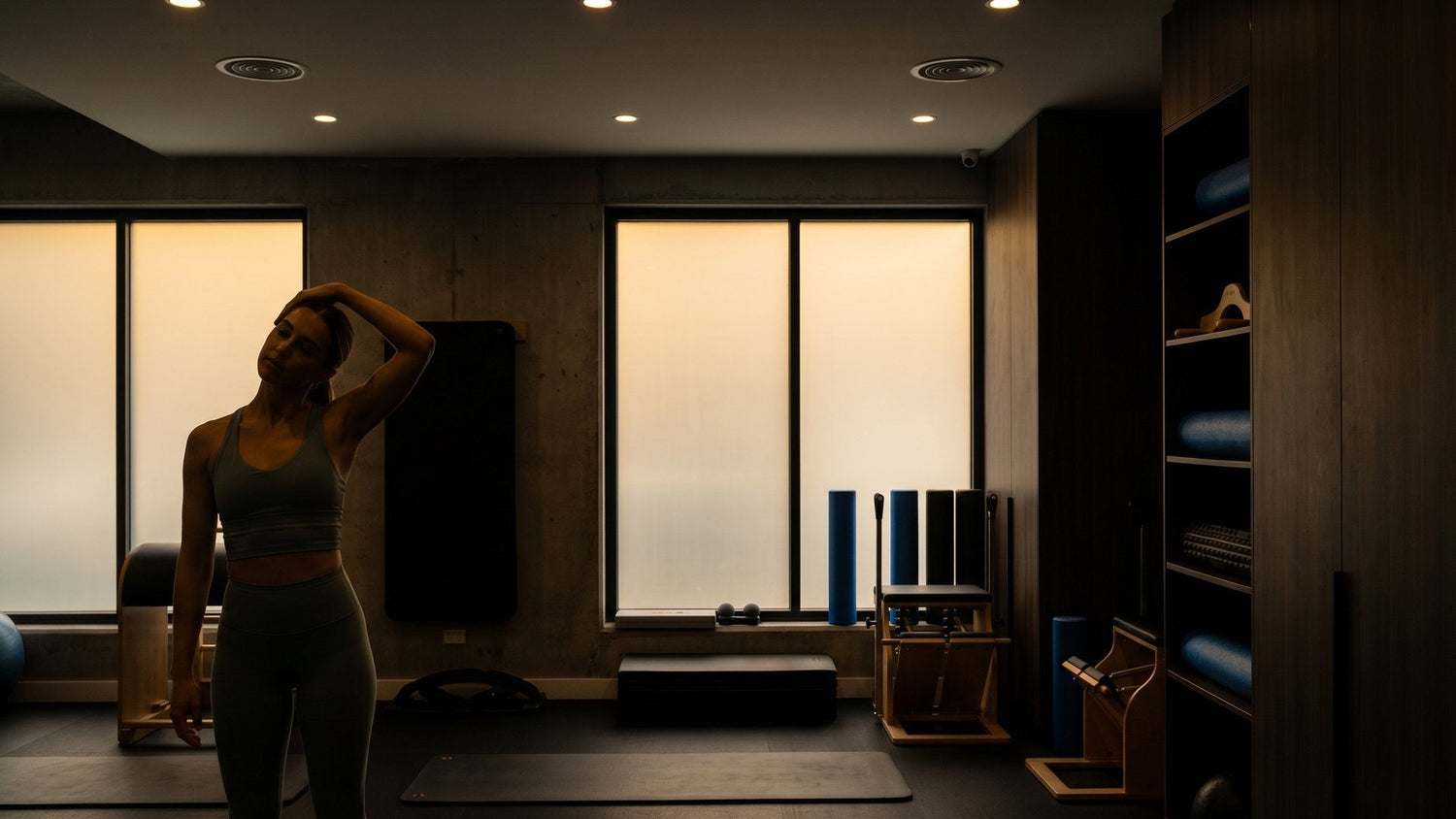
Gentle Lateral Flexion: Sit upright. Slowly drop your right ear toward your right shoulder. Hold for 2 seconds. Return to neutral and repeat on the left side. Perform 10 repetitions per side.
Scapular Retraction: Squeeze your shoulder blades together and down. Hold for 5 seconds and release. Perform 3 sets of 15 repetitions. Scapular retraction improves upper back posture and reduces the forward head position that increases the mechanical stress on the stenotic cervical segments.
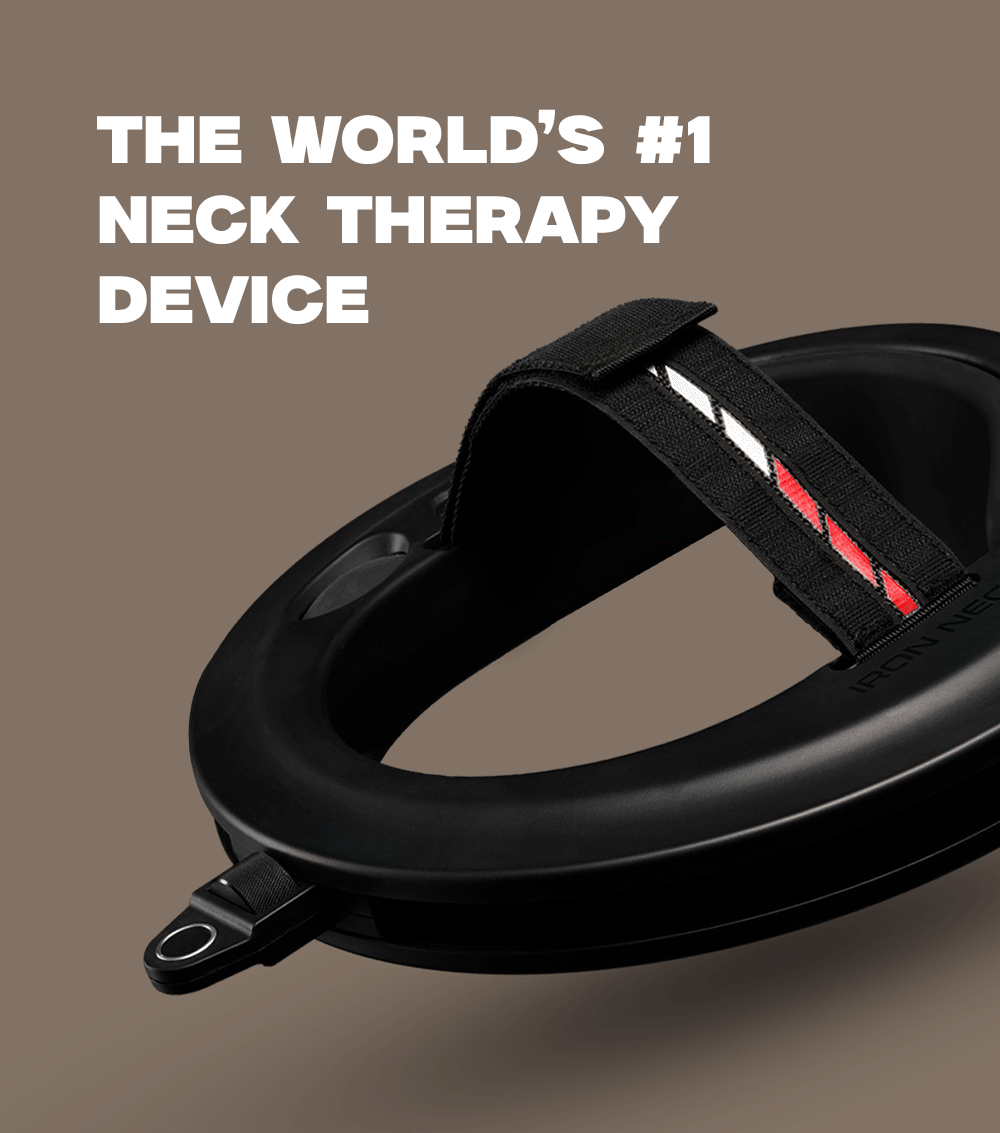
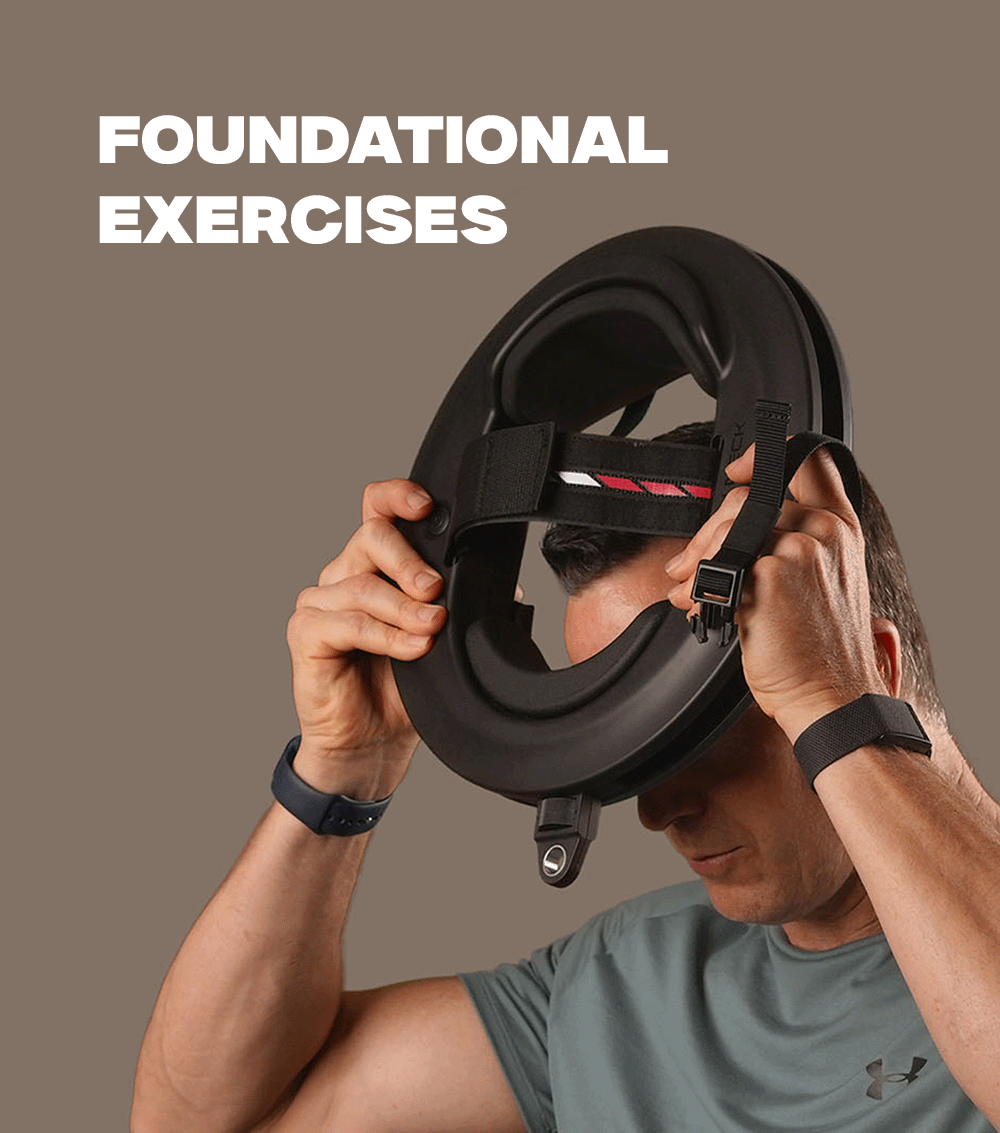
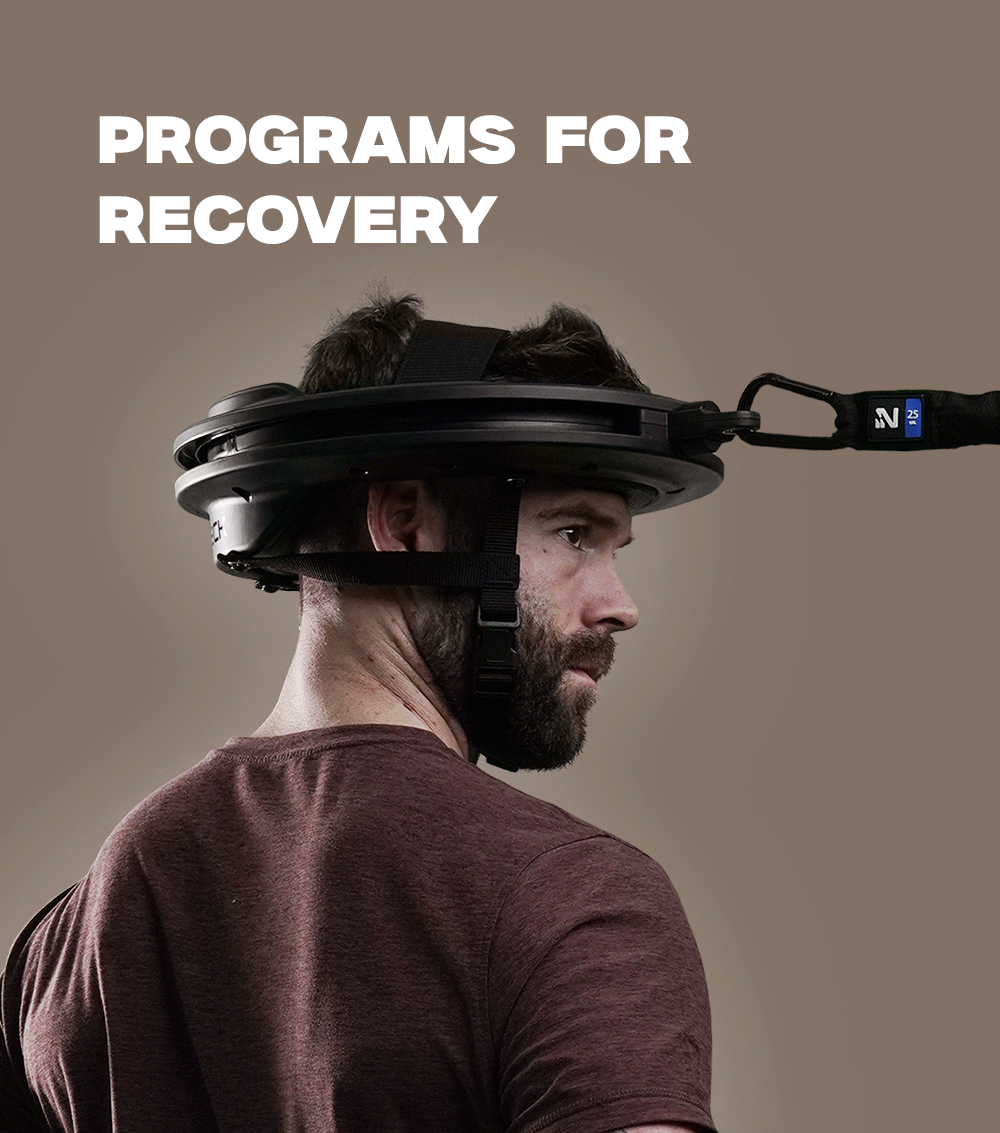
Upper Back Strengthening: Strengthening the upper back muscles reduces the forward rounding that increases the mechanical stress on the cervical spine. Perform band face pulls (3 sets of 15 repetitions) and band pull-aparts (3 sets of 20 repetitions) using the Iron Neck resistance bands three times per week.
Exercises and Activities to Avoid
Certain exercises and activities are contraindicated for people with cervical stenosis because they increase the compression on the already narrowed spinal canal or nerve roots.
End-Range Cervical Extension: Forced or end-range cervical extension reduces the diameter of the spinal canal and can worsen myelopathy symptoms. Avoid exercises that require full extension of the cervical spine, such as looking straight up for prolonged periods or performing extension exercises against resistance.
High-Impact Activities: Running, jumping, and other high-impact activities increase the axial load on the cervical spine and can worsen stenosis symptoms. Substitute low-impact activities such as walking, swimming, or cycling.
Contact Sports: Contact sports that involve the risk of cervical trauma, such as football, rugby, and wrestling, are generally contraindicated for people with significant cervical stenosis due to the risk of spinal cord injury from even minor trauma.
Heavy Overhead Lifting: Heavy overhead lifting increases the axial load on the cervical spine and can worsen stenosis symptoms. Avoid heavy overhead pressing and carrying heavy loads on the shoulders.
Aquatic Exercise
Aquatic exercise is particularly well-suited for people with cervical stenosis because the buoyancy of the water reduces the axial load on the spine while allowing a full range of motion. Water walking, gentle swimming, and pool-based range of motion exercises can be performed with less pain and risk than land-based exercises for people with significant stenosis symptoms.
When Surgery Is Considered
Surgery for cervical stenosis is considered when conservative management has failed to provide adequate relief, when there is significant or progressive neurological deficit, or when there is evidence of significant myelopathy. The most common surgical procedures are cervical laminectomy (removal of the lamina to decompress the spinal canal) and anterior cervical discectomy and fusion (ACDF). If you are not making adequate progress with conservative management, a consultation with a spine surgeon is appropriate to discuss your options.


Leave a comment
This site is protected by hCaptcha and the hCaptcha Privacy Policy and Terms of Service apply.