



Cervical Radiculopathy Exercises: Relieve Nerve Pain in the Neck and Arm
Cervical radiculopathy is a condition in which a nerve root in the cervical spine becomes compressed or irritated, producing pain, numbness, tingling, or weakness that radiates from the neck into the shoulder, arm, or hand. It is one of the most disabling forms of neck pain, affecting approximately 83 per 100,000 people annually, and it can significantly limit daily function and quality of life. The good news is that the majority of cervical radiculopathy cases, approximately 75 to 90 percent, resolve with conservative management including targeted exercise, without requiring surgery. This guide covers the exercises and techniques that are most effective for relieving cervical radiculopathy symptoms and restoring full function.
Understanding Cervical Radiculopathy
The cervical spine has eight pairs of nerve roots, numbered C1 through C8, that exit the spinal canal through openings called foramina and travel into the shoulder, arm, and hand. When a nerve root is compressed, typically by a herniated disc or a bone spur (osteophyte) that has narrowed the foramen, it produces a characteristic pattern of symptoms that corresponds to the specific nerve root affected. C5 radiculopathy produces pain and weakness in the shoulder and upper arm. C6 radiculopathy produces pain and numbness in the thumb and index finger. C7 radiculopathy, the most common type, produces pain and numbness in the middle finger and weakness of the triceps. C8 radiculopathy produces pain and numbness in the ring and little fingers.
The exercises in this guide are designed to reduce the compression on the affected nerve root, promote nerve healing, and restore the strength and mobility that are lost during the acute phase of radiculopathy. They should be performed within your pain tolerance; exercises that significantly worsen your radiating symptoms should be modified or avoided until your symptoms have improved.
Neural Mobilization Techniques
Neural mobilization, also called nerve gliding or nerve flossing, involves moving the nerve through its natural range of motion to reduce adhesions, improve neural circulation, and reduce the sensitivity of the irritated nerve. These techniques are among the most effective interventions for cervical radiculopathy and are frequently prescribed by physical therapists.
Cervical Lateral Flexion Nerve Glide: Sit upright with your affected arm at your side. Slowly tilt your head away from the affected side (ear to shoulder). Hold for 2 seconds. Then tilt your head toward the affected side. Hold for 2 seconds. Perform 10 repetitions. This technique gently moves the cervical nerve roots through their foramina, reducing adhesions and improving neural mobility.
Upper Limb Neural Mobilization (Median Nerve): Sit upright. Extend your affected arm to the side at shoulder height, palm facing up. Bend your wrist back so that your fingers point toward the floor. Gently tilt your head away from the affected arm. Hold for 2 seconds. Then tilt your head toward the affected arm. Hold for 2 seconds. Perform 10 repetitions. This technique mobilizes the median nerve, which is most commonly affected in C6 and C7 radiculopathy.
Cervical Retraction: Sit or stand upright. Slide your head straight back as if making a double chin. Hold for 3 seconds and release. Perform 3 sets of 15 repetitions. Cervical retraction reduces the anterior shear force on the cervical discs and can significantly reduce the compression on the affected nerve root. Many people with cervical radiculopathy experience immediate relief of radiating symptoms with this exercise.
Traction Techniques
Cervical traction, which gently separates the vertebrae and increases the size of the foramina, is one of the most effective treatments for cervical radiculopathy. It can be applied manually by a physical therapist or mechanically using a home traction device.
Self-Traction: Sit in a chair. Clasp your hands behind your head with your fingers interlaced. Gently pull your head upward while keeping your chin tucked. Hold for 5 to 10 seconds and release. Perform 10 repetitions. This technique provides gentle traction to the cervical spine and can reduce nerve root compression. Discontinue if it worsens your symptoms.
Home Cervical Traction Device: Over-the-door cervical traction devices are available at medical supply stores and online. They provide a more consistent and controlled form of traction than self-traction. Use according to the manufacturer's instructions, typically starting with light weight (5 to 10 pounds) for 10 to 15 minutes, once or twice daily. Consult your physician or physical therapist before using a home traction device.
Strengthening Exercises
Strengthening the muscles that support the cervical spine reduces the mechanical load on the affected nerve root and prevents recurrence. Begin strengthening exercises only after the acute phase of radiculopathy has resolved and radiating symptoms have significantly improved.
Chin Tucks: Sit or stand with your back straight. Slide your head straight back as if making a double chin. Hold for 3 seconds and release. Perform 3 sets of 15 repetitions. Chin tucks strengthen the deep cervical flexors and improve the alignment of the cervical spine, reducing the stress on the affected nerve root.
Scapular Retraction: Squeeze your shoulder blades together and down. Hold for 5 seconds and release. Perform 3 sets of 15 repetitions. Scapular retraction improves the mechanical environment of the cervical spine by reducing the forward rounding of the upper back that contributes to nerve root compression.
Band Face Pulls: Attach a resistance band at face height. Pull the band toward your face while simultaneously externally rotating your shoulders. Squeeze your shoulder blades together and down. Perform 3 sets of 15 repetitions. The Iron Neck resistance bands are ideal for this exercise. Face pulls strengthen the lower trapezius and posterior rotator cuff, which are essential for maintaining proper upper back and shoulder positioning.
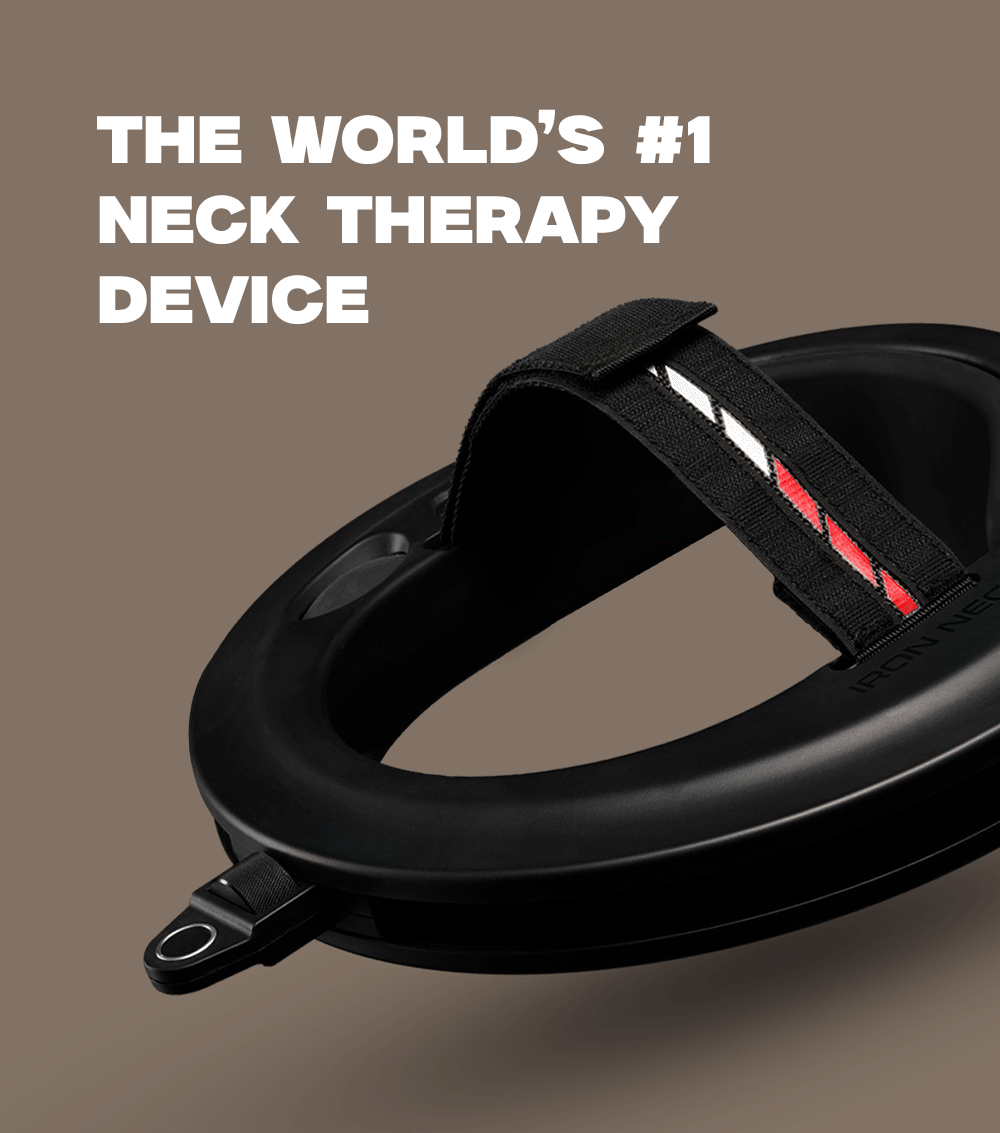
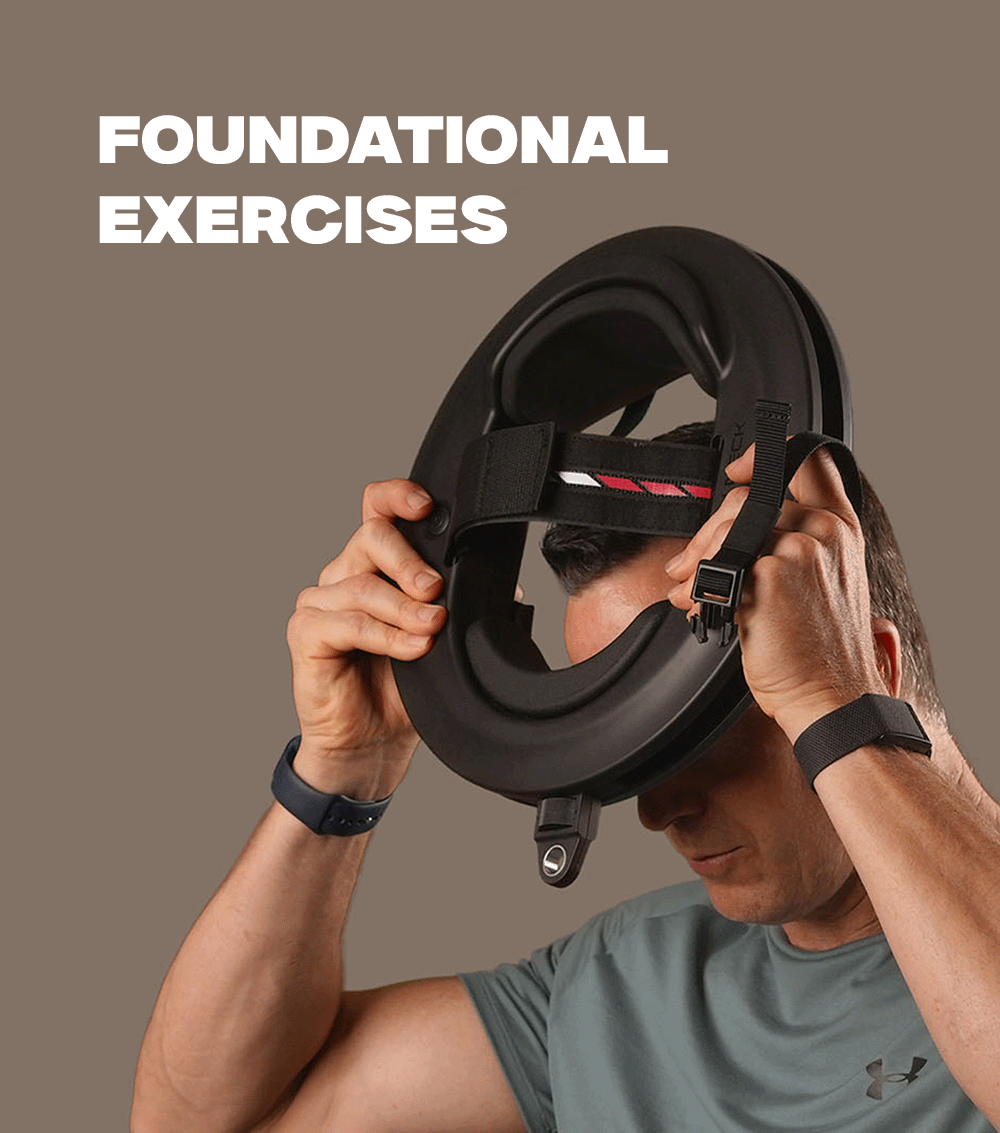
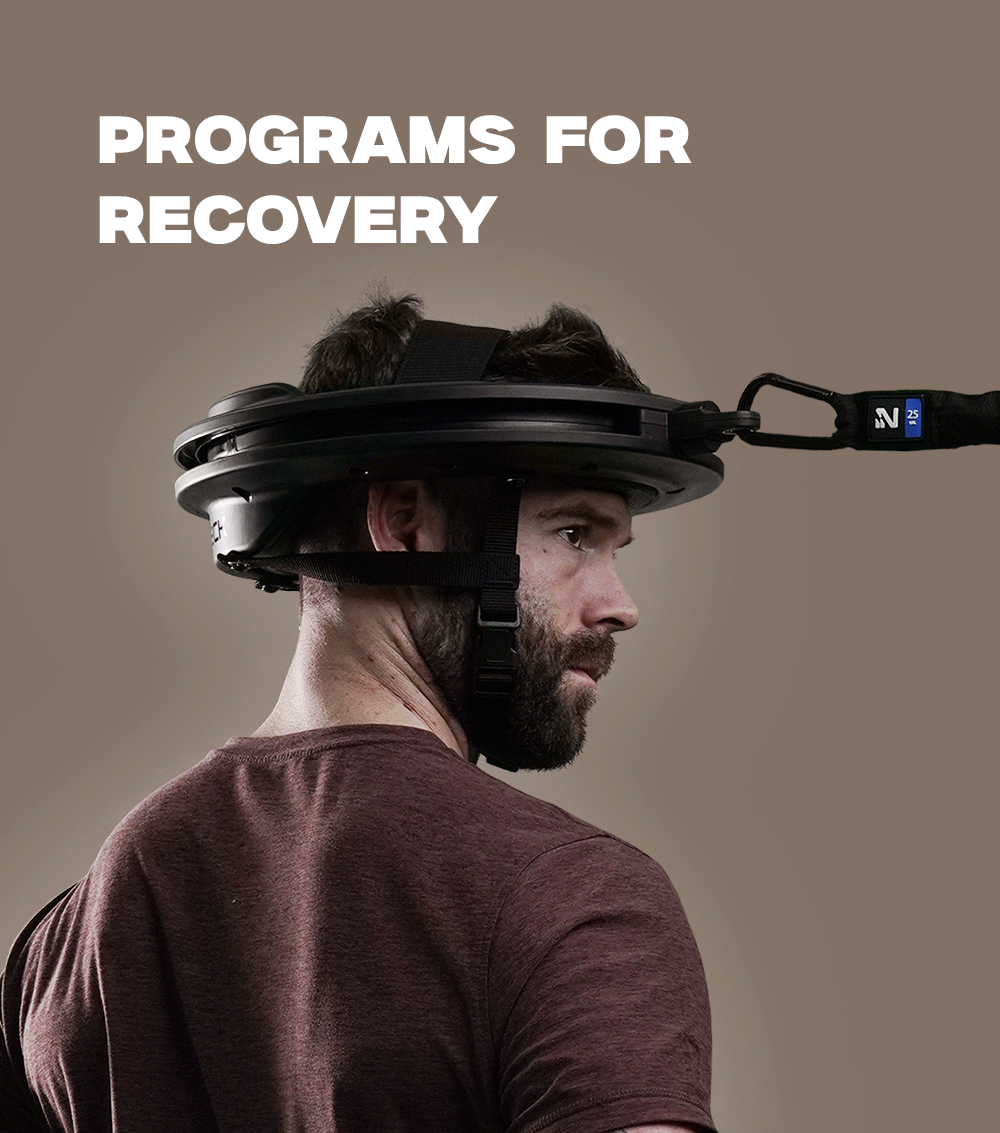
Cervical Rotation and Extension Strengthening: Once acute symptoms have resolved, progressive resistance training of the cervical extensors and rotators builds the strength needed to protect the cervical spine from future injury. The Iron Neck device provides adjustable, 360-degree resistance for cervical rotation and extension training, allowing systematic progressive overload of these critical muscles.
Positions and Activities to Avoid
Certain positions and activities consistently aggravate cervical radiculopathy and should be avoided during the recovery period. Looking down for extended periods, such as when using a smartphone or reading a book in your lap, increases the compression on the cervical nerve roots. Sleeping on your stomach places the cervical spine in a position of rotation and extension that can aggravate nerve root compression. Carrying heavy bags on the affected shoulder increases the tension on the brachial plexus and can worsen radiating symptoms. Overhead reaching with the affected arm can also aggravate symptoms in some patients.
When to Seek Urgent Medical Attention
Most cases of cervical radiculopathy can be managed conservatively. However, seek urgent medical attention if you develop significant weakness in the arm or hand, if you have difficulty with fine motor tasks such as buttoning a shirt or writing, if you develop bowel or bladder dysfunction, or if you have significant balance problems or difficulty walking. These presentations may indicate spinal cord involvement (myelopathy) rather than simple nerve root compression and require urgent medical evaluation.


Leave a comment
This site is protected by hCaptcha and the hCaptcha Privacy Policy and Terms of Service apply.