


External Rotation Series
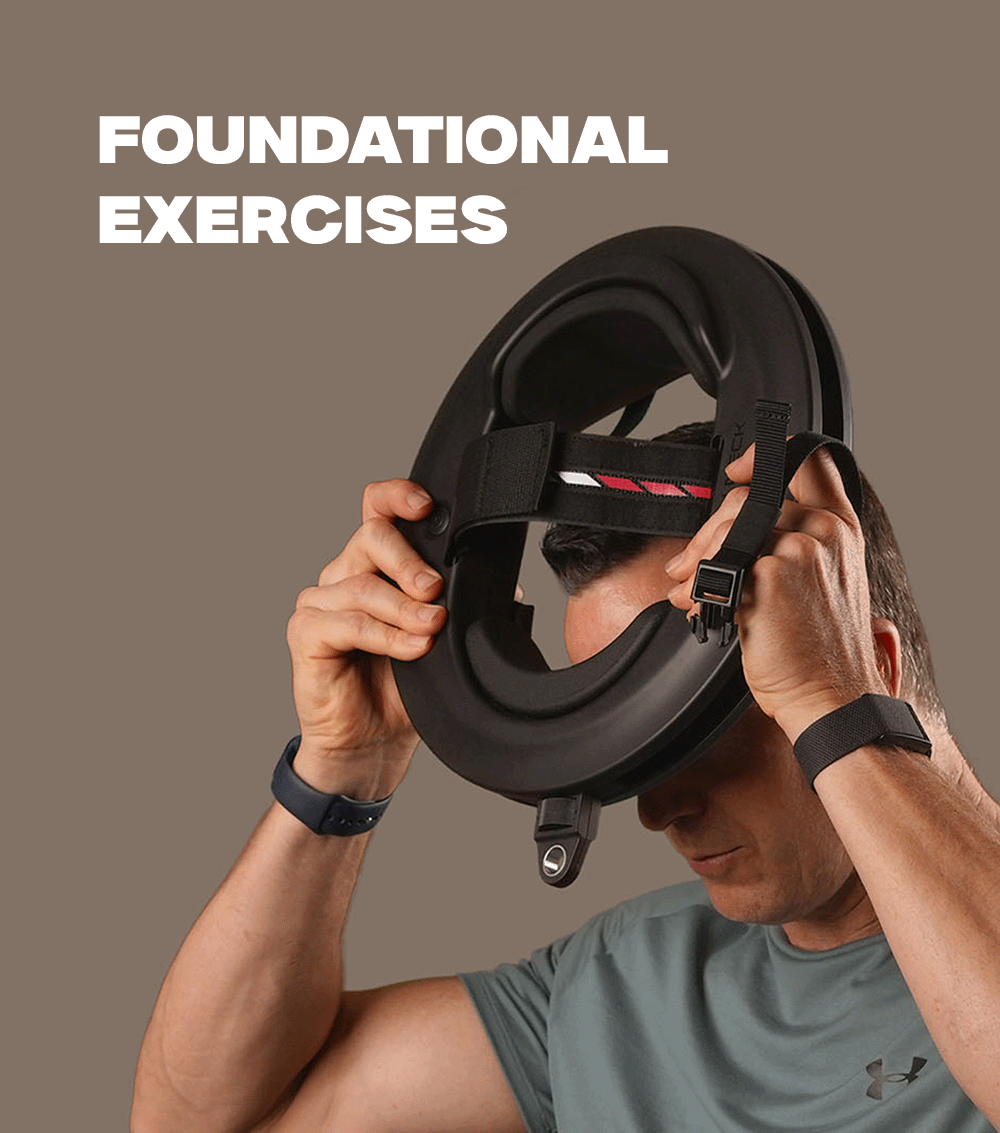
Comprehensive external rotation training at multiple angles. Excellent for endurance and rotator cuff health.
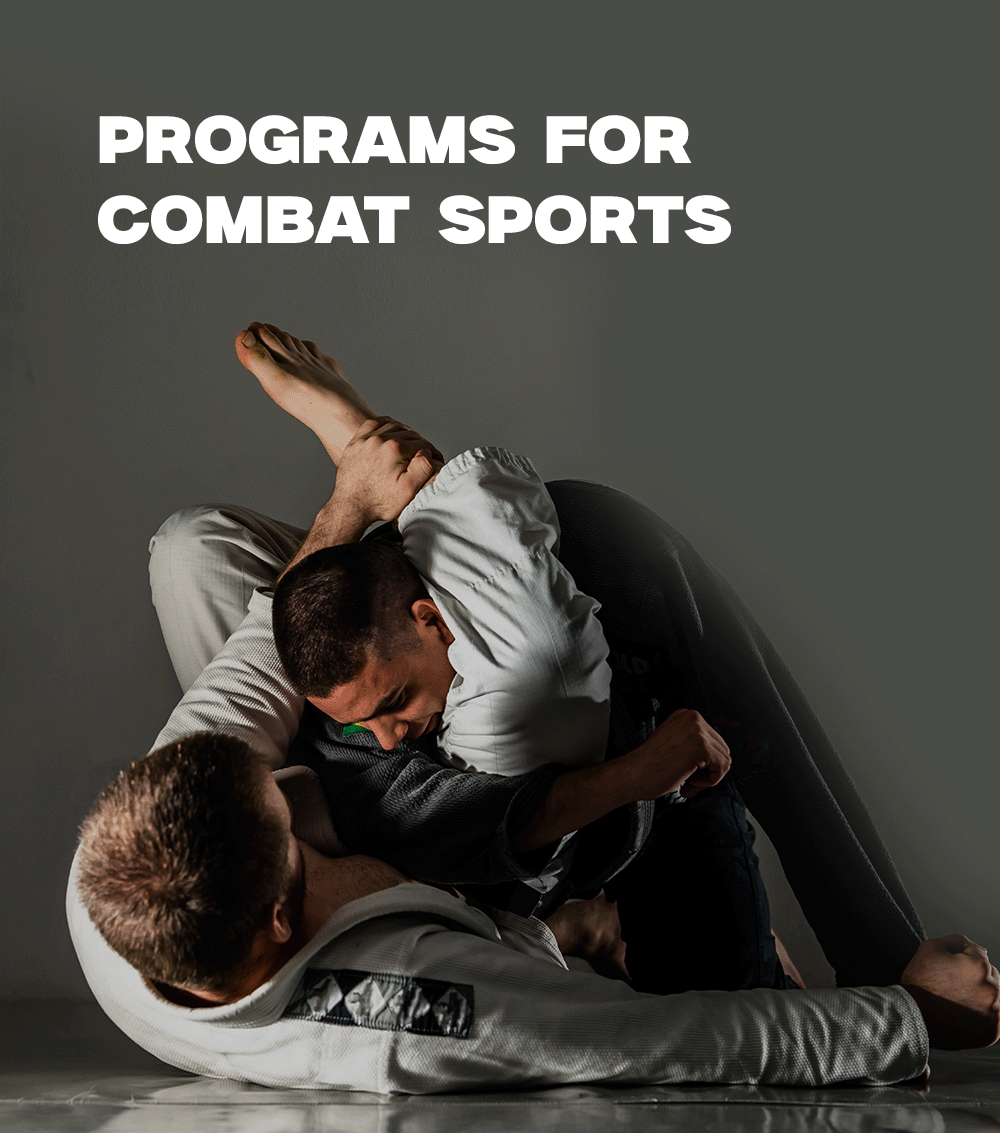
For MMA fighters and combat athletes who punch, clinch, defend takedowns, and work from top position round after round. The first phase armors the cuff with the external rotation series, internal rotations, A-shape pulls, and scapular activation, then the second builds the clinch and framing strength that standing exchanges demand through anti-protraction holds, single arm rows, postural endurance work, T-shape pulls, and overhead position holds. The last phase turns that base into fight conditioning with rotational power throws, low to high diagonal power, power pull-downs, sport-specific patterns, and around the world.

Build the rotator cuff base that everything violent later depends on. The external rotation series, internal rotations, A-shape pulls, and scapular activation balance both directions of rotation so the joint stays centered when an arm gets cranked or a punch misses. Fighters lose shoulders to submissions and to overuse, and a balanced cuff is protection against both.
Comprehensive external rotation training at multiple angles. Excellent for endurance and rotator cuff health.
Balances rotator cuff strength. Critical for americana defense in combat sports.
Isolated scapular retraction at 45 degree arm angle. Targets mid-trapezius and rhomboids for postural correction. Excellent for addressing rounded shoulder posture and upper crossed syndrome. Can be used in isolation or as part of combination sequences.
General scapular activation for multiple programs. Excellent for rehab and postural training.
Build shoulders that hold a frame and a collar tie without fading. Anti-protraction holds, single arm rows, postural endurance work, T-shape pulls, and overhead position holds train sustained isometric strength in the exact positions the clinch and takedown defense demand. The fighter who can still hold posture in round three usually decides where the fight happens.
Counters forward shoulder posture from prolonged sitting. Strengthens posterior chain.
Unilateral pulling strength. Excellent for functional strength and imbalance correction.
Builds endurance for sustained postural demands. Excellent for occupational and postural training.
Classic middle trapezius isolation exercise. Primary movement for addressing postural deficits and scapular retraction weakness. Essential for all programs focusing on posture correction and shoulder blade control. Often called reverse fly at 90 degrees.
Builds isometric overhead strength and stability. Critical for overhead athletes and blocking sports.
Convert the base into speed that survives a full fight. Rotational power throws, low to high diagonal power, power pull-downs, sport-specific patterns, and around the world train striking velocity, upward pulling power, and the shoulder endurance behind ground and pound. Power that fades by round two is not power, so the doses stay explosive and the rest stays short.
Maximum rotational power for sports. Develops core integration and striking/throwing power.
Functional diagonal patterns. Excellent for throwing sports and kinetic chain development.
Explosive pulling for sport performance. Builds lat strength and overhead pulling power.
Adaptable exercise for sport-specific movement patterns. Modify based on sport demands.
Targeted shoulder mobility and stabilization exercise. Focuses heavily on the lateral and posterior deltoids, rotator cuff, and scapular control along the lateral plane of the body. Excellent for building shoulder endurance, improving overhead range of motion, and correcting forward-rolling shoulder posture.
Cloth wrapped bands with graduated resistance and a door anchor for high, mid, and low setups. Everything this program calls for, in one kit.
We call for an effort level instead of a specific weight, because the right resistance depends on you, the movement, and where you are in your training. For the sets and reps listed on each exercise, pick the resistance that makes the last few reps feel like the level shown.
You finish the set with several clean reps still in the tank. The work stays easy and fully controlled from the first rep to the last.
You could manage a few more reps at the end, but not many. The final reps take real effort while your form holds.
You reach the last prescribed rep with little or nothing left. Completing every rep with good form is genuinely hard.
These are starting points, not rules. Everyone is built differently, so adjust to fit you: size down if your form breaks before the final rep or a movement aggravates a symptom, and only size up once every rep feels smooth and pain free. When you are unsure, choose the lighter option.