





Wrestling Neck Exercises: Build the Neck Strength to Dominate
Wrestling is arguably the sport that demands the most from the neck. Every takedown, every scramble, every clinch position involves the neck as a primary point of force application and resistance. Wrestlers use their necks to control opponents, resist being taken down, escape from bad positions, and protect themselves from injury during throws and slams. A weak neck in wrestling is not just a performance limitation. It is a genuine safety risk.
Elite wrestlers at every level, from NCAA champions to Olympic medalists to professional MMA fighters, invest significant time in neck training. This guide covers the specific exercises they use, the principles behind them, and how to build a wrestling-specific neck training program that will make you harder to take down and safer on the mat.
What Wrestling Demands from the Neck
Wrestling imposes unique demands on the neck that differ from most other sports. Understanding these demands is the foundation of effective wrestling neck training.
Bridging strength: The wrestling bridge, supporting your body weight on your head and feet while arching your back, is the most distinctive neck strength demand in wrestling. It requires enormous neck extension strength and the ability to sustain that strength under load for extended periods. A strong bridge can be the difference between giving up a pin and escaping from a bad position.
Lateral resistance: Wrestlers constantly face lateral forces as opponents attempt to drive them sideways, snap their head down, or turn them. Lateral neck strength is essential for resisting these forces and maintaining head position in the clinch.
Rotational control: Controlling head position in wrestling often involves resisting rotation, preventing an opponent from turning your head to set up a takedown or a throw. Rotational neck strength is critical for maintaining position and setting up your own attacks.
Isometric endurance: Wrestling matches last 6–7 minutes at the high school level and longer at higher levels. The neck muscles must maintain tension and resist force throughout the entire match, not just in brief explosive bursts. Neck endurance is as important as peak strength.
Essential Wrestling Neck Exercises
The Wrestling Bridge
The wrestling bridge is the foundational neck exercise for wrestlers. Lie on your back, plant your feet flat on the floor, and arch your back so that only your head and feet are in contact with the mat. Hold this position for time, then rock forward and backward to build dynamic bridging strength. Begin with 30-second holds and build to 2 minutes. Progress to bridging on a curved surface (like a stability ball) to increase the range of motion and the challenge.
The bridge builds the neck extension strength that is the foundation of wrestling neck training. It is also one of the few exercises that builds the specific strength needed to resist being pinned. A direct competitive benefit.
Neck Nods and Rotations
Controlled neck nods (chin to chest and back) and slow rotations build the dynamic strength and range of motion needed for wrestling's constant position changes. Perform 3 sets of 15 nods and 10 rotations in each direction as part of your warm-up before wrestling practice or neck training sessions.
Isometric Holds Against a Partner
Partner-resisted isometric holds are a wrestling-specific training method that builds strength in exactly the positions wrestlers encounter on the mat. Have a partner apply pressure to your head from various directions while you resist. Hold for 10 seconds per direction, 3 sets each. This builds the reactive strength needed to resist unexpected forces during live wrestling.
Resistance Band Neck Training
Resistance bands allow wrestlers to train all four planes of neck movement with progressive resistance. Anchor a band at head height and perform controlled movements against the resistance in each direction. Focus particularly on lateral and rotational resistance, which are the planes most directly relevant to wrestling's demands. Perform 3 sets of 12–15 reps per direction.
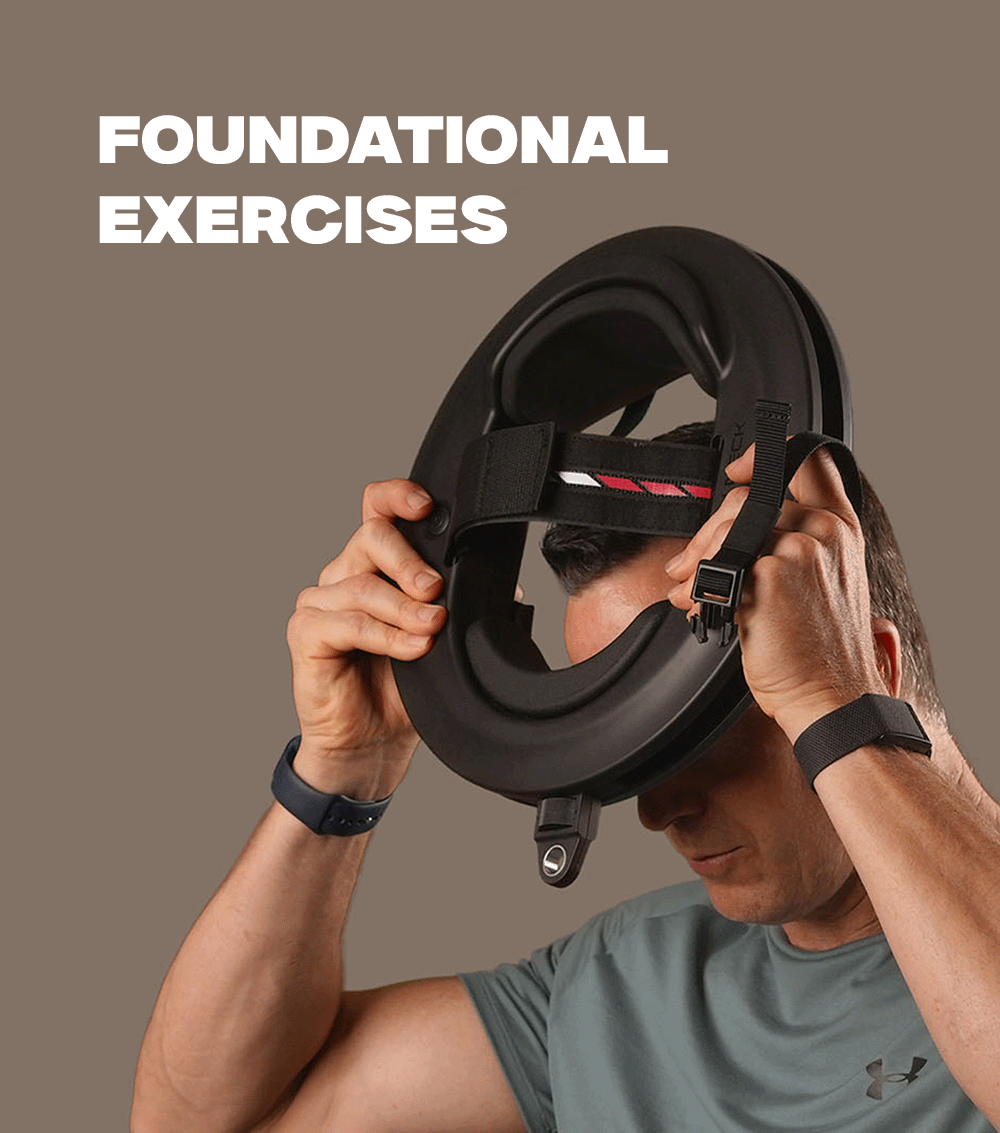
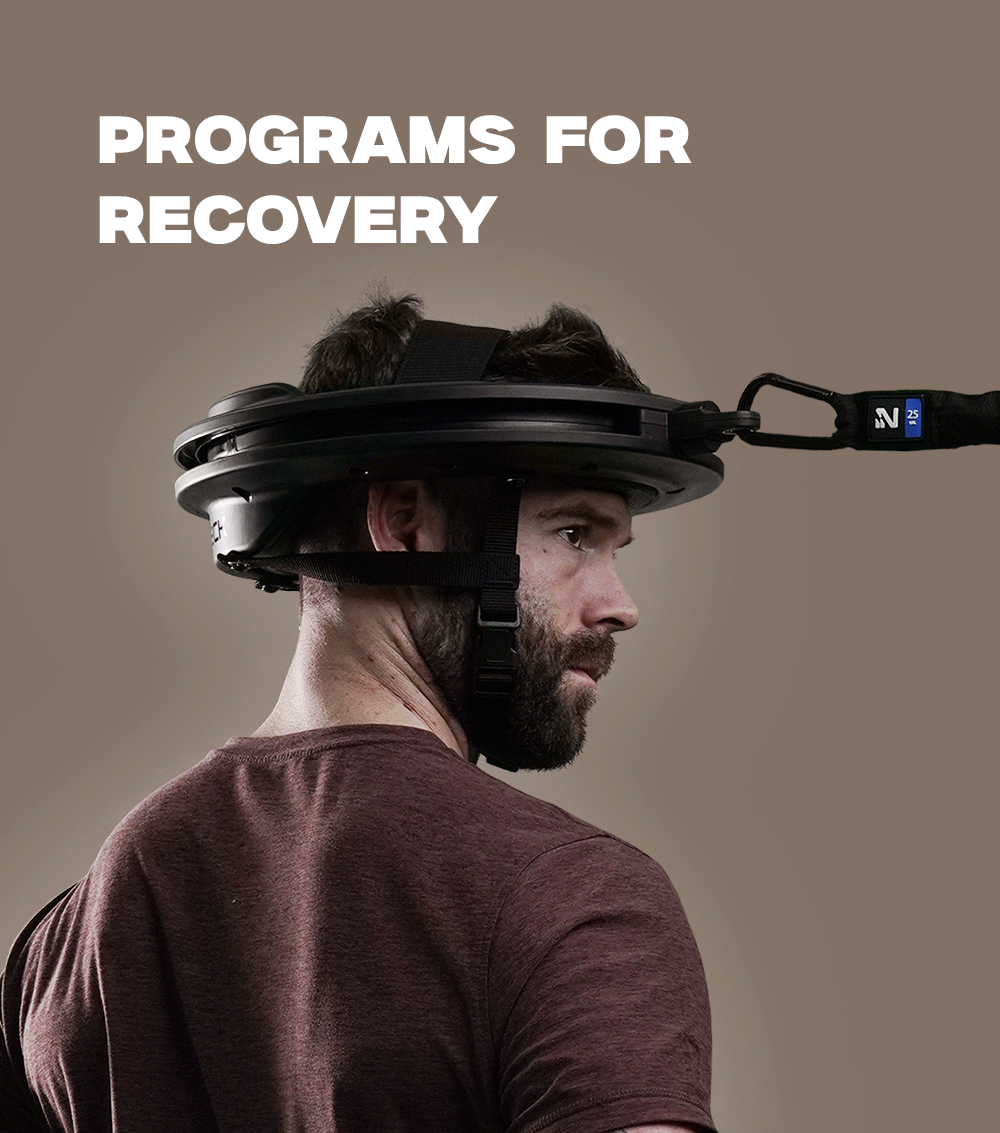
Iron Neck 360° Training
The Iron Neck 3.0 Pro is used by elite wrestlers and MMA fighters because it provides the most comprehensive neck training available. Its 360-degree resistance capability trains all the planes of movement that wrestling demands, including the rotational and lateral strength that traditional harnesses cannot develop. Many Division I wrestling programs have incorporated the Iron Neck into their strength and conditioning protocols.
Programming for Wrestlers
Neck training for wrestlers should be performed two to three times per week during the off-season, with a maintenance protocol during the competitive season. Off-season sessions can be 20–30 minutes; in-season sessions should be abbreviated to 10–15 minutes to avoid excessive fatigue before competition.
Prioritize bridging strength and lateral resistance, these are the most directly competition-relevant qualities. Supplement with rotational training and endurance work for a complete program.
The Competitive Advantage of Neck Strength
Wrestlers with strong necks are harder to take down, harder to pin, and safer when they end up in bad positions. The neck is a control point, opponents who can control your head can control your body. A neck that is too strong to be easily controlled removes one of the most common tools from an opponent's arsenal.
Beyond the tactical advantages, neck strength is a genuine safety investment. Wrestling involves throws, slams, and positions that put significant stress on the cervical spine. A well-trained neck absorbs these forces more effectively and reduces the risk of the cervical injuries that can end careers.
Start building your wrestling neck today. The exercises and program above will develop the strength, endurance, and resilience that separate good wrestlers from great ones.

Leave a comment
This site is protected by hCaptcha and the hCaptcha Privacy Policy and Terms of Service apply.