


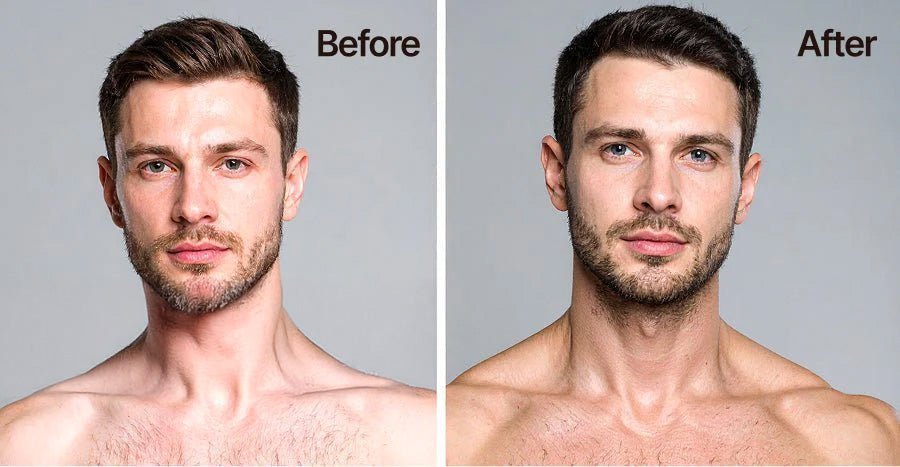
Have you ever wondered what changes neck training can really bring? From improved strength to better posture, just a few minutes of focused neck exercises each day can make a noticeable difference over time (Berg et al., 1994; Conley et al., 1997; Portero et al., 2001). But how long does it take to see results, and what kind of changes should you realistically expect?
Regular neck training has been shown to improve mobility, reduce stiffness, and enhance the overall appearance of the neck, with measurable gains in strength and posture typically observed within 6–12 weeks (Rausch et al., 2021; Salo et al., 2010; Fathollahnejad et al., 2019). Understanding the timeline of progress helps set realistic expectations and maintain motivation, as consistent training produces gradual but lasting results in strength, function, and alignment (Hrysomallis, 2016; Dunleavy et al., 2016).
In this article, we’ll explore what neck training before-and-after results look like—from the first month of training through long-term improvements—so you know what to aim for and how to track your progress along the way (de Zoete et al., 2023; Lytras et al., 2020).
Why Neck Strength Matters
A strong neck does more than make you look fitter; it plays a key role in everyday movement, posture, and overall physical health. Weak neck muscles can lead to stiffness, discomfort, and strain, especially for people who spend long hours at a desk or look down at screens frequently (Berg et al., 1994; Fathollahnejad et al., 2019). For athletes, a well-trained neck helps absorb impact, prevent injuries, and improve performance in sports that involve sudden movements or collisions (Hrysomallis, 2016; Rausch et al., 2021).
Beyond function, strengthening your neck can also enhance the way your shoulders and upper body align, reducing tension and supporting better posture (Conley et al., 1997; Dunleavy et al., 2016). By focusing on neck strength, you’re not just building muscles—you’re improving mobility, stability, and resilience, which can positively affect how you feel and move every day (Lytras et al., 2020; Salo et al., 2010).
Neck Training Before and After Results
Starting Point: Before Neck Training
Before beginning neck exercises, many people experience stiffness, tension, and occasional discomfort in the neck and shoulders. Everyday activities like sitting at a desk, looking down at a phone, or performing sports can feel more exhausting due to weak neck muscles (Fathollahnejad et al., 2019). Poor posture, including rounded shoulders or forward head position, often accompanies limited neck strength and mobility (de Zoete et al., 2023). Visually, the neck may appear thinner or less defined, especially for individuals with lower overall muscle mass. Recognizing these baseline challenges helps set realistic expectations and highlights the areas where neck training can make the biggest difference.
Expected Improvements: After Neck Training
Regular neck training leads to noticeable functional and aesthetic benefits. Strengthened neck muscles better support daily movements, reducing stiffness and discomfort (Portero et al., 2001; Berg et al., 1994). Improved mobility allows smoother head rotation, tilting, and lifting, while enhanced posture improves shoulder alignment and upper-body stability (Rausch et al., 2021; Conley et al., 1997). Over time, the neck becomes stronger, more defined, and resilient, contributing to both appearance and performance (Salo et al., 2010; Dunleavy et al., 2016). Consistent training also lowers the risk of strain or injury during daily activities or athletic movements (Hrysomallis, 2016; Lytras et al., 2020).
By understanding the “before and after” of neck training, readers can set realistic expectations and stay motivated to achieve a stronger, healthier, and more resilient neck (Fathollahnejad et al., 2019; Salo et al., 2010).
Benefits of Neck Training
1. Reduce Neck and Shoulder Pain
One of the most immediate benefits of neck training is the reduction of stiffness, tension, and discomfort. Strengthened neck muscles provide better support for the head and shoulders, easing strain from long hours at a desk, phone use, or repetitive movements (Berg et al., 1994; Lytras et al., 2020). Over time, this can help prevent chronic neck pain and tension headaches, improving comfort and daily function (Salo et al., 2010; Fathollahnejad et al., 2019).
2. Improve Posture and Alignment
Neck exercises contribute to better posture by aligning the head, neck, and shoulders. Improved posture reduces the risk of forward head positioning, rounded shoulders, and upper-back tension (Conley et al., 1997; Fathollahnejad et al., 2019). Enhanced alignment also makes daily movements smoother and more comfortable (Hrysomallis, 2016; Dunleavy et al., 2016).
3. Enhance Mobility and Stability
Regular neck training improves mobility, allowing for easier head rotation, tilting, and lifting. Increased stability helps protect against injuries during physical activities and supports better overall upper-body control (Portero et al., 2001; de Zoete et al., 2023).
4. Boost Athletic Performance
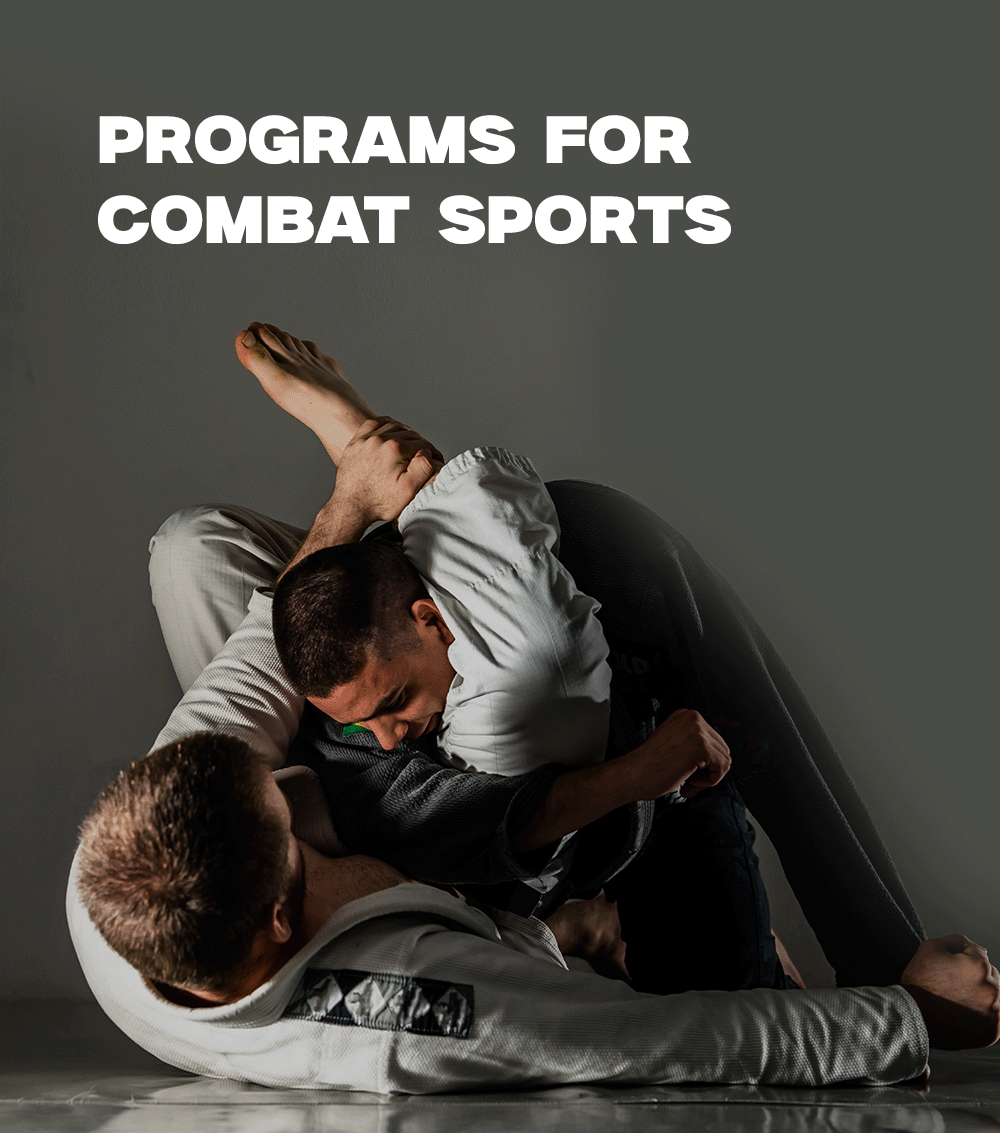
Athletes benefit from a strong neck as it absorbs impact, stabilizes the spine, and improves balance. Sports that involve sudden movements, collisions, or repeated motion—like football, basketball, or martial arts become safer and more effective with a well-conditioned neck (Hrysomallis, 2016; Rausch et al., 2021). In fact, athletes often supplement with tools like a neck harness workout to build extra resilience against high-impact forces (Rotto et al., 2020).
5. Achieve Visible Definition
Neck training can lead to noticeable improvements in neck shape and muscle definition. These aesthetic benefits not only enhance appearance but also reflect the functional strength gained through consistent exercise (Conley et al., 1997; Rausch et al., 2021).
Key Takeaways for Lasting Results
Focus on gradual, consistent training for steady improvement. Combine strength, mobility, and posture exercises for the best results. Functional gains often appear first, followed by visible definition and enhanced stability (Berg et al., 1994; Salo et al., 2010).
Iron Neck: A Supportive Tool for Neck Training
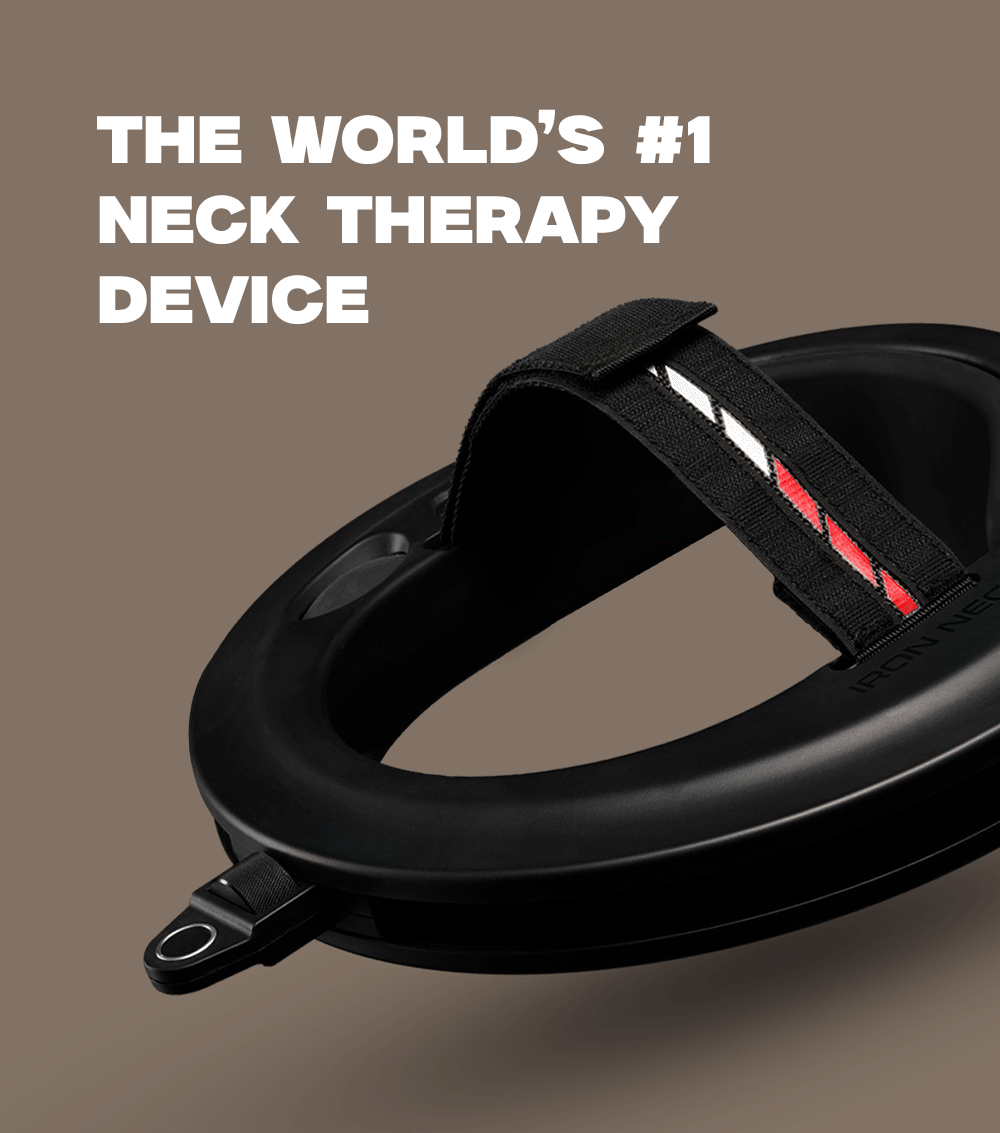
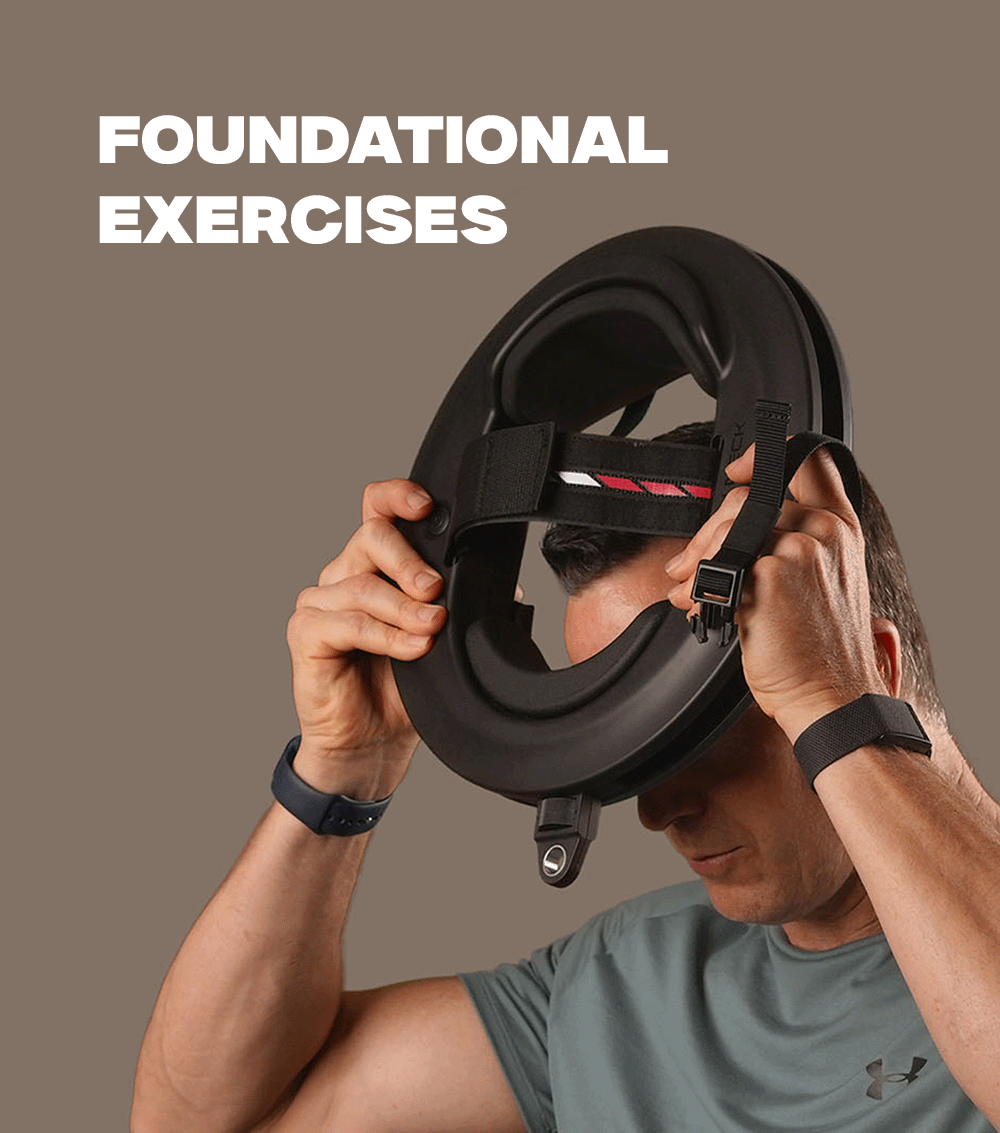
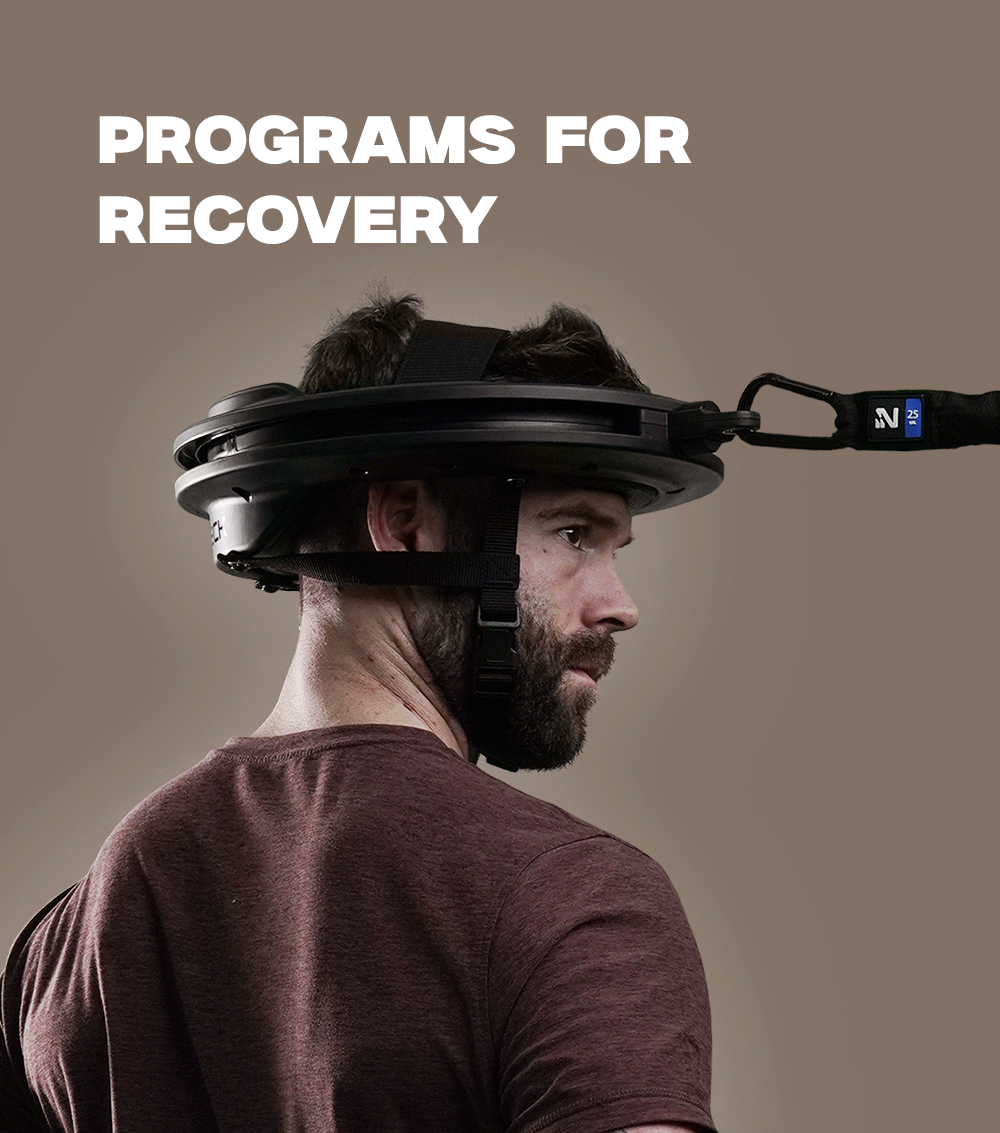
Iron Neck is a specialized tool designed to strengthen the neck safely and efficiently. It allows users to perform controlled, 360-degree neck movements with adjustable resistance, targeting all major neck muscles (Berg et al., 1994; Conley et al., 1997).
Why Use Iron Neck?
Traditional neck exercises can be limited in range or resistance, making it harder to achieve consistent progress. Iron Neck provides structured resistance and guided movement, helping users build strength, mobility, and stability effectively (Portero et al., 2001; Rausch et al., 2021). It is suitable for beginners, athletes, and anyone looking to improve posture or prevent neck injuries (Hrysomallis, 2016; Lytras et al., 2020).
Key Benefits of Using Iron Neck
- 360-Degree Training: Engages all neck muscles for balanced strength (Conley et al., 1997).
- Adjustable Resistance: Allows gradual progression to safely increase difficulty (Portero et al., 2001).
- Improved Posture: Supports better head, neck, and shoulder alignment (Fathollahnejad et al., 2019; Dunleavy et al., 2016).
- Injury Prevention: Strengthens the neck to reduce the risk of strain during daily activities or sports (Hrysomallis, 2016; Rotto et al., 2020).
-
Versatility: Can be used for rehabilitation, athletic training, or general fitness (Lytras et al., 2020; Salo et al., 2010).
Why It Works
Iron Neck encourages proper biomechanics and controlled movements, which help prevent common neck training mistakes. Regular use enhances muscle activation, stability, and overall neck performance, making it an effective solution for both functional and aesthetic goals (Berg et al., 1994; Rausch et al., 2021).
How to Get Started with Iron Neck
Neck Strength Improvements and Stability
Neck training can bring significant functional and aesthetic benefits when done consistently and with proper technique. By strengthening the neck, you can reduce stiffness, improve posture, enhance mobility, and lower the risk of injury during daily activities or sports (Lytras et al., 2020; Hrysomallis, 2016). Over time, consistent effort leads to stronger, more defined neck muscles and better overall upper-body stability (Salo et al., 2010; Conley et al., 1997).
Using a tool like Iron Neck can make training safer and more effective, allowing you to target all neck muscles with controlled resistance and proper biomechanics (Portero et al., 2001; Rausch et al., 2021). Starting with basic movements, maintaining proper form, and gradually increasing resistance ensures steady progress and lasting results (Berg et al., 1994; Fathollahnejad et al., 2019).
Remember, results take time, and the key to success is consistency, patience, and a structured approach. By dedicating a few minutes several times per week, you can transform your neck strength, improve daily comfort, and achieve visible improvements that reflect both effort and commitment (Salo et al., 2010; Rausch et al., 2021).
Reference List :
Berg, H. E., Berggren, G., & Tesch, P. A. (1994). Dynamic neck strength training effect on pain and function. Archives of Physical Medicine and Rehabilitation, 75(7), 661–665. [https://doi.org/10.1016/0003-9993(94)90192-9]
Conley, M. S., Meyer, R. A., Bloomberg, J. J., Feeback, D. L., & Dudley, G. A. (1997). Specificity of resistance training responses in neck muscle size and strength. European Journal of Applied Physiology and Occupational Physiology, 75(5), 443–448. [https://doi.org/10.1007/s004210050184]
de Zoete, R. D., van der Meijden, T., & Sterling, M. (2023). Differential structural brain changes between responders and nonresponders after physical exercise therapy for chronic nonspecific neck pain. The Clinical Journal of Pain, 39(4), 261–269. [https://doi.org/10.1097/AJP.0000000000001164]
Dunleavy, K., Kava, K., Goldberg, A., & Malek, M. (2016). Comparative effectiveness of Pilates and yoga group exercise interventions for chronic mechanical neck pain: Quasi-randomized parallel controlled study. Physiotherapy, 102(3), 236–242. [https://doi.org/10.1016/j.physio.2015.04.002]
Fathollahnejad, K., Letafatkar, A., & Hadadnezhad, M. (2019). The effect of manual therapy and stabilizing exercises on forward head and rounded shoulder postures: A six-week intervention with a one-month follow-up study. BMC Musculoskeletal Disorders, 20(1), 86. [https://doi.org/10.1186/s12891-019-2455-1]
Hrysomallis, C. (2016). Neck muscular strength, training, performance, and sport injury risk: A review. Sports Medicine, 46(8), 1111–1124. [https://doi.org/10.1007/s40279-016-0490-4]
Lytras, D., Sykaras, E., Christoulas, K., Myrogiannis, I., & Kellis, E. (2020). Effects of exercise and an integrated neuromuscular inhibition technique program in the management of chronic mechanical neck pain: A randomized controlled trial. Journal of Manipulative and Physiological Therapeutics, 43(8), 782–792. [https://doi.org/10.1016/j.jmpt.2020.02.002]
Portero, P., Bigard, A. X., Gamet, D., & Guezennec, C. Y. (2001). Effects of resistance training in humans on neck muscle performance and electromyogram power spectrum changes. European Journal of Applied Physiology, 84(6), 507–512. [https://doi.org/10.1007/s004210100395]
Rausch, M., Hothan, A., & Gollhofer, A. (2021). The effects of 12 weeks of functional strength training on muscle strength, volume, and activity upon exposure to elevated Gz forces in high-performance aircraft personnel. Military Medical Research, 8(1), 40. [https://doi.org/10.1186/s40779-021-00338-8]
Rotto, T., Liu, J., & Thompson, J. (2020). A neck strength training protocol in high school football players for concussion risk reduction. Orthopaedic Journal of Sports Medicine, 8(3), 232596712091021. [https://doi.org/10.1177/2325967120910211]
Salo, P., Ylinen, J., & Kautiainen, H. (2010). Effect of neck strength training on health-related quality of life in females with chronic neck pain: A randomized controlled 1-year follow-up study. Health and Quality of Life Outcomes, 8(1), 48. [https://doi.org/10.1186/1477-7525-8-48]
Disclaimer: The Iron Neck blog provides educational content on neck training, fitness, and recovery. It’s not a substitute for medical advice, please consult a healthcare professional before starting any new exercise or recovery program.


Leave a comment
This site is protected by hCaptcha and the hCaptcha Privacy Policy and Terms of Service apply.