




Neck Stretches: 12 Moves for Instant Relief and Long-Term Mobility
Neck stretches are among the most commonly performed self-care interventions for neck pain and stiffness, and for good reason: targeted stretching of the cervical muscles and surrounding soft tissues provides genuine relief from the tension and restricted movement that affect so many people. However, not all neck stretches are equally effective, and some commonly performed stretches are ineffective or even counterproductive. This guide covers 12 of the most effective neck stretches, organized by the muscles they target and the conditions they address, along with guidance on how to perform them safely and effectively.
How to Stretch Safely and Effectively
Before covering the specific stretches, a few principles apply to all of them. Stretch to the point of mild tension, not pain. A gentle pulling sensation is appropriate; sharp pain is a signal to stop. Hold each stretch for 20 to 30 seconds, which is the minimum duration needed to produce a lasting increase in tissue extensibility. Perform each stretch two to three times per side. Breathe slowly and deeply during the stretch; exhaling during the stretch promotes muscle relaxation and allows a slightly greater range of motion. Never force a stretch or use ballistic (bouncing) movements in the cervical spine.
Upper Trapezius Stretches
Lateral Flexion Stretch: Sit upright. Drop your right ear toward your right shoulder. Place your right hand on the left side of your head and apply gentle downward pressure. Hold for 30 seconds. Repeat on the opposite side. This is the most effective stretch for the upper trapezius, one of the most commonly tight muscles in the neck and shoulder region.
Lateral Flexion with Shoulder Depression: Sit upright. Drop your right ear toward your right shoulder. Reach your left hand down toward the floor, actively depressing your left shoulder. Hold for 30 seconds. The shoulder depression increases the stretch on the upper trapezius by lengthening it from both ends simultaneously.
Levator Scapulae Stretches
Diagonal Flexion Stretch: Sit upright. Rotate your head 45 degrees to the right and tilt it forward and to the right, as if looking into your right armpit. Place your right hand on the back of your head and apply gentle downward pressure. Hold for 30 seconds. Repeat on the opposite side. This stretch specifically targets the levator scapulae, which runs from the upper cervical vertebrae to the shoulder blade and is a frequent contributor to neck stiffness and pain.
Seated Levator Scapulae Stretch: Sit on your right hand to stabilize your right shoulder blade. Rotate your head 45 degrees to the left and tilt it forward and to the left. Use your left hand to apply gentle overpressure. Hold for 30 seconds. Repeat on the opposite side. Sitting on the hand prevents the shoulder from elevating during the stretch, increasing its effectiveness.
Suboccipital Stretches
Chin Tuck Stretch: Sit or stand with your back straight. Perform a chin tuck (slide your head straight back) and then gently nod your head forward, as if looking at your lap. Place both hands on the back of your head and apply gentle downward pressure to increase the stretch. Hold for 30 seconds. Perform twice. This stretch targets the suboccipital muscles at the base of the skull, which are a common source of upper neck pain and headache.
Suboccipital Release: Lie on your back with a small rolled towel at the base of your skull. Allow the weight of your head to compress the suboccipital muscles against the towel for 2 to 3 minutes. This technique reduces the hypertonicity of the suboccipitals more effectively than active stretching for many people.
Scalene Stretches
Lateral Flexion with Rotation Stretch: Sit upright. Tilt your head to the right and slightly rotate it to the right, looking slightly upward. Place your right hand on your left collarbone to stabilize the shoulder. Hold for 30 seconds. Repeat on the opposite side. This stretch targets the scalene muscles, which run from the cervical vertebrae to the first and second ribs and are a common source of neck pain and referred pain into the arm.
Sternocleidomastoid Stretches
Rotation and Extension Stretch: Sit upright. Rotate your head to the right and tilt it slightly back. Place your left hand on your left collarbone to stabilize the shoulder. Hold for 30 seconds. Repeat on the opposite side. This stretch targets the sternocleidomastoid (SCM), which runs from behind the ear to the collarbone and is a common source of neck pain and headache.
Thoracic Mobility Stretches
Foam Roller Thoracic Extension: Place a foam roller at mid-back level, perpendicular to your spine. Support your head with your hands and extend backward over the roller. Hold each position for 5 to 10 seconds, then shift the roller one inch up your spine. Work from the mid-back to the base of the neck. Thoracic stiffness is a major contributor to neck pain, and this technique provides immediate relief for many people.
Thoracic Rotation: Sit in a chair with your feet flat on the floor. Place your hands behind your head. Rotate your upper body to the right as far as comfortable, then to the left. Perform 10 repetitions per side. Thoracic rotation mobility is essential for cervical function, as the cervical spine compensates for restricted thoracic rotation by moving more than it should.
Combining Stretching with Strengthening
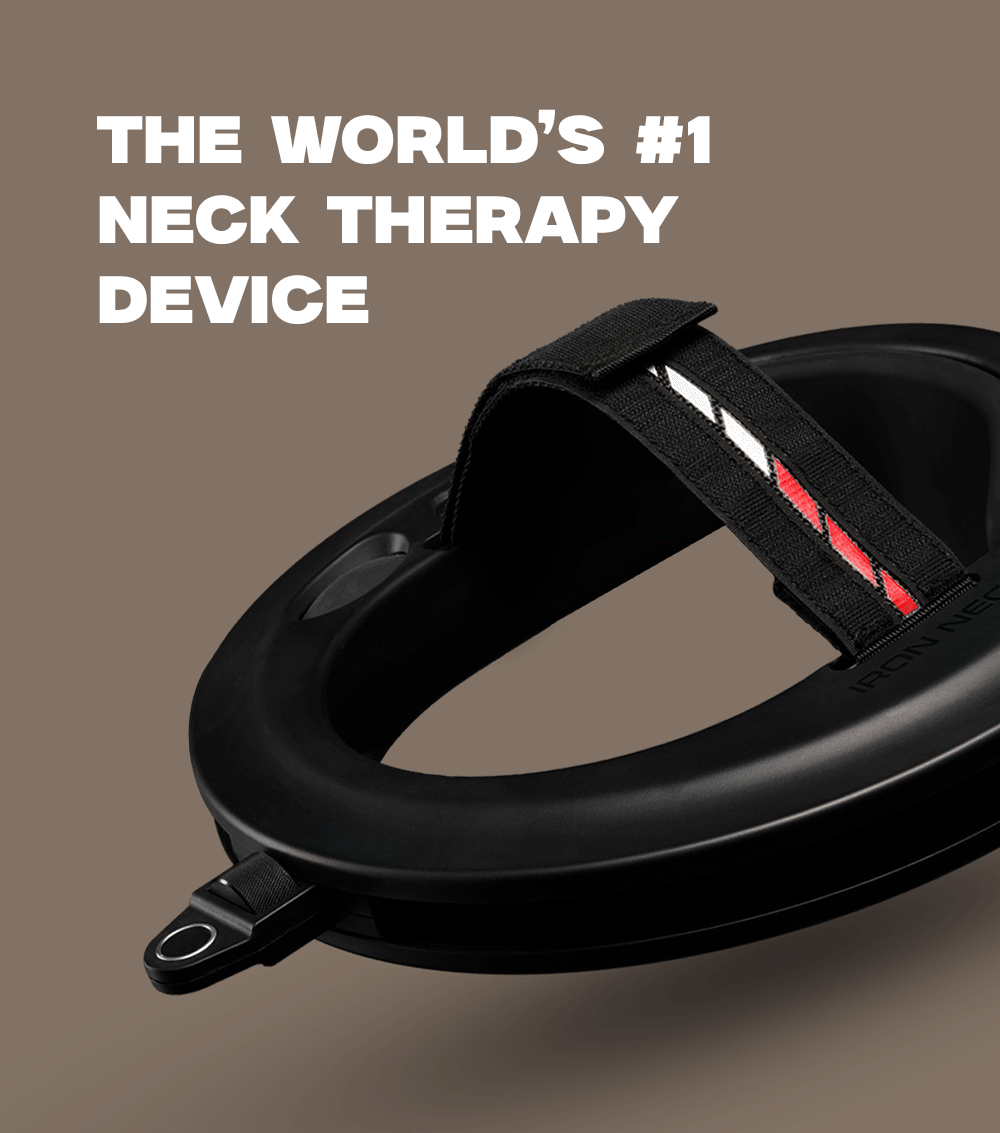
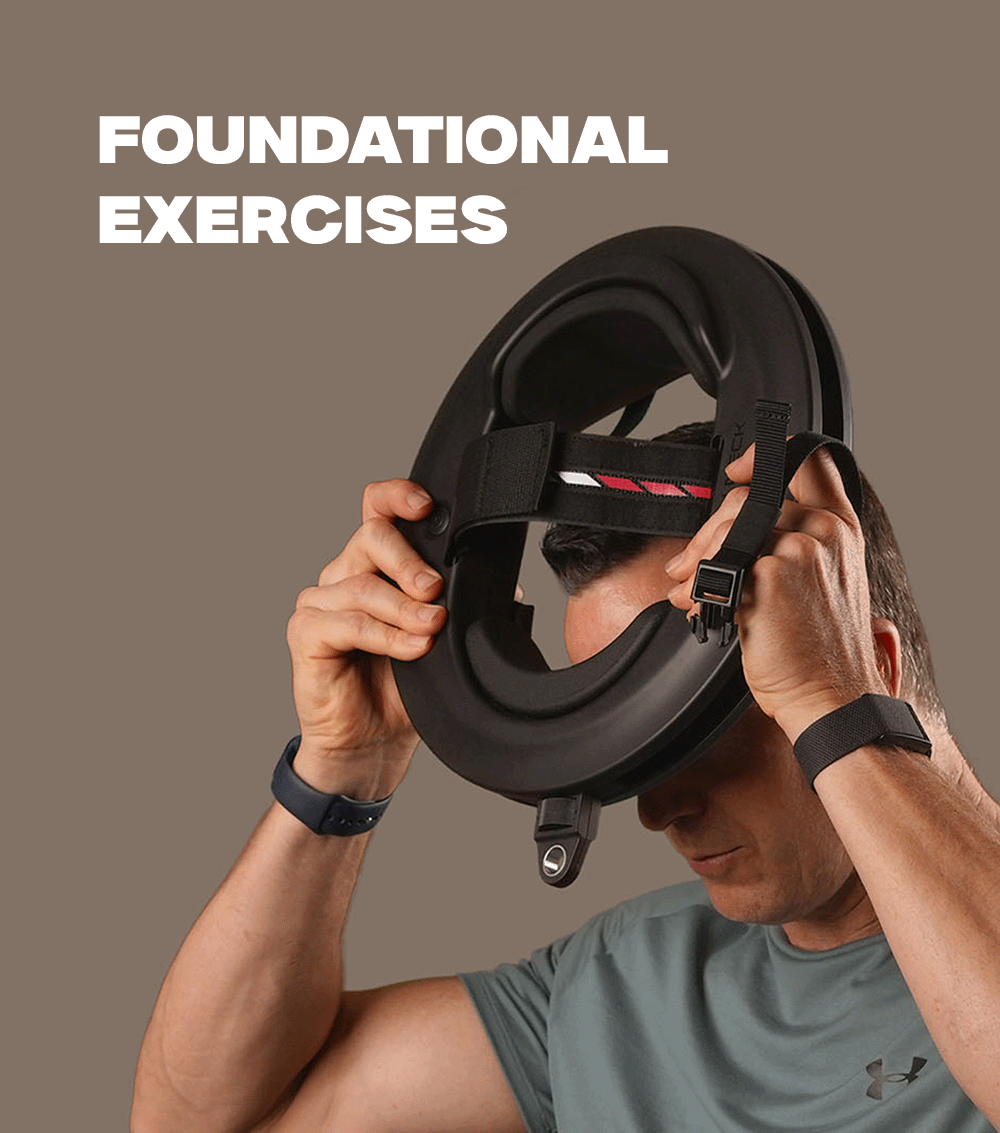
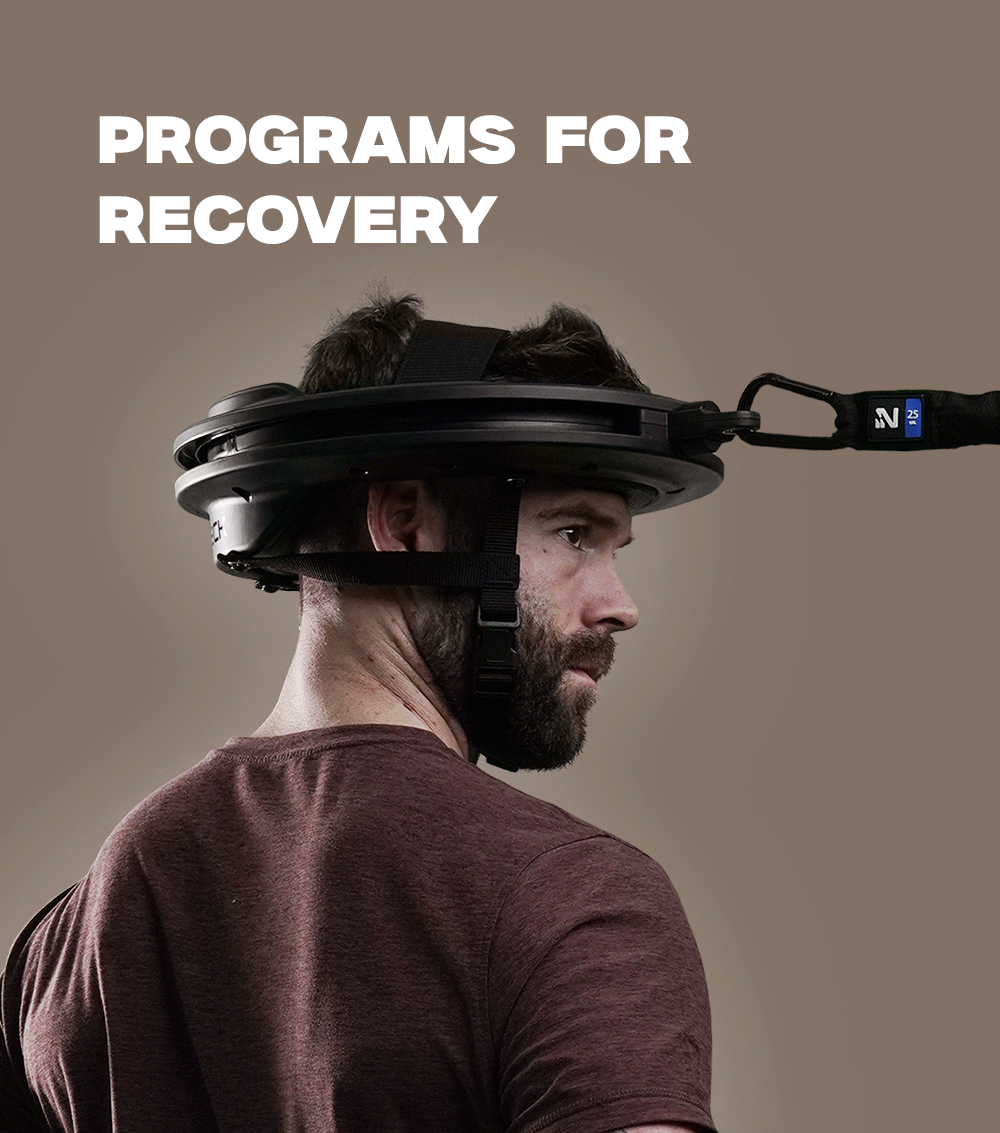
Stretching alone is not sufficient for long-term neck pain relief. The muscles that are tight and overactive need to be stretched, but the muscles that are weak and underactive need to be strengthened. Building the strength of the deep cervical flexors and upper back muscles through exercises like chin tucks, face pulls, and pull-aparts, using the Iron Neck resistance bands, is the complement to stretching that produces lasting improvement. For comprehensive cervical strengthening, the Iron Neck device provides adjustable resistance for cervical rotation and extension training.
Iron Neck is the only device that trains your neck through 360 degrees of resistance, combining rotation, extension, and lateral movement in one tool. Used by NFL teams, UFC fighters, and physical therapists.

Leave a comment
This site is protected by hCaptcha and the hCaptcha Privacy Policy and Terms of Service apply.