




Neck Pain: Causes, Symptoms, and When to See a Doctor
Neck pain is the fourth leading cause of disability globally, affecting an estimated 30 to 50 percent of adults at any given time. It is a symptom rather than a diagnosis, meaning it can arise from a wide variety of underlying causes ranging from simple muscle tension to serious structural pathology. Understanding the most common causes of neck pain, recognizing the symptoms that warrant medical attention, and knowing the evidence-based treatments that produce the best outcomes are the foundations of effective neck pain management. This guide covers all three.
The Most Common Causes of Neck Pain
Muscle Strain and Tension: The most common cause of neck pain is muscle strain or tension, arising from poor posture, prolonged static positions, sudden movements, or emotional stress. The muscles most commonly affected are the upper trapezius, levator scapulae, and suboccipitals. Muscle-related neck pain is typically characterized by a dull, aching quality, tenderness to palpation of the affected muscles, and restriction of movement in the direction that stretches the strained muscle. It generally resolves within a few days to two weeks with gentle movement, stretching, and heat therapy.
Cervical Spondylosis: Cervical spondylosis is the medical term for age-related degenerative changes in the cervical spine, including disc degeneration, bone spur formation, and facet joint arthritis. It is extremely common, with radiographic evidence present in approximately 50 percent of people by age 50. Cervical spondylosis produces neck pain and stiffness that is typically worse in the morning, improves with movement, and worsens with prolonged static positions. It is managed with exercise, ergonomic modifications, and in some cases, physical therapy or medication.
Cervical Disc Herniation: A cervical disc herniation occurs when the soft inner material of an intervertebral disc pushes through a tear in the outer fibrous ring and presses on a nearby nerve root. It produces the characteristic radiating pain, numbness, and weakness of cervical radiculopathy. The most common levels affected are C5-C6 and C6-C7. Most cases resolve with conservative management including exercise and physical therapy, without requiring surgery.
Cervical Stenosis: Cervical stenosis is a narrowing of the spinal canal that can compress the spinal cord or nerve roots. It is most commonly caused by age-related degenerative changes and produces symptoms ranging from neck pain and stiffness to radiating arm pain, weakness, and in severe cases, balance problems and difficulty walking (myelopathy).
Whiplash: Whiplash is a soft tissue injury to the cervical spine caused by a rapid acceleration-deceleration movement, most commonly in a motor vehicle accident. It produces neck pain, stiffness, headache, and in some cases, radiating arm symptoms. Most cases resolve with early active rehabilitation, though a significant proportion develop chronic symptoms.
Facet Joint Syndrome: The facet joints are the small joints at the back of each vertebra that guide and limit cervical movement. Facet joint syndrome occurs when these joints become irritated or inflamed, producing localized neck pain that is typically worse with extension and rotation. It is a common cause of neck pain in older adults and responds well to exercise and manual therapy.
Symptoms That Require Urgent Medical Attention
Most neck pain is benign and self-limiting. However, certain symptoms indicate a potentially serious underlying condition that requires urgent medical evaluation. Seek immediate medical attention if you have neck pain accompanied by fever and stiffness (which may indicate meningitis), neck pain following significant trauma such as a fall or motor vehicle accident, neck pain with significant weakness or numbness in the arms or legs, neck pain with balance problems or difficulty walking, or neck pain with bowel or bladder dysfunction. These presentations may indicate serious conditions including spinal cord compression, infection, or fracture that require urgent diagnosis and treatment.
Evidence-Based Treatments for Neck Pain
The evidence for neck pain treatment is clear: active treatments, particularly exercise and manual therapy, produce better outcomes than passive treatments such as rest, heat, and medication alone. The most effective treatments for most types of neck pain include targeted strengthening exercises (particularly for the deep cervical flexors and upper back), manual therapy (joint mobilization and manipulation), and ergonomic modifications. For chronic neck pain, a multidisciplinary approach that includes exercise, pain education, and psychological support produces the best outcomes.
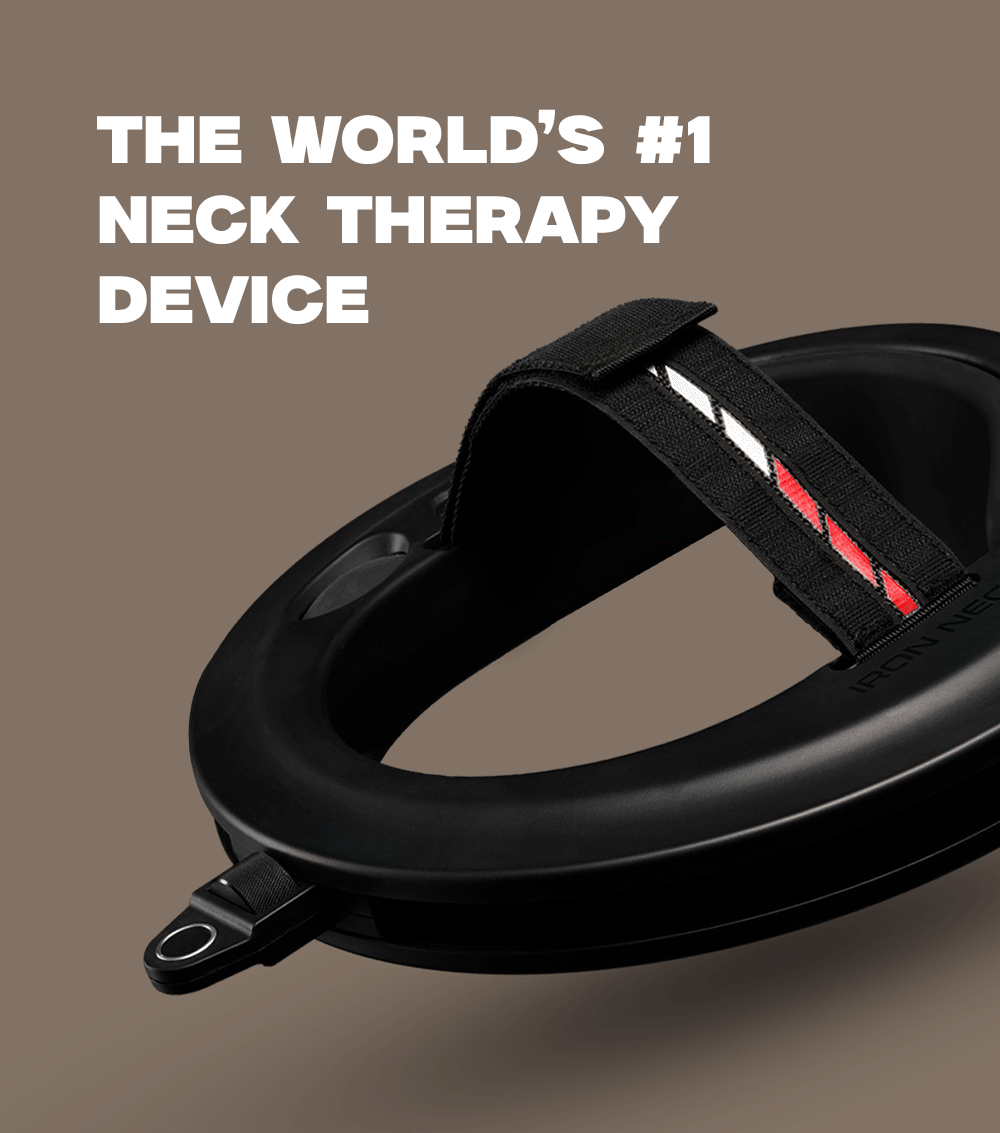
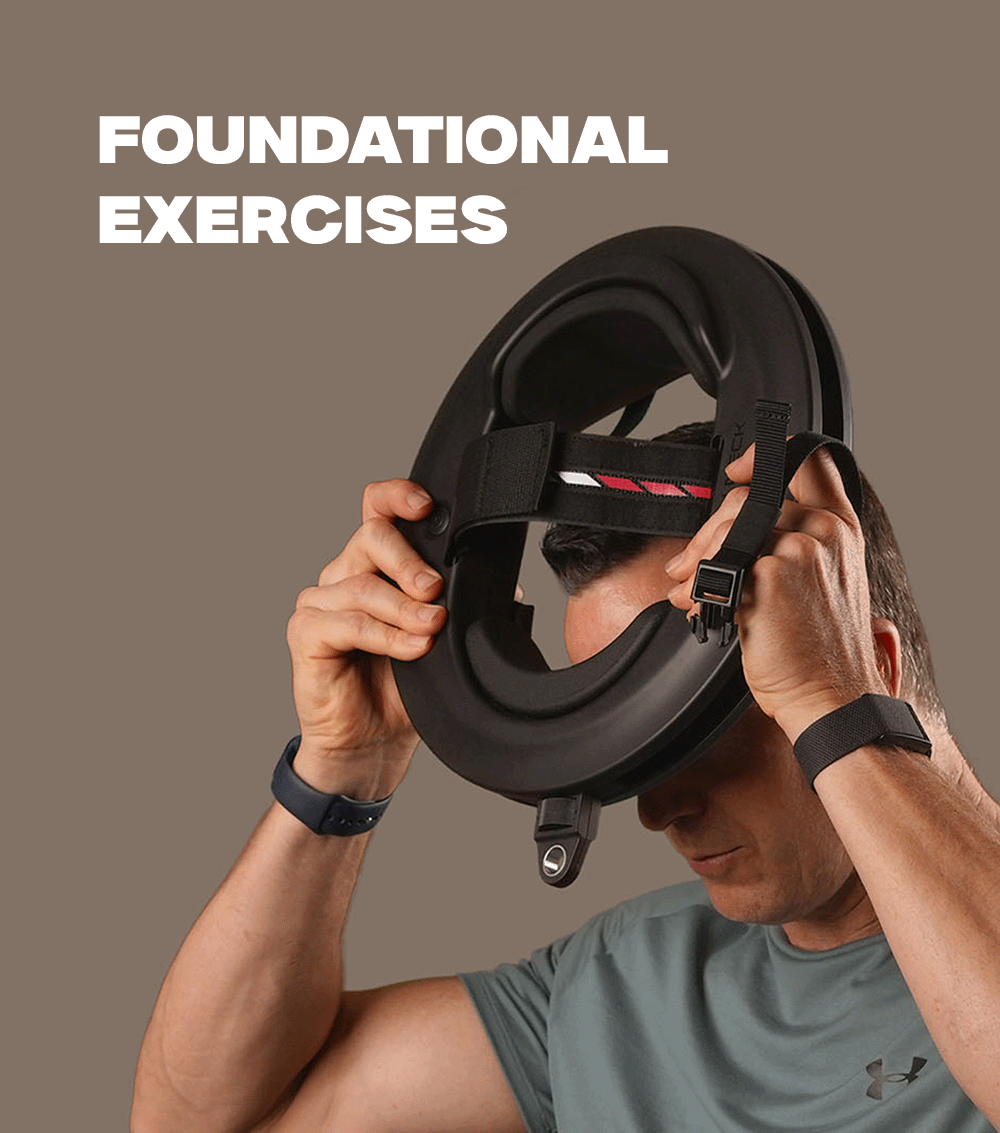
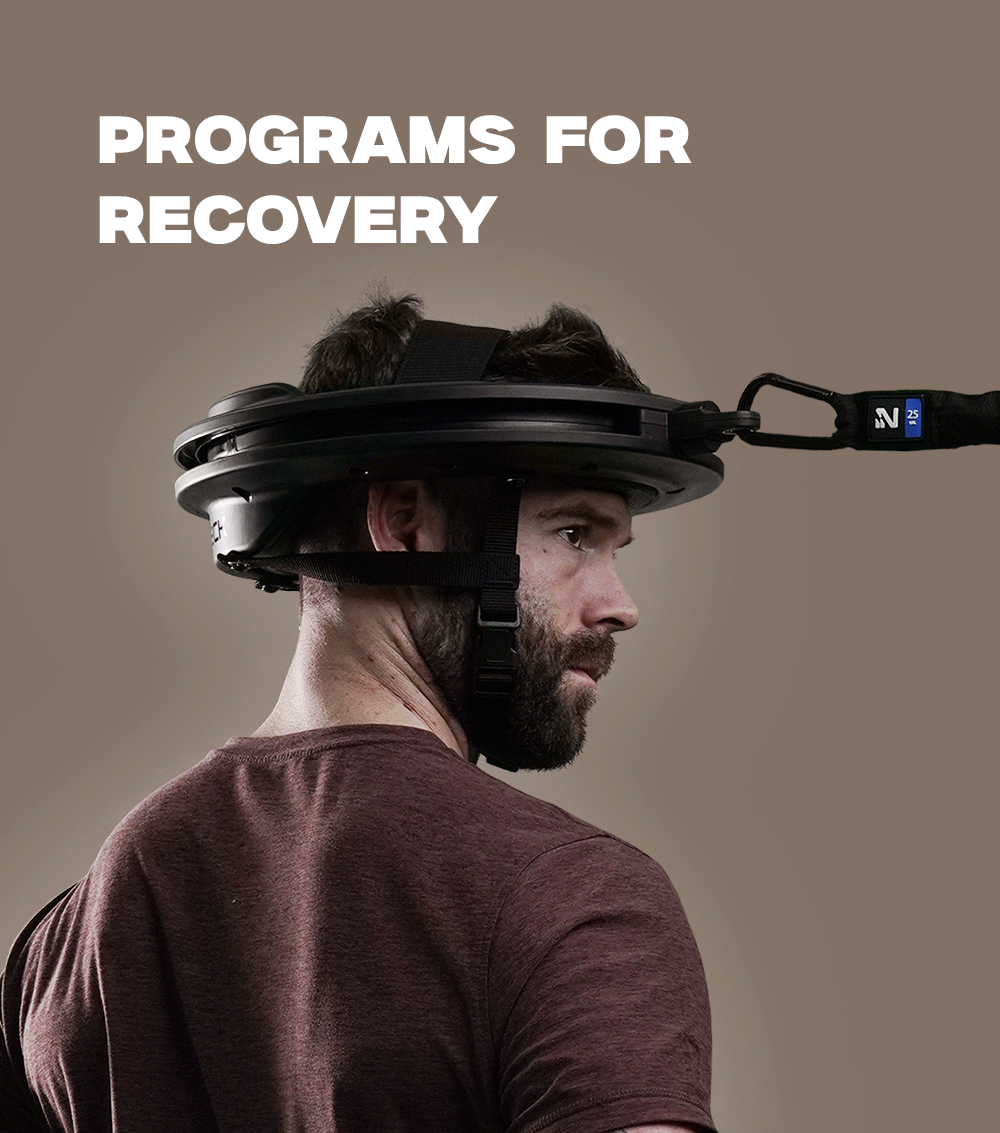
For building the cervical strength needed for long-term neck pain prevention, the Iron Neck device provides adjustable, 360-degree resistance for cervical rotation and extension training. The Iron Neck resistance bands provide an accessible starting point for upper back and shoulder strengthening. Both are effective tools for the exercise-based management of neck pain.


Leave a comment
This site is protected by hCaptcha and the hCaptcha Privacy Policy and Terms of Service apply.