



Neck and Shoulder Pain: What Causes It and How to Fix It
Neck and shoulder pain frequently occur together, and for good reason: the neck and shoulder share anatomical structures, neural pathways, and functional relationships that make it common for problems in one area to produce or perpetuate problems in the other. Understanding the relationship between neck and shoulder pain is essential for treating it effectively, because approaches that address only one area while ignoring the other often produce incomplete or temporary relief. This guide covers the most common causes of combined neck and shoulder pain and the evidence-based treatments that address both areas simultaneously.
Why Neck and Shoulder Pain Occur Together
The cervical spine and the shoulder girdle are mechanically and neurologically interdependent. The muscles that move the shoulder blade, particularly the trapezius and levator scapulae, attach to the cervical vertebrae. Problems in the cervical spine, such as facet joint irritation or disc herniation, can produce referred pain into the shoulder region. Conversely, poor shoulder blade positioning (scapular dyskinesis) alters the mechanical environment of the cervical spine and can produce or perpetuate neck pain.
The most common pattern of combined neck and shoulder pain involves upper crossed syndrome: tight pectorals and upper trapezius combined with weak deep cervical flexors and lower trapezius. This pattern produces forward head posture, rounded shoulders, and the characteristic aching in the neck and shoulder region that affects so many desk workers and smartphone users.
Common Causes of Combined Neck and Shoulder Pain
Upper Crossed Syndrome: The most common cause of combined neck and shoulder pain in the general population. Characterized by tight pectorals and upper trapezius, weak deep cervical flexors and lower trapezius, forward head posture, and rounded shoulders. Treated with a combination of stretching the tight muscles and strengthening the weak ones.
Cervical Radiculopathy: Compression of a cervical nerve root can produce pain that radiates from the neck into the shoulder, arm, and hand. C5 radiculopathy produces pain and weakness in the shoulder and upper arm. C6 radiculopathy produces pain and numbness in the thumb and index finger. C7 radiculopathy produces pain and numbness in the middle finger and triceps weakness.
Thoracic Outlet Syndrome: Thoracic outlet syndrome occurs when the nerves or blood vessels that pass between the collarbone and the first rib are compressed, producing pain, numbness, and tingling in the neck, shoulder, arm, and hand. It is often associated with poor posture and tight scalene muscles.
Rotator Cuff Pathology: Rotator cuff tendinopathy or tears can produce pain that radiates into the neck and upper arm, particularly with overhead activities. The pain is typically located in the lateral shoulder and upper arm rather than the neck itself, but the two conditions frequently coexist.
The Most Effective Exercises for Combined Neck and Shoulder Pain
Chin Tucks: Sit or stand with your back straight. Slide your head straight back as if making a double chin. Hold for 3 seconds and release. Perform 3 sets of 15 repetitions. Chin tucks address the forward head component of upper crossed syndrome and are the foundation of any combined neck and shoulder pain treatment program.
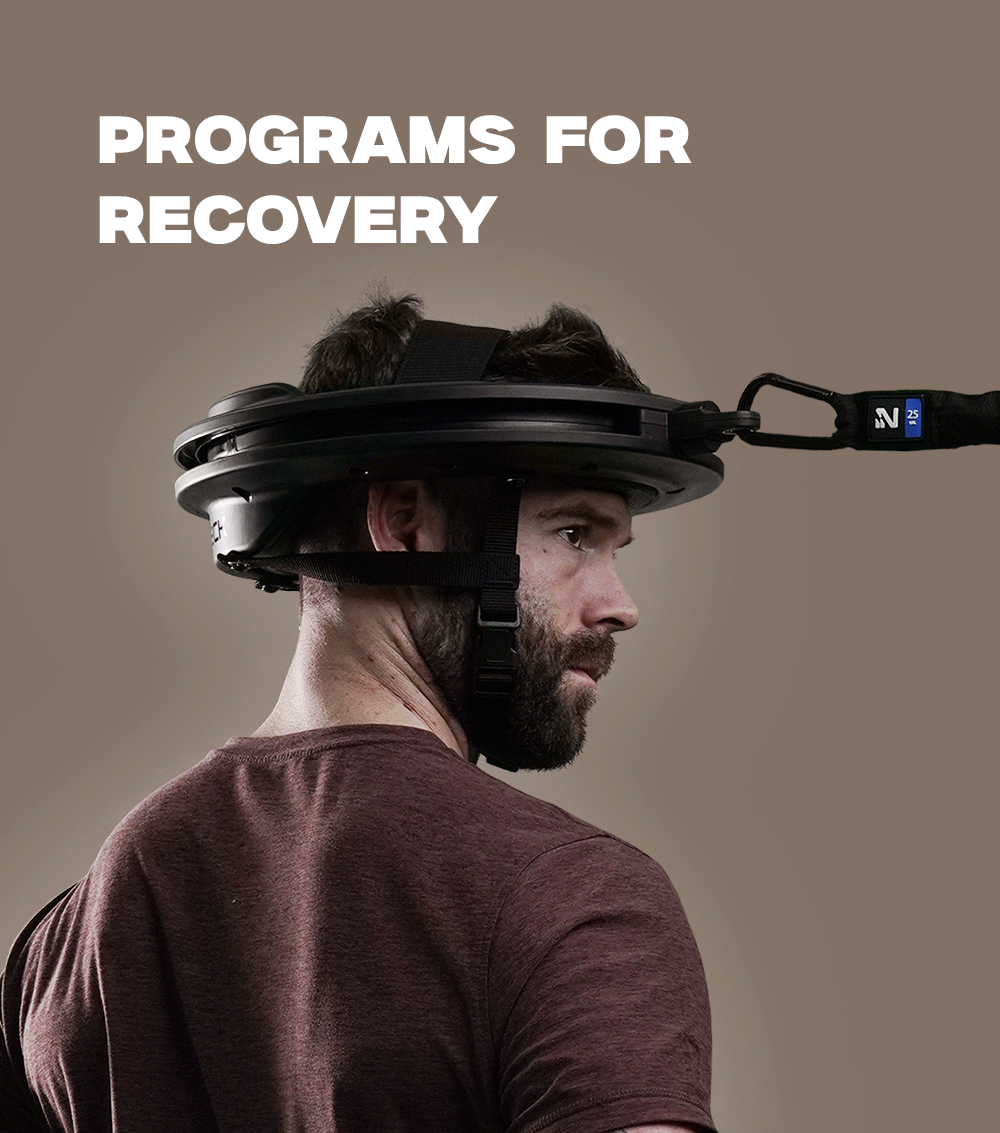
Band Face Pulls: Attach a resistance band at face height. Pull the band toward your face while simultaneously externally rotating your shoulders. Squeeze your shoulder blades together and down. Perform 3 sets of 15 repetitions. Face pulls are the single most effective exercise for upper crossed syndrome, simultaneously strengthening the lower trapezius and posterior rotator cuff while stretching the anterior shoulder structures. The Iron Neck resistance bands are ideal for this exercise.
Scapular Retraction: Squeeze your shoulder blades together and down. Hold for 5 seconds and release. Perform 3 sets of 15 repetitions.
Chest Stretch: Stand in a doorway with your arms at 90 degrees, forearms resting on the door frame. Step forward until you feel a stretch across the front of your chest. Hold for 30 seconds. Perform twice. Tight pectoral muscles are a primary driver of rounded shoulders and should be stretched daily.
Upper Trapezius Stretch: Sit upright. Drop your right ear toward your right shoulder. Place your right hand on the left side of your head and apply gentle downward pressure. Hold for 30 seconds. Repeat on the opposite side.
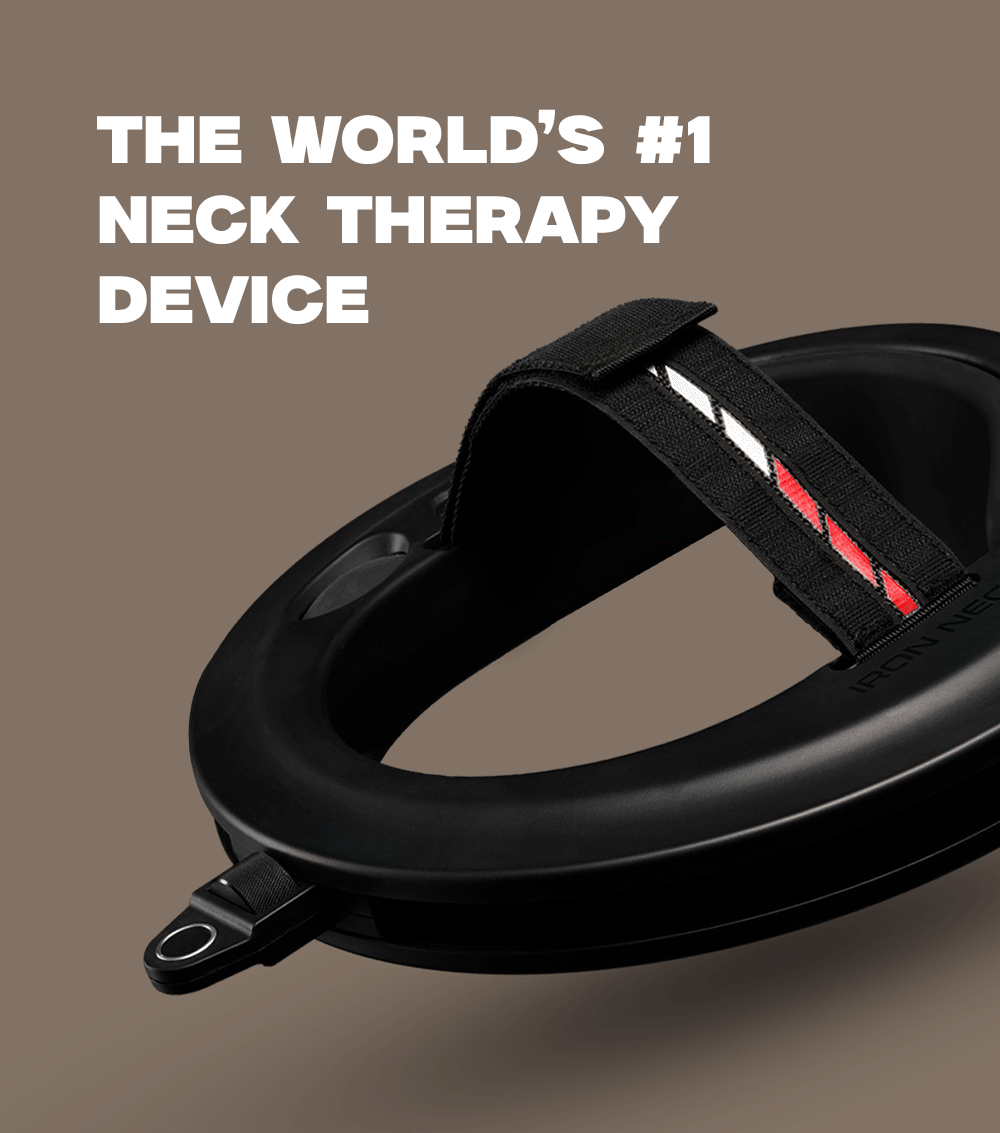
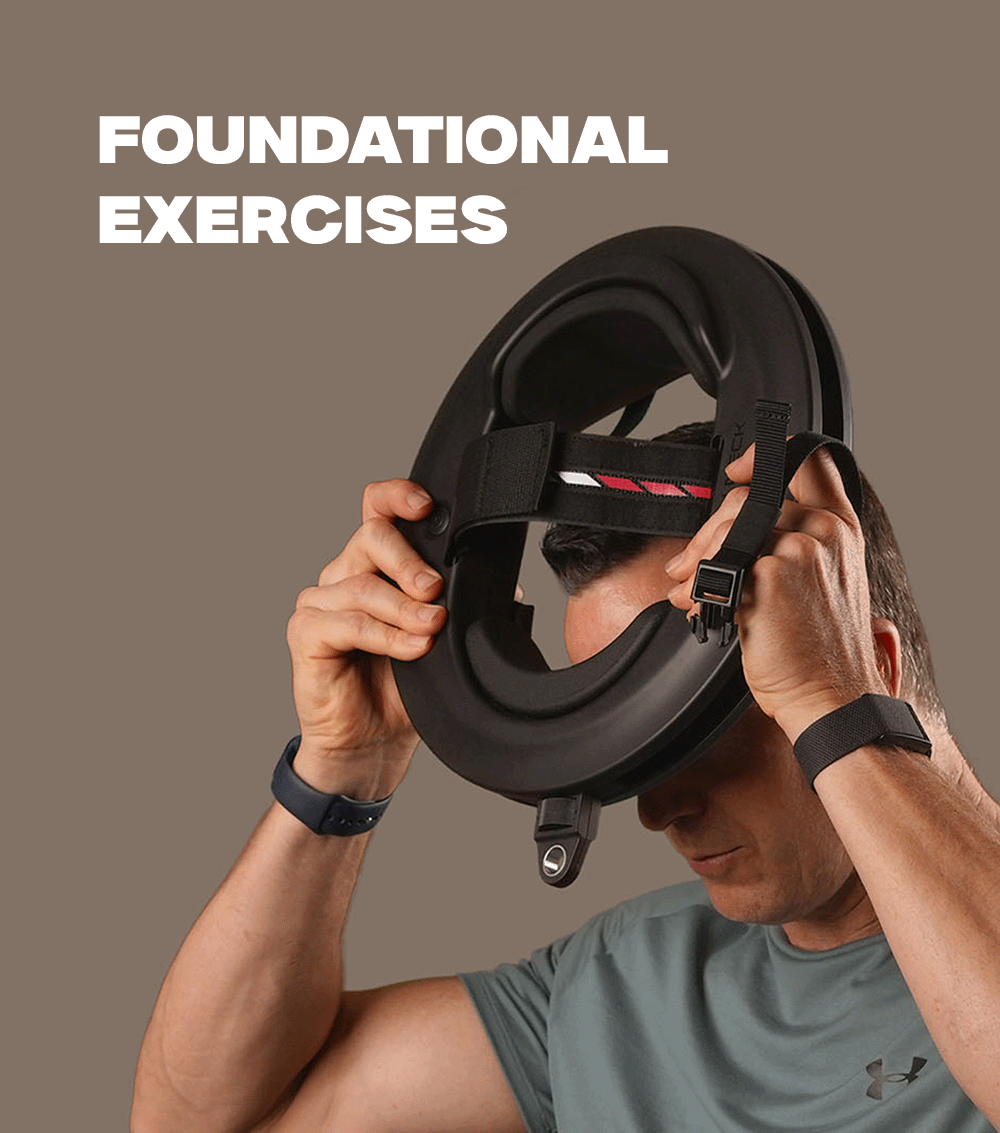
Progressive Cervical Strengthening: For comprehensive cervical and upper back strengthening, the Iron Neck device provides adjustable, 360-degree resistance for cervical rotation and extension training. Building significant cervical strength is the most effective long-term strategy for preventing recurrence of combined neck and shoulder pain.


Leave a comment
This site is protected by hCaptcha and the hCaptcha Privacy Policy and Terms of Service apply.