




How to Relieve Neck Pain: 10 Strategies That Actually Work
Neck pain affects nearly half of all adults at some point in their lives, and the search for effective relief drives billions of dollars in healthcare spending annually. Yet many of the most commonly used treatments, from expensive imaging to passive modalities to prolonged rest, have weak evidence behind them. The strategies that actually work are often simpler and more accessible than people expect. This guide covers 10 evidence-based strategies for neck pain relief, ranked by the strength of the evidence supporting them.
1. Targeted Exercise
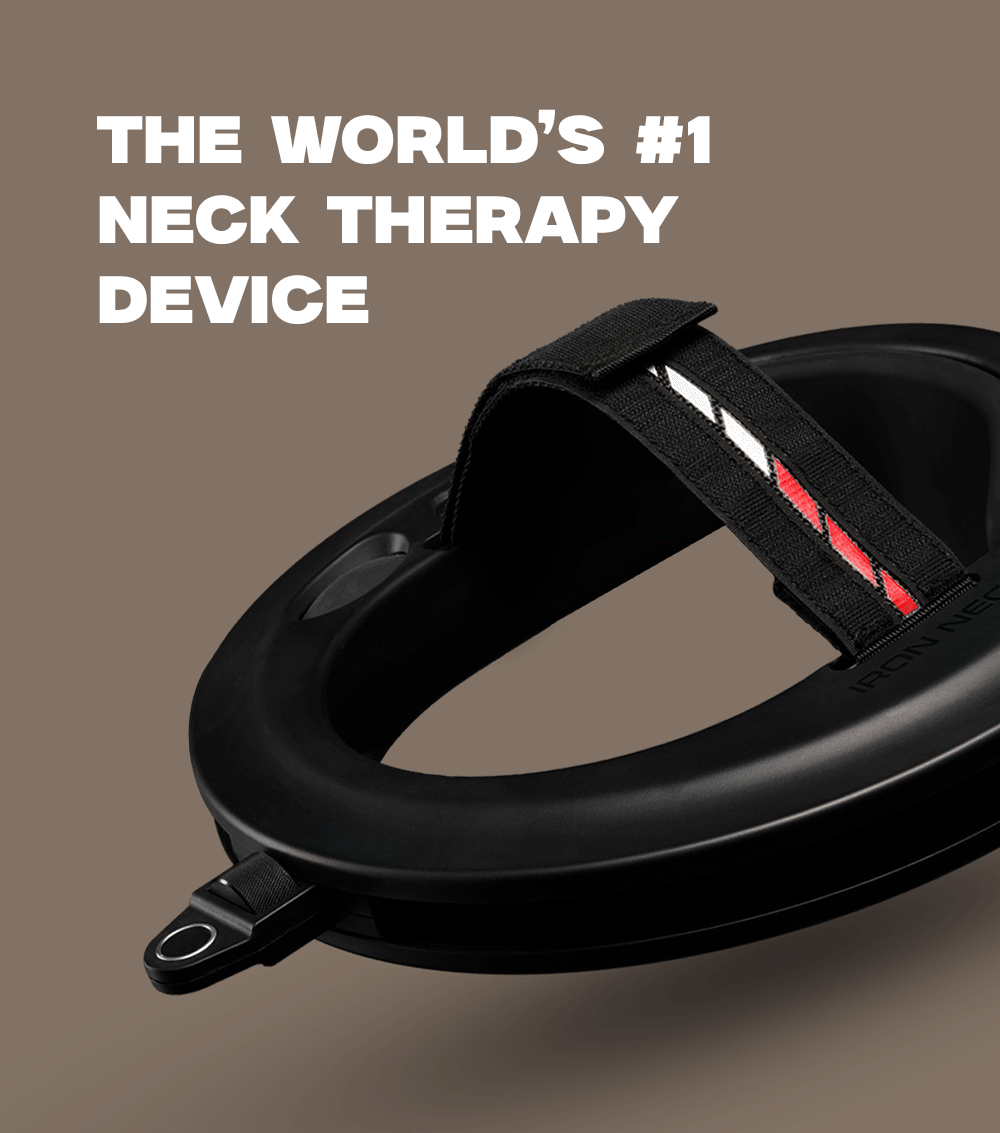
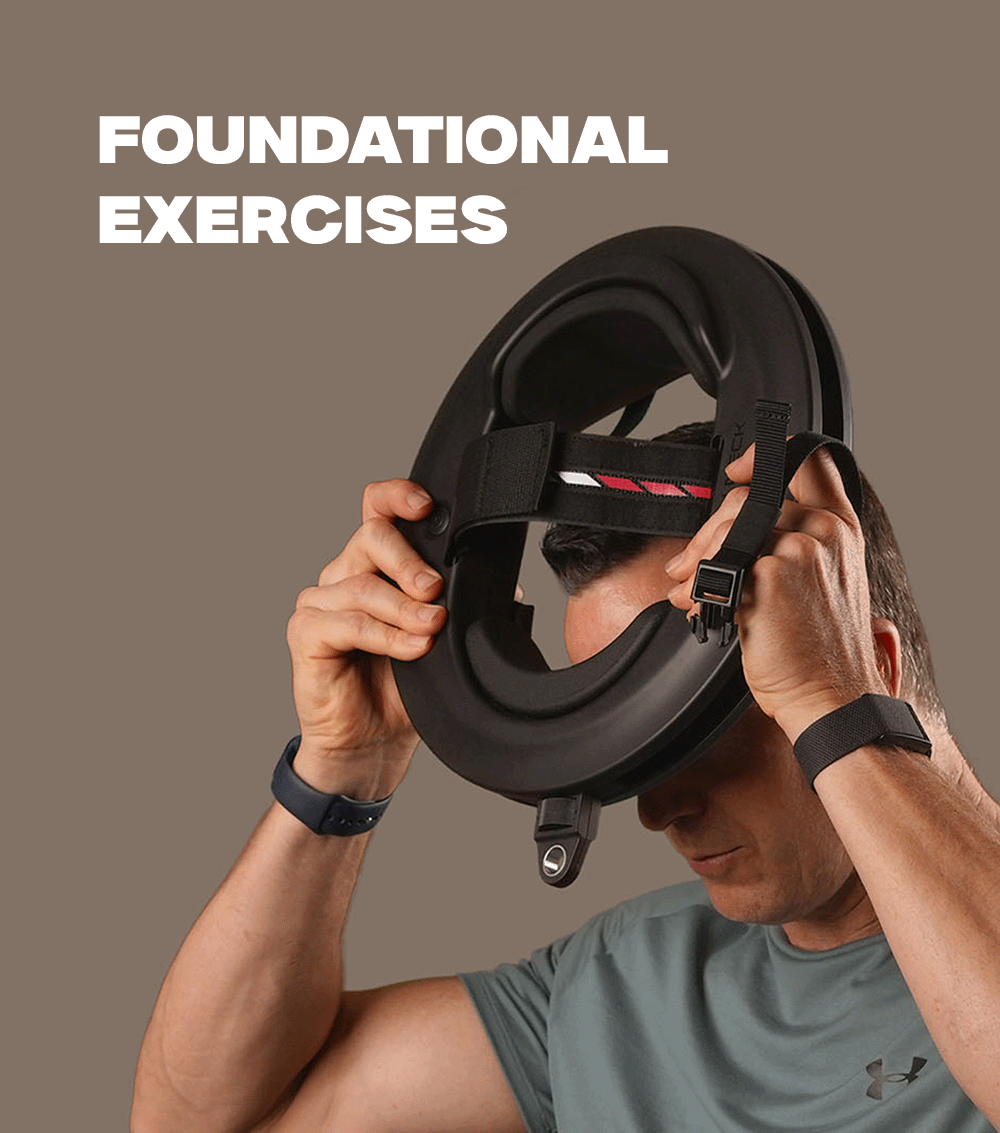
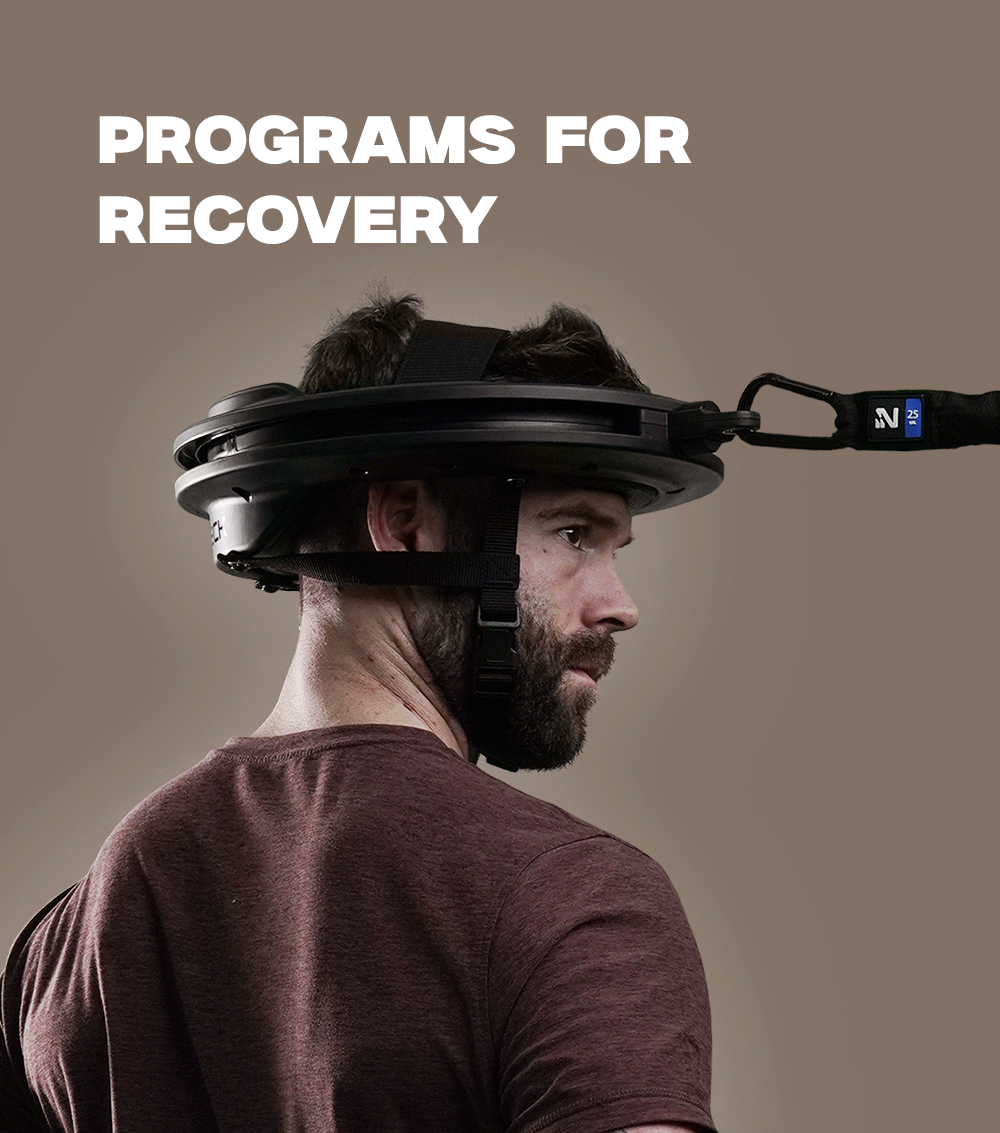
Exercise is the most effective long-term treatment for most types of neck pain, producing greater and more durable improvements than passive treatments alone. The most important exercises are chin tucks (for deep cervical flexor strengthening), band face pulls (for lower trapezius and posterior rotator cuff strengthening), and progressive cervical strengthening. Perform chin tucks (3 sets of 15 repetitions) multiple times throughout the day. Perform face pulls and upper back exercises three times per week. For comprehensive cervical strengthening, the Iron Neck device provides adjustable, 360-degree resistance for systematic cervical muscle development.
2. Manual Therapy
Manual therapy, including joint mobilization and manipulation, is one of the most effective treatments for acute and subacute neck pain. A single session of cervical joint mobilization by a skilled physical therapist or chiropractor can produce immediate and significant improvements in pain and range of motion. The combination of manual therapy and exercise produces better outcomes than either alone.
3. Heat Therapy
Heat applied to the neck increases blood flow, reduces muscle guarding, and promotes relaxation of the pain-spasm cycle. Apply a heat pack or warm towel for 15 to 20 minutes, three to four times daily. Heat is most effective for muscle-related neck pain and stiffness. It is less appropriate for neck pain that followed an acute injury in the first 24 to 48 hours, when ice may be more beneficial.
4. Ergonomic Modifications
For people whose neck pain is related to prolonged computer use or smartphone use, ergonomic modifications are essential. Raise your monitor to eye level. Hold your phone at face height. Use a supportive pillow that maintains the natural cervical curve during sleep. Take a movement break every 30 to 45 minutes. These modifications significantly reduce the mechanical load on the cervical spine during the hours when you are not exercising.
5. Stretching
Regular stretching of the upper trapezius, levator scapulae, and suboccipital muscles reduces the chronic muscle tension that is a primary driver of neck pain. Perform each stretch for 30 seconds, twice per side, twice daily. The most effective stretches are the lateral flexion stretch (for the upper trapezius), the diagonal flexion stretch (for the levator scapulae), and the chin tuck stretch (for the suboccipitals).
6. Sleep Position Optimization
The position in which you sleep significantly affects neck pain. Back sleepers should use a medium-loft pillow that supports the natural cervical curve without pushing the head forward. Side sleepers should use a higher-loft pillow that fills the space between the shoulder and the head. Stomach sleeping should be avoided, as it places the cervical spine in a position of rotation and extension that is inherently stressful.
7. Stress Management
Psychological stress is a significant driver of neck pain through its effects on muscle tension, pain sensitivity, and pain behavior. Techniques such as progressive muscle relaxation, mindfulness meditation, and regular aerobic exercise reduce the stress-related muscle tension that contributes to neck pain. For people with chronic neck pain, addressing the psychological component is as important as addressing the physical component.
8. Aerobic Exercise
Regular aerobic exercise reduces systemic inflammation, improves pain tolerance through the release of endogenous opioids, and reduces the psychological stress that contributes to neck pain. Walking, swimming, and cycling are all appropriate for most people with neck pain. Aim for at least 150 minutes of moderate-intensity aerobic exercise per week.
9. Short-Term NSAIDs
Non-steroidal anti-inflammatory drugs (NSAIDs) such as ibuprofen or naproxen provide effective short-term pain relief and make it easier to perform the exercise and movement that produce lasting improvement. Use for the shortest possible duration (typically no more than one to two weeks) and according to the package instructions. Consult your physician if you have any contraindications to NSAID use.
10. Pain Education
Understanding the nature of neck pain, particularly the fact that pain does not always indicate tissue damage and that movement is safe and beneficial, reduces fear-avoidance behavior and catastrophizing that are among the strongest predictors of chronic pain development. Pain education, delivered by a skilled physical therapist or pain psychologist, is one of the most effective interventions for chronic neck pain and is increasingly recognized as an essential component of comprehensive neck pain management.
The Iron Neck resistance bands provide an accessible starting point for the upper back and shoulder strengthening that is the foundation of long-term neck pain relief. For comprehensive cervical strengthening, the Iron Neck device provides the progressive resistance training needed to build lasting cervical resilience.


Leave a comment
This site is protected by hCaptcha and the hCaptcha Privacy Policy and Terms of Service apply.