



How to Cure Neck Pain Fast: Evidence-Based Strategies
Neck pain is one of the most common reasons people miss work and seek medical care, and the desire for fast relief is entirely understandable. The good news is that most neck pain, particularly the mechanical variety caused by muscle tension, poor posture, and minor soft tissue strain, responds quickly to the right interventions. The bad news is that many of the most commonly used approaches, including complete rest, prolonged immobilization, and passive treatments alone, actually slow recovery. This guide covers the evidence-based strategies that produce the fastest relief for most types of neck pain.
The First 24 to 48 Hours
Heat for Muscle Pain: For neck pain caused by muscle tension or spasm, heat is the most effective immediate intervention. Apply a heat pack or warm towel to the affected area for 15 to 20 minutes, three to four times during the first day. Heat increases blood flow to the affected muscles, reduces muscle guarding, and promotes relaxation of the pain-spasm cycle. For neck pain that followed a specific acute injury, ice may be more appropriate in the first 24 hours to reduce acute inflammation.
Gentle Movement: The instinct to avoid movement when the neck is painful is counterproductive. Gentle, controlled movement within your pain tolerance maintains joint mobility, promotes circulation, and reduces the muscle guarding that perpetuates pain. Begin with gentle range of motion exercises as soon as they can be performed without significant pain. Perform 10 slow repetitions of rotation, lateral flexion, flexion, and extension, twice in the first day.
Over-the-Counter Pain Relief: NSAIDs such as ibuprofen or naproxen reduce pain and inflammation and make it easier to perform the movement that accelerates recovery. Use according to the package instructions. Muscle relaxants, available by prescription, can be helpful for severe muscle spasm but should be used for the shortest possible duration.
The Most Effective Exercises for Fast Relief
Chin Tucks: Sit or stand with your back straight. Slide your head straight back as if making a double chin. Hold for 3 seconds and release. Perform 3 sets of 15 repetitions. Chin tucks are the single most effective exercise for most types of neck pain, activating the deep cervical flexors and gently mobilizing the upper cervical spine. Many people experience significant relief within the first session. Perform them every two to three hours throughout the day for the fastest results.
Suboccipital Release: Lie on your back with a small rolled towel at the base of your skull. Allow the weight of your head to compress the suboccipital muscles against the towel for 2 to 3 minutes. This technique provides rapid relief for upper neck pain and headache by reducing the hypertonicity of the suboccipital muscles.
Thoracic Extension: Place a foam roller at mid-back level, perpendicular to your spine. Support your head with your hands and extend backward over the roller. Hold each position for 5 to 10 seconds, then shift the roller one inch up your spine. Work from the mid-back to the base of the neck. Thoracic extension provides immediate relief for many people with neck pain by reducing the thoracic stiffness that forces the cervical spine to compensate.
Manual Therapy for Fast Relief
Manual therapy, including joint mobilization and soft tissue techniques, is one of the most effective treatments for acute neck pain and produces faster relief than exercise alone in many cases. A single session of cervical joint mobilization by a skilled physical therapist or chiropractor can produce immediate and significant improvements in pain and range of motion. If your neck pain is severe or not responding to self-care within two to three days, a manual therapy session is worth considering.
What Slows Recovery
Several common behaviors slow neck pain recovery and should be avoided. Complete rest and avoidance of movement leads to muscle atrophy, joint stiffness, and the development of chronic pain behaviors. Prolonged use of a cervical collar (beyond the first day or two for severe acute pain) produces the same problems. Excessive reliance on passive treatments such as massage and heat without incorporating active exercise. And catastrophizing, the tendency to interpret pain as a sign of serious damage, which increases anxiety and muscle guarding and is one of the strongest predictors of chronic pain development.
Building Long-Term Resilience
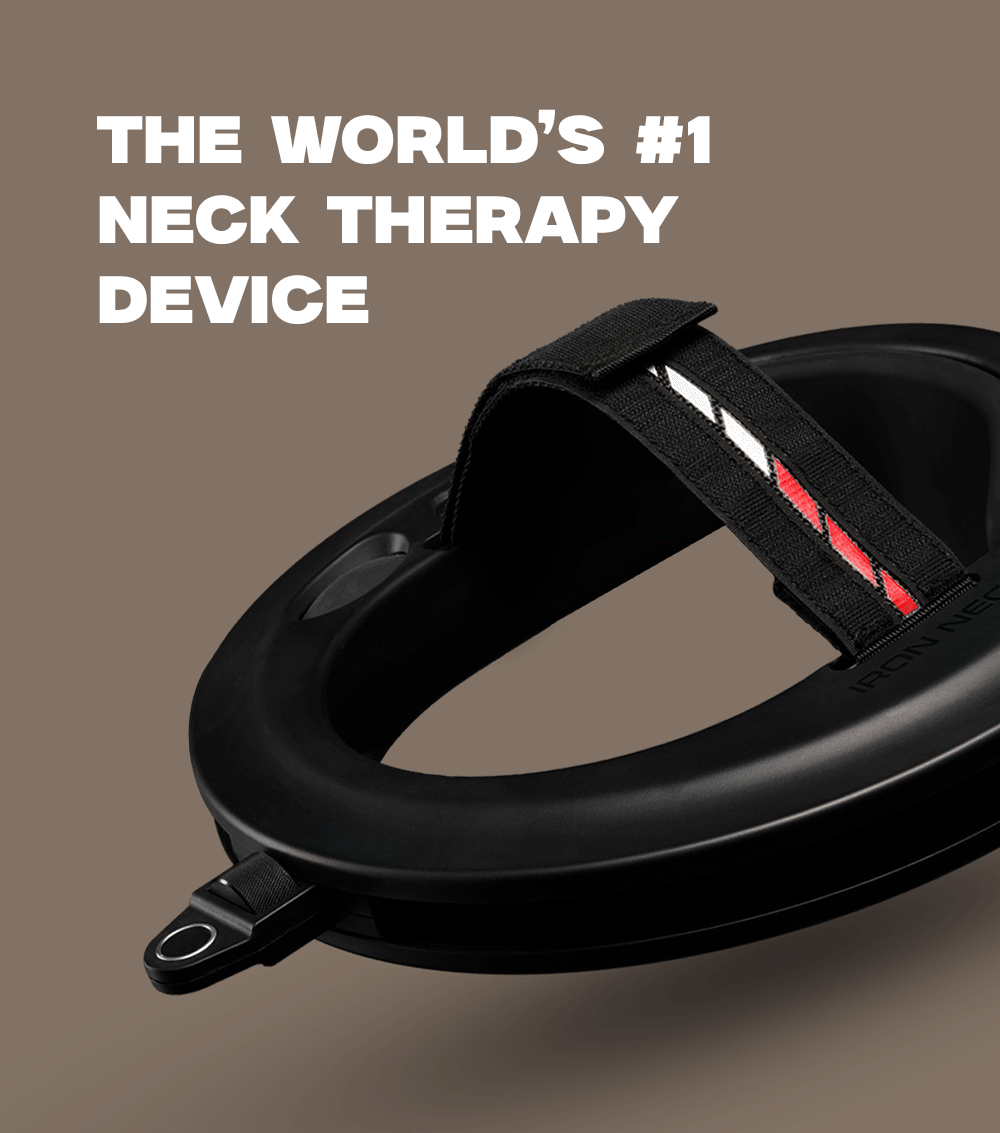
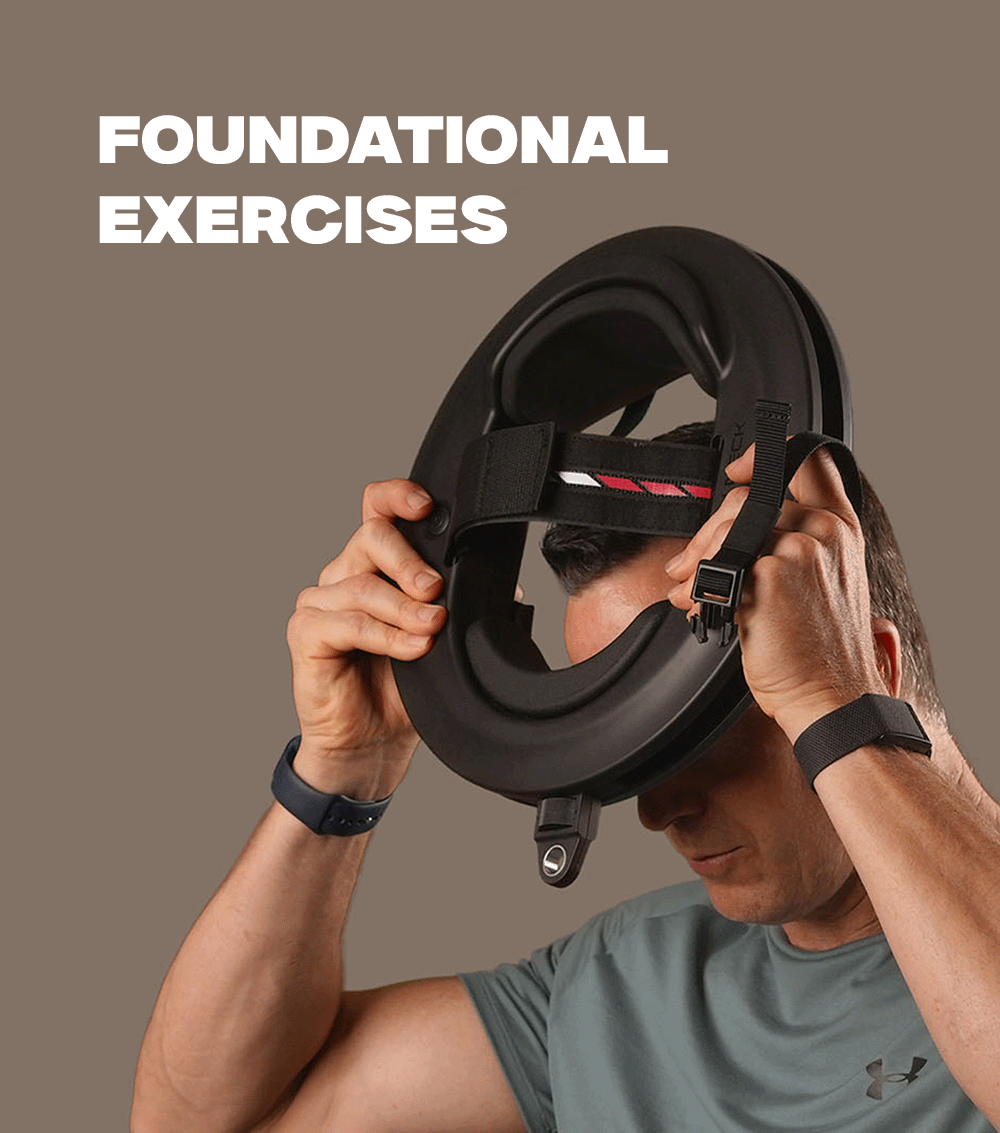
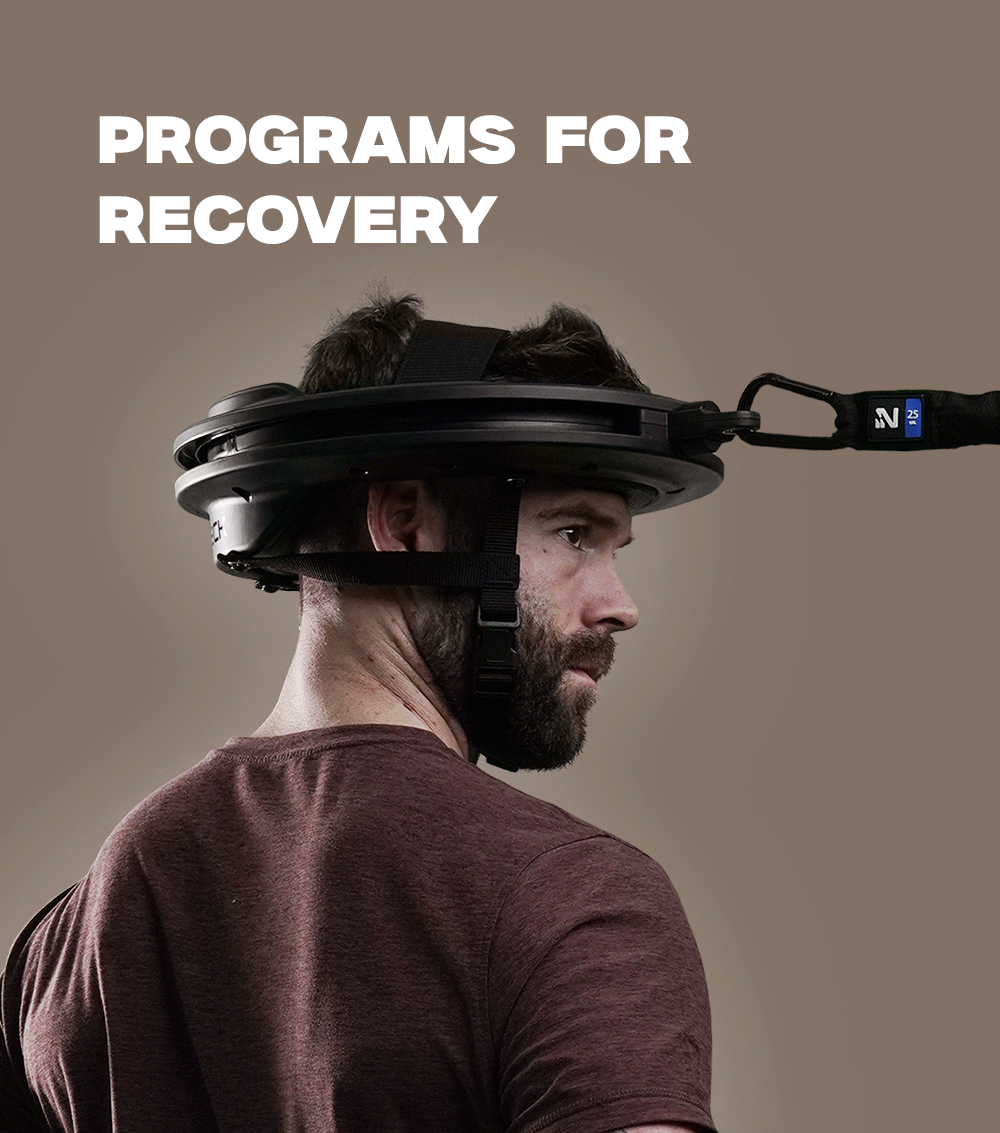
Once the acute pain has resolved, building long-term cervical strength and endurance is the most effective strategy for preventing recurrence. The Iron Neck resistance bands provide an accessible starting point for upper back and shoulder strengthening. For comprehensive cervical strengthening, the Iron Neck device provides adjustable, 360-degree resistance for cervical rotation and extension training, allowing you to build the strength needed to prevent future episodes.


Leave a comment
This site is protected by hCaptcha and the hCaptcha Privacy Policy and Terms of Service apply.