

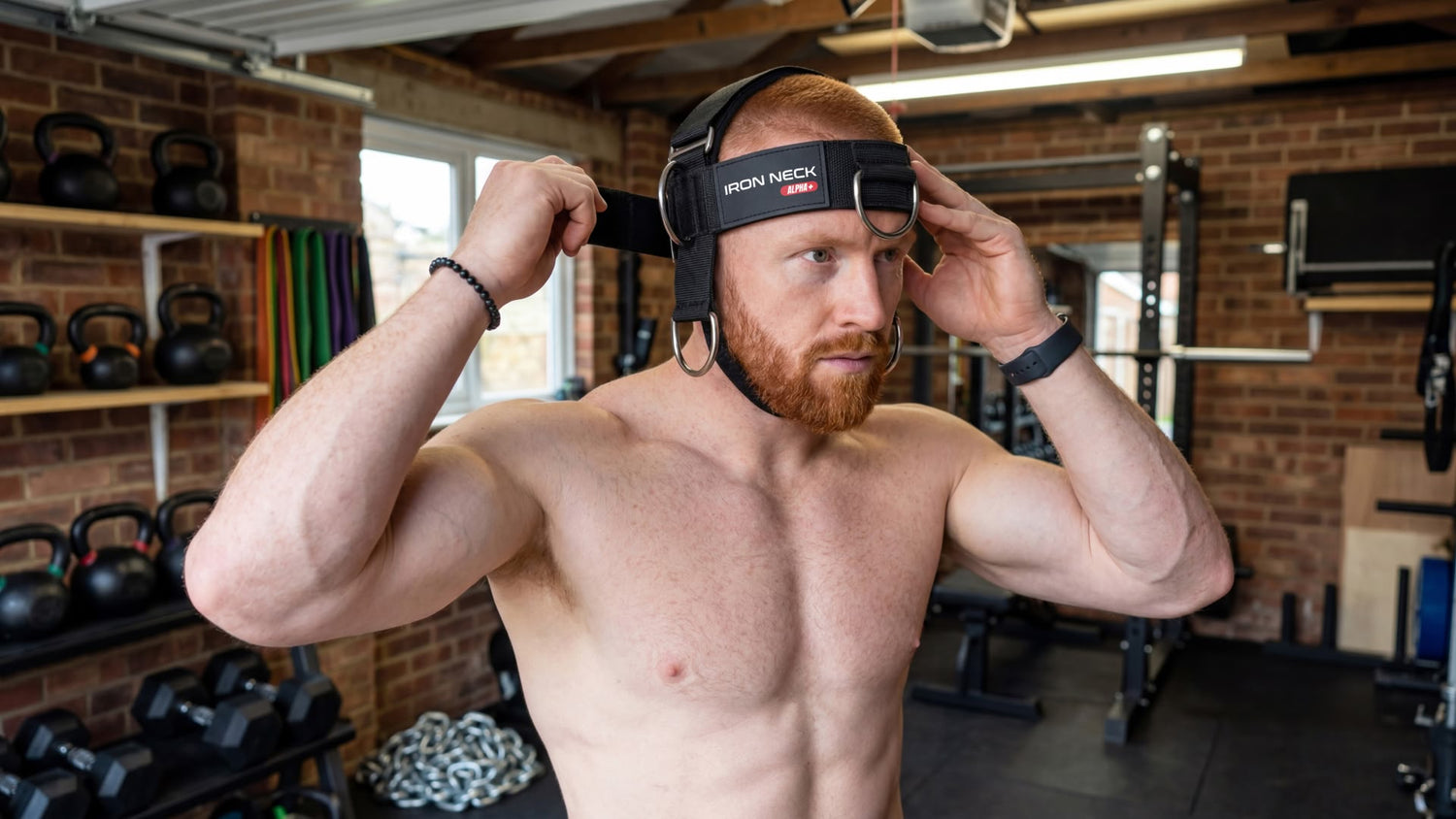
Head Harness for Neck Training: How to Use One Correctly
A head harness is one of the simplest and most effective tools for building neck strength. It allows you to add external resistance to neck flexion and extension movements. The same progressive overload principle that builds strength in every other muscle group, applied to the neck. Yet most people who own a head harness either use it incorrectly, use it for only one or two movements, or abandon it after a few sessions because they're not seeing results.
This guide covers everything you need to know about using a head harness correctly: how to choose the right one, how to set it up, the exercises it enables, and how to build a progressive training program around it.
Choosing the Right Head Harness
Not all head harnesses are created equal. The differences between a quality harness and a cheap one are significant and directly affect both your results and your comfort.
Fit and adjustability: A good harness should fit securely without creating pressure points. Look for harnesses with multiple adjustment points, typically a chin strap and a top strap, that allow you to customize the fit to your head size. A harness that moves during exercise is both ineffective and potentially dangerous.
Weight distribution: The harness should distribute the weight of the plates across the head evenly, not concentrate it at a single point. Harnesses with wider straps and better padding distribute load more effectively and are significantly more comfortable under heavy loading.
Durability: Neck training involves progressive loading over time, which means the harness will eventually be supporting significant weight. Cheap harnesses with thin straps and weak hardware will fail under heavy loading. Look for harnesses with quality stitching, strong chain attachments, and durable materials.
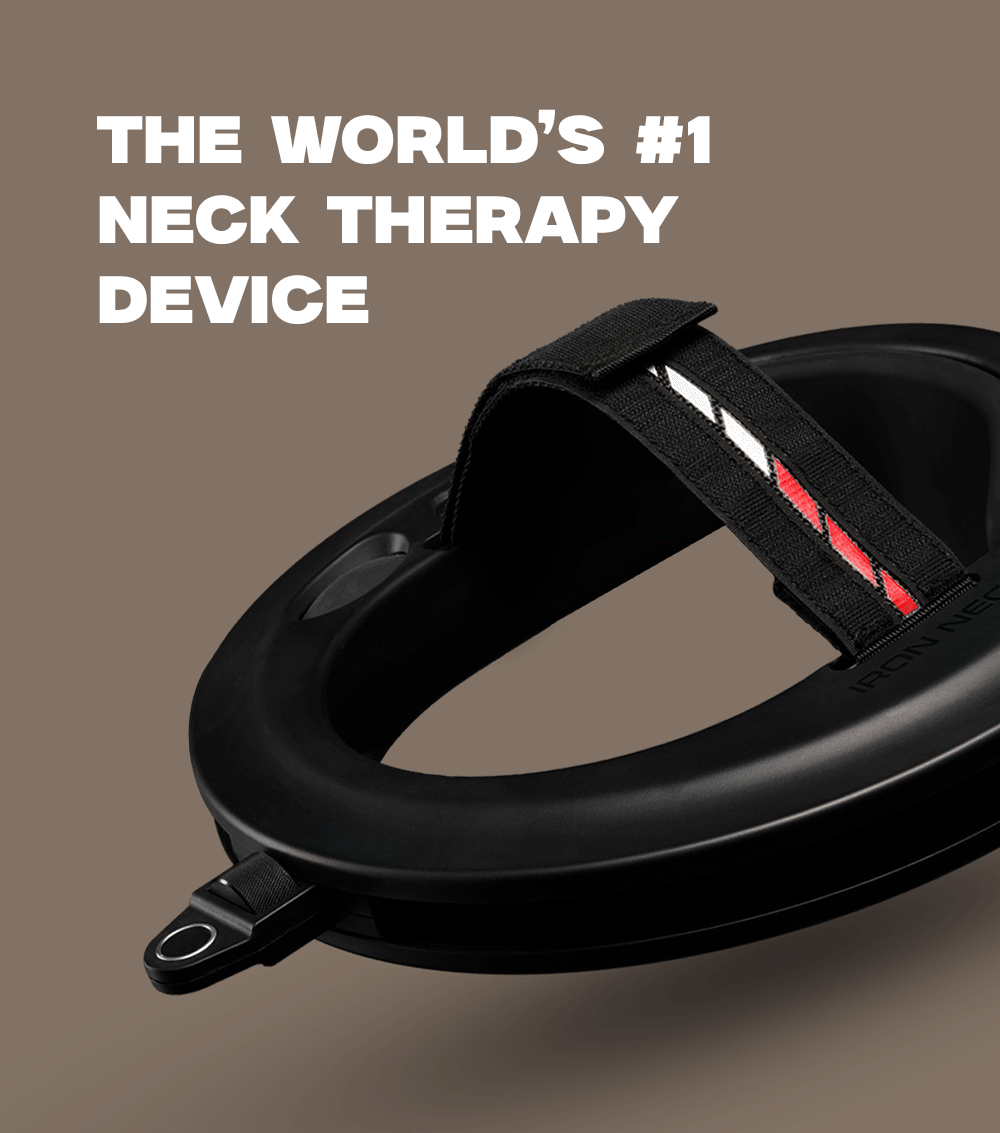
The Iron Neck Alpha Harness is the recommended option in this category. It addresses all three criteria, secure fit, even weight distribution, and durable construction, and is designed specifically for the demands of progressive neck training.
Setting Up the Head Harness
Proper setup is essential for both effectiveness and safety. Follow these steps for every session.
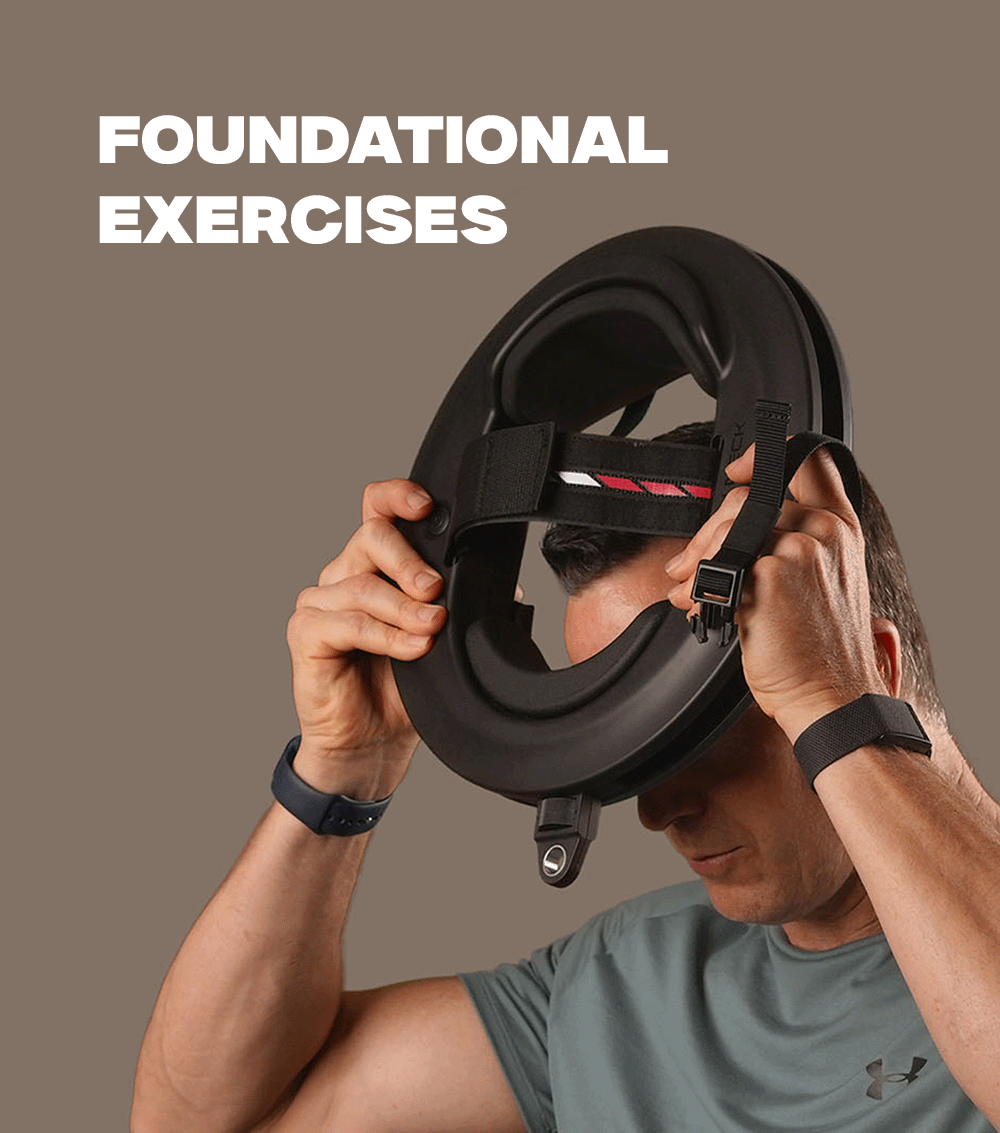
Place the harness on your head with the chain hanging in front of your face for flexion training, or behind your head for extension training. Adjust the chin strap so the harness sits securely without moving when you shake your head. The top strap should be tight enough to prevent the harness from sliding but not so tight that it creates discomfort. Attach the weight plate to the chain using a carabiner or the provided attachment mechanism. Start with a weight that feels manageable. You can always add more.
Head Harness Exercises: The Complete Guide
Weighted Neck Flexion
Weighted neck flexion is the primary exercise for building the anterior neck muscles. Sit on the edge of a bench or stand with a slight forward lean. With the chain hanging in front and the weight plate attached, allow your head to lower forward (chin toward chest) as the starting position. Raise your head to a neutral position (ears over shoulders) using a controlled, deliberate movement. Lower back to the starting position using a 3-second eccentric phase.
The eccentric phase is where most of the hypertrophic stimulus occurs. Do not let the weight drop, control the lowering phase on every repetition. Perform 4 sets of 12–15 repetitions. Start with a weight that allows clean reps with full range of motion and add resistance progressively.
Weighted Neck Extension
Weighted extension targets the posterior neck muscles. The setup is identical to flexion, but the chain hangs behind your head. Begin with your head in a neutral position and lower it forward (chin toward chest) as the eccentric phase, then extend back to neutral as the concentric phase. The weight provides resistance during the extension movement.
Use the same controlled tempo and progressive loading approach as flexion work. Perform 4 sets of 12–15 repetitions.
Neck Carries
Neck carries build postural endurance. The ability to maintain head position under load for extended periods. With the harness and weight attached, walk for time while maintaining a neutral spine and upright posture. Start with 30 seconds and build to 2 minutes. This exercise is particularly valuable for athletes whose sports demand sustained neck stability.
Progressive Overload with a Head Harness
The head harness's primary advantage over bodyweight exercises is the ability to apply progressive overload, consistently increasing the resistance over time. Track your weights and reps for every session. Aim to add one repetition per set each week, or increase the weight by the smallest available increment (typically 2.5 pounds) every two to three weeks.
This systematic approach to progressive overload is what separates athletes who build genuinely strong necks from those who train for months without measurable progress. The neck responds to progressive overload exactly like any other muscle group, without it, adaptation stops.
Limitations of the Head Harness and When to Upgrade
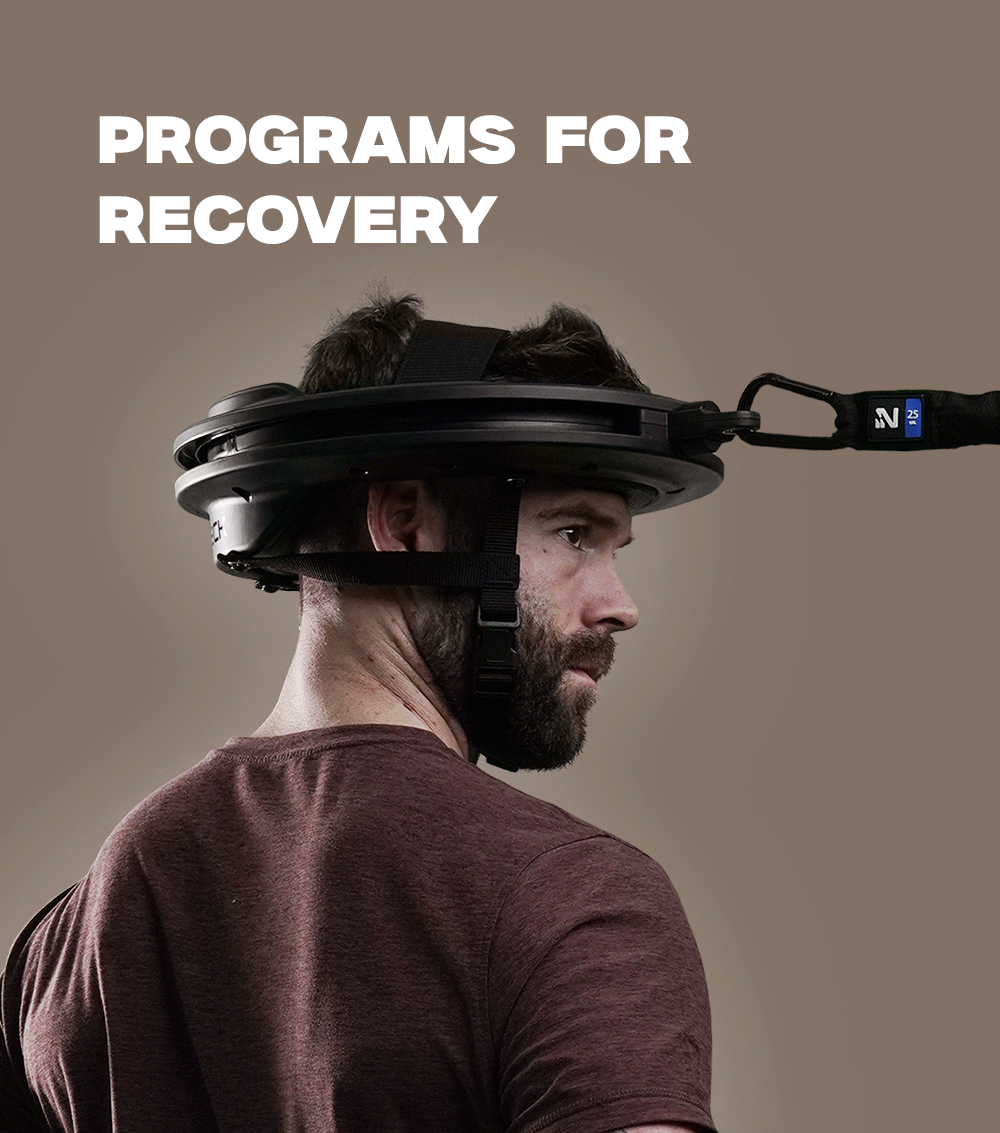
The head harness is an excellent tool for flexion and extension training, but it has a fundamental limitation: it cannot effectively train lateral flexion or rotation. These planes of movement require either resistance bands or a dedicated neck training device like the Iron Neck 3.0 Pro.
For athletes whose sports involve forces from multiple directions, football, wrestling, BJJ, boxing. The head harness should be supplemented with lateral and rotational training. The Iron Neck 3.0 Pro provides 360-degree resistance training that covers all planes in a single device, making it the natural progression from harness-based training for serious athletes.
Getting the Most from Your Head Harness
The head harness is a simple, effective, and affordable tool that can produce significant neck strength improvements when used correctly. The key principles are straightforward: use a quality harness that fits well, perform exercises with controlled tempo and full range of motion, apply progressive overload consistently, and supplement with lateral and rotational training for complete neck development. Follow these principles consistently and the results will follow.
Leave a comment
This site is protected by hCaptcha and the hCaptcha Privacy Policy and Terms of Service apply.