



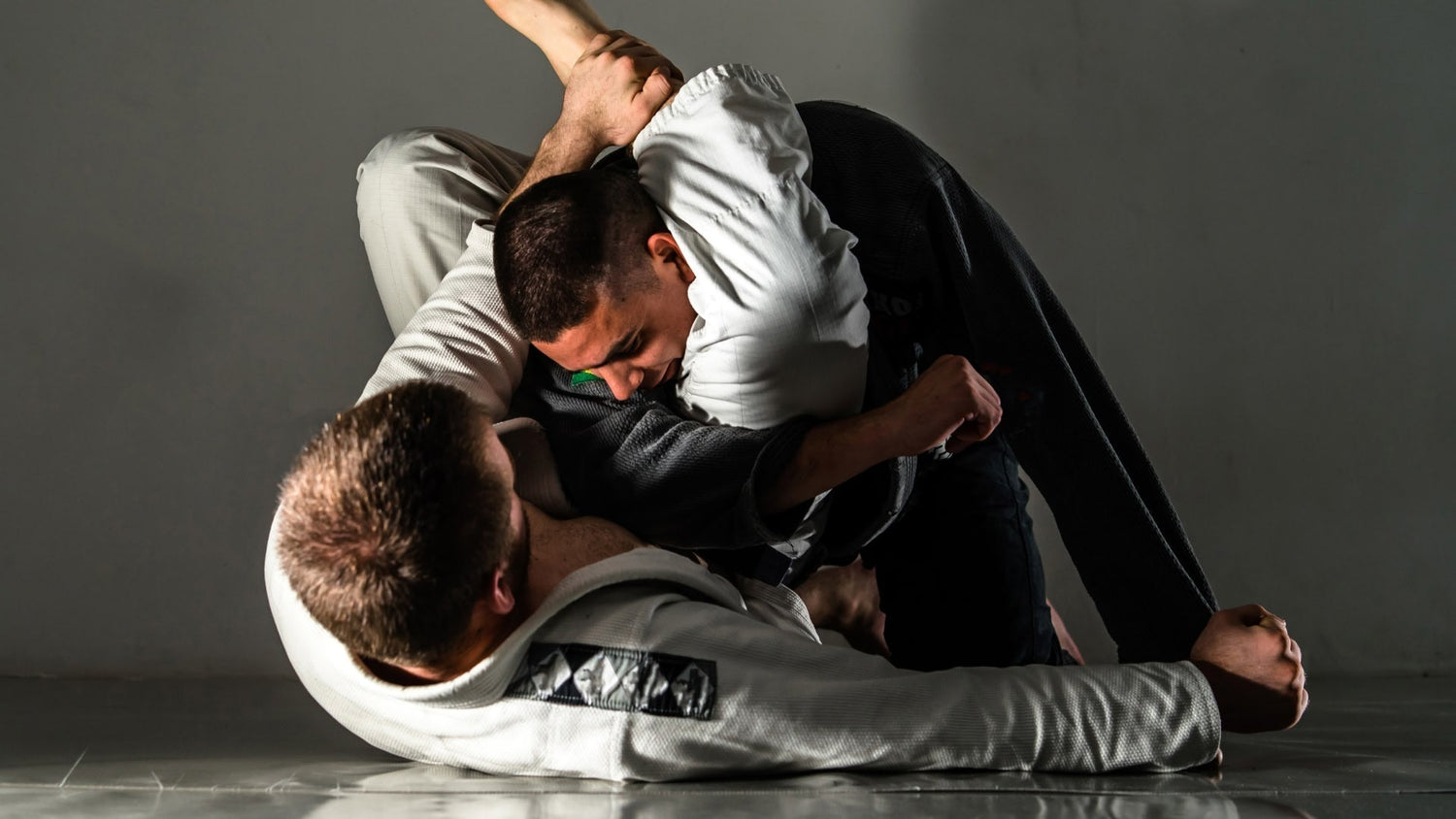
BJJ Neck Training: Protect Your Spine on the Mats
Brazilian Jiu-Jitsu is a sport that demands extraordinary things from the human neck. Every roll involves the neck being loaded, twisted, compressed, and stretched in ways that most people's cervical spines are completely unprepared for. Neck cranks, guillotines, and the constant positional battles of guard play all impose significant forces on the cervical spine. Add to this the cumulative stress of hundreds of hours of training, and it becomes clear why neck injuries are among the most common and most serious problems in BJJ.
The solution is not to avoid these positions, it's to build a neck that can handle them. This guide covers the specific neck training demands of BJJ, the exercises that address them, and how to build a cervical training program that will keep you healthy and performing at your best on the mats.
BJJ-Specific Neck Demands
BJJ imposes several specific demands on the neck that differ from other grappling sports and require targeted training.
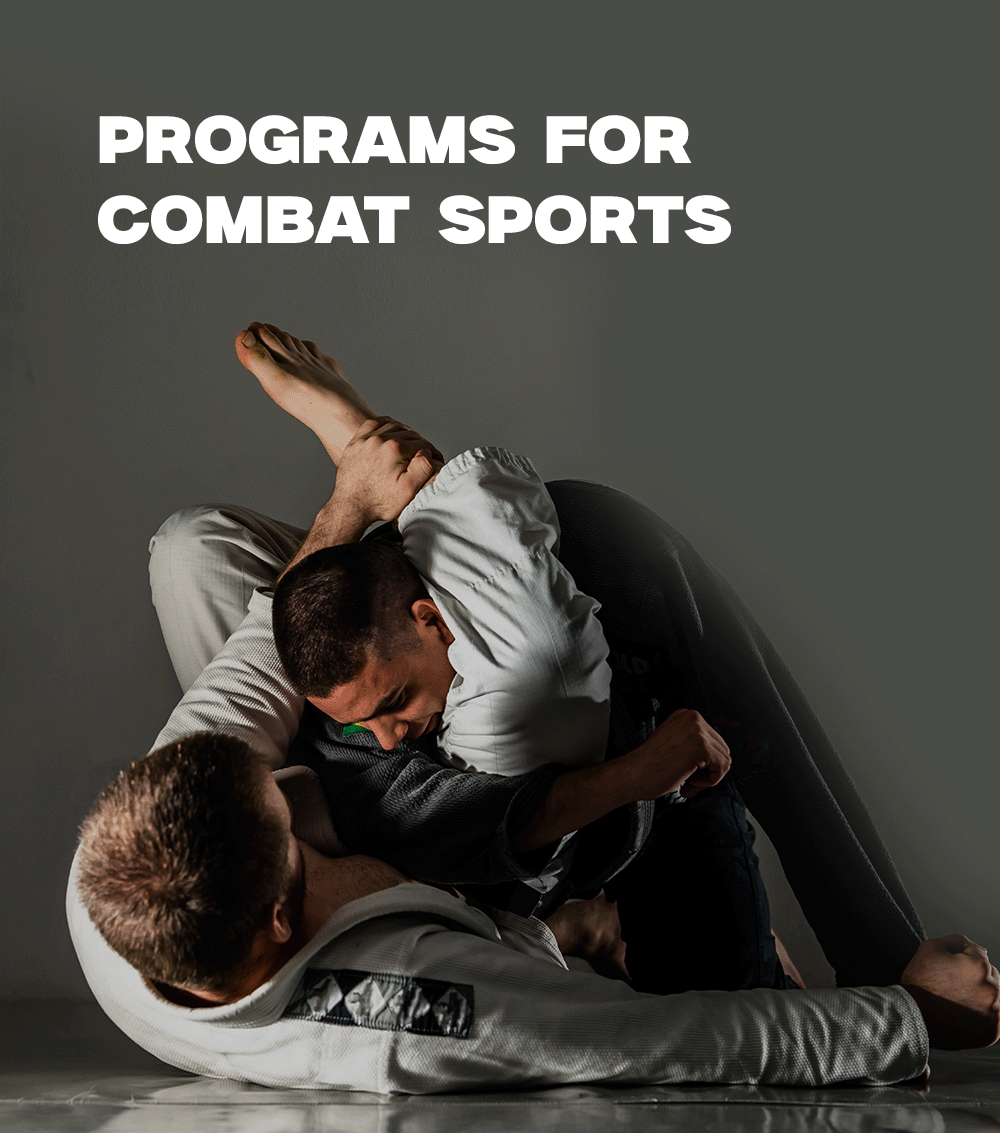
Compression resistance: Guard play, particularly closed guard, involves the opponent's legs wrapped around your torso and their hands controlling your head. This creates compressive forces on the cervical spine that require strong neck muscles to resist safely.
Rotational control: Many BJJ submissions and positional transitions involve rotational forces on the neck. The ability to resist rotation, and to control your head position when rotation is attempted, is a fundamental BJJ skill that depends directly on rotational neck strength.
Extension under load: Passing guard often requires maintaining head position while driving forward against resistance. This demands significant neck extension strength and endurance.
Bridging and shrimping: Escaping from bad positions in BJJ frequently involves bridging movements similar to wrestling. Neck extension strength is essential for effective bridging escapes.
Submission defense: Many neck cranks and cervical compression submissions can be defended or escaped with sufficient neck strength. A strong neck gives you more time to recognize and respond to these attacks.
Essential BJJ Neck Exercises
Neck Bridges
The neck bridge is the most important exercise for BJJ practitioners. It builds the extension strength needed for bridging escapes and the structural resilience needed to resist cervical compression. Begin with static bridges (30-second holds), progress to dynamic bridges (rocking forward and backward), and eventually to curved-surface bridges for increased range of motion. Perform 3 sets of 30–60 second holds.
Chin Tucks and Deep Flexor Training
The deep cervical flexors are the muscles most responsible for protecting the cervical spine during compression. Chin tucks, drawing the chin straight back without tilting the head, directly train these muscles. Perform 3 sets of 15 reps with a 3-second hold at the end position. This exercise is also excellent for counteracting the forward head posture that develops from hours of guard play.
Rotational Resistance Training
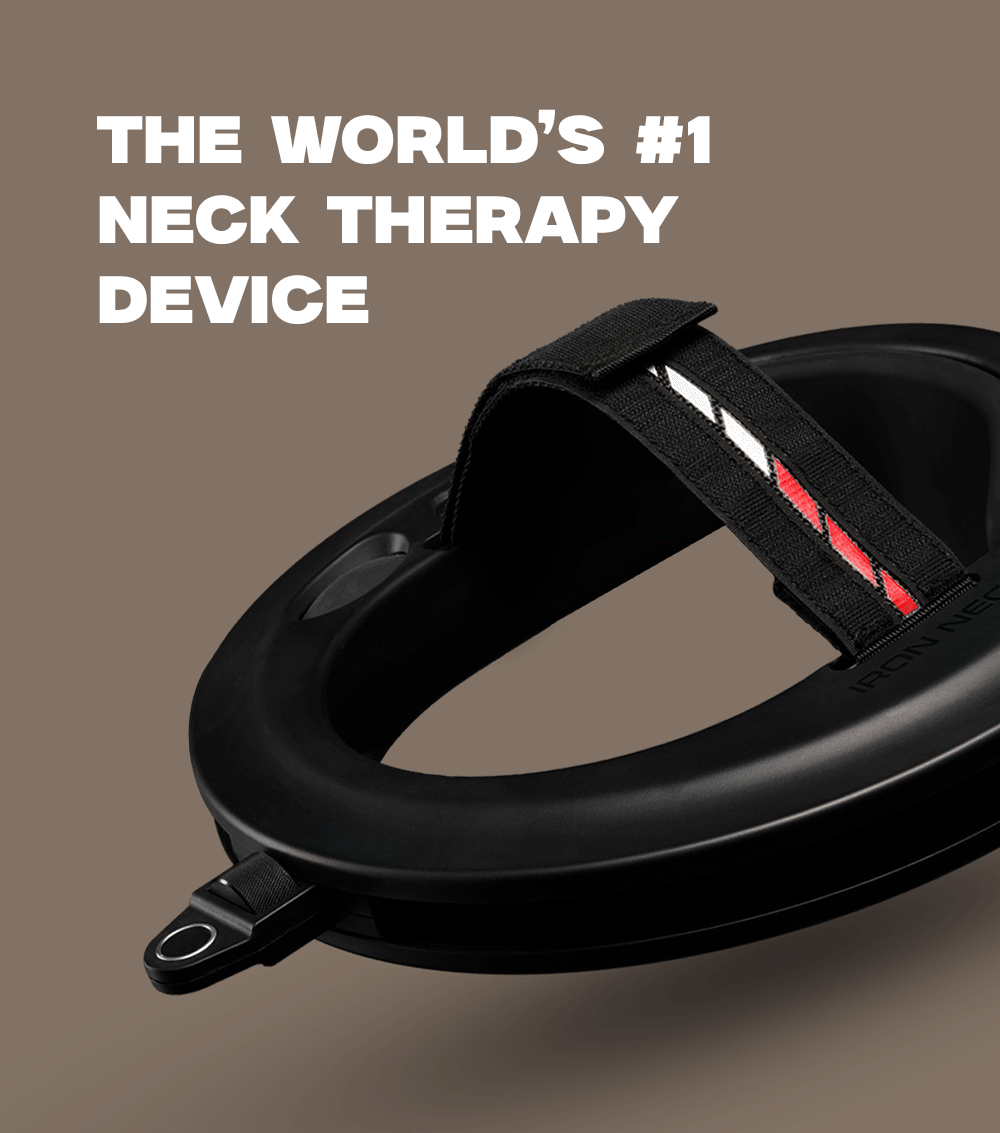
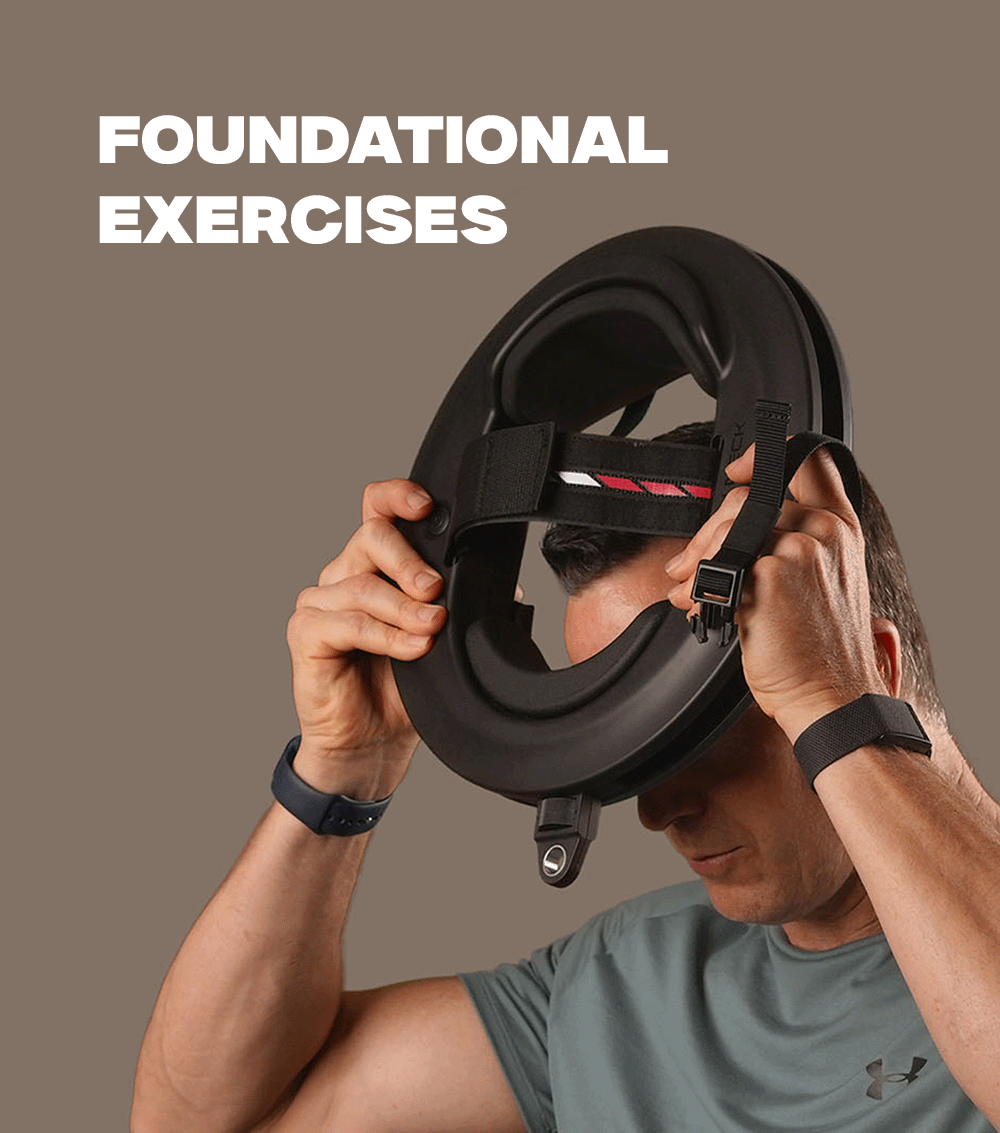
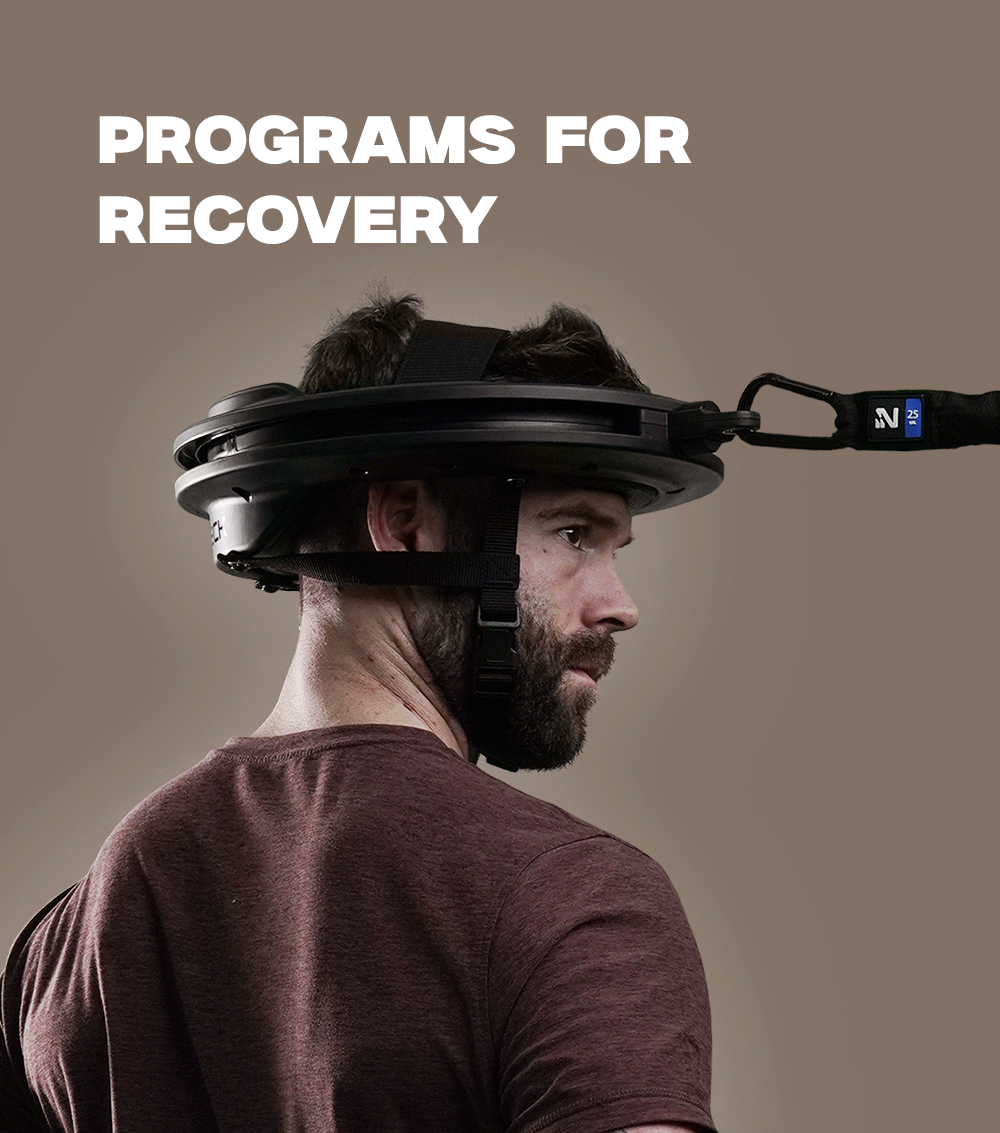
Rotational neck strength is particularly important in BJJ. Use resistance bands anchored at head height to perform controlled rotational movements against resistance. Perform 3 sets of 12 reps in each direction. The Iron Neck 3.0 Pro is the most effective tool for rotational training, its 360-degree resistance system allows smooth, controlled rotation against consistent resistance in a way that bands cannot replicate.
Lateral Neck Raises
Lateral strength is essential for resisting the head-snapping and lateral control attempts that are common in BJJ. Lie on your side with your head hanging off a bench and perform controlled lateral raises. Perform 3 sets of 10–12 reps per side. Add a small weight plate as you progress.
Isometric Holds in BJJ Positions
One of the most effective BJJ-specific neck training methods is performing isometric holds in the actual positions you encounter on the mat. Have a training partner apply pressure to your head in guard, in mount, and in other common positions while you resist. This builds strength in exactly the positions where you need it most.
Programming for BJJ Practitioners
Neck training for BJJ should be performed two to three times per week, ideally on days when you're not rolling hard. The cervical spine needs recovery time, and training your neck immediately before intense rolling can increase injury risk by pre-fatiguing the muscles that protect your spine.
A typical session: warm-up with chin tucks and gentle range-of-motion work (5 minutes), neck bridges (3 sets), rotational resistance training (3 sets each direction), lateral raises (3 sets each side), isometric holds (3 holds each direction). Total time: 20–25 minutes.
Injury Prevention: What Strong Necks Do for BJJ
The most common serious injuries in BJJ involve the cervical spine, herniated discs, nerve impingement, and acute strains from unexpected forces. A well-trained neck reduces the risk of all of these injuries by providing better structural support, absorbing and redirecting forces more effectively, and giving you more time to tap before submissions reach dangerous levels of force.
Beyond injury prevention, neck strength improves your BJJ performance directly. You're harder to control when your neck is strong. You can maintain head position in guard more effectively. Your bridging escapes are more powerful. And you have better proprioception, awareness of your head position, which improves your overall spatial awareness on the mat.
The Iron Neck 3.0 Pro is used by many professional BJJ and MMA athletes specifically because it addresses all the planes of movement that BJJ demands. If you're serious about your BJJ training, it belongs in your strength and conditioning program.
Start Training Your Neck Today
Every hour you spend on the mat without a well-trained neck is an hour of unnecessary risk. The exercises and program in this guide are straightforward to implement and require minimal equipment. Start with the bodyweight foundations, add resistance progressively, and make neck training a consistent part of your BJJ preparation. Your spine will thank you, and your game will improve.


Leave a comment
This site is protected by hCaptcha and the hCaptcha Privacy Policy and Terms of Service apply.