






The Best Pillow for Neck Pain: What Actually Helps You Sleep
Neck pain from sleeping is one of the most common complaints in adults, and the pillow is one of the most frequently blamed culprits. The relationship between pillow choice and neck pain is real but often misunderstood. The right pillow can significantly reduce neck pain by maintaining the natural cervical curve during sleep, reducing the muscle tension that accumulates overnight, and preventing the awkward positions that strain the cervical joints and soft tissues. The wrong pillow, or no pillow at all, can do the opposite. This guide explains what the research says about pillow selection for neck pain and gives you the information needed to make the right choice for your sleep position and body type.
How Your Pillow Affects Your Neck
During sleep, the cervical spine should maintain its natural lordotic curve (the gentle inward curve of the neck) regardless of sleep position. When the pillow is too high, the neck is pushed into flexion (chin toward chest), which increases the posterior disc pressure and stretches the posterior cervical muscles and ligaments. When the pillow is too low, the neck drops into extension or lateral flexion, which increases the anterior disc pressure and compresses the facet joints. Either extreme, sustained for hours during sleep, produces the muscle tension, joint stiffness, and pain that many people experience on waking.
The ideal pillow height (called loft) depends primarily on your sleep position and the width of your shoulders. Back sleepers need a lower loft pillow that supports the natural cervical curve without pushing the head forward. Side sleepers need a higher loft pillow that fills the space between the shoulder and the head, keeping the spine in neutral alignment. Stomach sleepers, who place the cervical spine in a position of rotation and extension that is inherently stressful, are best advised to change their sleep position rather than find a pillow that accommodates it.
Pillow Types and Their Evidence Base
Contour Memory Foam Pillows: Contour memory foam pillows, which have a lower section for back sleeping and a higher section for side sleeping, are among the most studied pillow types for neck pain. Several randomized controlled trials have found that contour pillows produce significantly greater reductions in neck pain and improvement in sleep quality than standard pillows. The memory foam material conforms to the shape of the head and neck, distributing pressure evenly and maintaining the natural cervical curve throughout the night.
Cervical Roll Pillows: Cervical roll pillows, which are cylindrical pillows designed to support the natural cervical curve, are particularly effective for back sleepers. They can be used alone or placed inside a standard pillowcase at the bottom of a regular pillow to provide cervical support while the regular pillow supports the head. Research supports their use for reducing neck pain in back sleepers.
Water-Filled Pillows: Water-filled pillows allow the user to adjust the loft by adding or removing water, making them highly customizable. Research has found that water-filled pillows produce greater reductions in neck pain and disability than regular pillows, likely because the adjustability allows users to find the optimal loft for their specific anatomy and sleep position.
Down and Feather Pillows: Down and feather pillows are soft and conforming but tend to compress significantly during the night, reducing their effective loft and cervical support. They are generally not recommended for people with neck pain, as the lack of consistent support can lead to the cervical spine falling into non-neutral positions during the night.
Buckwheat Pillows: Buckwheat pillows, filled with buckwheat hulls, are firm and highly moldable. They maintain their shape well throughout the night and can be adjusted by adding or removing hulls. Some people find them very effective for neck pain, though the firm texture is not comfortable for everyone.
Choosing the Right Pillow for Your Sleep Position
Back sleepers should choose a medium-loft pillow (approximately 3 to 4 inches) that supports the natural cervical curve without pushing the head forward. A contour pillow with a cervical roll section is often the best choice. The pillow should fill the space between the back of the head and the mattress without tilting the chin toward the chest.
Side sleepers should choose a higher-loft pillow (approximately 4 to 6 inches, depending on shoulder width) that fills the space between the shoulder and the head, keeping the spine in neutral alignment. The pillow should be firm enough to maintain its loft throughout the night. A contour pillow or a firm memory foam pillow is often the best choice.
Stomach sleepers should work on transitioning to back or side sleeping, as stomach sleeping places the cervical spine in a position of rotation and extension that is inherently stressful and cannot be adequately addressed by any pillow choice. Use a body pillow to prevent rolling onto your stomach during the night.
Beyond the Pillow: Addressing the Root Causes
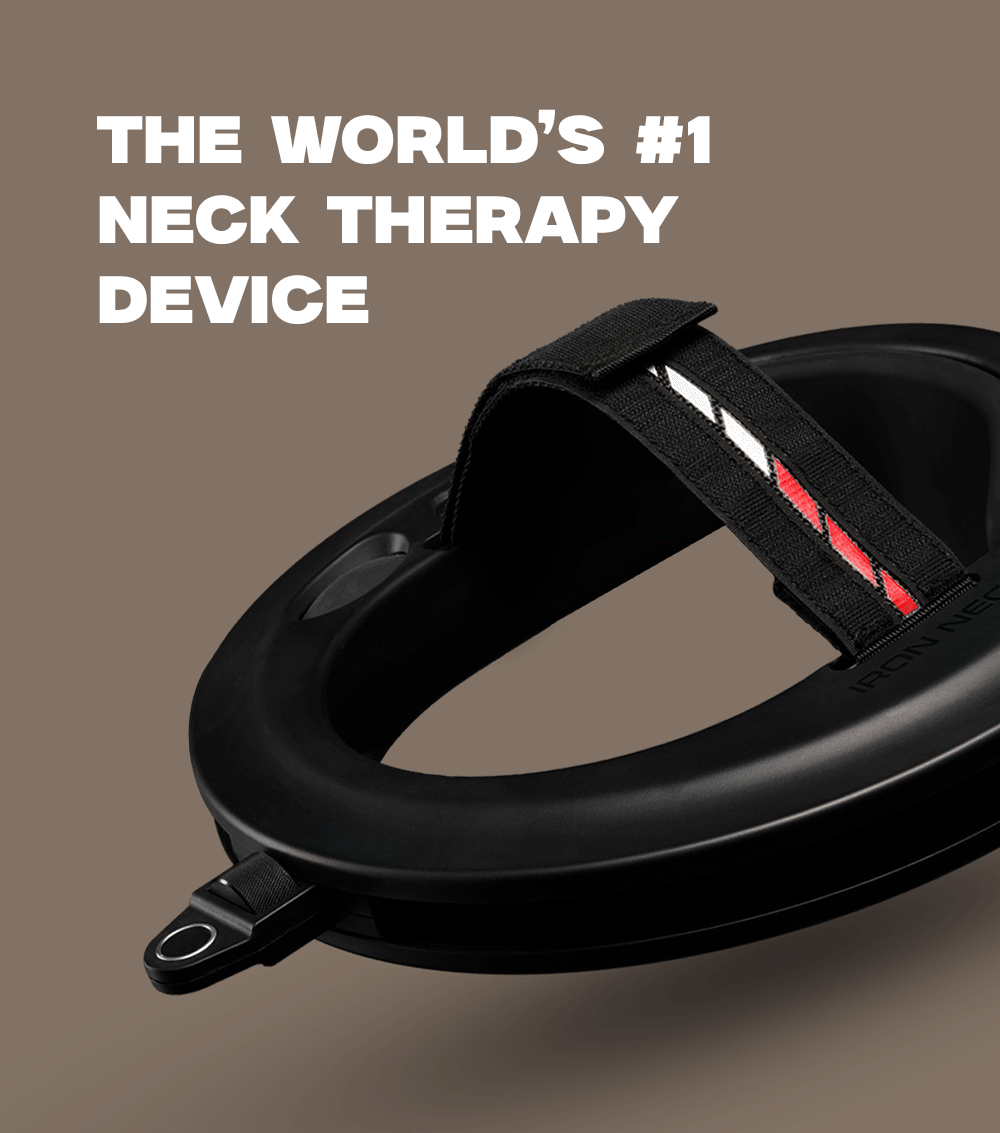
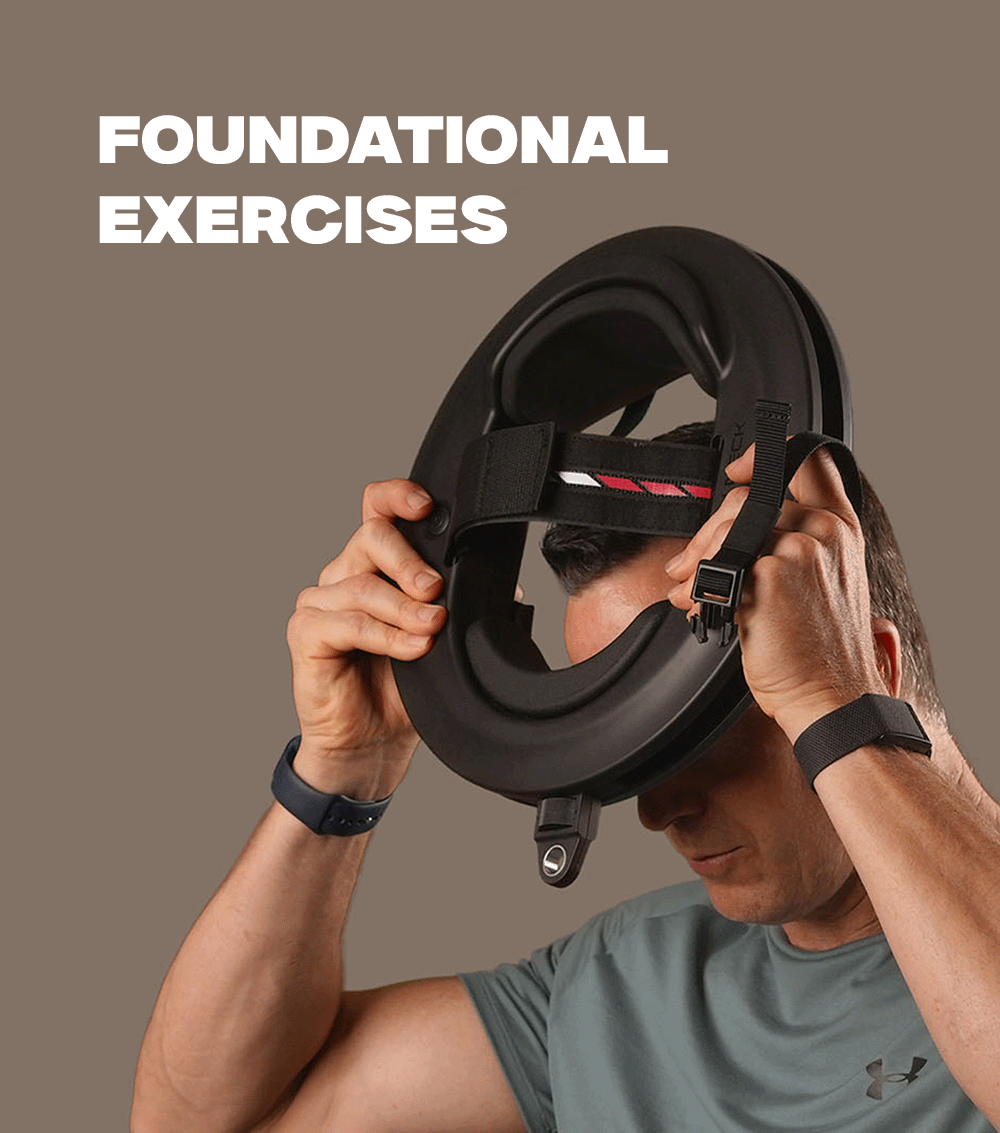
While the right pillow can reduce neck pain from sleeping, it is not a substitute for addressing the underlying causes of cervical pain and stiffness. Strengthening the deep cervical flexors and upper back muscles, improving thoracic mobility, and correcting forward head posture during the day are the most important long-term strategies for reducing neck pain. The Iron Neck resistance bands and the Iron Neck device provide effective tools for building the cervical and upper back strength needed to reduce the mechanical stress on the cervical spine during both sleep and waking hours.


Leave a comment
This site is protected by hCaptcha and the hCaptcha Privacy Policy and Terms of Service apply.