



Neck Pain ICD-10 Codes: A Reference Guide for Patients and Providers
The International Classification of Diseases, 10th Revision (ICD-10) is the standard diagnostic coding system used by healthcare providers, insurance companies, and public health agencies in the United States and many other countries. For patients navigating the healthcare system and for providers documenting cervical spine conditions, understanding the relevant ICD-10 codes for neck pain and related conditions is practically useful. This guide provides a comprehensive reference for the most commonly used ICD-10 codes for neck pain, cervical spine conditions, and related diagnoses.
Primary Neck Pain Codes
The primary ICD-10 code for neck pain is M54.2 (Cervicalgia), which is used for neck pain that is not further specified. This is the most commonly used code for general neck pain and is appropriate when the specific cause of the pain has not been determined or when the pain is mechanical in nature without a specific structural diagnosis.
Related codes in the M54 category include M54.0 (Panniculitis affecting regions of neck and back), which refers to inflammation of the subcutaneous fat tissue, and M54.1 (Radiculopathy), which is used for nerve root compression producing radiating symptoms. The radiculopathy code is further specified by the region affected: M54.12 (Radiculopathy, cervical region) is the appropriate code for cervical nerve root compression.
Cervical Disc Disorder Codes
Cervical disc disorders are coded under the M50 category. The specific codes depend on the nature of the disc disorder and the level affected.
M50.0 (Cervical disc disorder with myelopathy) is used when disc pathology is producing spinal cord compression and myelopathy symptoms. M50.1 (Cervical disc disorder with radiculopathy) is used when disc pathology is producing nerve root compression. M50.2 (Other cervical disc displacement) covers disc herniation without myelopathy or radiculopathy. M50.3 (Other cervical disc degeneration) covers degenerative disc disease without herniation.
These codes can be further specified by the level affected: the suffix .0 indicates the occipito-atlanto-axial region, .1 indicates the C2-C3 level, .2 indicates the C3-C4 level, .3 indicates the C4-C5 level, .4 indicates the C5-C6 level, .5 indicates the C6-C7 level, and .6 indicates the C7-T1 level.
Cervical Spondylosis Codes
Cervical spondylosis (age-related degenerative changes in the cervical spine) is coded under the M47 category. M47.812 (Spondylosis without myelopathy or radiculopathy, cervical region) is the most commonly used code for cervical spondylosis without neurological involvement. M47.12 (Other spondylosis with myelopathy, cervical region) is used when spondylosis is producing spinal cord compression. M47.22 (Other spondylosis with radiculopathy, cervical region) is used when spondylosis is producing nerve root compression.
Whiplash and Cervical Strain Codes
S13.4 (Sprain of ligaments of cervical spine) is used for cervical ligament sprains, including whiplash injuries. S14.3 (Injury of brachial plexus) is used when whiplash has produced brachial plexus injury. S19.9 (Unspecified injury of neck) is used when the specific nature of the cervical injury has not been determined.
Cervical Stenosis Codes
M48.02 (Spinal stenosis, cervical region) is the primary code for cervical spinal stenosis. This code covers narrowing of the spinal canal in the cervical region regardless of the cause.
Facet Joint and Other Codes
M47.812 (Spondylosis without myelopathy or radiculopathy, cervical region) is also used for cervical facet joint syndrome when it is related to degenerative change. M99.01 (Segmental and somatic dysfunction of cervical region) is used by chiropractors and osteopathic physicians for cervical segmental dysfunction.
For Patients: How These Codes Affect Your Care
Understanding your diagnosis code can help you navigate insurance coverage, understand your treatment options, and communicate more effectively with your healthcare providers. If you have been diagnosed with cervical radiculopathy (M54.12) or a cervical disc disorder (M50 series), your insurance is likely to cover physical therapy, imaging, and potentially interventional procedures. If your diagnosis is simply cervicalgia (M54.2), coverage for more intensive interventions may require additional documentation of failed conservative management.
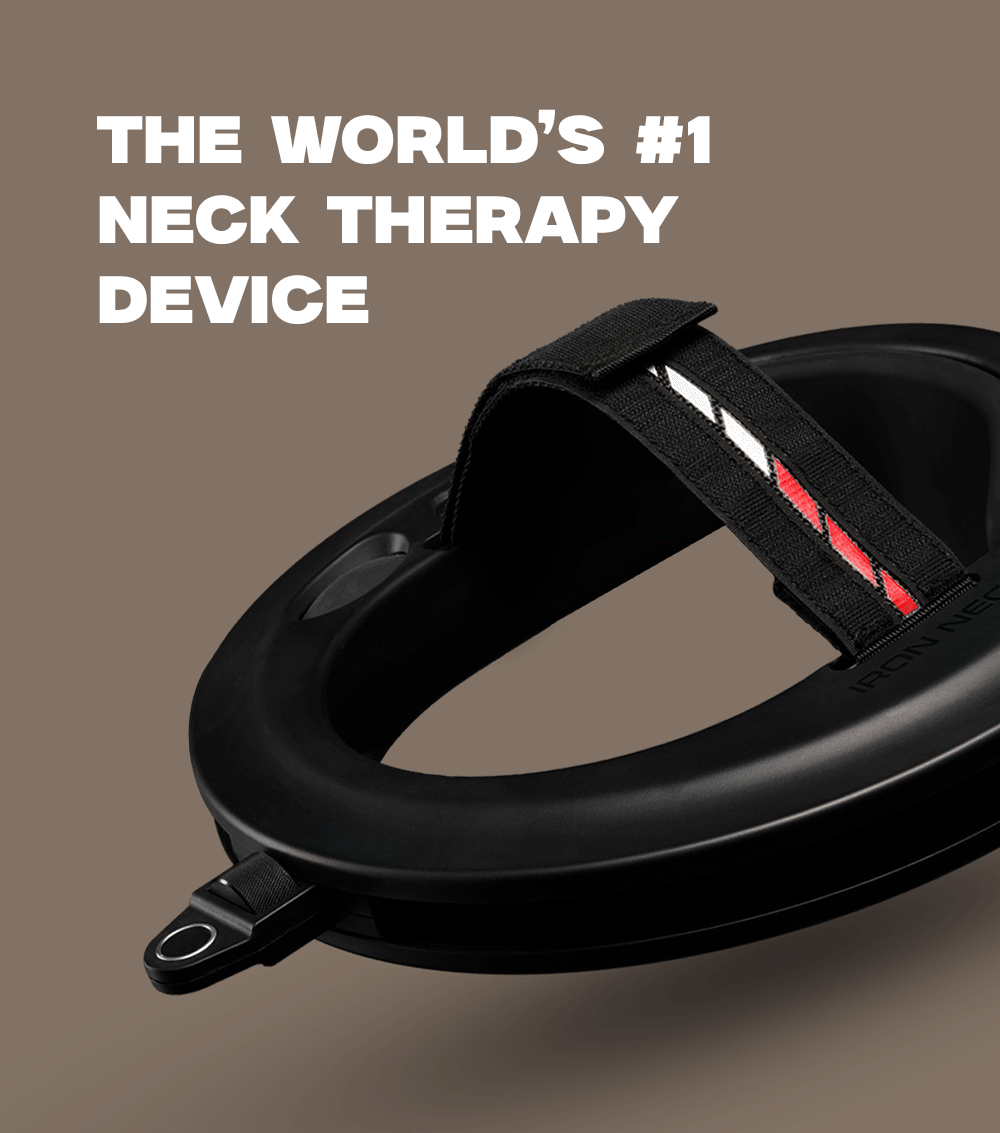
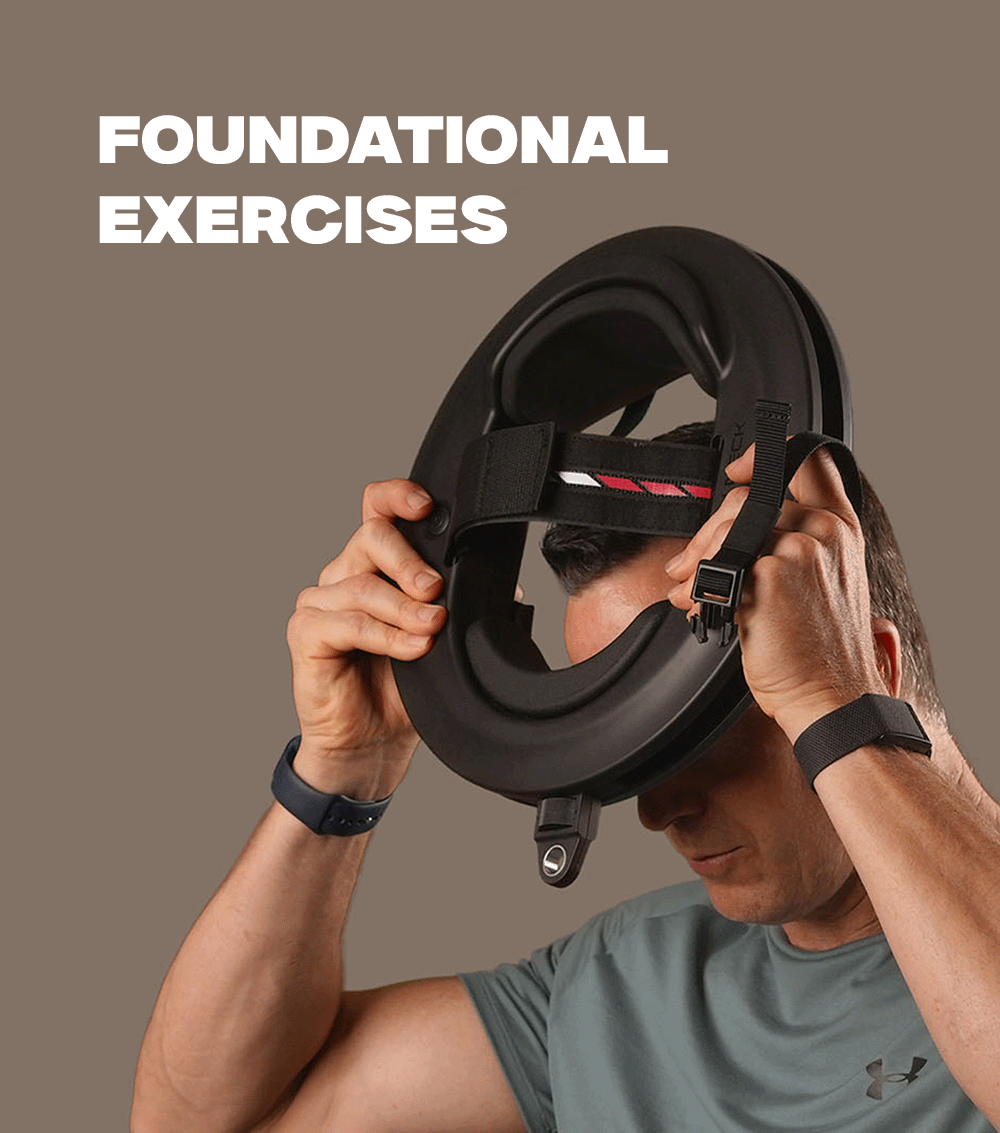
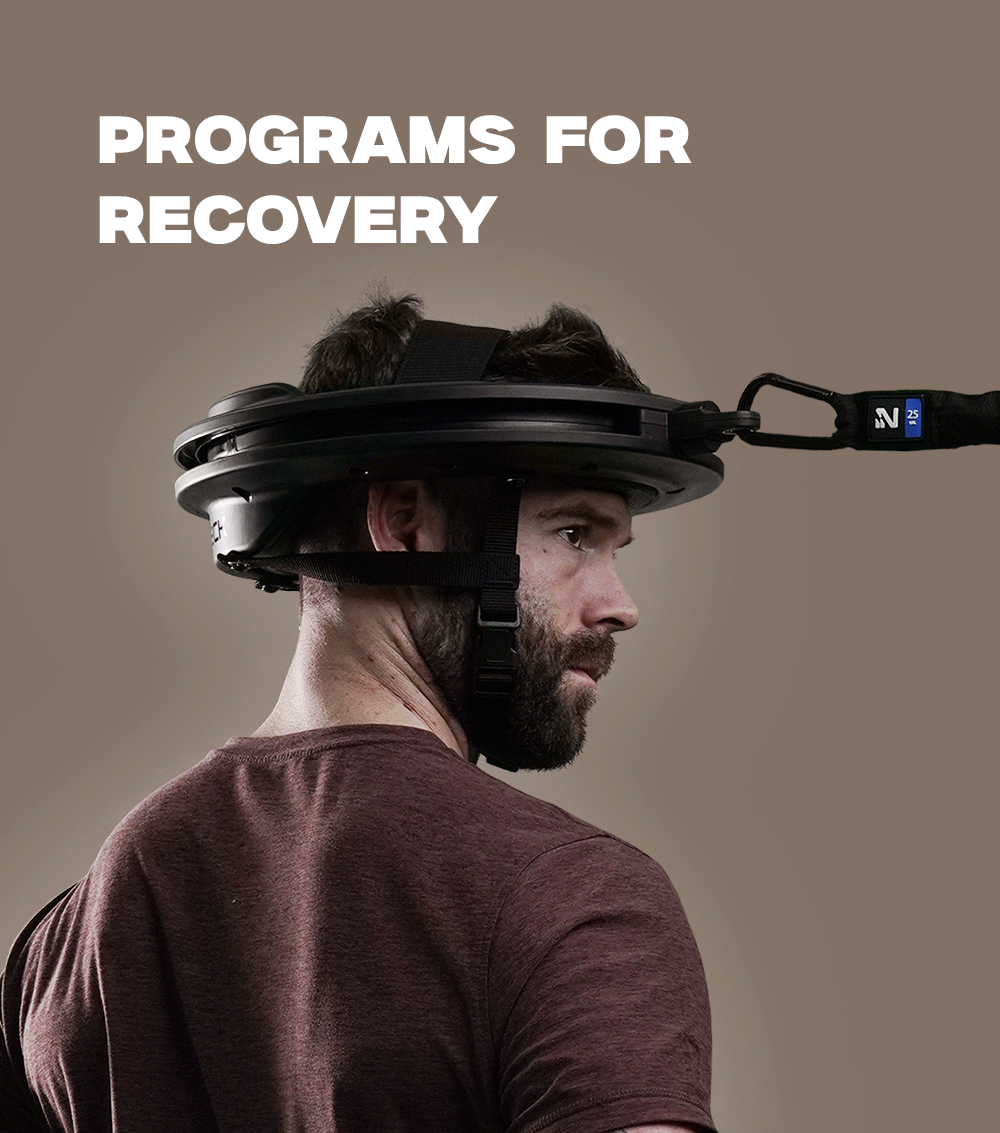
Regardless of your specific diagnosis, the evidence consistently supports exercise as the most effective long-term treatment for most cervical conditions. The Iron Neck device and Iron Neck resistance bands provide effective tools for the progressive cervical and upper back strengthening that produces the best long-term outcomes for most neck pain diagnoses.


Leave a comment
This site is protected by hCaptcha and the hCaptcha Privacy Policy and Terms of Service apply.