


Boxing Neck Training: How Fighters Build Knockout Resistance
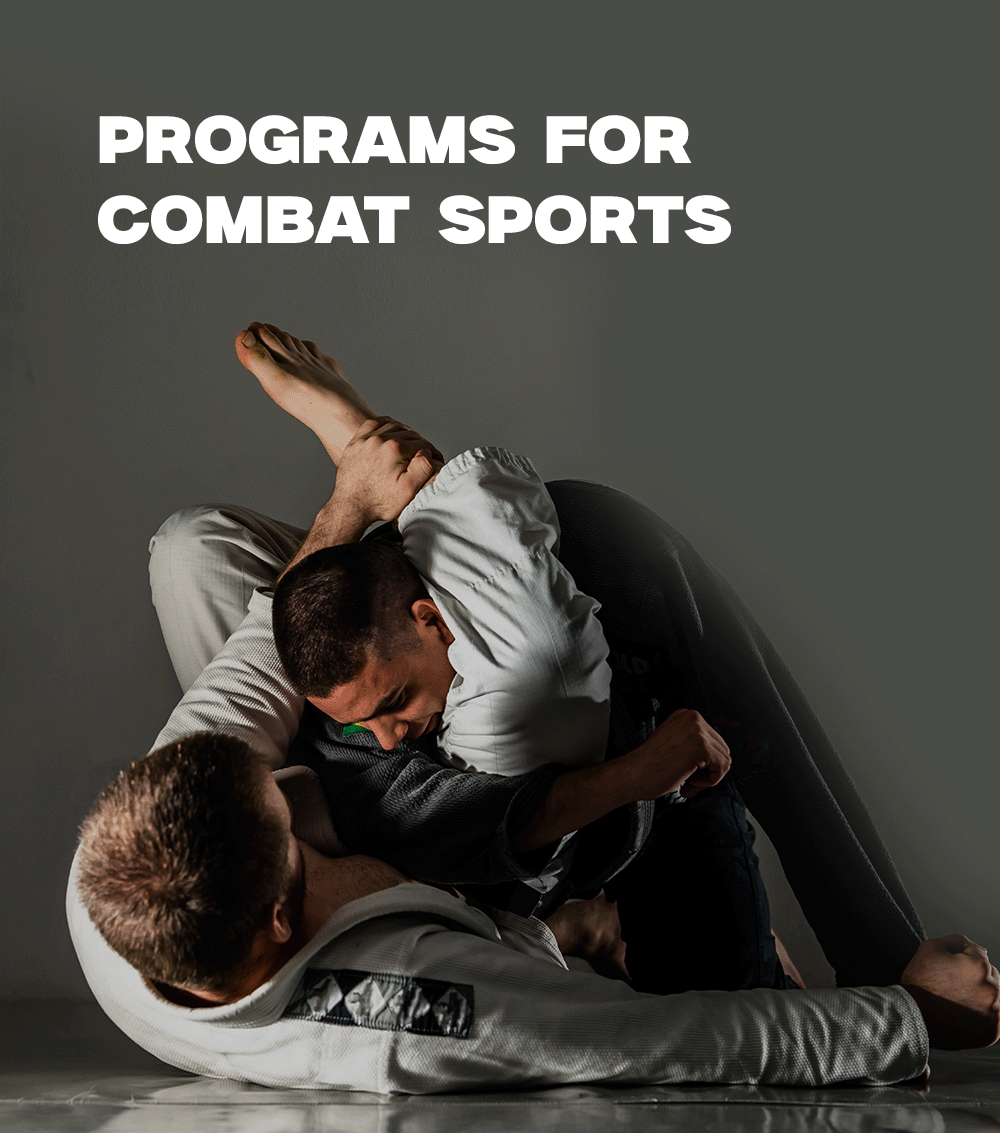
Every boxing trainer knows the phrase: "You can't teach chin." The conventional wisdom has long been that the ability to absorb a punch, to "take a shot", is an innate quality that fighters either have or don't. But modern sports science and the training practices of elite boxing programs tell a different story. While some genetic factors influence punch resistance, neck strength is a trainable quality that significantly affects how well a fighter can absorb and roll with punches.
Professional boxers at the highest levels train their necks systematically and deliberately. This guide covers the science behind why neck training matters for boxing, the specific exercises used by elite fighters, and how to build a boxing-specific neck training program.
The Biomechanics of Punch Absorption
When a punch lands on a boxer's head, the impact force is transmitted through the skull to the brain. The severity of the neurological effect depends primarily on how much the brain accelerates within the skull. The faster the acceleration, the greater the potential for concussion or knockout. The neck is the primary mechanism for resisting this acceleration.
A boxer with a strong, activated neck can resist the rotational and linear acceleration of the head that punches create. The neck muscles act as shock absorbers, absorbing and redirecting the impact force before it fully translates into head movement. This is why fighters are coached to keep their chin down and their neck muscles engaged. The chin-down position activates the neck flexors and shortens the lever arm that punches act on.
Research in sports biomechanics has consistently shown that neck stiffness. The product of neck muscle strength and activation, is one of the strongest predictors of head acceleration during impacts. Fighters with stiffer, stronger necks experience less head movement per unit of impact force, which directly reduces knockout risk.
The Roll: How Neck Strength Enables Defensive Technique
Beyond absorbing punches statically, neck strength enables the defensive technique known as "rolling with a punch", moving the head in the direction of the punch to reduce its effective force. This technique requires both the strength to control head movement and the proprioceptive awareness to execute it in real time.
Neck training builds both qualities. Stronger neck muscles provide better control of head position during the roll, and the proprioceptive training that comes from consistent neck work improves the fighter's awareness of head position and movement, making the roll more instinctive and reliable under pressure.
Boxing-Specific Neck Training Exercises
Chin Tucks and Neck Flexor Training
The chin-down defensive position in boxing depends on strong neck flexors. Chin tucks, drawing the chin straight back while keeping the head level, directly train the deep cervical flexors that enable and maintain this position. Perform 3 sets of 15 repetitions with a 3-second hold at the end position. This exercise is foundational for all boxing neck training.
Weighted Neck Flexion
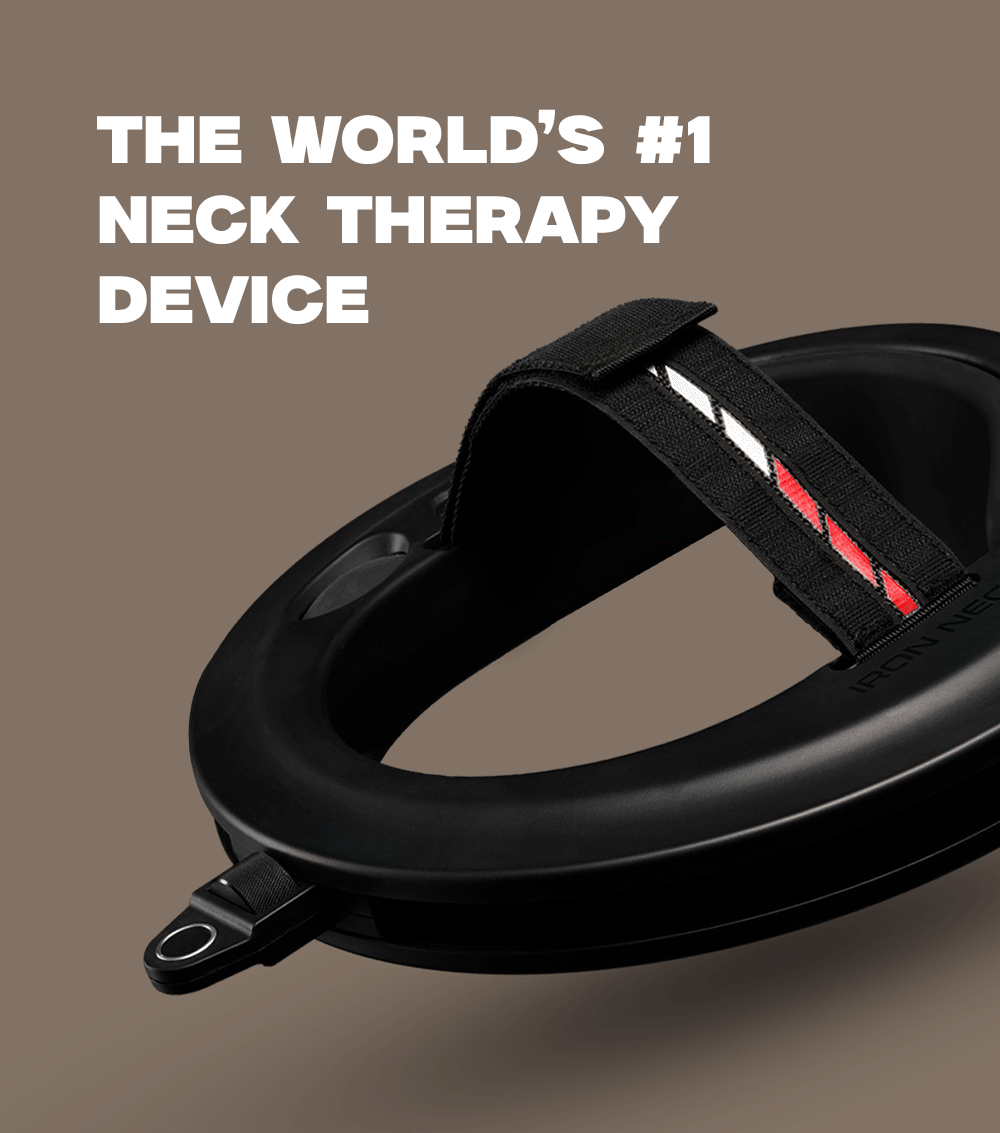
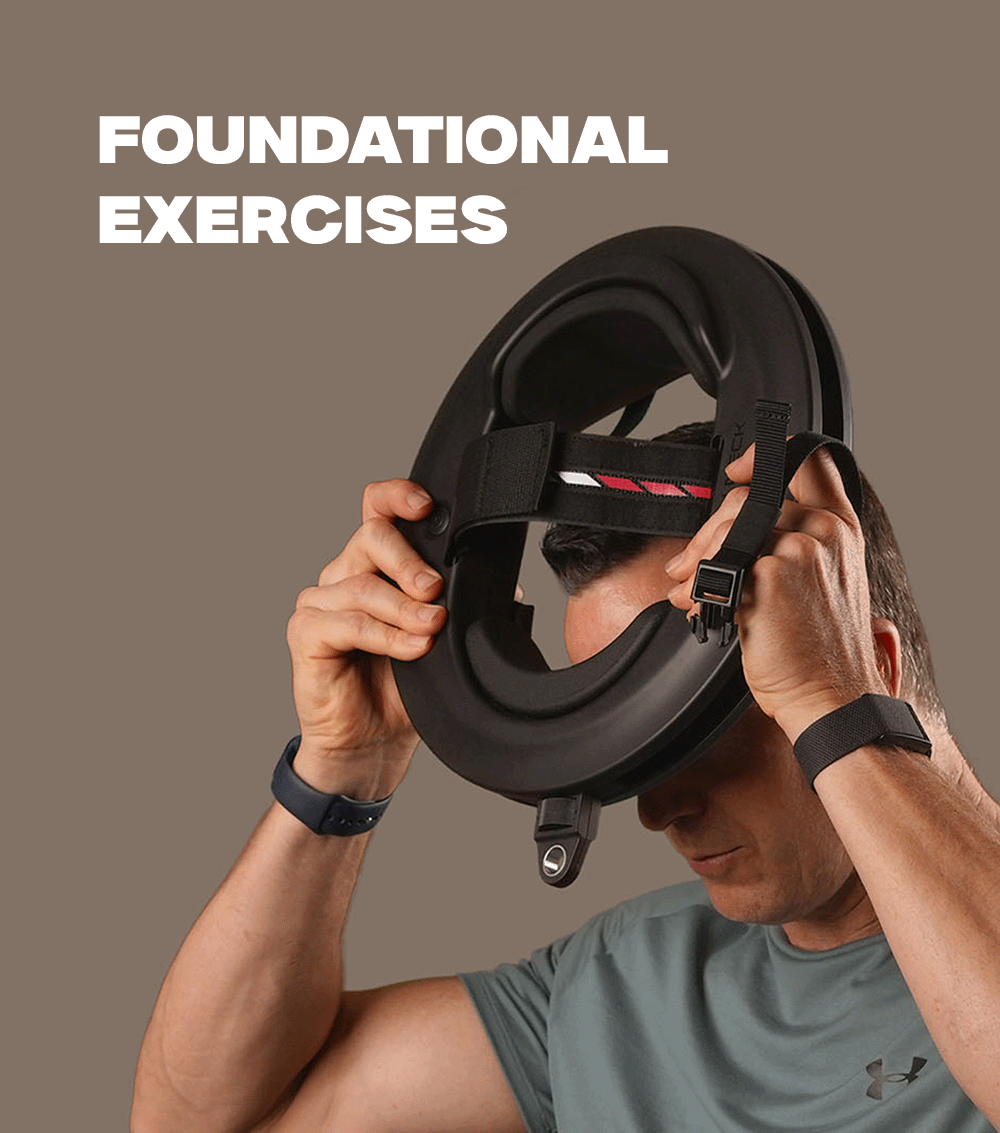
Weighted neck flexion builds the anterior neck strength needed to maintain the chin-down position under impact. Using a neck harness with progressive weight, perform controlled flexion movements. Focus on the eccentric (lowering) phase, 3–4 seconds, to maximize strength development. Perform 4 sets of 12 repetitions. The Iron Neck Alpha Harness is the recommended tool for this exercise.
Rotational Resistance Training
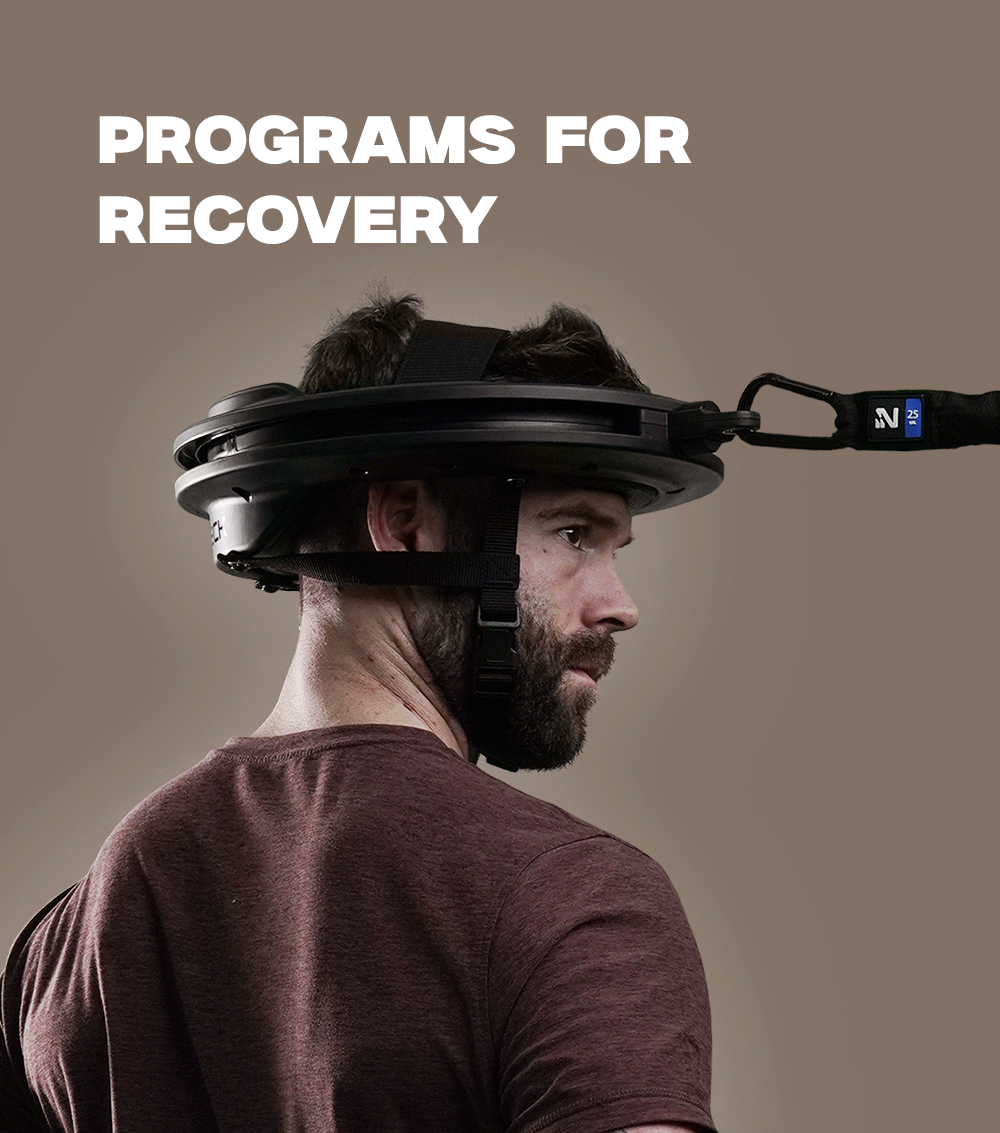
Punches create rotational forces on the head, particularly hooks and uppercuts. Rotational neck strength is essential for resisting these forces and enabling the defensive roll. Use resistance bands or the Iron Neck 3.0 Pro to perform controlled rotational movements against resistance. Perform 3 sets of 12 reps in each direction.
Isometric Holds in Fighting Stance
Perform isometric neck holds while in your fighting stance. Have a partner apply pressure to your head from various angles. The angles that correspond to the punches you most commonly face, while you resist. Hold for 10 seconds per direction, 3 sets each. This builds strength in exactly the positions and angles relevant to boxing defense.
Iron Neck 360° Rotations
The Iron Neck 3.0 Pro is used by professional boxers and MMA fighters because it trains all planes of neck movement simultaneously with consistent, progressive resistance. Perform slow, controlled 360-degree rotations with moderate resistance. This builds the comprehensive neck strength and proprioceptive awareness that enables effective punch absorption and defensive rolling. Perform 3 sets of 10 rotations in each direction.
Programming for Boxers
Neck training for boxing should be performed two to three times per week, separate from sparring sessions to avoid pre-fatiguing the neck before live work. A complete boxing neck training session takes 20–25 minutes and can be added to the beginning or end of strength and conditioning work.
During fight camp, reduce neck training volume but maintain frequency. One abbreviated session per week (isometrics and light resistance work) is sufficient to maintain the strength built during the off-season without creating fatigue that could affect sparring performance.
The Mental Edge of Neck Training
Beyond the physical benefits, neck training provides a psychological advantage. Fighters who know their necks are strong have greater confidence in their ability to absorb punches and stay in fights. This confidence affects their willingness to engage, their defensive decision-making, and their overall performance under pressure. The physical and mental benefits of boxing neck training reinforce each other, stronger necks create more confident fighters, and more confident fighters perform better.
Start building your boxing neck today. The exercises and program above will develop the strength, resilience, and proprioceptive awareness that protect you in the ring and give you the confidence to fight at your best.


Leave a comment
This site is protected by hCaptcha and the hCaptcha Privacy Policy and Terms of Service apply.