




Shoulder Physical Therapy Exercises You Can Do at Home
Physical therapy for the shoulder does not have to happen in a clinic. The exercises that physical therapists prescribe most frequently for shoulder conditions are designed to be performed at home with minimal equipment, and the evidence consistently shows that home exercise programs produce outcomes equivalent to supervised clinic-based therapy for most common shoulder conditions when the exercises are performed correctly and consistently. This guide gives you the exercises that PTs actually prescribe, organized by condition and phase of recovery, so you can build an effective home shoulder rehabilitation program.
What Physical Therapists Actually Prescribe
Physical therapy for shoulder conditions is not a single protocol. The exercises prescribed vary based on the specific diagnosis, the phase of recovery, and the individual patient's strength, mobility, and goals. However, certain exercises appear consistently across shoulder rehabilitation programs because they address the most common deficits seen in shoulder conditions: rotator cuff weakness, scapular stabilizer weakness, posterior capsule tightness, and thoracic stiffness.
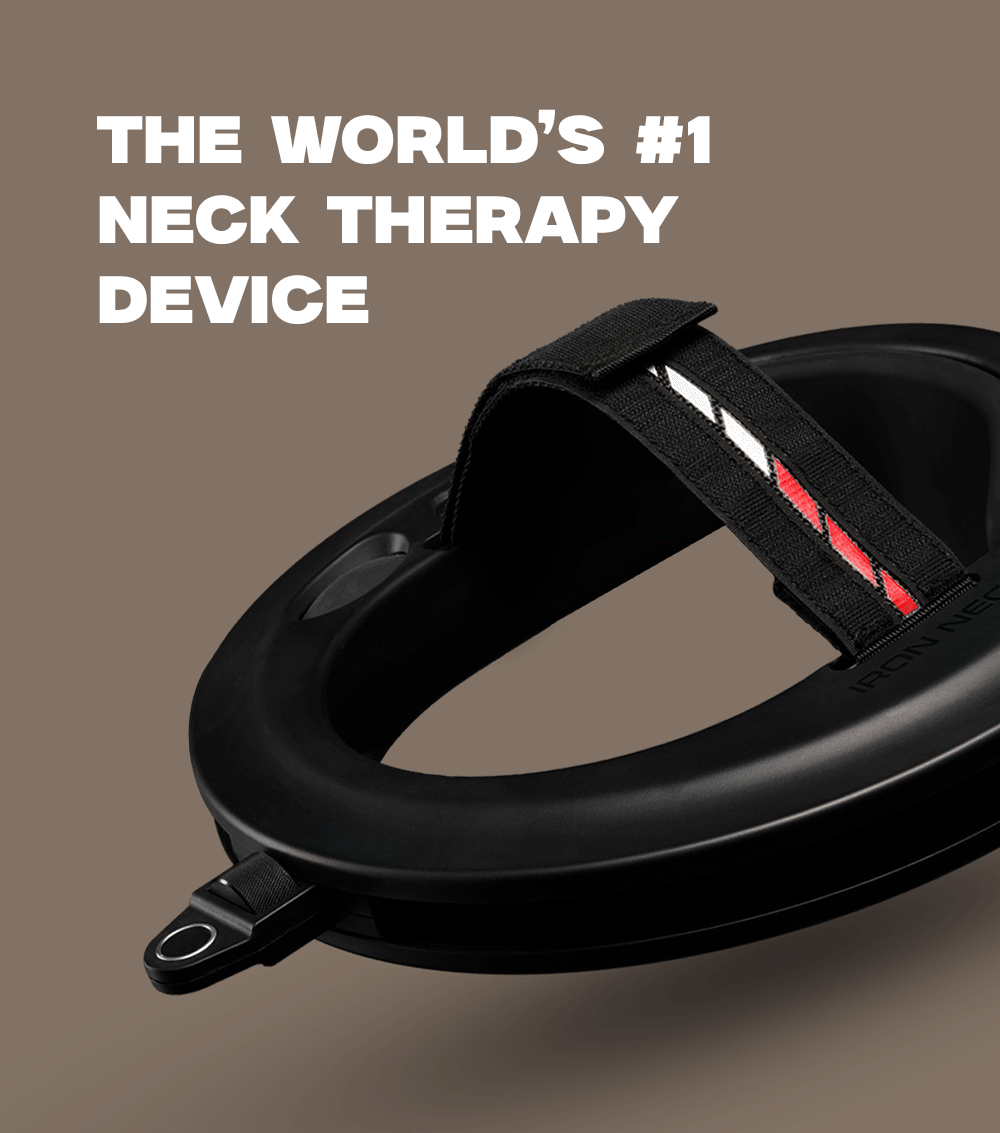
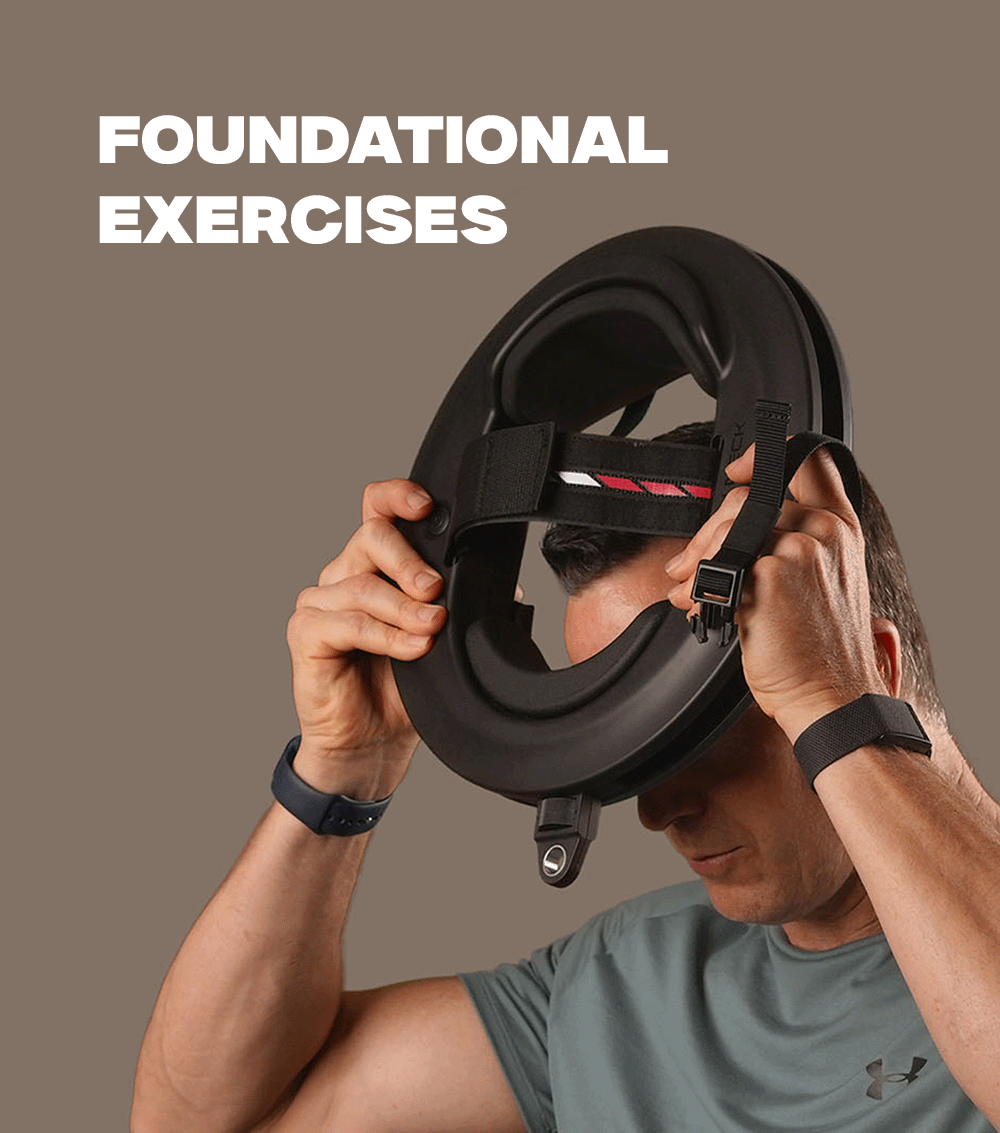
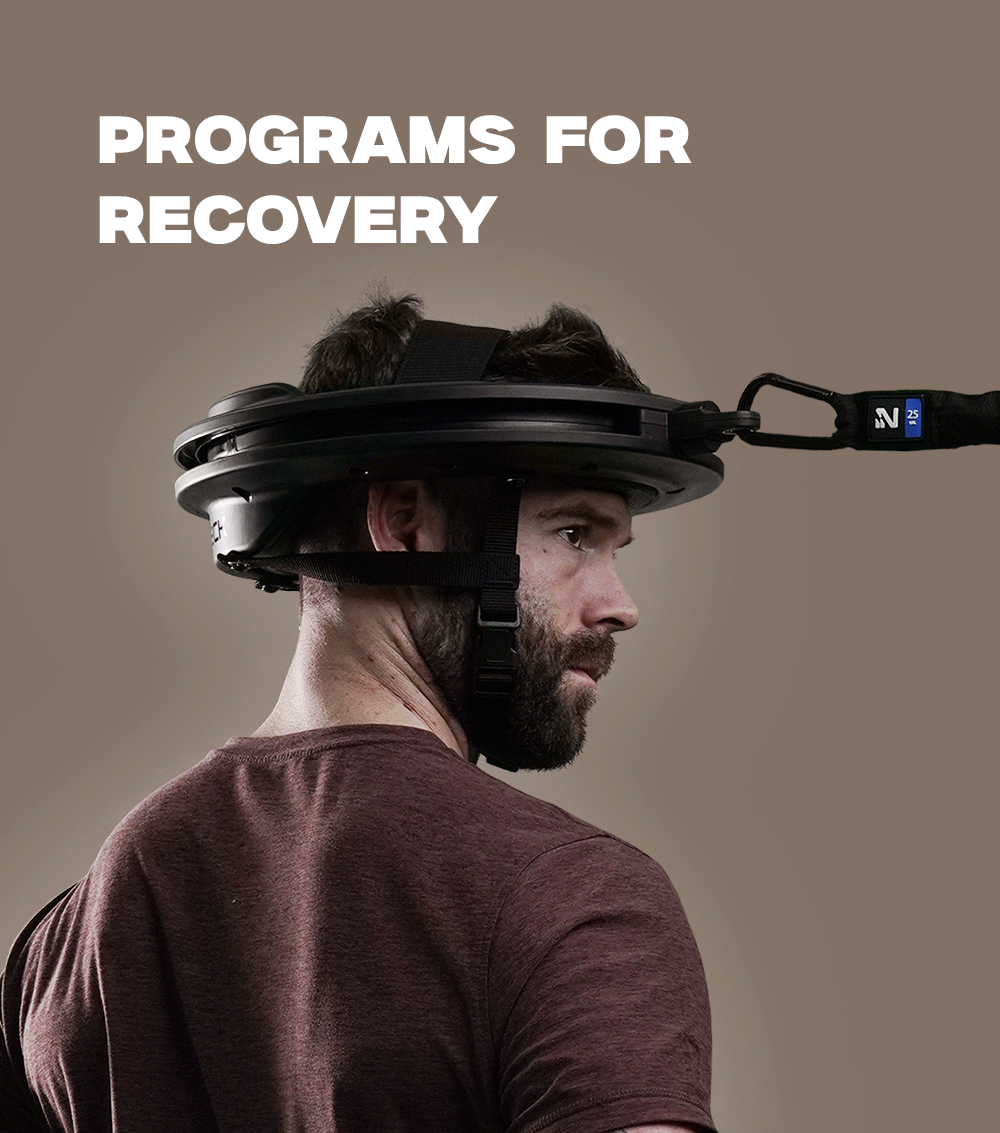
The exercises below are drawn from the physical therapy literature and represent the most commonly prescribed interventions for the most common shoulder conditions. They require minimal equipment: a resistance band, a foam roller, and a light dumbbell are sufficient for the complete program. The Iron Neck resistance bands are particularly well-suited for shoulder rehabilitation work, offering multiple resistance levels that allow you to select the appropriate challenge for each exercise and progress systematically.
Foundation Exercises: For All Shoulder Conditions
The following exercises address the most common deficits across all shoulder conditions and form the foundation of any home shoulder rehabilitation program.
Scapular Retraction and Depression: Sit or stand upright. Squeeze your shoulder blades together and down, as if trying to hold a pencil between them. Hold for 5 seconds and release. Perform 3 sets of 15 repetitions. This exercise activates the lower and mid trapezius, which are inhibited in virtually every shoulder condition.
Chin Tucks: Sit or stand upright. Without tilting your chin, slide your head straight back to create a double chin. Hold for 3 seconds and release. Perform 3 sets of 15 repetitions. Forward head posture contributes to shoulder dysfunction by altering the position of the shoulder blade relative to the thorax. Correcting head position is therefore a component of shoulder rehabilitation.
Foam Roller Thoracic Extension: Place a foam roller at mid-back level, perpendicular to your spine. Support your head with your hands and extend backward over the roller. Hold each position for 5 to 10 seconds, then shift the roller one inch up your spine. Work from the mid-back to the base of the neck. Perform two passes daily. Thoracic mobility is a prerequisite for full shoulder function.
Rotator Cuff Exercises
Band External Rotation: Attach a resistance band to a fixed point at elbow height. Stand sideways to the band with your affected arm closest to the anchor. Hold the band with your affected hand, elbow bent to 90 degrees and pressed against your side. Rotate your forearm outward against the resistance. Return slowly. Perform 3 sets of 15 repetitions. This is the most commonly prescribed rotator cuff exercise in physical therapy practice.
Band Internal Rotation: Reverse your position so that your arm is farthest from the anchor. Rotate your forearm inward against the resistance. Perform 3 sets of 15 repetitions.
Side-Lying External Rotation: Lie on your unaffected side with your affected arm on top, elbow bent to 90 degrees. Hold a light dumbbell (2 to 5 pounds). Rotate your forearm upward until it is perpendicular to the floor. Return slowly. Perform 3 sets of 15 repetitions.
Empty Can Exercise: Hold a light dumbbell in your affected hand. Raise your arm to the side at a 30-degree angle forward of the frontal plane, thumb pointing down. Raise to shoulder height and lower slowly. Perform 3 sets of 12 repetitions. This exercise targets the supraspinatus in its primary plane of action.
Scapular Stabilizer Exercises
Band Face Pulls: Attach a resistance band at face height. Pull the band toward your face while simultaneously externally rotating your shoulders. Squeeze your shoulder blades together and down at the end of the movement. Perform 3 sets of 15 repetitions. Face pulls are among the most frequently prescribed exercises in shoulder physical therapy.
Band Pull-Aparts: Hold a resistance band in front of you at chest height with both hands, arms straight. Pull the band apart by squeezing your shoulder blades together. Return slowly. Perform 3 sets of 20 repetitions.
Prone Y-T-W Raises: Lie face down with your arms extended overhead in a Y position. Lift your arms off the floor by squeezing your lower trapezius. Hold for 2 seconds and lower. Move your arms to a T position and repeat. Then bend your elbows to 90 degrees in a W position and repeat. Perform 2 sets of 10 repetitions in each position.
Stretching Exercises
Cross-Body Stretch: Bring your affected arm across your chest and use your opposite hand to gently pull it closer to your body at the elbow. Hold for 30 seconds. Perform three times. This stretches the posterior shoulder capsule, which is tight in most shoulder conditions.
Doorway Chest Stretch: Stand in a doorway with your arms at 90 degrees, forearms on the door frame. Step forward until you feel a stretch across your chest. Hold for 30 seconds. Perform twice. Tight pectorals contribute to shoulder dysfunction by pulling the shoulders forward and limiting external rotation.
Inferior Capsule Stretch: Raise your affected arm overhead and bend your elbow so that your hand rests behind your head. Use your opposite hand to gently pull your elbow further behind your head. Hold for 30 seconds. Perform twice.
How to Structure Your Home Program
For most shoulder conditions, the following structure is appropriate: perform the foundation exercises (scapular retraction, chin tucks, foam roller thoracic extension) daily. Perform the rotator cuff and scapular stabilizer exercises three to four times per week, on alternating days. Perform the stretching exercises daily, ideally after the strengthening exercises when the tissues are warm.
Track your progress by noting which exercises you performed, the resistance used, and any pain or discomfort experienced. This information is valuable for adjusting the program and for reporting to your physical therapist or physician at follow-up appointments.
When to See a Physical Therapist in Person
A home exercise program is appropriate for most people with mild to moderate shoulder conditions. However, in-person physical therapy is recommended if your pain is severe or worsening despite home exercise, if you have a history of shoulder surgery or significant structural injury, if you are not seeing improvement after four to six weeks of consistent home exercise, or if you have radiating pain or numbness into the arm. A physical therapist can assess your movement quality, identify specific deficits that may not be apparent from a home program, and modify your exercises accordingly.


Leave a comment
This site is protected by hCaptcha and the hCaptcha Privacy Policy and Terms of Service apply.