



Neck Spasm Relief: Exercises and Techniques That Actually Work
A neck spasm, the sudden, involuntary contraction of one or more cervical muscles that produces intense pain and restricted movement, is one of the most acutely disabling experiences a person can have. The muscles most commonly affected are the sternocleidomastoid, upper trapezius, levator scapulae, and scalenes, all of which play critical roles in supporting the head and enabling cervical movement. When these muscles go into spasm, even simple movements like turning the head to check a blind spot while driving become agonizing. Understanding why neck spasms occur and how to address them effectively, both in the acute phase and through longer-term prevention, is the focus of this guide.
Why Neck Spasms Occur
Neck spasms are the result of a protective reflex in which the nervous system contracts the cervical muscles to guard an injured or irritated structure. The trigger can be a sudden movement that strains a muscle or ligament, sustained poor posture that creates chronic muscle overload, sleeping in an awkward position, emotional stress that manifests as physical muscle tension, or the protective response to an underlying cervical condition such as a herniated disc or facet joint irritation. In many cases, the spasm itself becomes the primary source of pain, even after the original trigger has resolved, because the sustained muscle contraction reduces blood flow to the muscle and creates a cycle of ischemia, pain, and further contraction.
Acute Relief Techniques
During an acute neck spasm, the priority is breaking the pain-spasm cycle and restoring enough movement to allow normal daily function. The following techniques are most effective in the acute phase.
Heat Application: Apply a heat pack or warm towel to the affected muscles for 15 to 20 minutes. Heat increases blood flow to the spasming muscle, reduces ischemia, and promotes muscle relaxation. Heat is generally more effective than ice for muscle spasms, as the primary mechanism is ischemic pain rather than inflammation. Repeat three to four times daily during the acute phase.
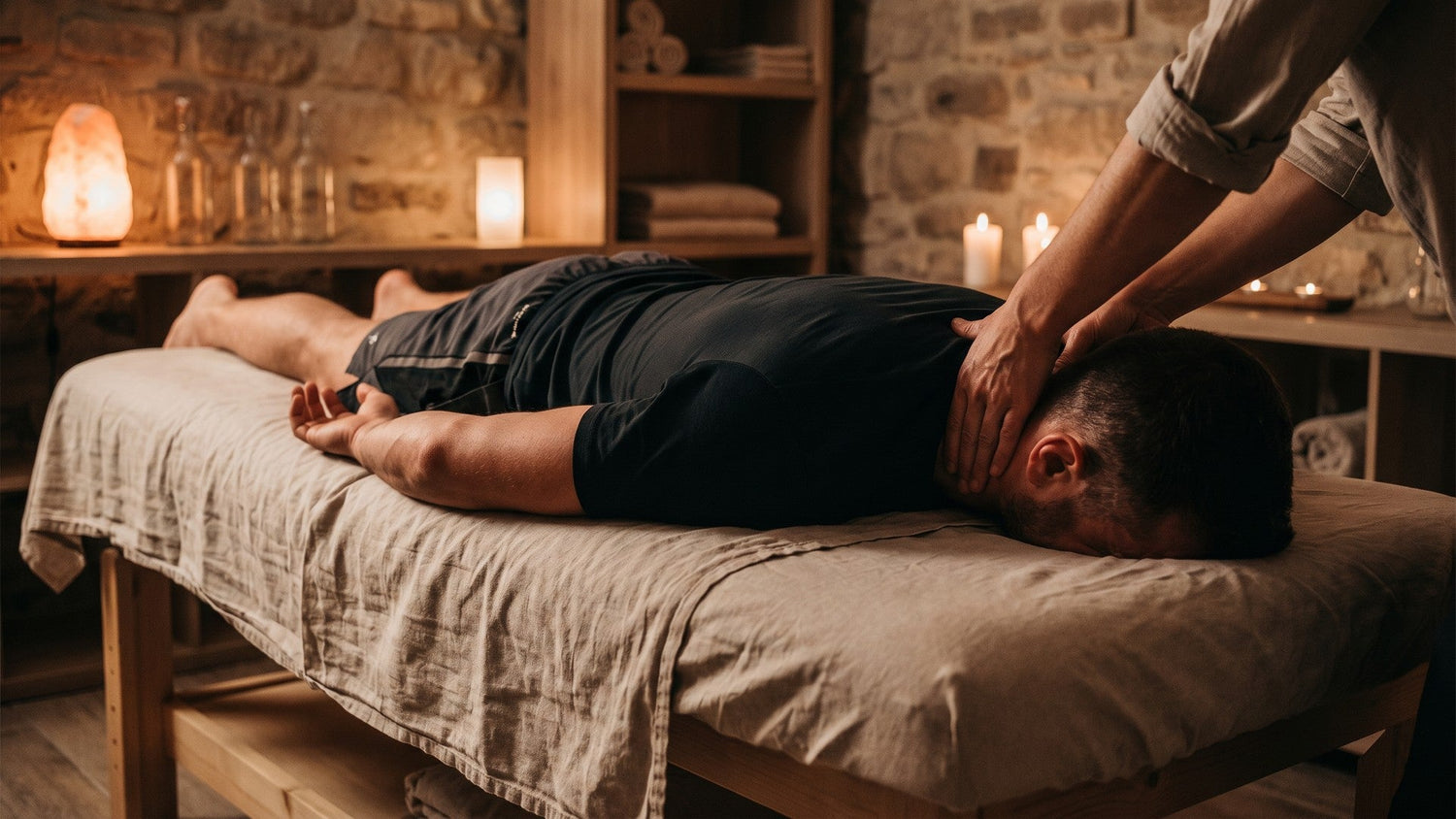
Gentle Massage: Apply gentle pressure to the spasming muscle using your fingers or a massage ball. Work along the length of the muscle with slow, sustained pressure, pausing at any particularly tender points for 20 to 30 seconds. Avoid aggressive deep tissue massage during the acute phase, as this can worsen the spasm by triggering further protective contraction.
Gentle Active Range of Motion: Perform slow, controlled movements through your comfortable range of motion in all planes. Move only to the point where you feel mild discomfort, not sharp pain. Perform 10 repetitions in each direction, twice daily. Gentle movement is more effective than rest for breaking the pain-spasm cycle, as it promotes circulation, reduces muscle guarding, and maintains joint mobility.
Suboccipital Release: Lie on your back with a small rolled towel at the base of your skull. Allow the weight of your head to compress the suboccipital muscles against the towel for 2 to 3 minutes. This technique reduces the hypertonicity of the suboccipitals that often contributes to neck spasms and upper cervical pain.
Stretching for Neck Spasm Relief
Upper Trapezius Stretch: Sit upright. Drop your right ear toward your right shoulder. Place your right hand on the left side of your head and apply gentle downward pressure. Hold for 30 seconds. Repeat on the opposite side. Perform twice per side. This stretch targets the upper trapezius, one of the most commonly spasming muscles in the neck and shoulder region.
Levator Scapulae Stretch: Sit upright. Rotate your head 45 degrees to the right and tilt it forward and to the right, as if looking into your right armpit. Place your right hand on the back of your head and apply gentle downward pressure. Hold for 30 seconds. Repeat on the opposite side. Perform twice per side. This stretch targets the levator scapulae, which runs from the upper cervical vertebrae to the shoulder blade and is a frequent contributor to neck spasms.
Scalene Stretch: Sit upright. Tilt your head to the right and slightly back. Place your right hand on your left collarbone to stabilize the shoulder. Hold for 30 seconds. Repeat on the opposite side. This stretch targets the scalene muscles, which run from the cervical vertebrae to the first and second ribs and are a common source of neck spasm and referred pain into the arm.
Prevention: Addressing the Root Causes
Neck spasms are rarely a random event. They typically occur in muscles that are chronically overloaded due to poor posture, weakness, or repetitive strain. Addressing these underlying factors is the most effective way to prevent recurrence.
Strengthening the Deep Cervical Flexors: Weak deep cervical flexors force the superficial muscles, including the upper trapezius and levator scapulae, to work harder to support the head, making them more prone to spasm. Perform chin tucks (3 sets of 15 repetitions) daily to build deep cervical flexor strength.
Upper Back Strengthening: Weak upper back muscles contribute to the forward rounding that overloads the posterior cervical muscles. Perform band face pulls and pull-aparts using the Iron Neck resistance bands three times per week.
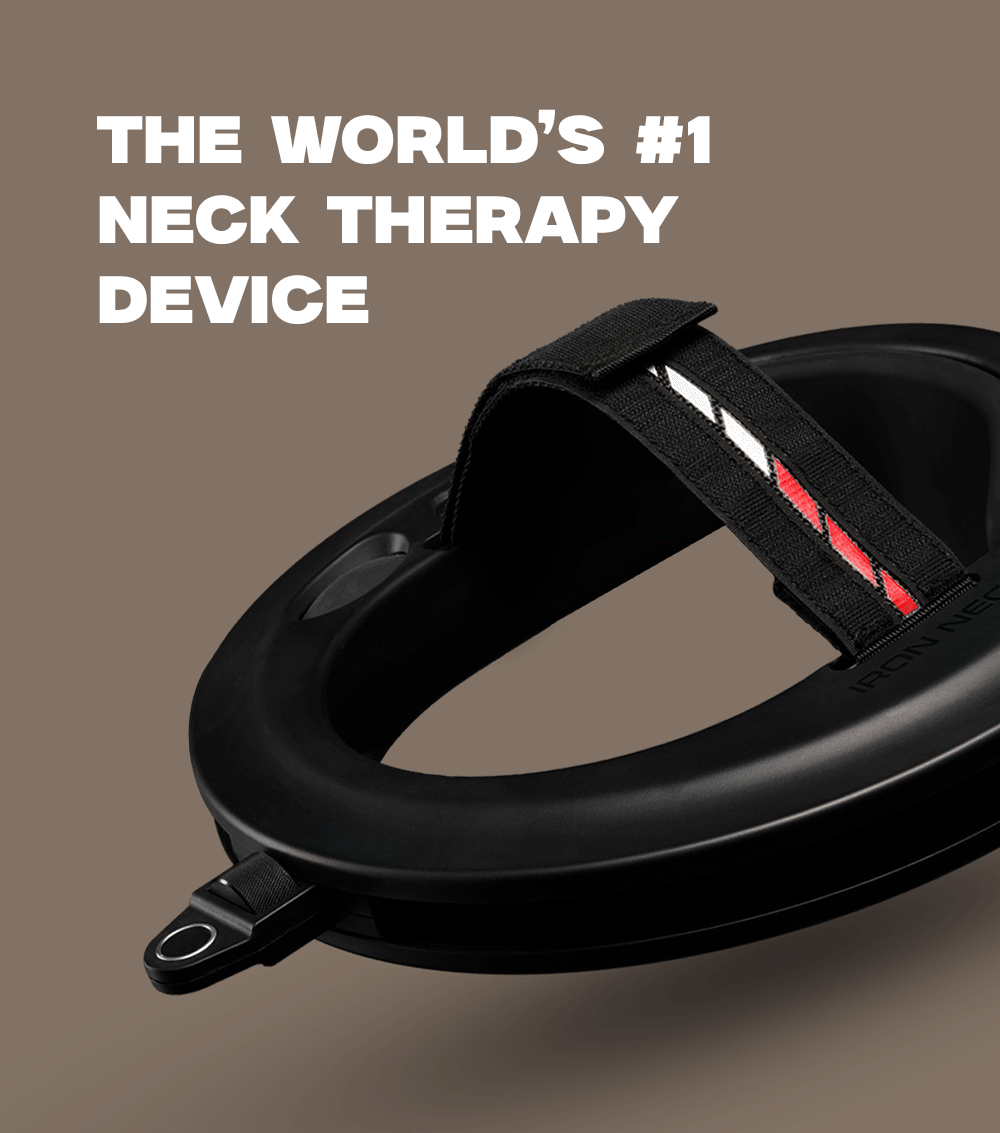
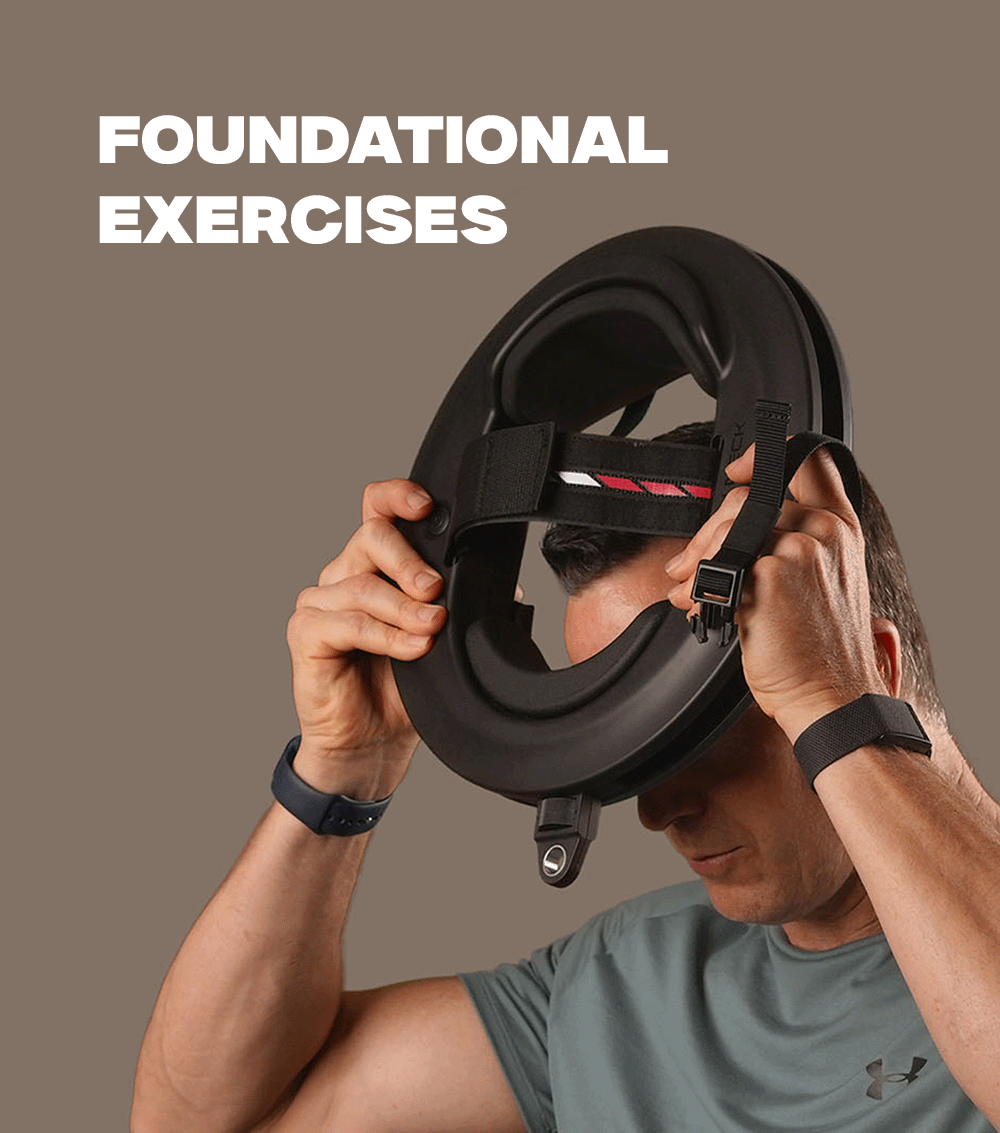
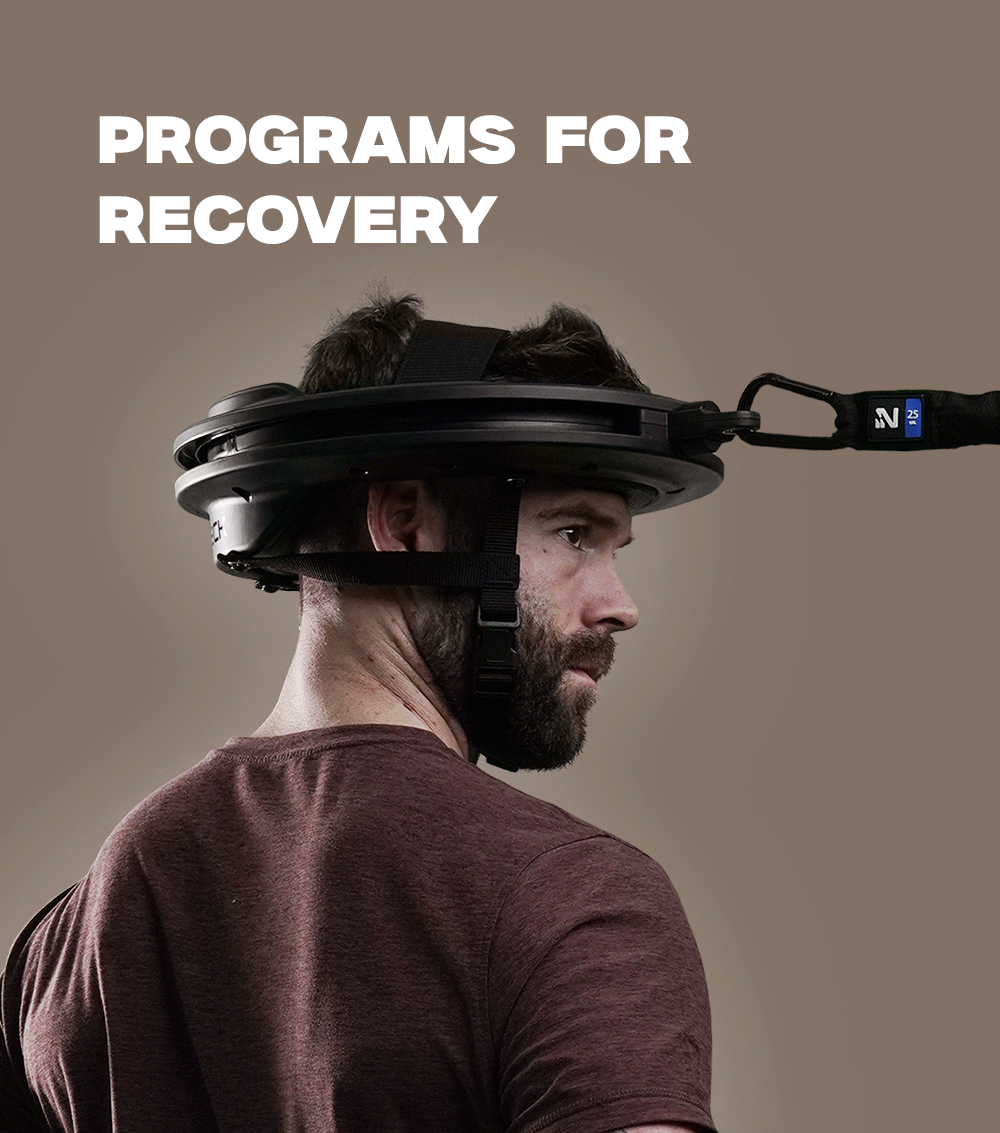
Progressive Cervical Strengthening: Building overall cervical muscle strength and endurance is the most effective long-term strategy for preventing neck spasms. The Iron Neck device provides adjustable, 360-degree resistance for cervical rotation and extension training, allowing you to systematically build the strength needed to prevent future spasms.
Ergonomic Modifications: Raise your monitor to eye level, hold your phone at face height, and take a movement break every 30 to 45 minutes. These simple modifications significantly reduce the chronic muscle overload that predisposes to neck spasms.
When to See a Doctor
Most neck spasms resolve within a few days to two weeks with the techniques described above. Consult a physician if your spasm is severe and does not respond to conservative management within a week, if you have radiating pain or numbness into the arm, if you have a fever along with neck pain and stiffness (which may indicate meningitis), or if the spasm followed a significant trauma such as a fall or motor vehicle accident.


Leave a comment
This site is protected by hCaptcha and the hCaptcha Privacy Policy and Terms of Service apply.